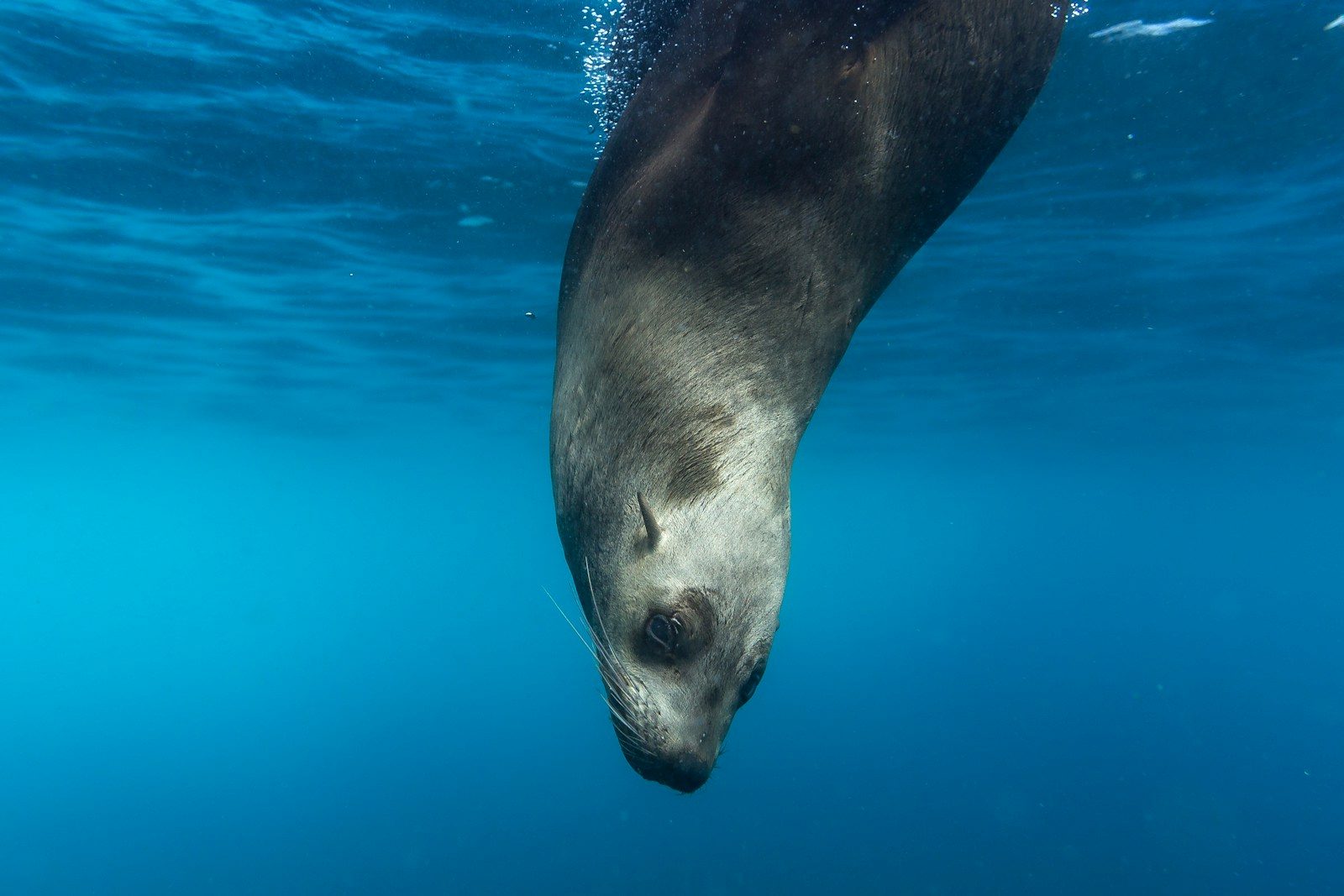
The discovery of a rare endangered shark on a Jersey beach has captured the attention of marine researchers and conservationists. The large predator, identified as a smalltooth sand tiger shark, was found washed ashore after apparently drifting into waters where the species has never previously been recorded.
Measuring around 14 feet in length and weighing close to 600 kilograms, the shark’s appearance has raised questions about changing marine environments and the movement of species beyond their traditional ranges. Scientists are now examining what the unusual sighting could reveal about the health and dynamics of regional ocean ecosystems.
An Unusual Visitor To Jersey Waters

The smalltooth sand tiger shark is rarely encountered by the public due to its preference for deeper offshore habitats. Most of its life is spent far from coastlines, making confirmed sightings relatively uncommon.
Its appearance in Jersey waters was particularly significant because the species had never before been officially recorded in the area. For marine researchers, the find represents an important addition to regional wildlife records.
The Species Is Considered Endangered

Conservation organizations classify the smalltooth sand tiger shark as endangered in parts of its range. Population pressures and limited sightings have made monitoring the species a challenge for scientists.
Because encounters are so rare, every confirmed observation provides valuable information. Researchers rely on these records to improve understanding of distribution patterns and population health.
The Cause Of Death Remains A Mystery

After the shark was recovered, specialists conducted an examination to determine what may have caused its death. Investigators found no evidence of fishing gear entanglement or injuries linked to commercial fishing activity.
Without obvious signs of trauma, the exact cause remains unknown. Marine animals can be affected by a wide range of natural factors, many of which are difficult to identify after death.
Scientists Are Monitoring Possible Range Shifts

One of the most intriguing aspects of the discovery is the location where it occurred. The species is generally associated with warmer waters than those typically found around the Channel Islands.
Recent years have seen several unusual shark sightings in northern European waters. While researchers caution against drawing conclusions from isolated incidents, they continue studying whether broader environmental changes may be influencing marine species distributions.
Rare Sightings Offer Valuable Scientific Data

Large predators such as sharks can provide important clues about the condition of marine ecosystems. Changes in their movements may reflect shifts in prey availability, habitat use, or ocean conditions.
For species that spend much of their lives in deep offshore environments, opportunities for direct study are limited. As a result, unusual discoveries often become valuable sources of information.
The Oceans Still Hold Many Surprises

Despite advances in marine research, scientists continue to uncover unexpected discoveries in waters that have been studied for decades. Rare species occasionally appear in places where they were never previously documented.
The appearance of the smalltooth sand tiger shark serves as a reminder of how much remains unknown about ocean life. Whether this individual was an isolated wanderer or part of a larger pattern, its discovery has provided researchers with an opportunity to learn more about a remarkable and elusive species.