A rare bird usually found along the coastlines of Africa, southern Europe, and parts of Asia has caused a surge of excitement among Britain’s birdwatching community after appearing in north Wales. The western reef heron, never before officially recorded in the United Kingdom, attracted hundreds of enthusiasts eager to witness a remarkable moment in British wildlife history.
The unexpected visitor was spotted in the coastal area of Caernarfon, where it quickly became the focus of attention for ornithologists, photographers, and birdwatchers. For many observers, the chance to see the species represented a once in a lifetime opportunity.
An Experienced Birdwatcher Made The Discovery

The heron was first identified during a routine birdwatching outing by an experienced ornithologist. Its unusual appearance immediately stood out from the species commonly seen along British shorelines.
Careful observation and comparison with nearby birds helped confirm its identity. Distinctive coloration, size, and structure all pointed to the western reef heron, a species rarely encountered so far from its normal range.
News Spread Quickly Across Birdwatching Circles

Reports of rare birds often travel rapidly among enthusiasts, and this sighting was no exception. Within hours, birdwatchers from across the country began making plans to visit the Welsh coast.
The arrival of hundreds of visitors highlighted the significance of the discovery. Rare sightings often create a sense of urgency among dedicated birders hoping to add an unusual species to their observations.
The Western Reef Heron Is Rare In Northern Europe
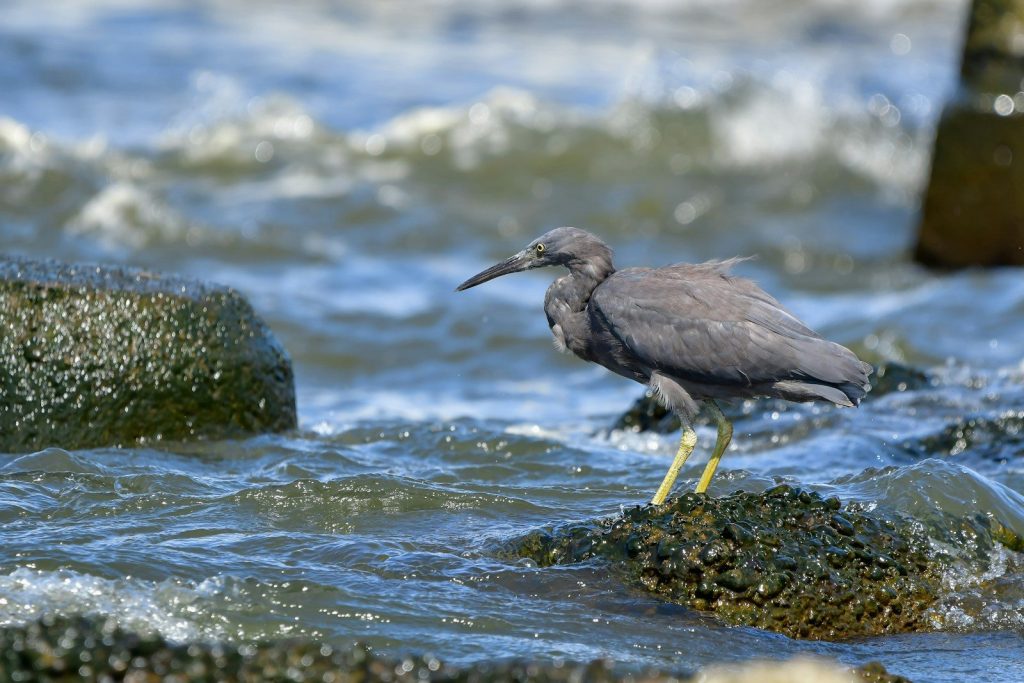
Although not considered globally threatened, the western reef heron is exceptionally uncommon in northern European countries. The species is typically associated with warmer coastal regions and shallow marine habitats.
Its appearance in Wales places it far outside its expected range. Such records are valuable because they help scientists better understand bird movement and distribution patterns.
Weather May Have Played A Key Role
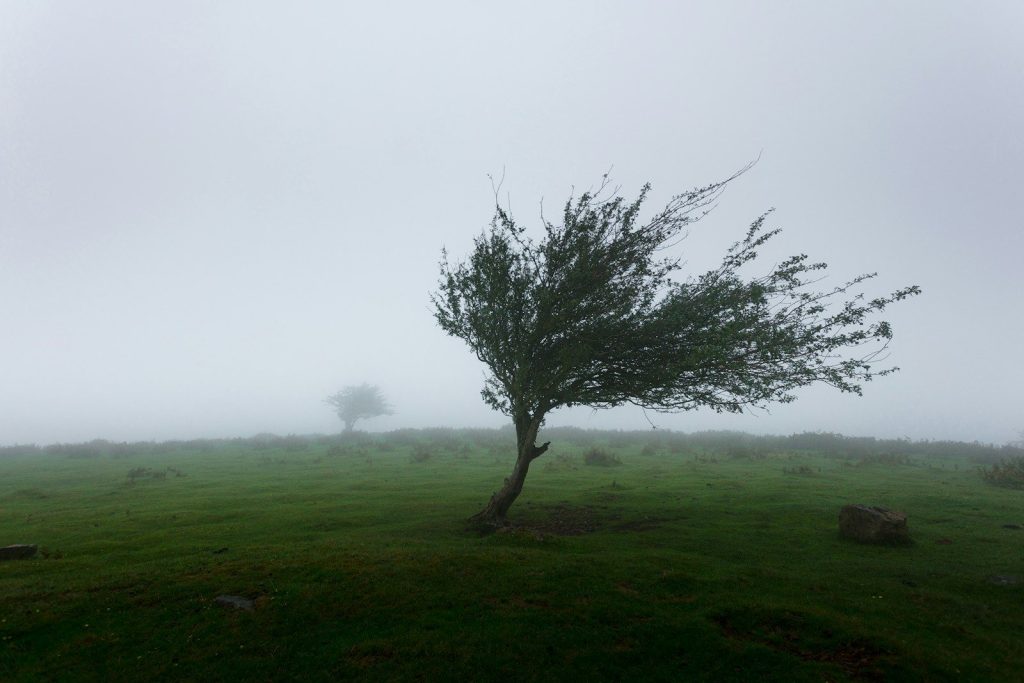
Experts believe strong weather systems are the most likely explanation for the bird’s unexpected journey. Powerful winds can occasionally carry migrating or wandering birds well beyond their usual destinations.
Once displaced, birds often settle in areas that provide suitable feeding opportunities. The coastal habitats around Caernarfon offered conditions that closely resemble parts of the species’ natural environment.
Local Wetlands Provided Ideal Conditions
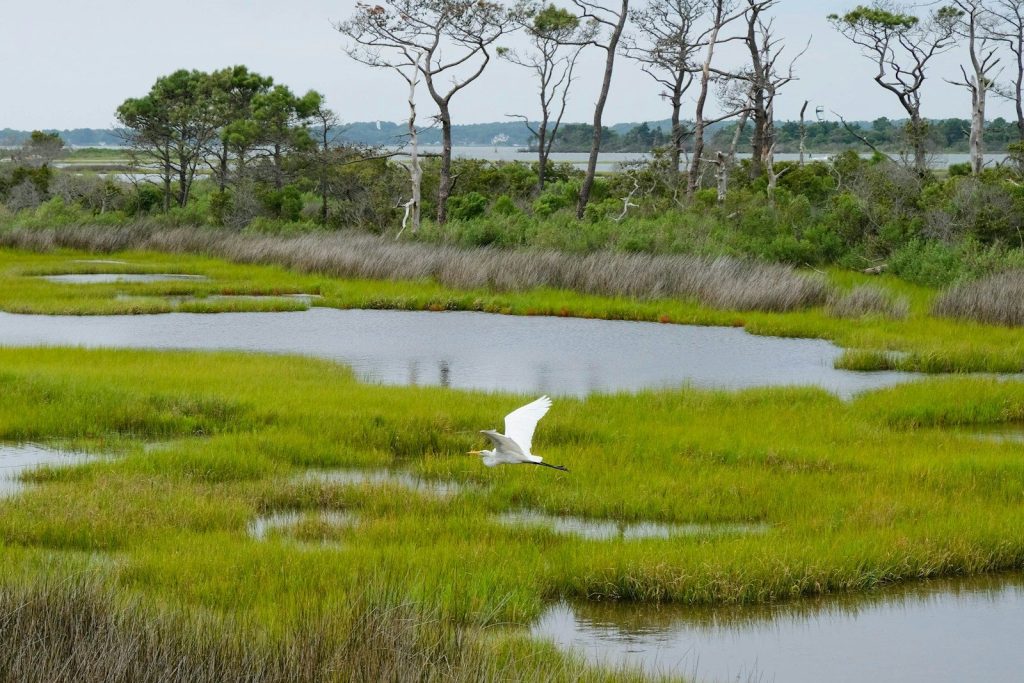
Estuaries and mudflats create excellent feeding grounds for herons and other wading birds. The area where the western reef heron appeared contains abundant food resources and sheltered habitats.
Observers reported seeing the bird actively feeding and moving comfortably through the landscape. Its behavior suggested it was adapting well to its temporary surroundings.
A Reminder That Nature Still Holds Surprises
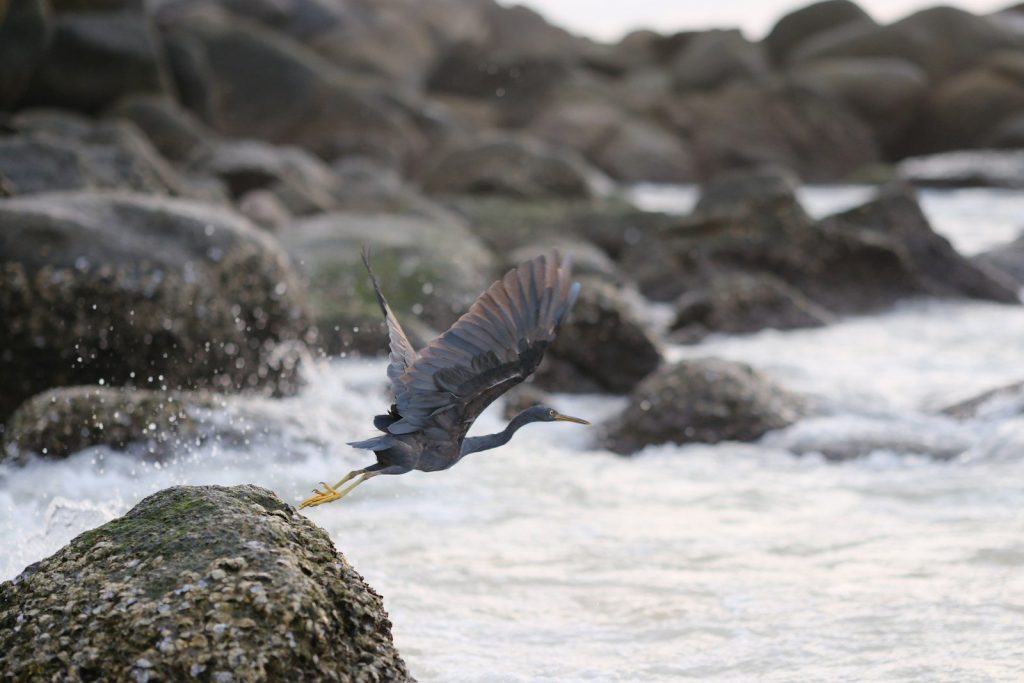
Even in a country with a long history of birdwatching, unexpected discoveries continue to occur. Rare visitors like the western reef heron demonstrate the remarkable unpredictability of wildlife movements.
For those who travelled to witness the historic sighting, the experience was about more than adding a species to a list. It served as a reminder that nature can still deliver extraordinary surprises when least expected.