
Arthritis is often associated with aging dogs, but it is also surprisingly common in cats. Because felines are experts at hiding discomfort, many owners fail to recognize the condition until it has progressed significantly. Understanding the subtle signs of arthritis can help ensure your cat receives the care and support needed to stay comfortable and active.
What Causes Arthritis in Cats?
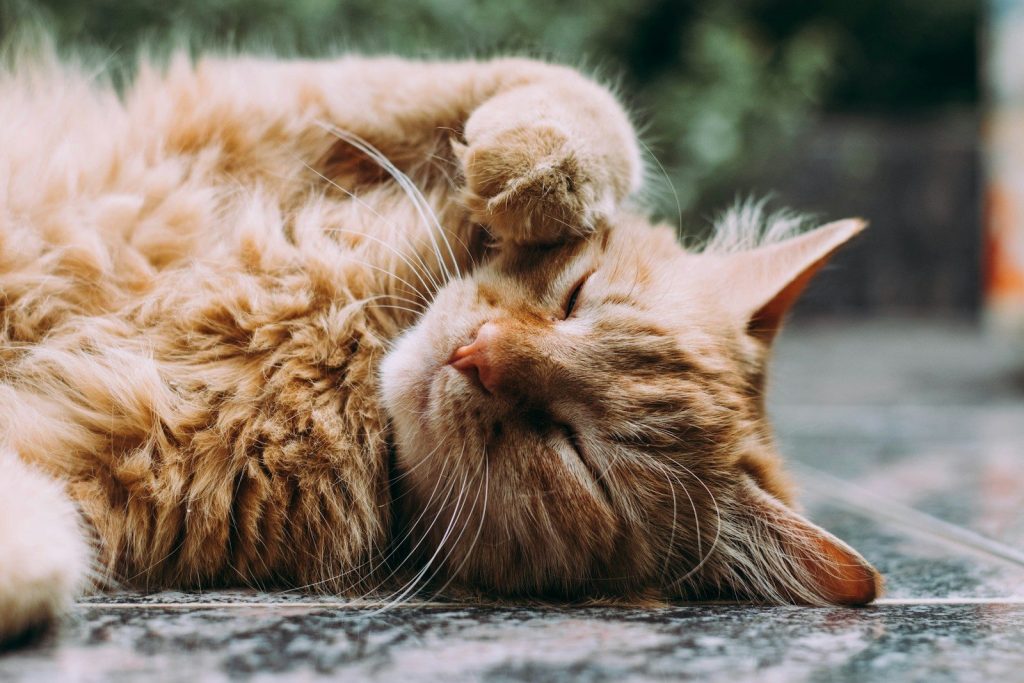
Arthritis occurs when the joints become inflamed, leading to pain, stiffness, and reduced mobility. While it is more common in older cats, younger cats can also develop arthritis due to injuries, joint abnormalities, or other underlying health conditions.
Over time, the cartilage that cushions the joints can wear down, making movement increasingly uncomfortable.
Changes in Mobility Are Often the First Clue
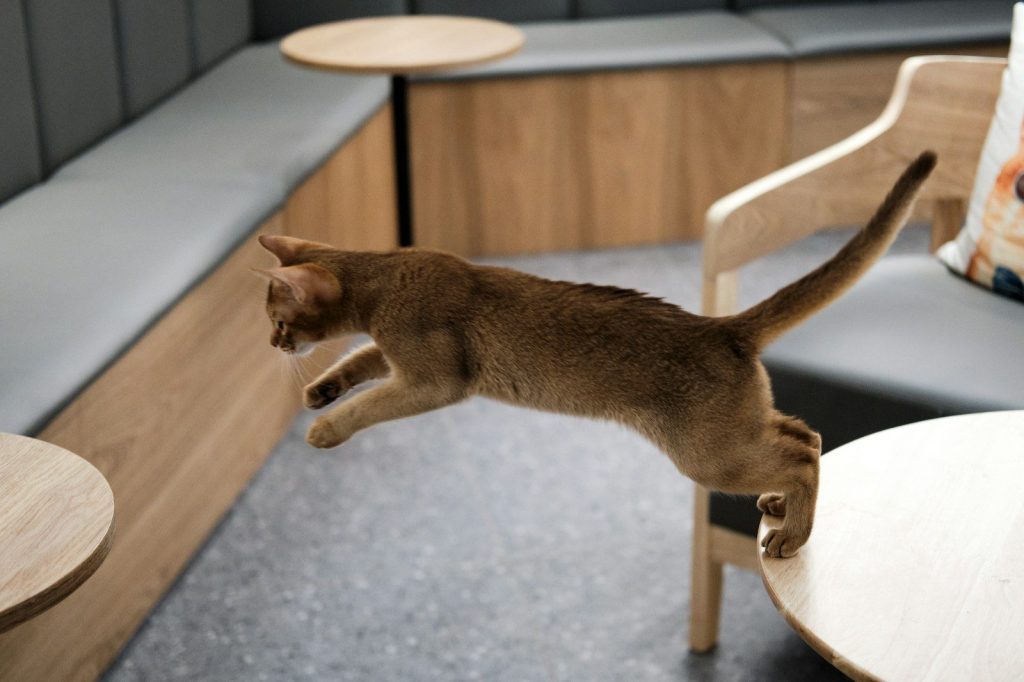
One of the earliest signs of arthritis is a change in how a cat moves. Cats that once jumped effortlessly onto furniture or windowsills may begin hesitating, taking shorter jumps, or avoiding high places altogether.
Some cats may also move more slowly, appear stiff after resting, or have difficulty climbing stairs.
Reduced Activity and Playfulness

A cat suffering from joint pain may become less active than usual. Activities that were once enjoyable, such as chasing toys or exploring the house, may suddenly seem less appealing.
Many owners mistakenly attribute this change to normal aging when it may actually be a sign of discomfort.
Grooming Habits May Change
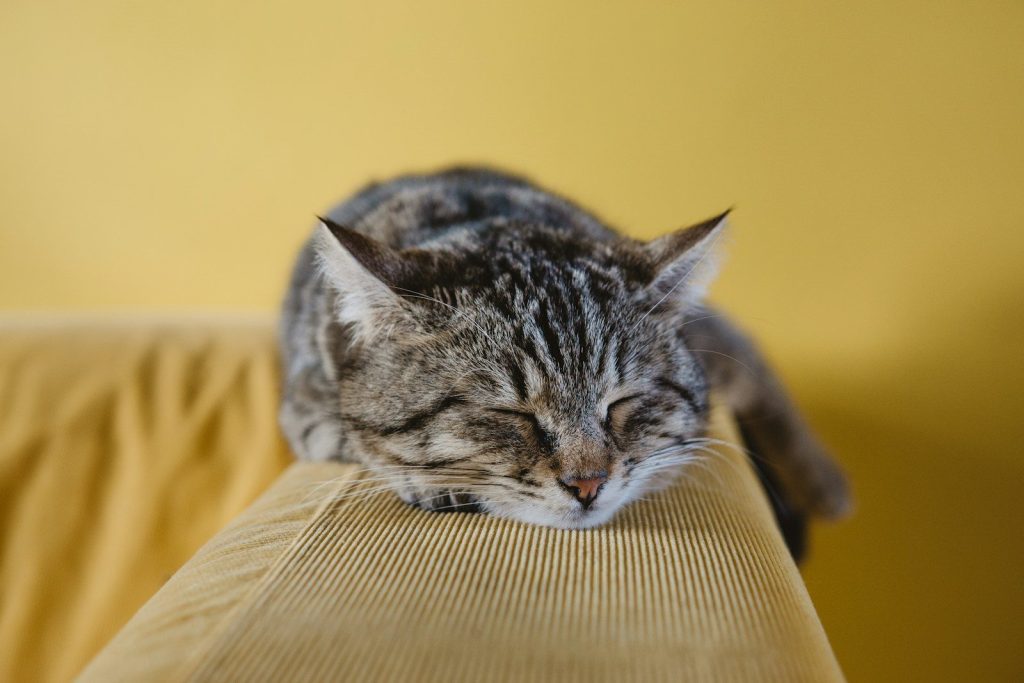
Cats with arthritis often struggle to reach certain parts of their body while grooming. As a result, their coat may appear unkempt, matted, or greasy in areas that are difficult to access.
In some cases, cats may overgroom painful joints, leading to thinning fur or irritated skin.
Behavioral Changes Can Signal Pain
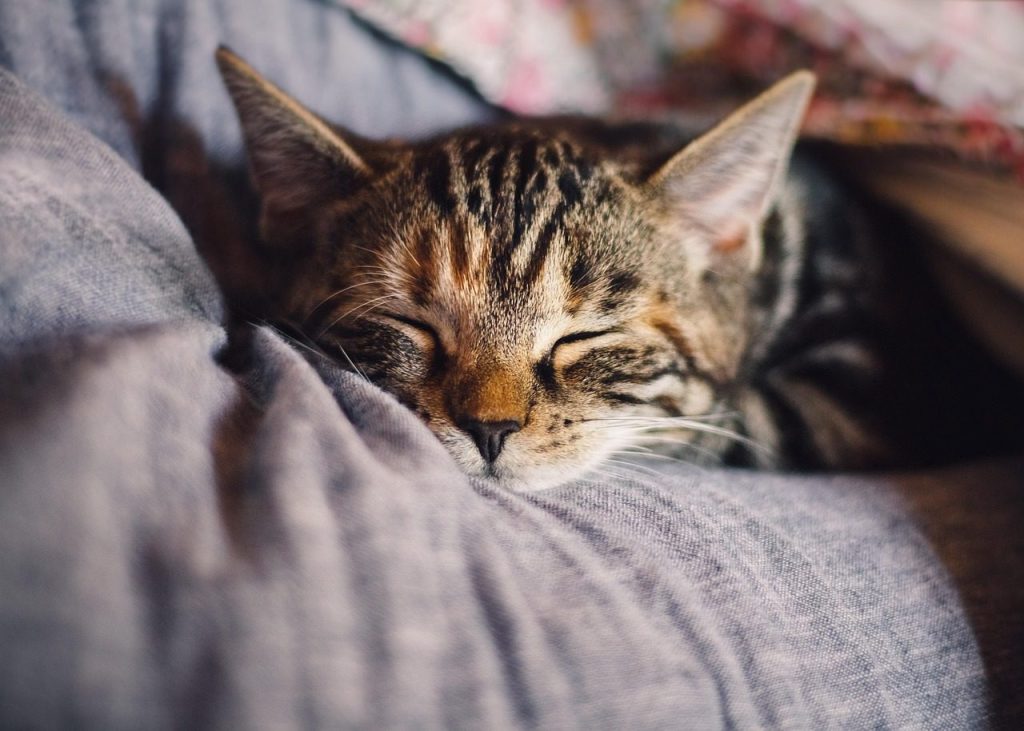
Pain can affect a cat’s mood and behavior. Some cats become more withdrawn and spend more time sleeping, while others may become irritable when touched or handled.
A normally social cat that suddenly prefers isolation could be experiencing discomfort.
Litter Box Difficulties May Develop
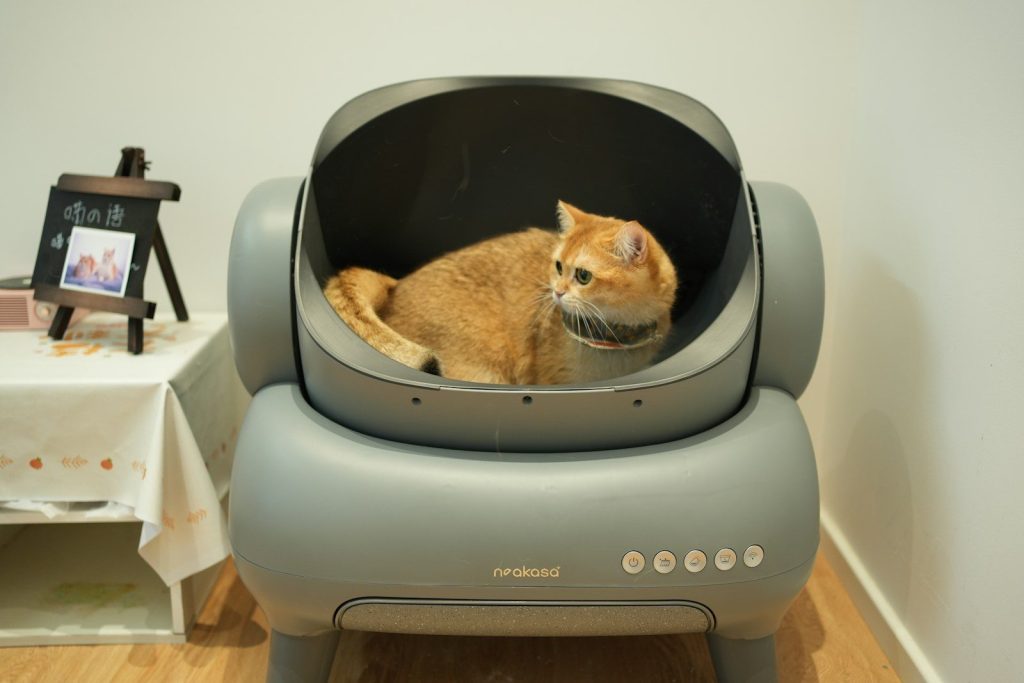
Arthritic cats sometimes have trouble climbing into high-sided litter boxes or squatting comfortably. This may lead to accidents outside the litter box, a problem that is often mistaken for a behavioral issue rather than a medical one.
Making the litter area easier to access can help reduce stress and discomfort.
How Veterinarians Diagnose Arthritis
Diagnosing arthritis usually involves a physical examination and a review of the cat’s medical history. Veterinarians may also recommend X-rays or other imaging tests to assess joint damage and confirm the diagnosis.
Early detection can make a significant difference in managing the condition.
Helping Cats Live Comfortably With Arthritis
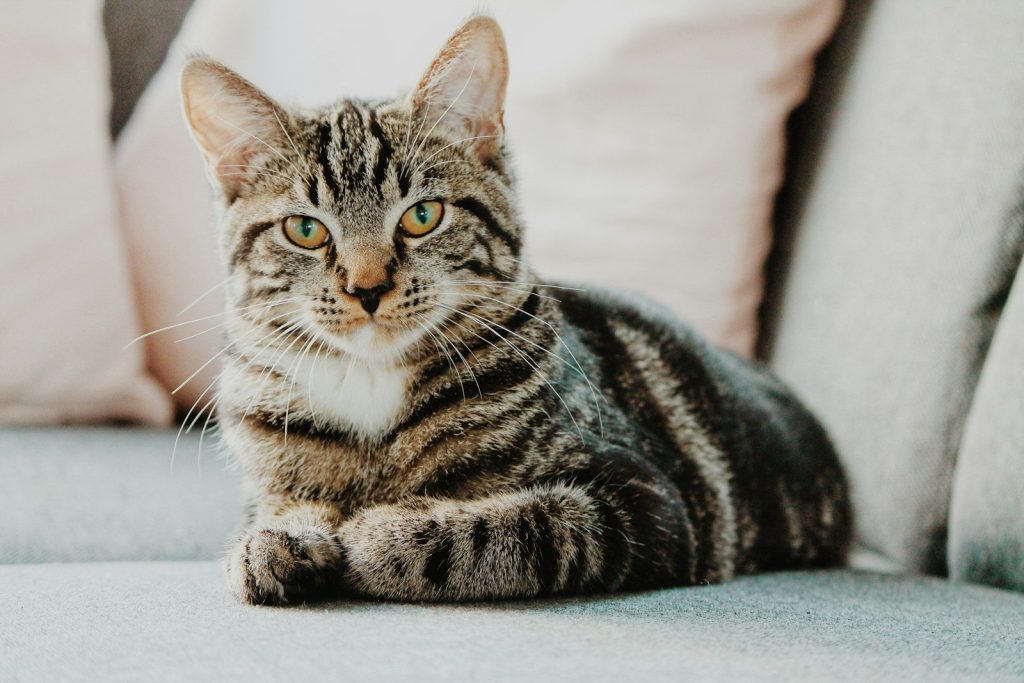
Although arthritis cannot be cured, it can often be managed successfully. Treatment may include weight management, joint supplements, pain-relief medications, physical therapy, and adjustments to the home environment.
Simple changes such as providing ramps, soft bedding, and easily accessible food and water stations can greatly improve a cat’s quality of life.