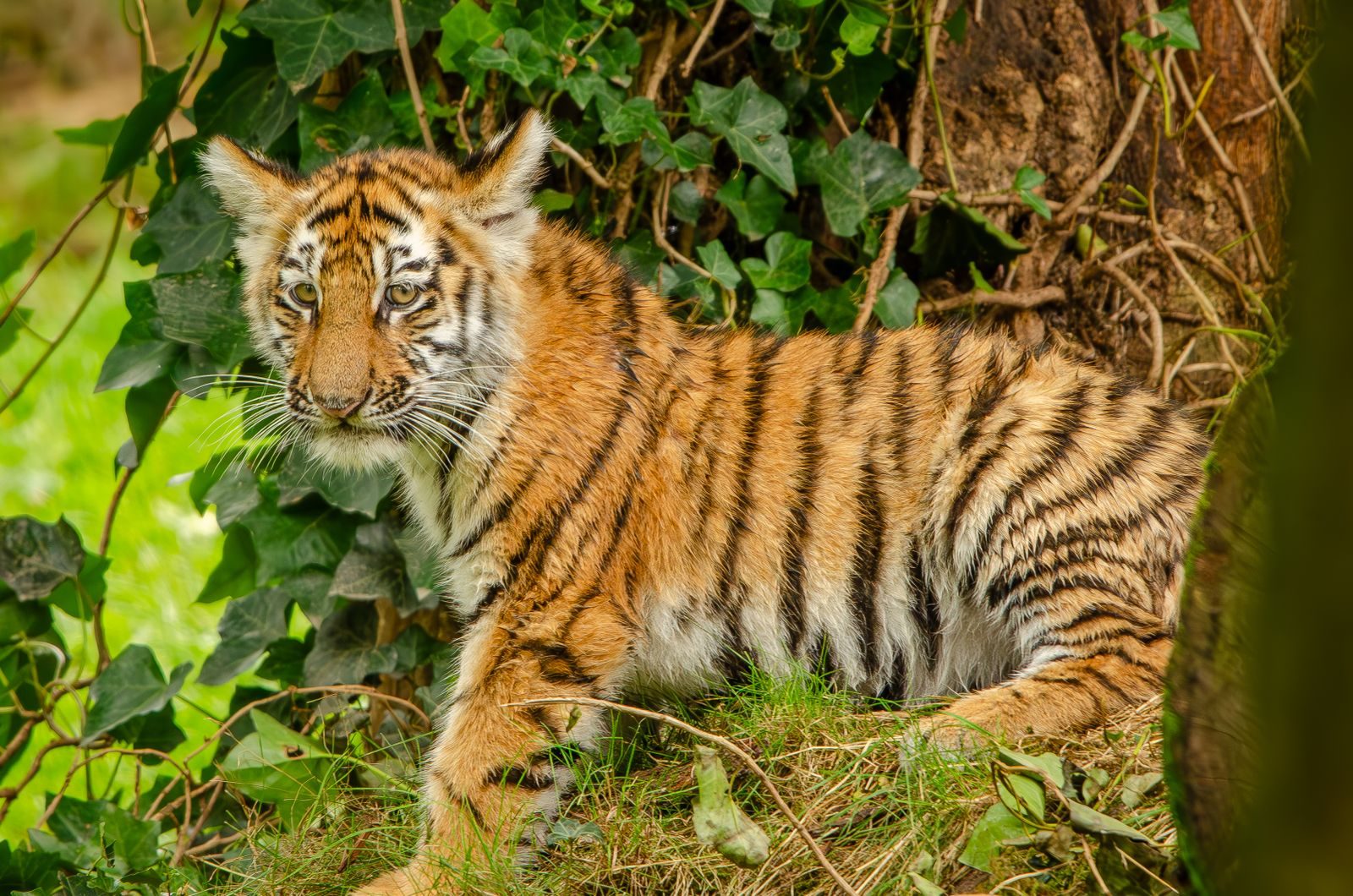
Tigers are among the most powerful and recognizable predators on Earth. Known for their strength, agility, and striking striped coats, these big cats have fascinated people for centuries. While their appearance and hunting abilities are well known, many people are surprised to learn that a tiger’s lifespan can vary significantly depending on where it lives and the challenges it faces.
The Average Lifespan of a Tiger
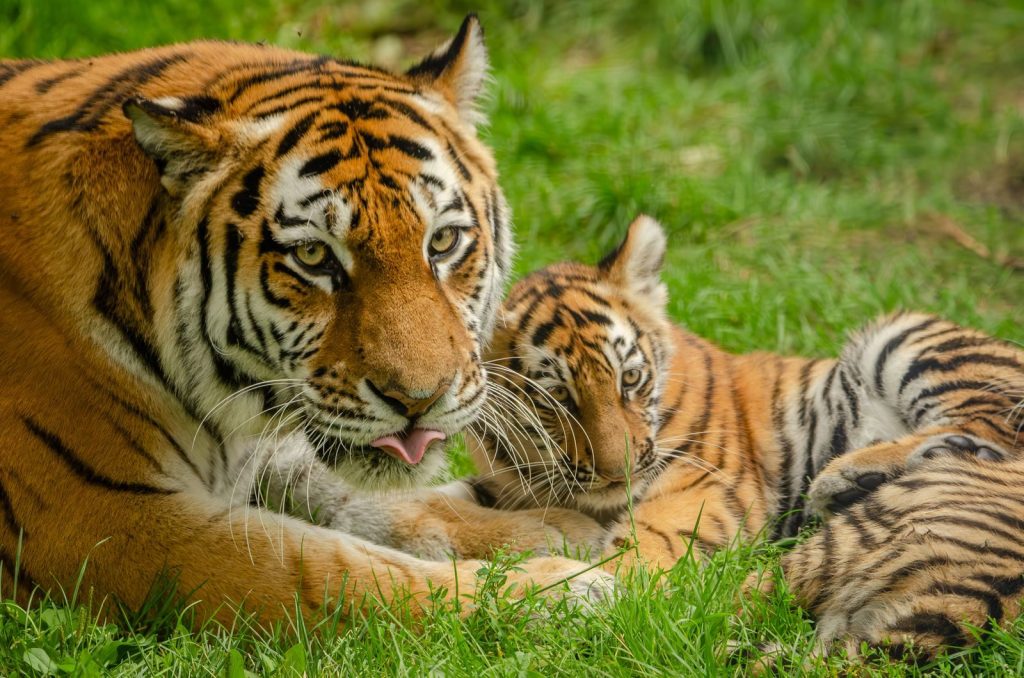
Most tigers live between 10 and 15 years in the wild. Their lifespan is influenced by factors such as food availability, competition, injuries, disease, and human-related threats. Although some individuals may live longer, surviving beyond the mid-teens in the wild is relatively uncommon.
Why Wild Tigers Face Shorter Lives
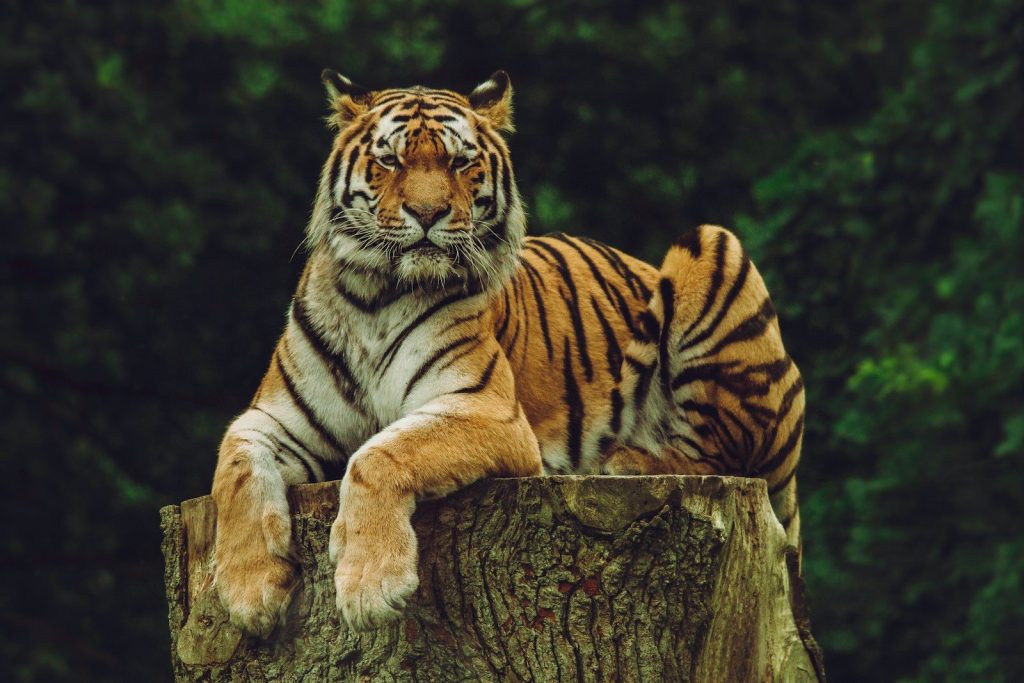
Life in the wild is demanding. Tigers must hunt regularly, defend territories, and avoid injuries from prey or rival tigers. Habitat loss, poaching, and conflicts with humans add further risks. These challenges often prevent wild tigers from reaching the maximum age their species is capable of achieving.
Tigers Often Live Longer in Captivity
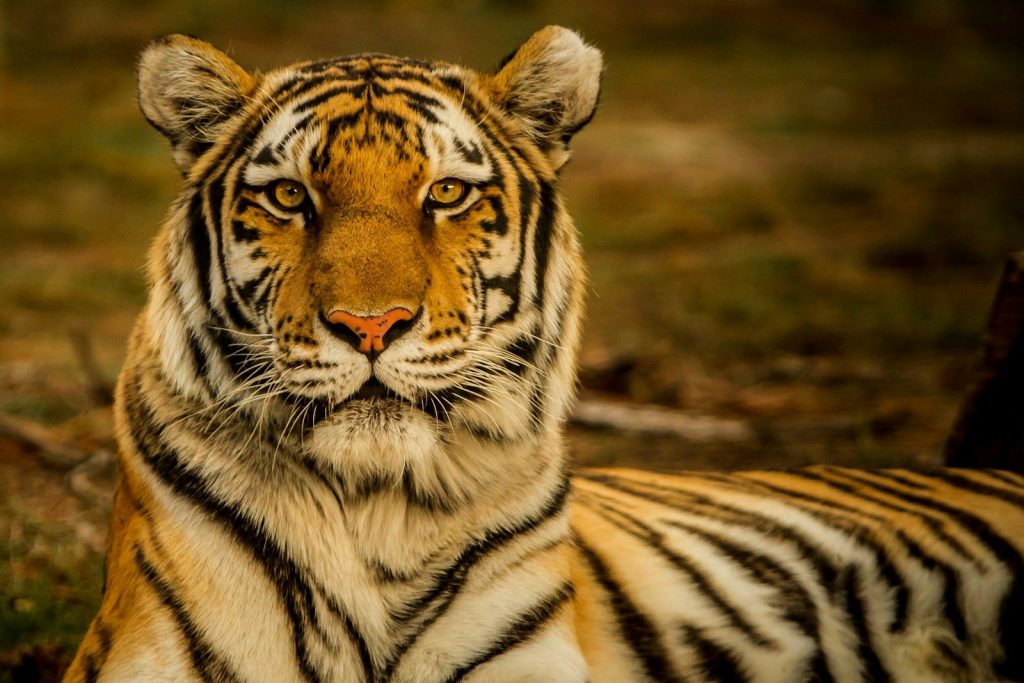
In zoos and wildlife sanctuaries, tigers typically enjoy longer lifespans because they receive consistent food, veterinary care, and protection from many natural threats. It is not unusual for captive tigers to live into their late teens or early twenties.
The Oldest Tigers on Record
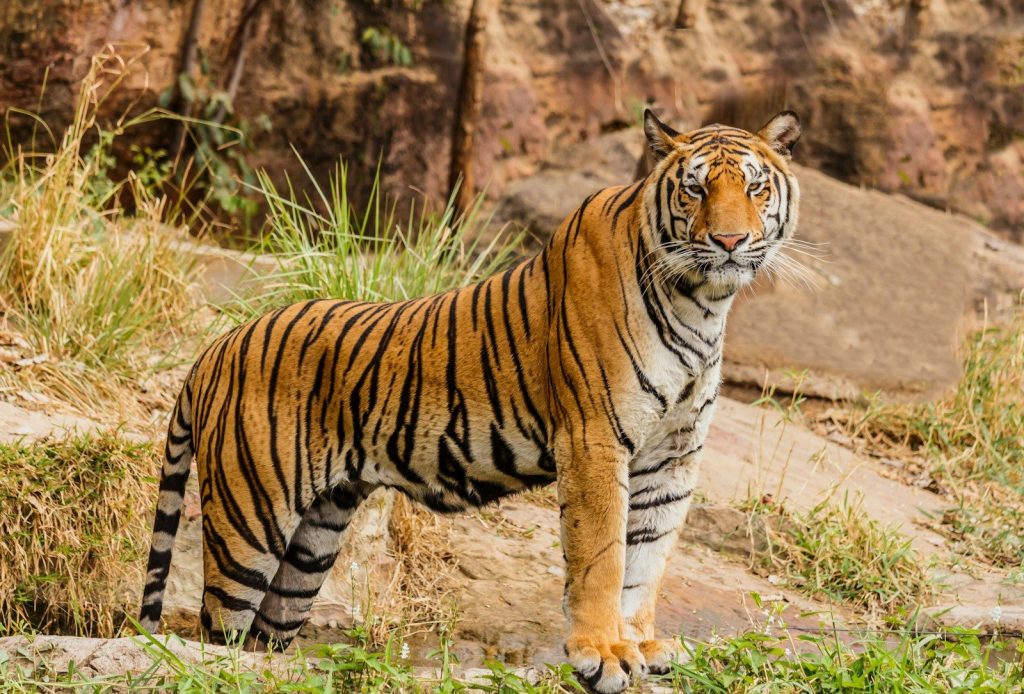
Some captive tigers have surpassed 20 years of age, with a few exceptional individuals living even longer. These rare cases demonstrate the species’ potential lifespan when health care and nutrition are optimized throughout life.
Factors That Influence a Tiger’s Longevity
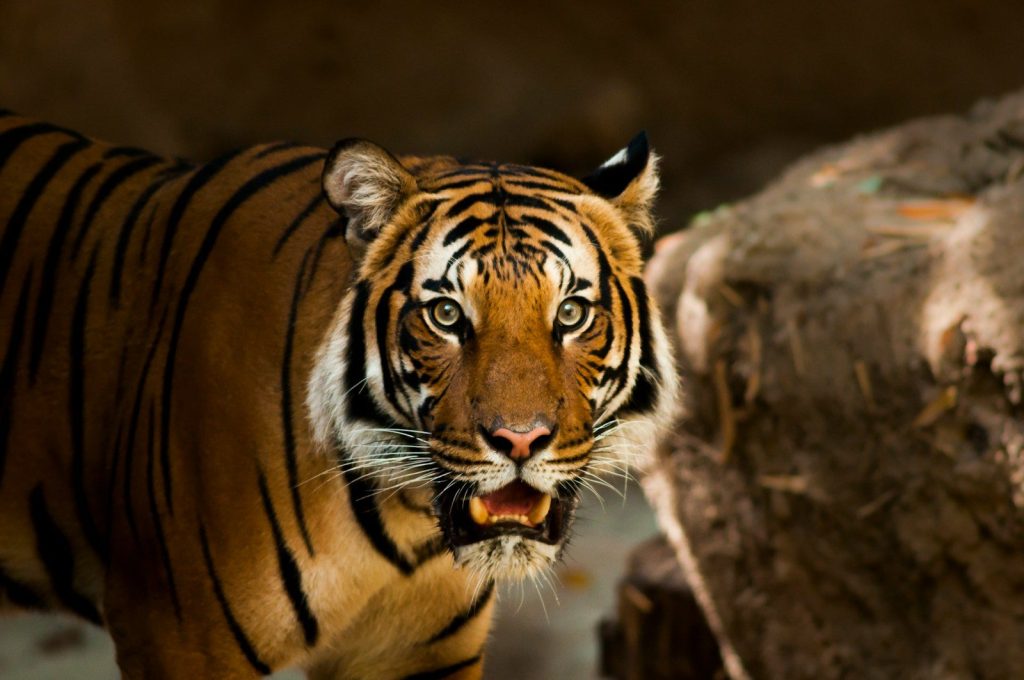
Several factors affect how long a tiger lives, including genetics, diet, habitat quality, and access to medical care. Injuries, illnesses, and environmental stress can shorten lifespan, while healthy living conditions can significantly improve survival.
Conservation Plays a Key Role
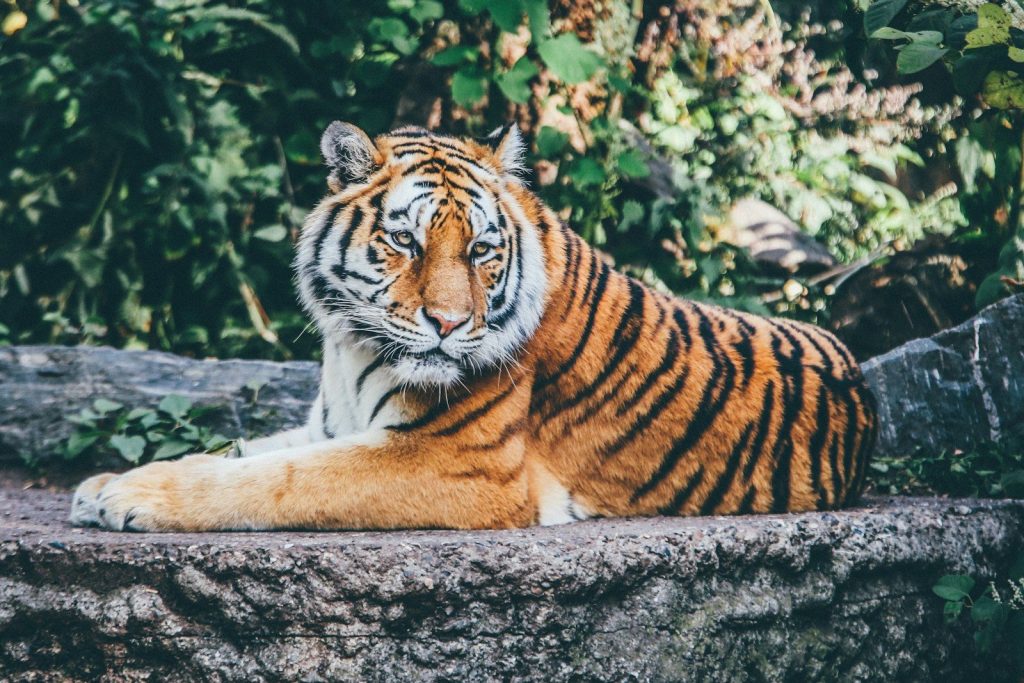
Protecting tiger populations is about more than increasing numbers. Conservation efforts that reduce poaching, preserve habitats, and minimize human-wildlife conflict help tigers live longer and reproduce successfully. Healthy ecosystems give these big cats the best chance to reach their natural lifespan.