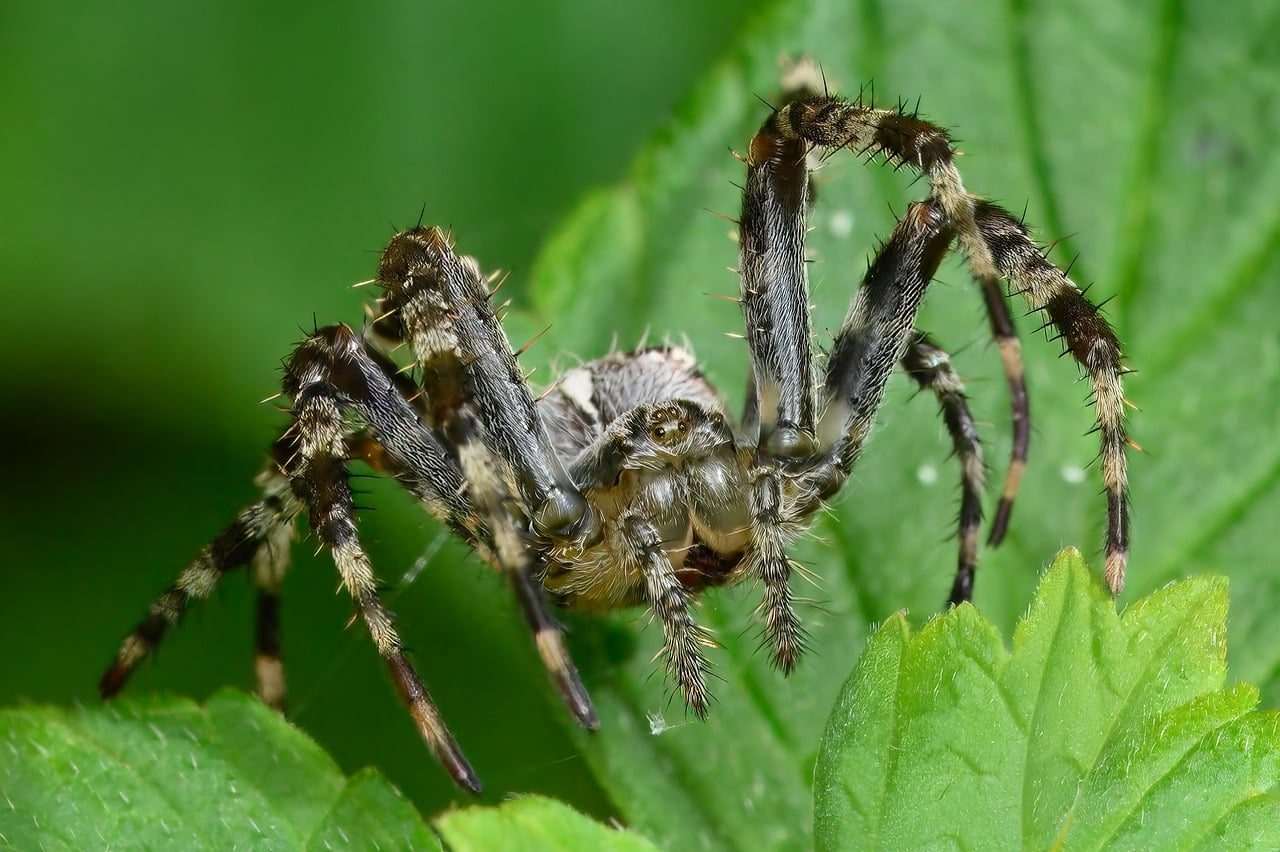
At first glance, garden spiders look like ordinary backyard residents quietly building webs between plants and fences. But a closer look reveals something unusual about some of these spiders: spiky, armored bodies that make them look almost prehistoric.
While they may appear intimidating, these spikes are not random. They are the result of millions of years of evolution shaped by survival, defense, and environmental adaptation.
Not Armor, But Survival Strategy
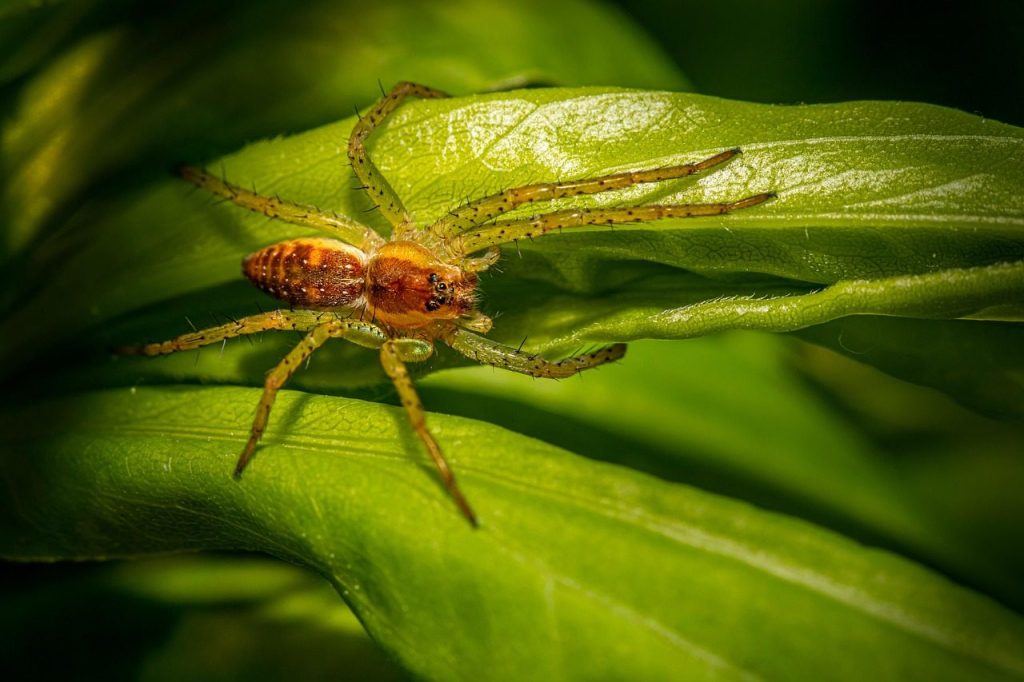
The spiky appearance of certain garden spiders is not designed for offense. Instead, it is a defensive adaptation that helps them survive in a world full of predators.
Birds, wasps, and larger insects often hunt spiders. In this constant threat, anything that makes a spider harder to eat can increase its chances of survival. The spikes break up the spider’s outline, making it less recognizable as prey.
In simple terms, the unusual body shape helps the spider blend into its surroundings and avoid being easily targeted.
A Form of Natural Camouflage
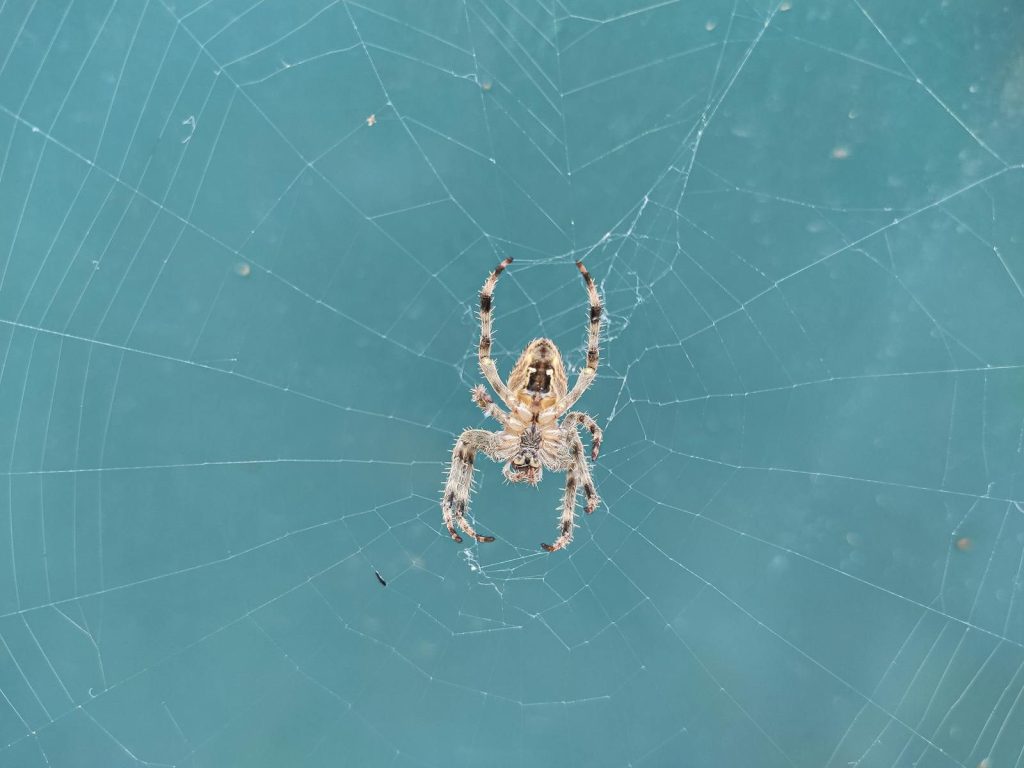
Beyond defense, the spiky texture also plays a role in camouflage. Many garden spiders rest in exposed areas such as webs between branches, leaves, and tall grass. In these environments, sharp body structures help them resemble thorns, seed pods, or plant debris.
This visual disguise makes it harder for predators to detect them, especially when they remain completely still in their webs.
In nature, looking like part of the environment can be just as important as speed or strength.
Evolution Shapes Strange Designs
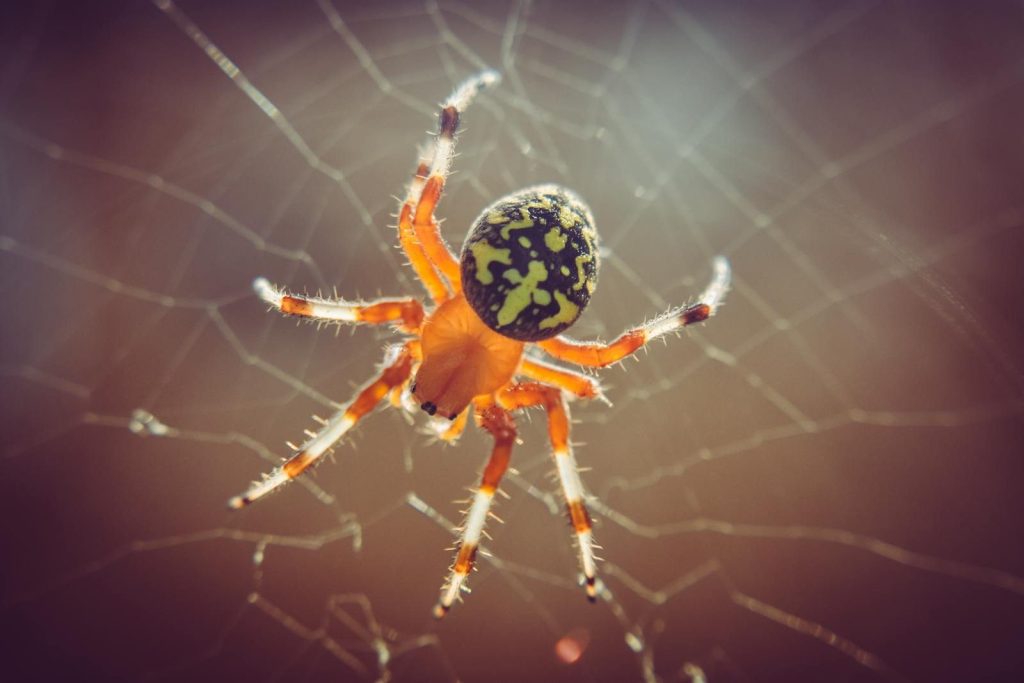
Spider bodies come in an incredible variety of shapes, and the spiky appearance is just one example of how evolution can produce unexpected designs.
Over time, spiders that were slightly better at avoiding predators were more likely to survive and reproduce. Even small advantages, such as a body shape that made them harder to spot or harder to swallow, were passed down through generations.
Eventually, these traits became more pronounced, leading to the distinctive spiky forms seen in some species today.
Not Dangerous to Humans
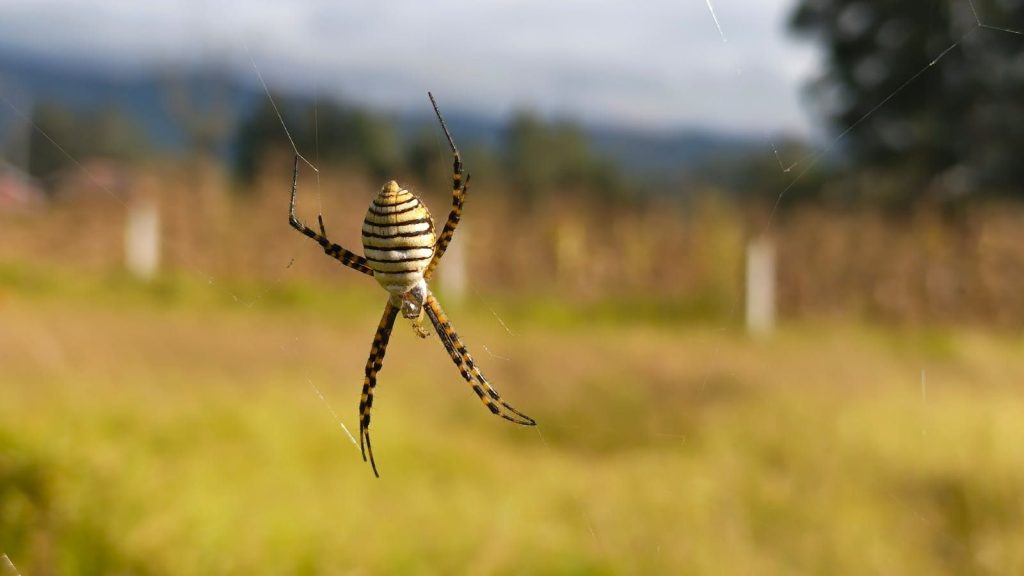
Despite their unusual appearance, garden spiders with spiky bodies are not a threat to people. They are generally shy, non-aggressive, and focused entirely on catching small insects in their webs.
Their venom is designed for tiny prey like flies and moths, not humans, and bites are extremely rare.
In most cases, these spiders actually benefit gardens by helping control pest populations naturally.
A Reminder of Nature’s Creativity
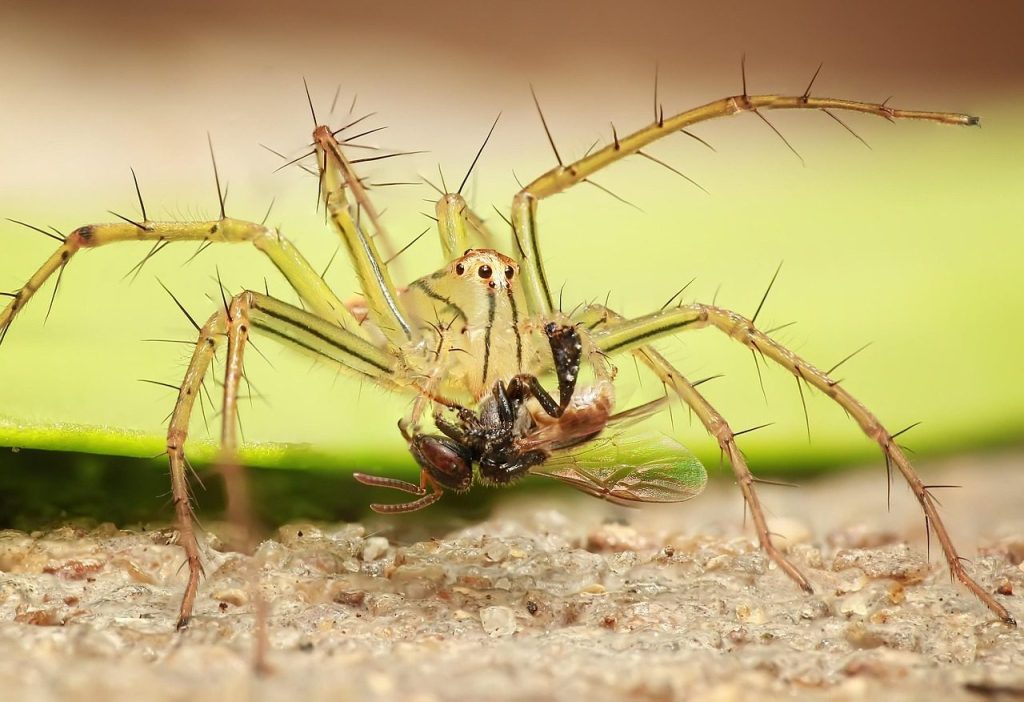
The spiky garden spider is a reminder that evolution does not always produce smooth or simple designs. Instead, it creates solutions shaped by survival pressure, often resulting in strange and unexpected forms.
What looks like armor or decoration is actually a finely tuned adaptation shaped by predators, environment, and time.
So the next time you see a spiky spider in your garden, it is not a monster or mystery, but a small example of how nature constantly experiments with survival.