For centuries, Japan’s riverbanks were said to be haunted by the mysterious kawauso, a shape-shifting river otter from folklore. Travelers told stories of these creatures disguising themselves as monks, children, or beautiful women, stealing sake and vanishing into the water before anyone could catch them.
Today, those legends remain vivid in anime and storytelling. But behind the myths was a real animal that once thrived across Japan’s waterways, until it quietly disappeared from the world forever.
From Folklore to Real Wildlife
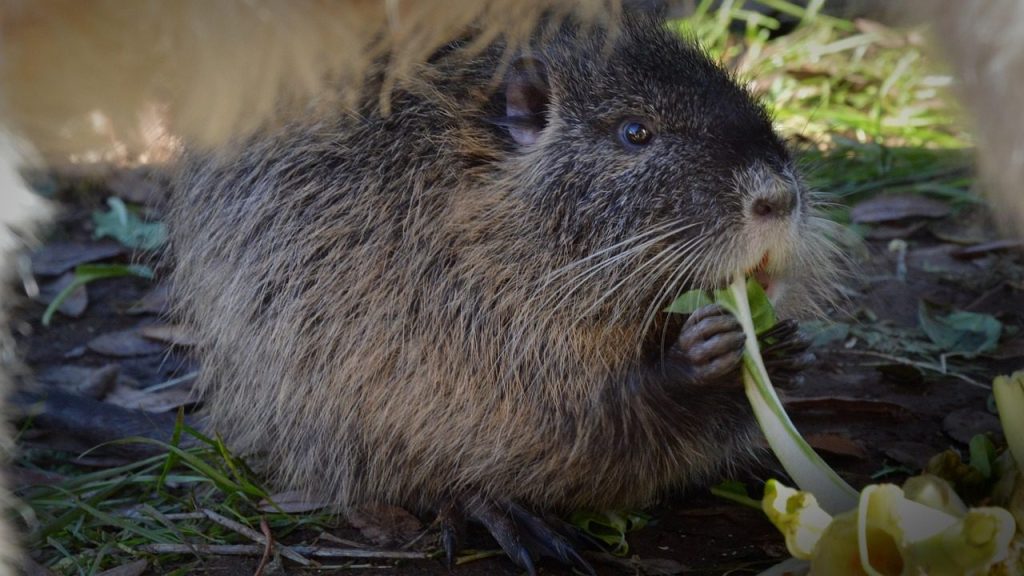
The Japanese river otter was once common across rivers, wetlands, and coastal waters throughout the country. Far from the supernatural beings of legend, these animals were sleek aquatic mammals perfectly adapted for life in fast-moving streams.
They had webbed feet, thick waterproof fur, and strong tails that helped them swim with speed and precision. Adults typically measured around 25 to 31 inches in body length, with long tails adding even more to their streamlined form.
As top predators in freshwater ecosystems, they played an important role in maintaining balance by controlling populations of fish, crustaceans, and insects.
A Constantly Hungry River Hunter
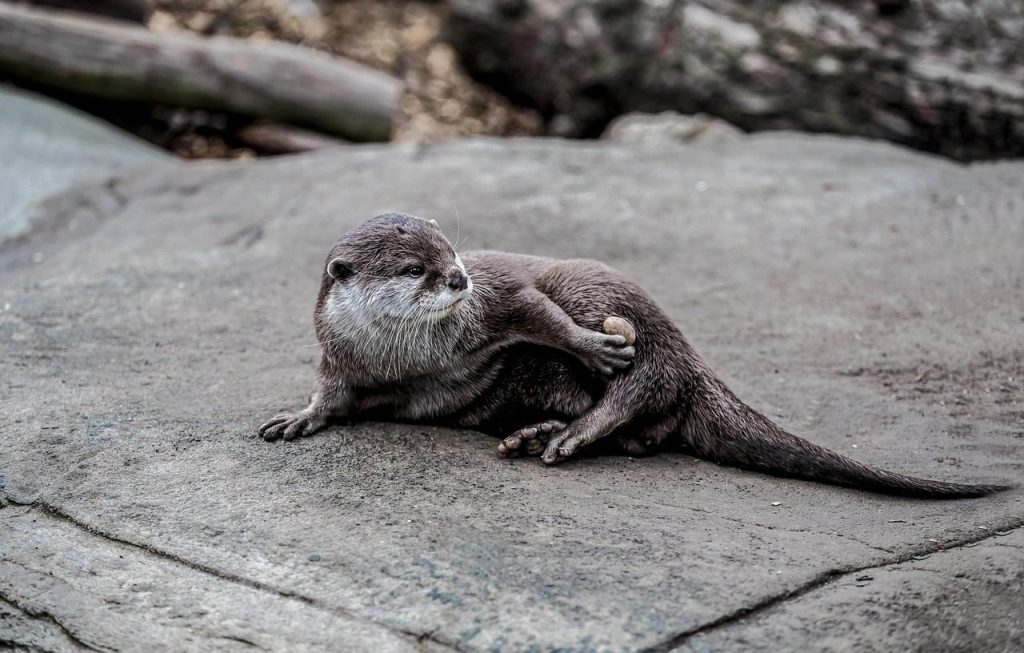
Japanese river otters were highly active and energetic animals. They needed to eat a large portion of their body weight every day to survive.
Their diet included shrimp, crabs, eels, fish, and aquatic insects. Occasionally, they would even venture onto land to forage for food such as sweet potatoes or watermelons.
This constant need for food kept them closely tied to healthy river systems, making them highly sensitive to environmental change.
How a Common Species Began to Disappear

For much of the 1800s, Japanese river otters were still widespread and even seen in busy waterways near urban areas. Some historical accounts suggest they once numbered in the millions.
But by the early 20th century, their population began to collapse at an alarming rate.
The primary cause was intense hunting for their valuable fur, which became highly sought after both domestically and internationally. Government backed hunting programs and commercial demand further accelerated their decline.
In addition, otters were also hunted for use in traditional medicine during disease outbreaks, which added further pressure on already shrinking populations.
Pollution and Habitat Loss Finished the Job
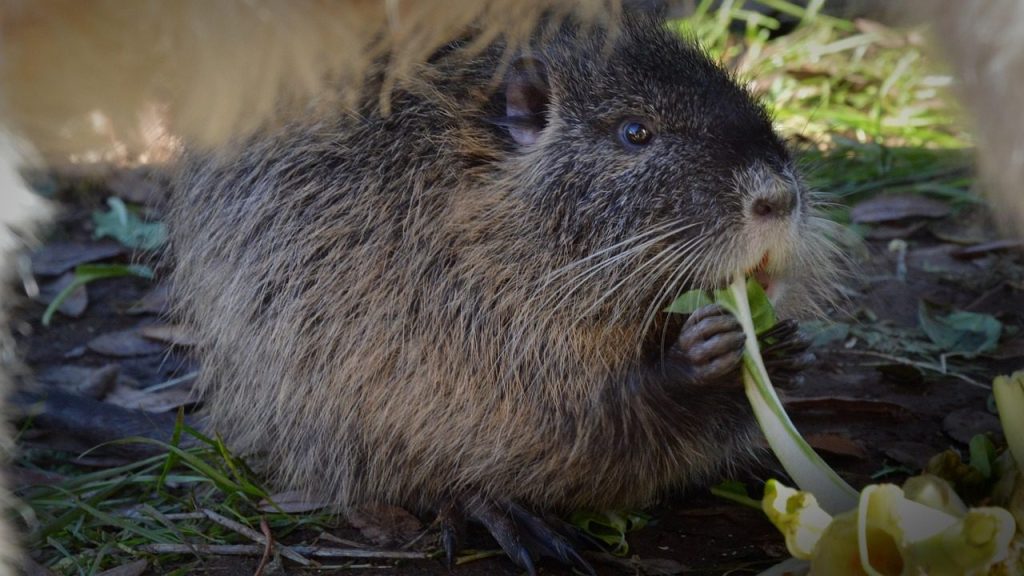
After World War II, Japan’s rapid industrial growth transformed many natural rivers into heavily polluted waterways.
Factories, urban expansion, and waste discharge degraded water quality and destroyed fish populations, cutting off the otters’ food supply.
With shrinking habitat, declining prey, and continued human pressure, the species had no path to recovery.
The Final Confirmed Sighting
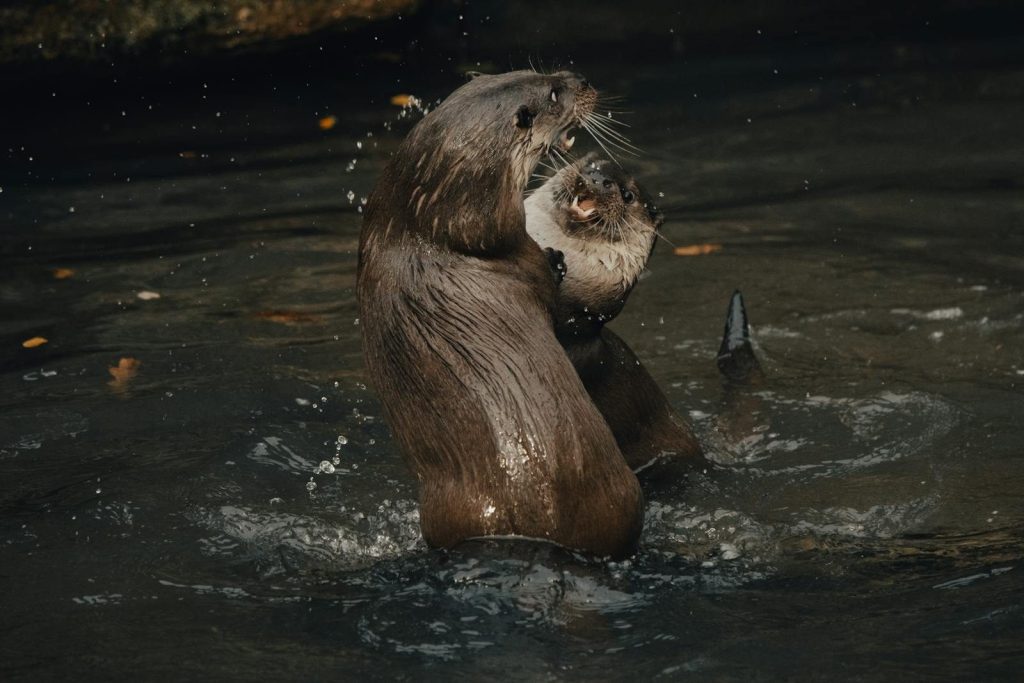
The last confirmed wild Japanese river otter was photographed in 1979 near the Shinjo River in Kōchi Prefecture.
After that, decades passed without any verified sightings.
In 2012, Japan’s Ministry of the Environment officially declared the species extinct after more than thirty years of unsuccessful searches.
Years of Searching and Uncertain Clues
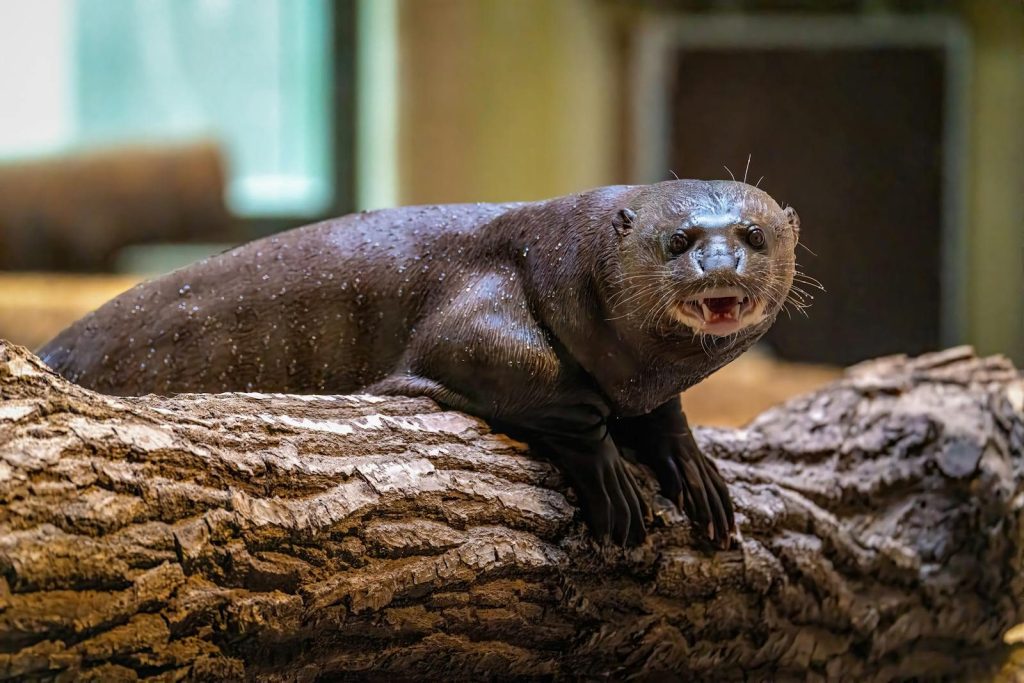
Even after the extinction declaration, researchers continued searching in hopes that small populations might still survive in remote areas.
Occasional reports of tracks, scat, or possible sightings kept hope alive, especially in parts of Kōchi and Ehime Prefectures.
Camera traps and field surveys were deployed, but no confirmed images of the native Japanese river otter were ever recorded again.
Some later evidence was traced back to Eurasian otters, not the extinct Japanese species.