Mountain lions, also known as cougars or pumas, are powerful apex predators across much of the Americas. Despite their strength, agility, and stealth, they are not invincible and can be challenged by certain larger or more dominant animals in rare confrontations.
At the same time, many creatures in the wild actively avoid conflict with mountain lions altogether. These differences highlight how survival in nature depends heavily on size, strategy, and risk avoidance.
Bears Can Overpower Mountain Lions In Direct Encounters
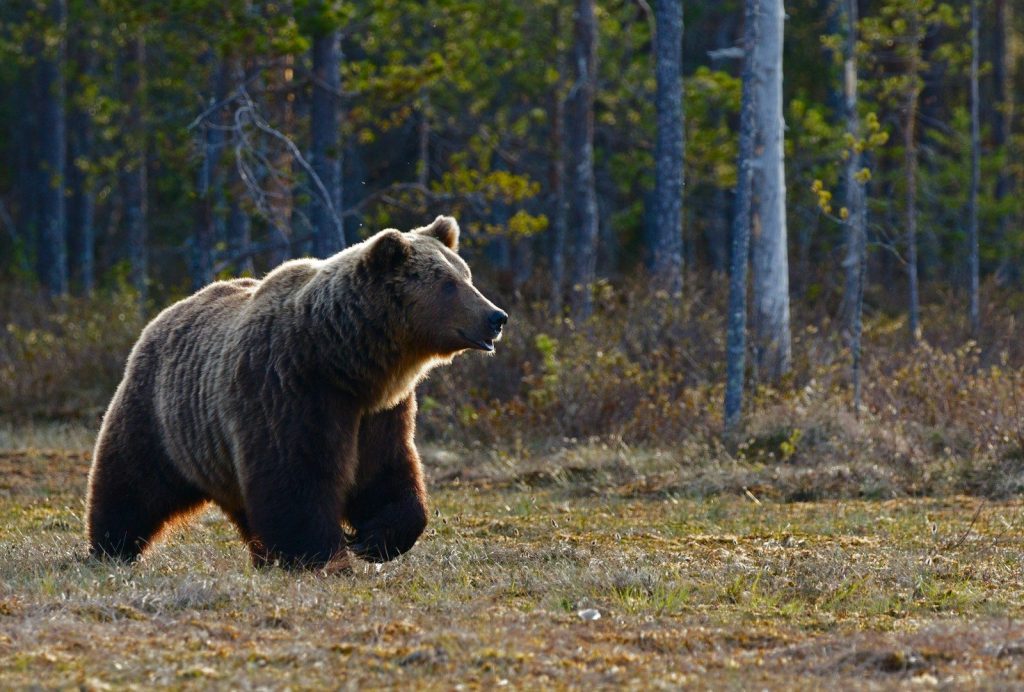
Large bear species such as grizzly bears are significantly heavier and stronger than mountain lions. In a direct confrontation, their size advantage often gives them dominance.
Mountain lions typically avoid adult bears whenever possible. The risk of injury is too high even for a skilled ambush predator.
Wolves Use Pack Strength To Gain An Advantage
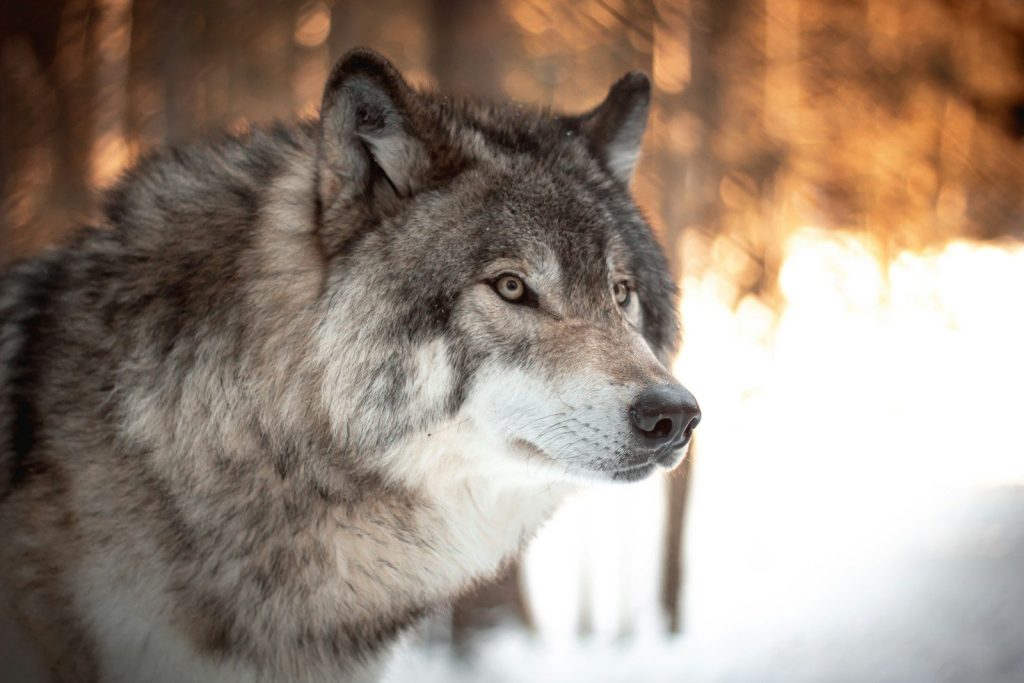
Wolves rely on coordinated group hunting, which can overwhelm a solitary mountain lion. While a single wolf may be at a disadvantage, a pack creates a serious threat.
Mountain lions are highly solitary animals and generally avoid encounters with multiple wolves. Cooperation gives wolves a strategic edge in certain scenarios.
American Alligators Can Dominate Near Water
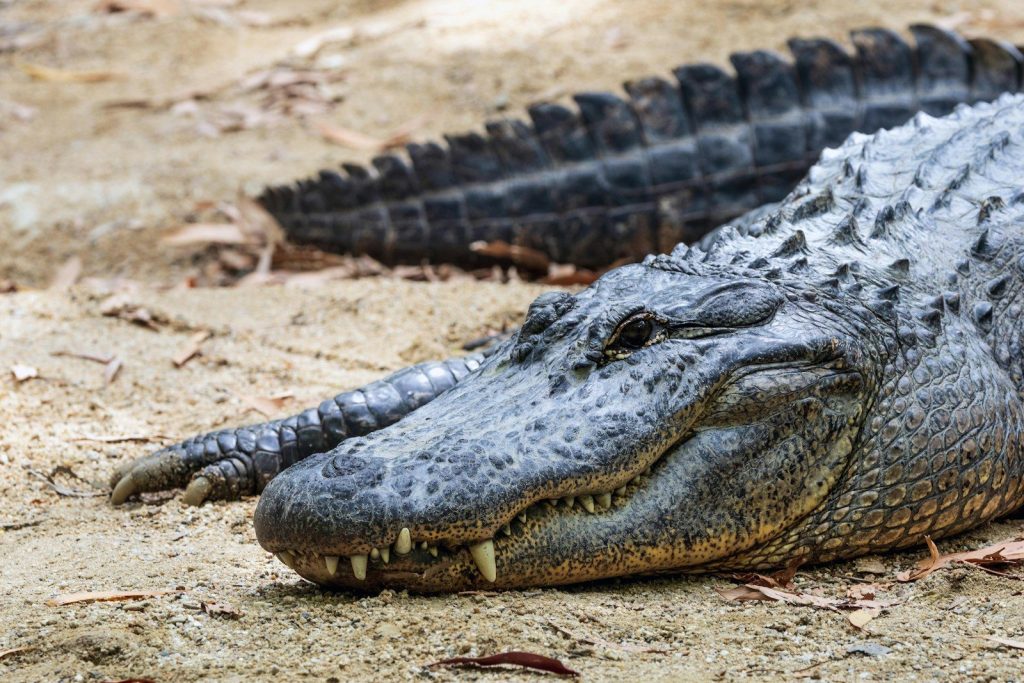
In regions where their habitats overlap, American alligators can pose a lethal threat to mountain lions. Their powerful bite and aquatic advantage make them dangerous opponents near rivers and wetlands.
Mountain lions tend to avoid deep water where alligators are present. Each species dominates its own environment.
Large Elk Or Moose Can Defend Themselves Strongly
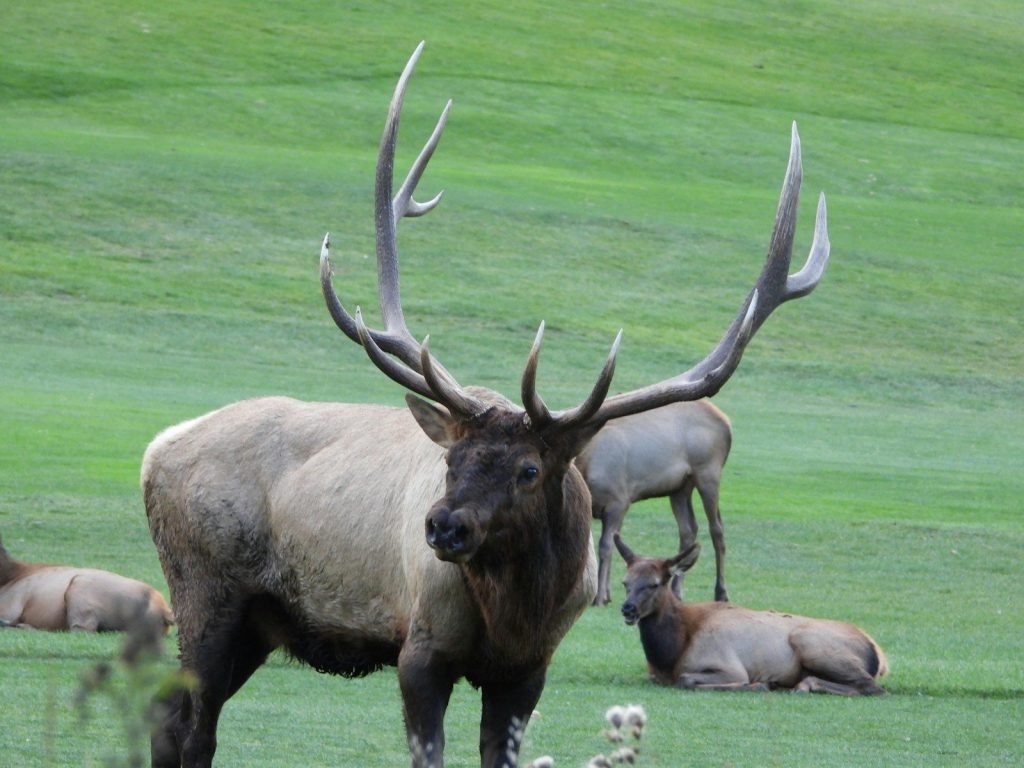
Massive hoofed animals such as moose and elk can seriously injure or even kill a mountain lion if they fight back. Their size and defensive kicks are powerful deterrents.
Mountain lions typically target weaker or younger individuals when hunting. They avoid healthy adults that pose a high risk of injury.
Humans Represent The Greatest Variable Threat

Humans are not natural prey for mountain lions, but they represent one of the most dangerous threats due to weapons and habitat control. Encounters are rare but carefully monitored in regions where populations overlap.
Wildlife authorities often advise caution in mountain lion territory. Prevention and awareness are key to reducing conflict.
Smaller Predators And Animals Avoid Direct Confrontation
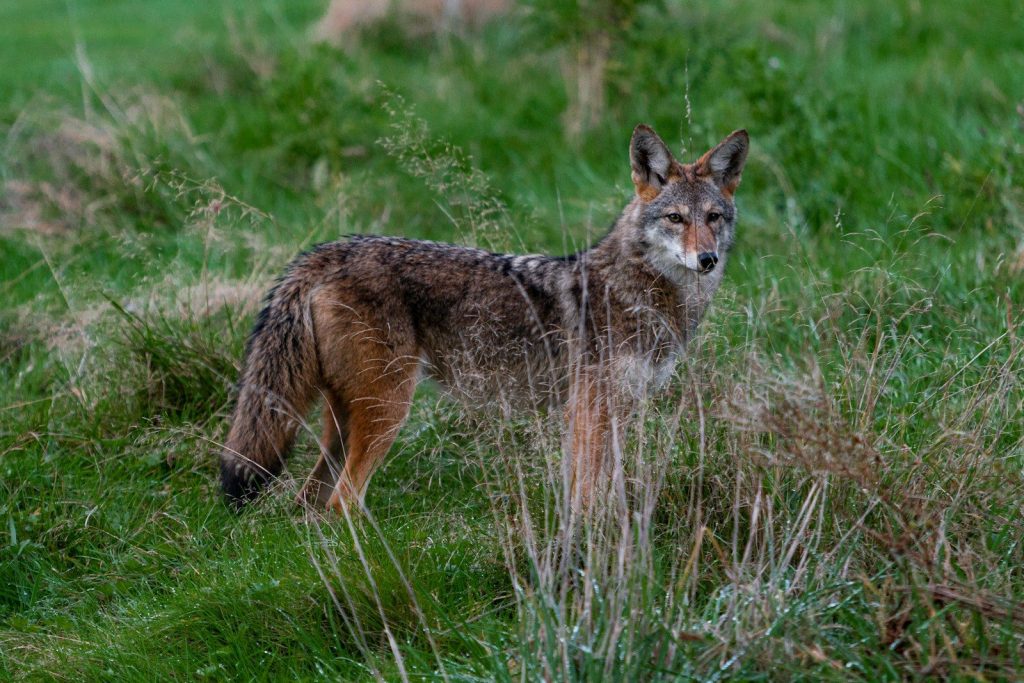
Animals such as foxes and coyotes usually avoid mountain lions rather than engage them. The risk of injury outweighs any potential benefit from confrontation.
These species rely on speed, stealth, or avoidance to survive. Direct fights are typically not part of their survival strategy.