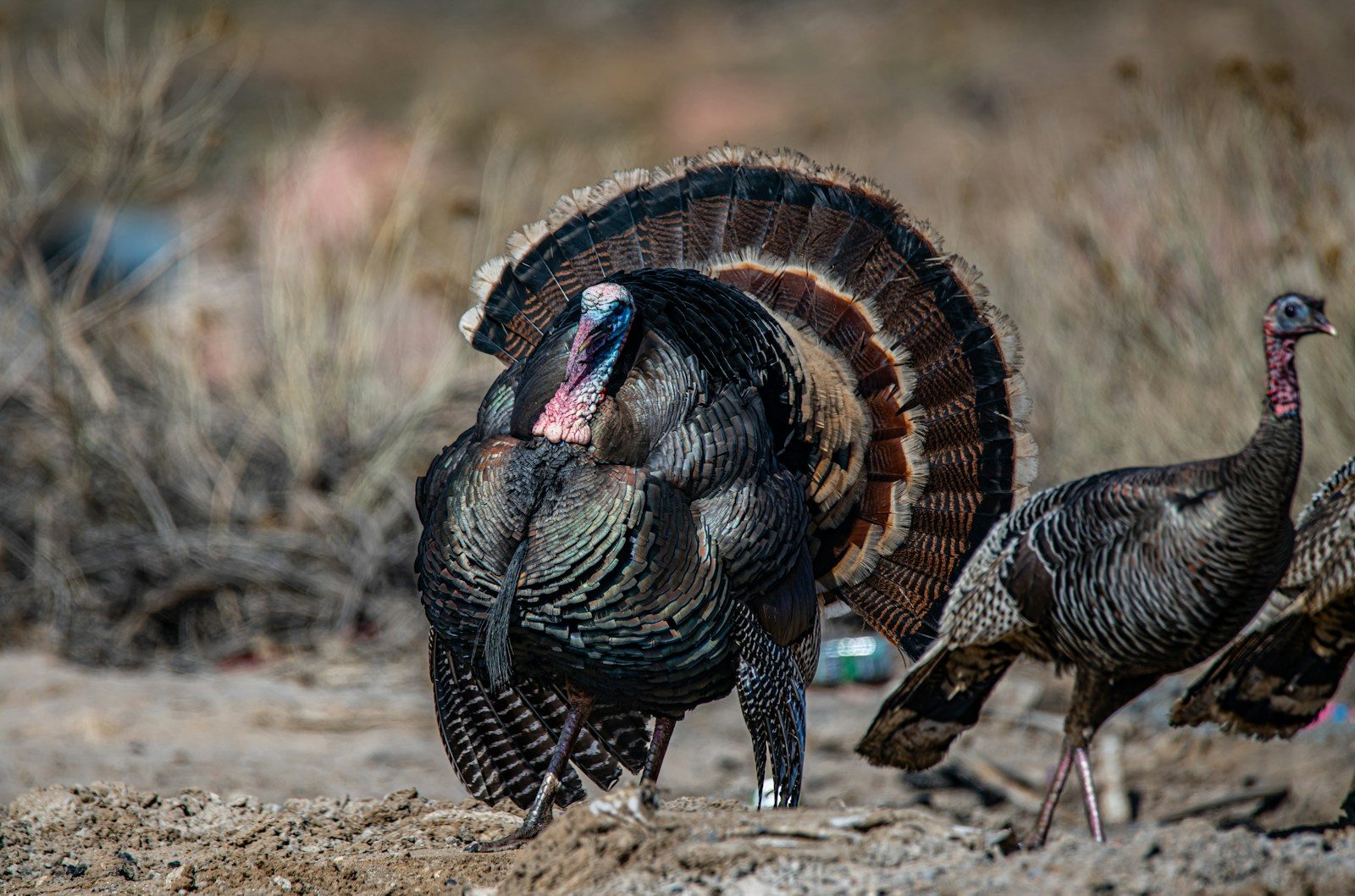
Wild turkeys have become an increasingly common sight across neighborhoods in the San Francisco Bay Area, where they roam through streets, parks, and suburban yards with little fear of humans. Their growing presence has left many residents wondering how these large birds became so widespread in heavily populated communities.
Although they now seem like a natural part of the landscape, wild turkeys were not always common in the region. Wildlife experts say their return is linked to conservation efforts, relocation programs, and changing environmental conditions that helped populations recover over time.
Wild Turkeys Were Once Rare In California
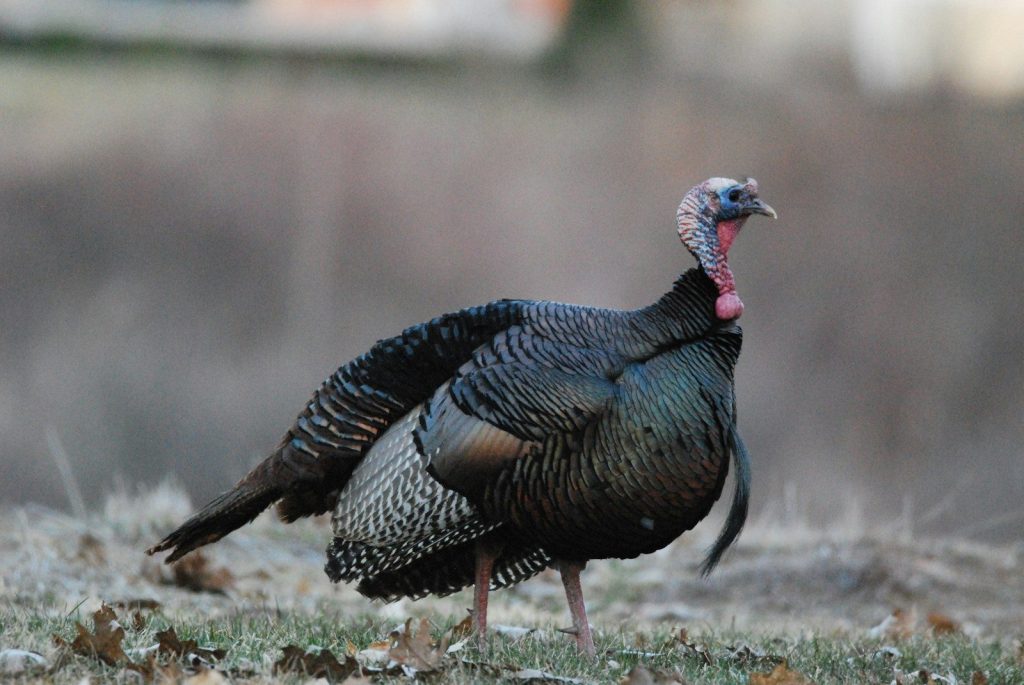
At one point, wild turkey populations in California were extremely limited due to hunting and habitat loss. Large scale declines reduced their numbers across many parts of the state during the nineteenth and early twentieth centuries.
Conservation programs later introduced turkeys into suitable habitats to help rebuild populations. Over time, these birds adapted successfully and expanded into suburban and urban environments.
Relocation Programs Helped Rebuild Populations
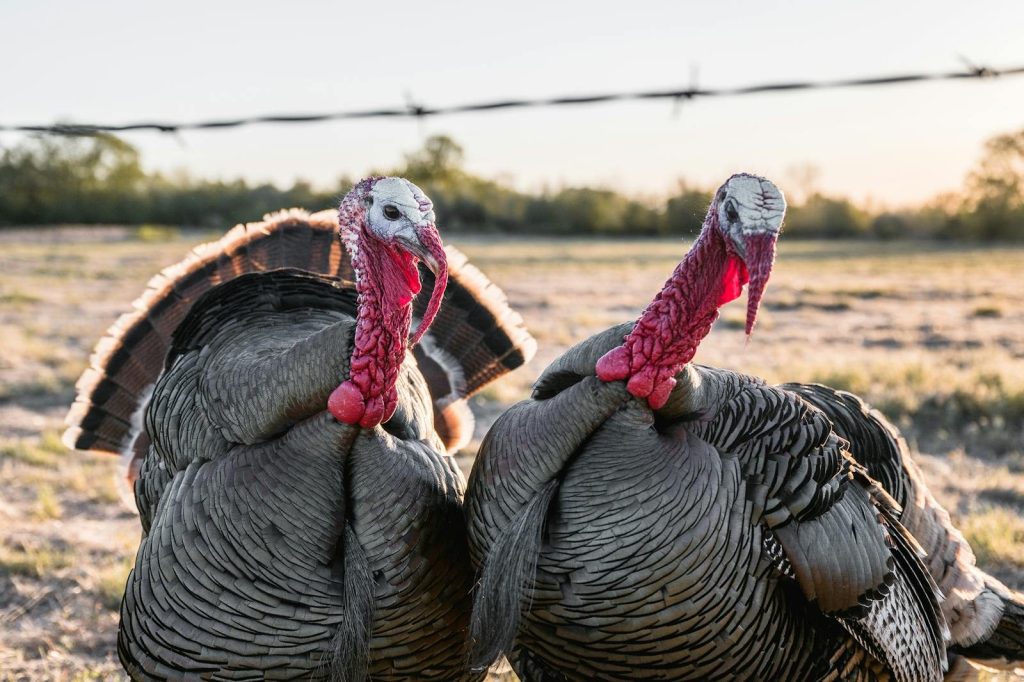
Wildlife agencies transported turkeys from other regions of the United States into California as part of restoration efforts. These introductions gave the species an opportunity to establish breeding populations in areas with favorable conditions.
The strategy proved highly successful as turkey numbers gradually increased across the state. Many of the birds now seen in Bay Area suburbs are believed to descend from those relocated populations.
Suburban Areas Provide Ideal Conditions
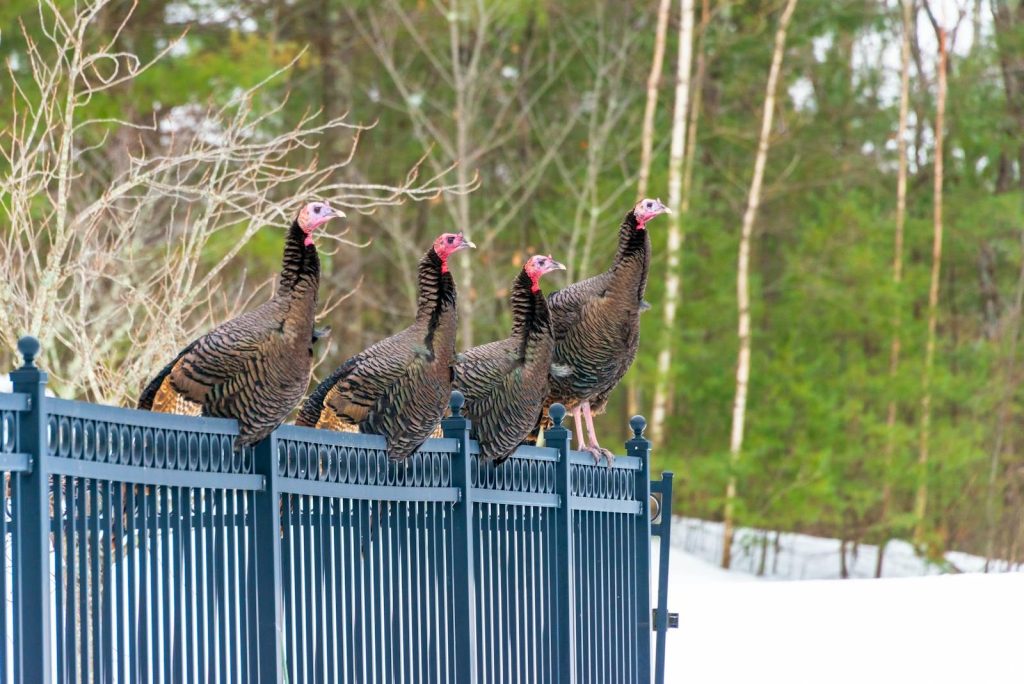
Modern suburban environments offer turkeys many of the resources they need to survive, including food, water, and shelter. Lawns, gardens, and open green spaces create ideal feeding grounds for large flocks.
Limited predator activity in residential areas also helps populations grow steadily. As a result, turkeys have become increasingly comfortable living near humans.
Wild Turkeys Can Adapt Remarkably Well
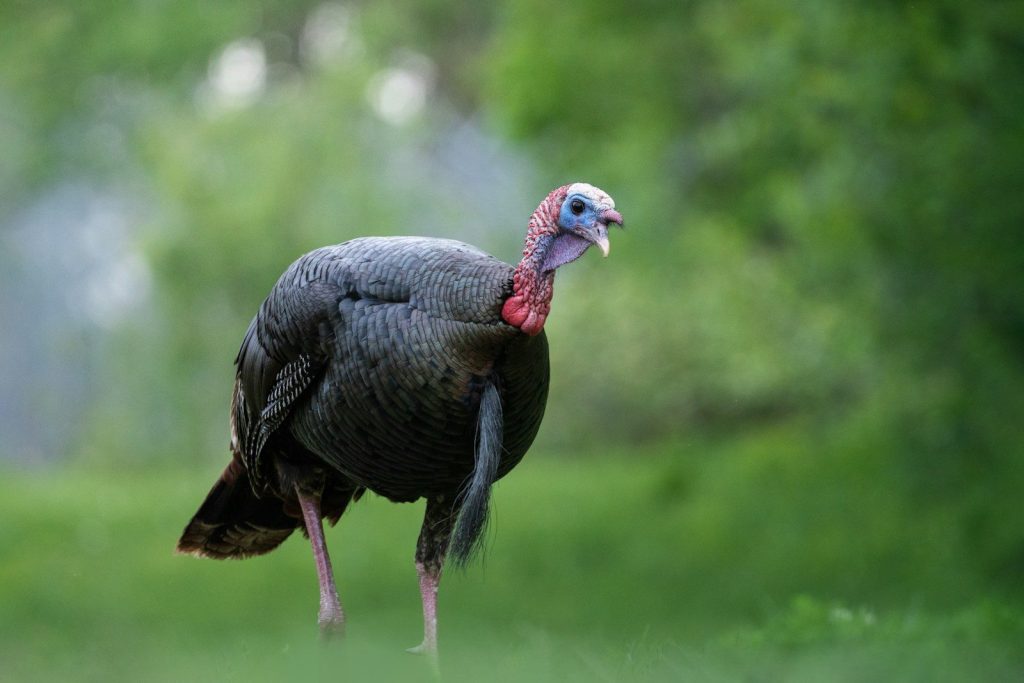
Turkeys are highly adaptable birds capable of surviving in forests, grasslands, and suburban neighborhoods alike. Their flexible diet allows them to eat seeds, insects, berries, and even leftover human food.
This adaptability has contributed heavily to their success in urbanized regions. Experts say their intelligence and strong social behavior also help them navigate changing environments.
Residents Often Encounter Large Flocks
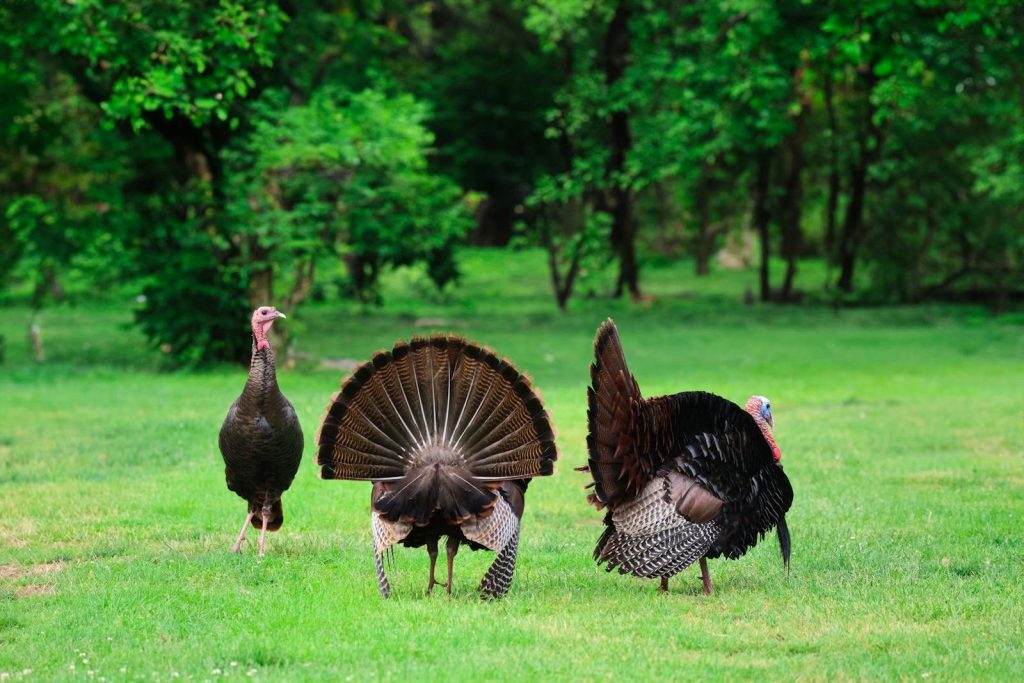
In some Bay Area communities, groups of wild turkeys regularly cross roads, gather in yards, or perch in trees near homes. These encounters can surprise residents unfamiliar with the birds’ growing population.
Although they usually avoid direct conflict, turkeys can occasionally become territorial during breeding season. Wildlife officials encourage people not to feed them or approach them too closely.
Wildlife Experts Continue Monitoring Their Expansion

Researchers continue studying turkey populations to understand how they interact with suburban ecosystems. Their expansion raises questions about traffic safety, property damage, and impacts on local wildlife.
Despite occasional concerns, many residents view the birds as a unique part of the Bay Area’s natural character. Their successful return is often considered one of California’s notable wildlife recovery stories.