Many snake bites happen because people panic after spotting a snake nearby. But surprisingly, a large number of bites also occur when people try to help, move, or handle snakes themselves.
Wildlife experts warn that even nonaggressive snakes may strike defensively when cornered, picked up, or touched by humans who underestimate how stressed the animal feels.
Injured Snakes Often Become Extremely Defensive
Snakes that are trapped, wounded, or tangled in netting can become highly unpredictable.
Even species known for avoiding humans may lash out repeatedly when they believe they cannot escape. Rescue attempts by untrained people often place hands directly within striking distance of frightened snakes.
Venomous Snakes Frequently Bite During Relocation Attempts
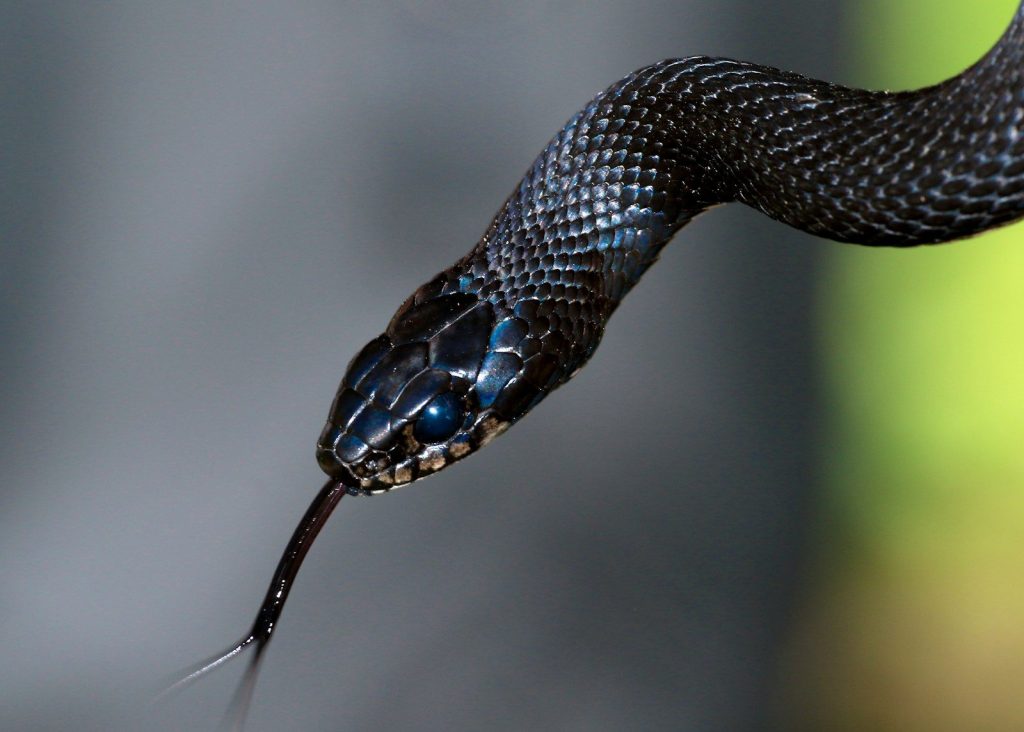
Many serious snake bites occur when someone tries to relocate a venomous snake without professional experience.
People sometimes attempt to use sticks, buckets, or bare hands to move snakes away from homes or roads. Experts say this is one of the most dangerous situations because frightened snakes react very quickly at close range.
Copperheads Commonly Bite During Human Encounters
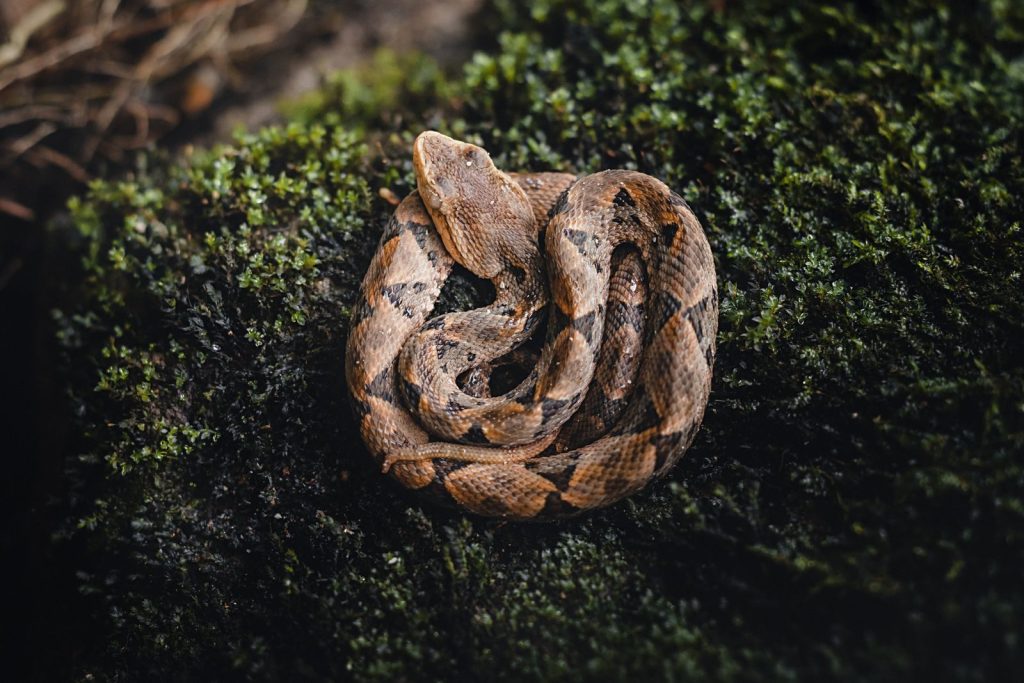
Copperheads are responsible for many bites in the United States partly because of how well they camouflage into leaves and brush.
People trying to remove or rescue them after spotting them in yards frequently get too close without realizing how fast the snakes can strike.
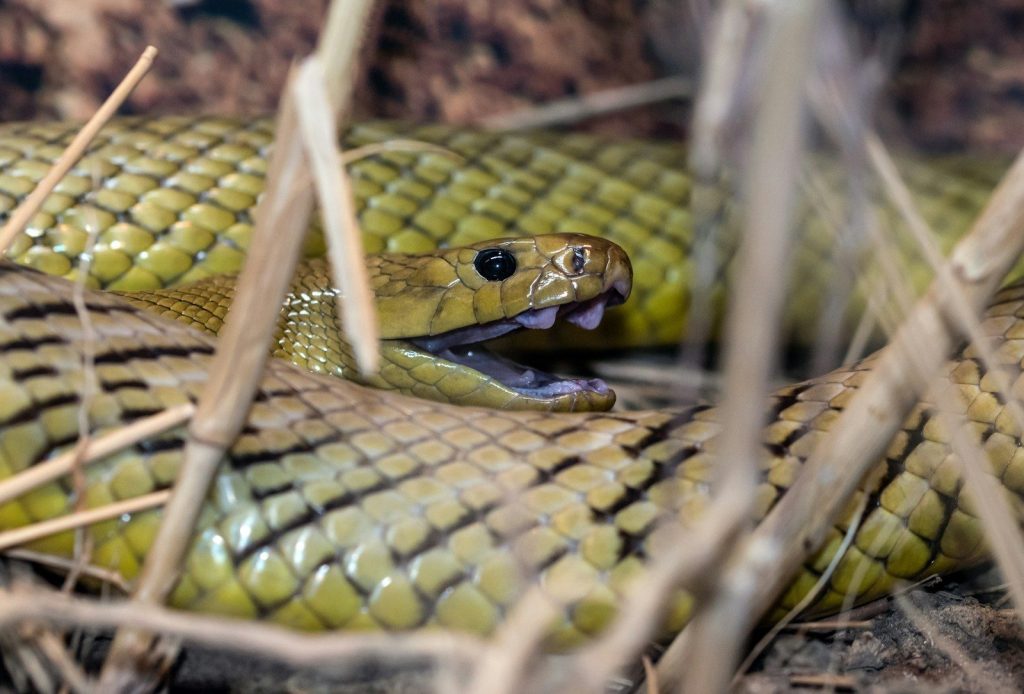
Eastern Brown Snakes Are Extremely Reactive
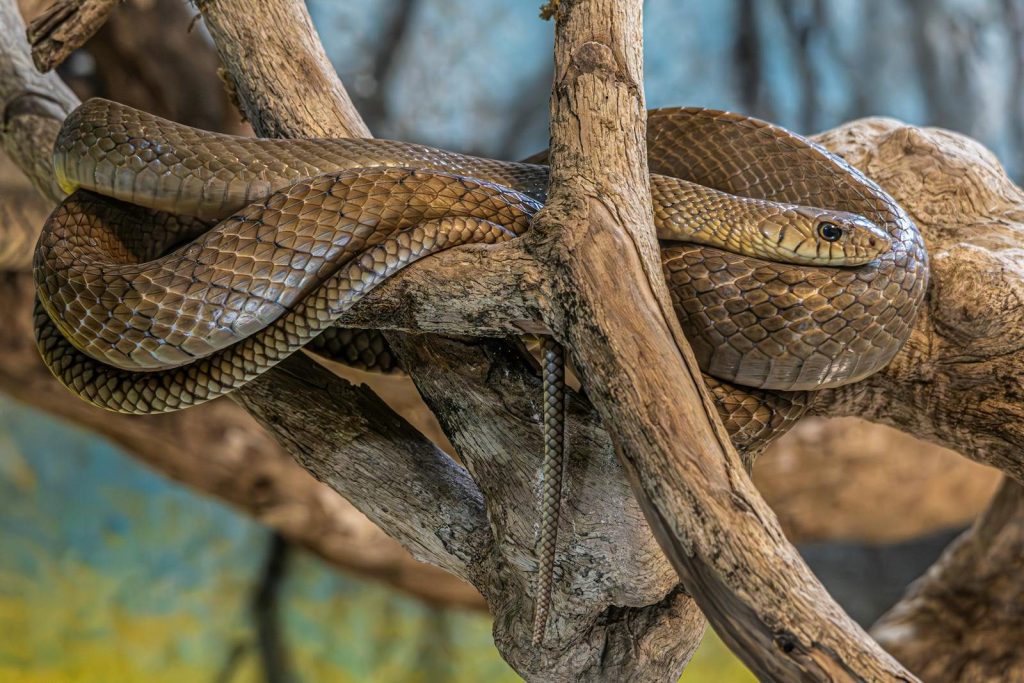
In Australia, eastern brown snakes are considered among the most medically dangerous snakes in the world.
Although they usually avoid humans, they can become highly defensive if cornered or handled. Snake catchers repeatedly warn people not to attempt rescues or relocations themselves.
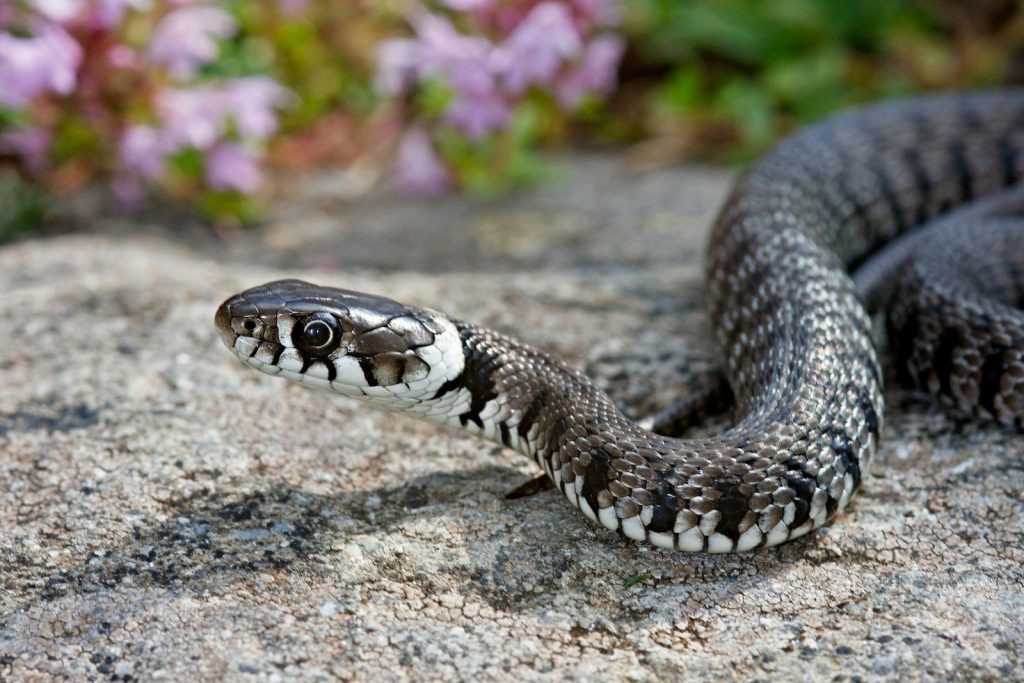
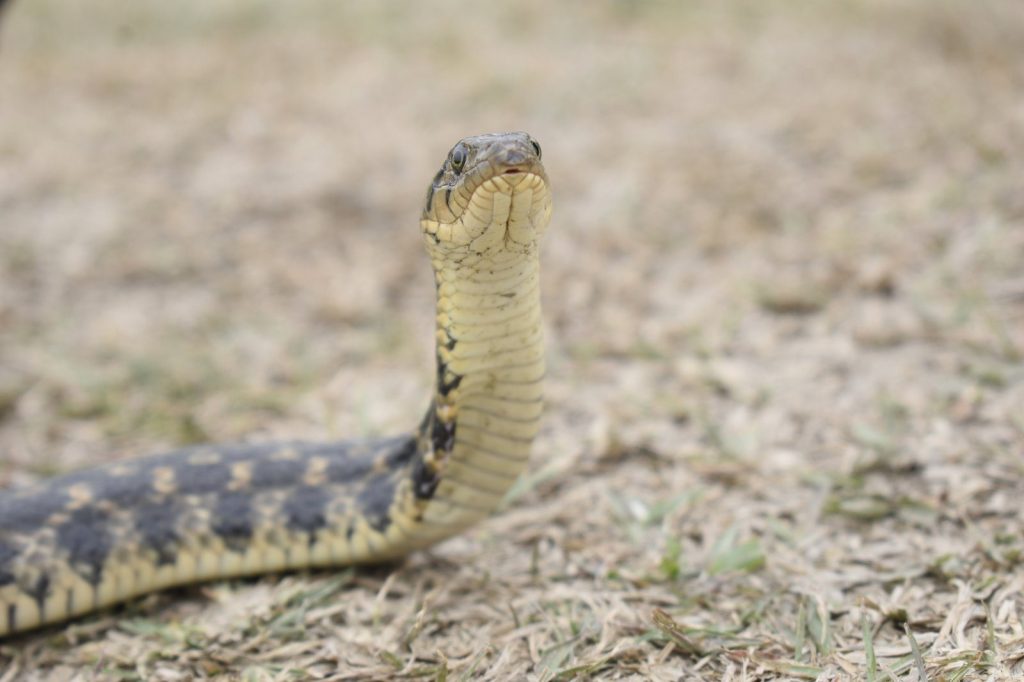
Water Snakes Often Get Mistaken for Harmless Species
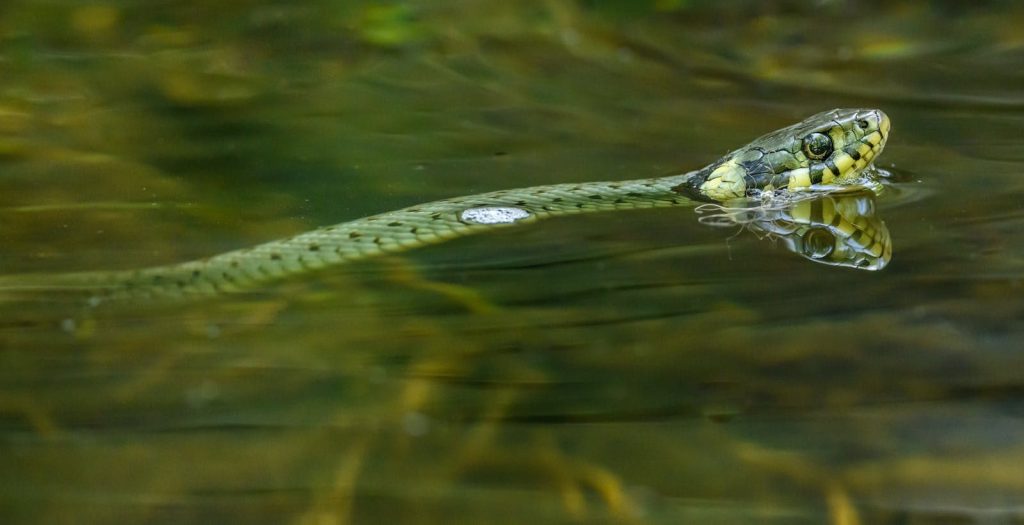
Nonvenomous water snakes are notorious for biting when handled.
Because they resemble harmless species to inexperienced people, many attempt to pick them up or “save” them from roadsides or fishing areas. These snakes frequently musk, thrash, and bite aggressively during handling attempts.
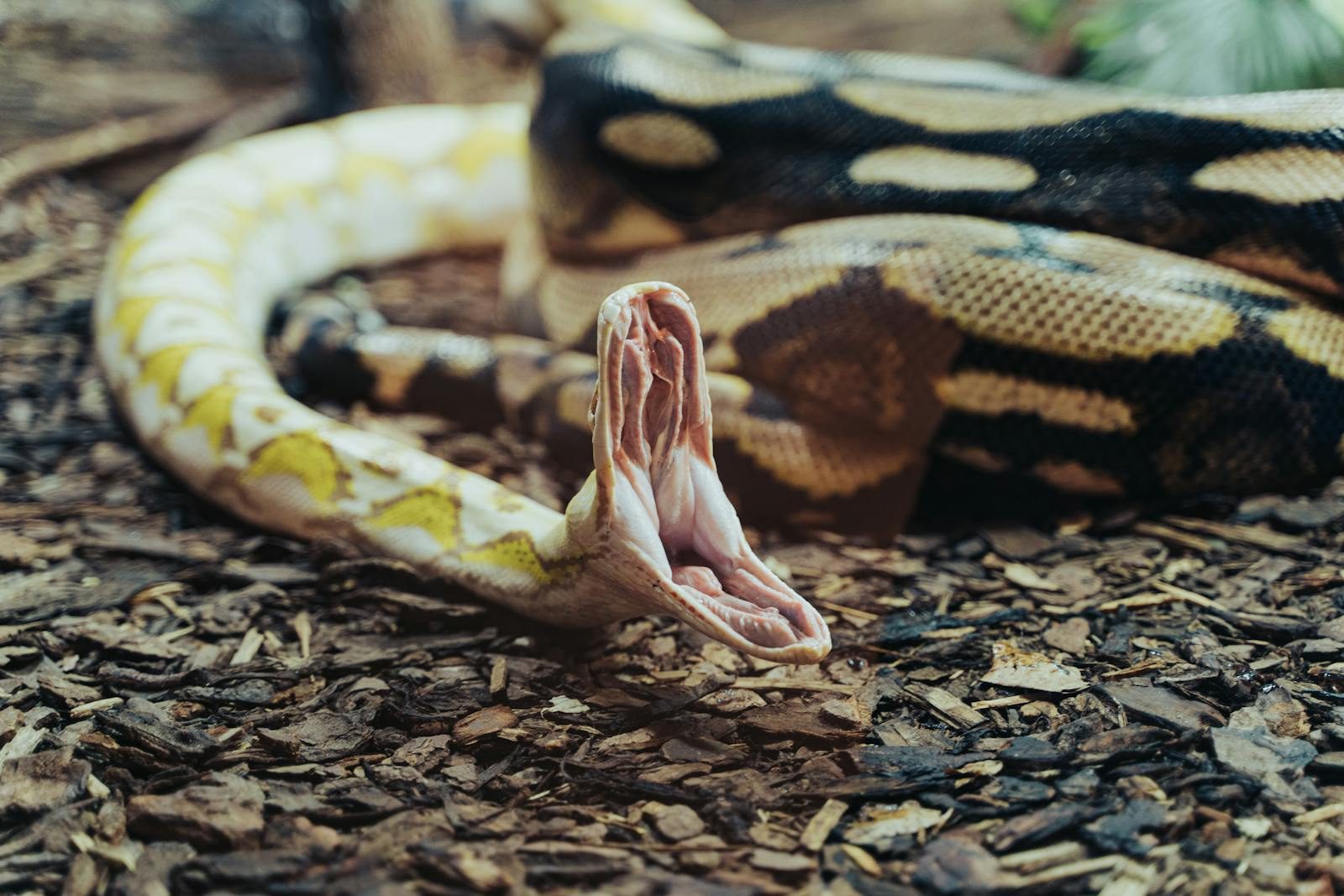
Pythons Can Inflict Serious Injuries Too
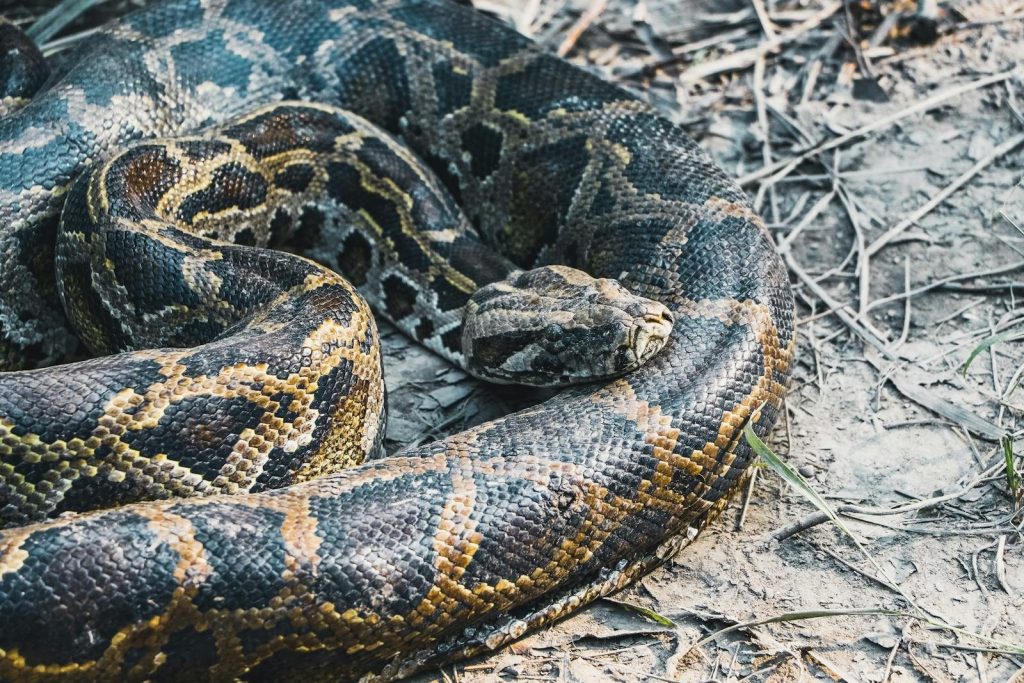
Large constrictors may not be venomous, but they can still cause deep bites and severe injuries when frightened.
Even captive pythons sometimes react defensively during stressful situations, especially if they feel restrained or threatened unexpectedly.
Why Experts Say Leave Snakes Alone
Wildlife professionals emphasize that the safest option is usually to give snakes space and contact trained handlers if relocation is necessary.
Most snakes bite only when they feel trapped or directly threatened. Attempting to “help” them without proper tools or training can quickly escalate into a dangerous encounter for both humans and the animal.
Respecting Wildlife Prevents Most Snake Bites
Snakes play important ecological roles by controlling rodents and pests, but they remain wild animals with strong survival instincts.
Experts say understanding snake behavior, staying alert outdoors, and resisting the urge to handle wildlife are the best ways to avoid unnecessary bites.