Encounters with baby deer are often equal parts adorable and alarming.
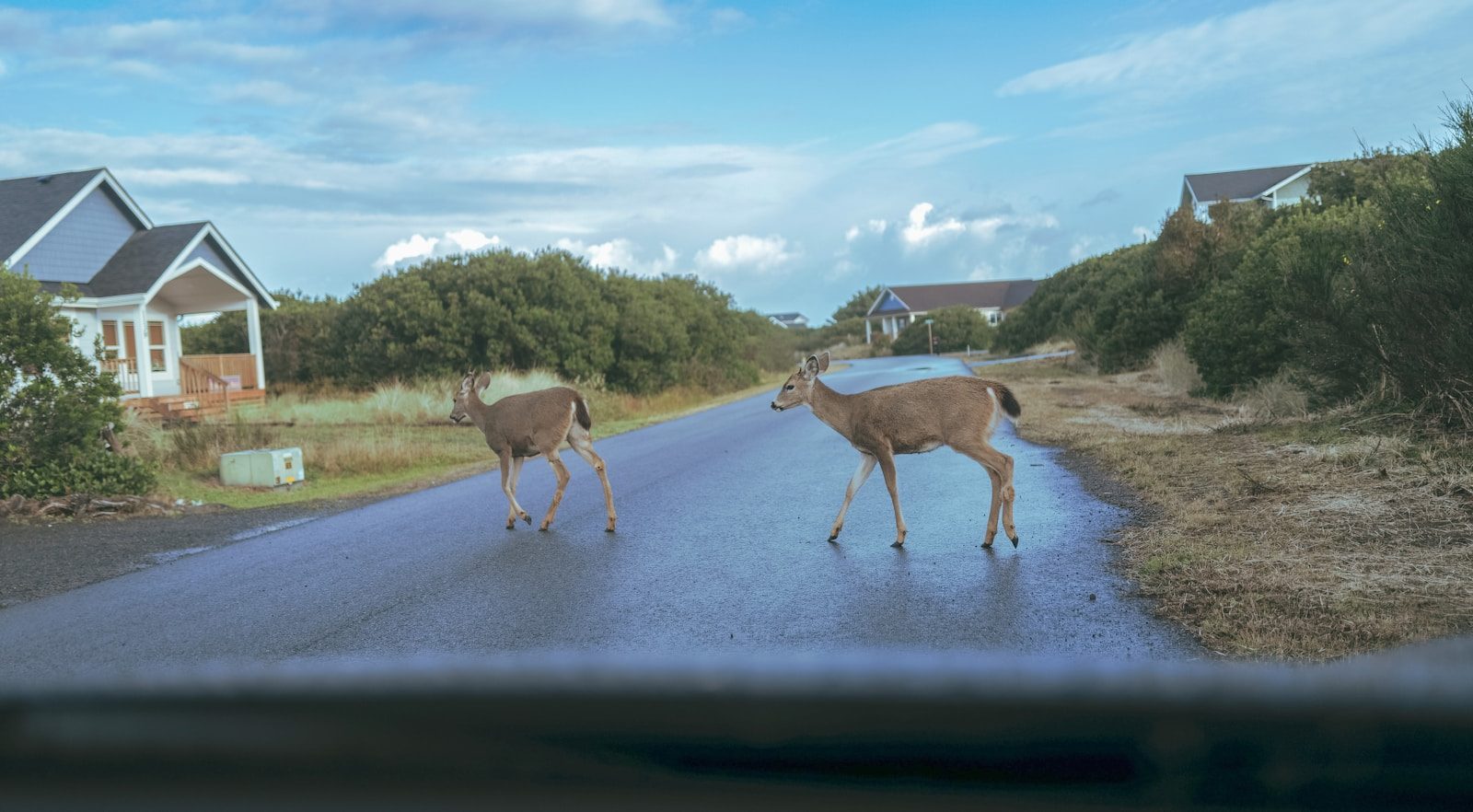
While fawns can look soft and harmless, seeing them in the middle of a road is a serious danger for both the animals and passing drivers. Even the most careful motorists can be caught off guard when wildlife suddenly appears on the pavement.
But one recent roadside encounter took an unexpected turn when a driver stopped to help what looked like a small deer family in distress.
A Dangerous Moment on a Quiet Road
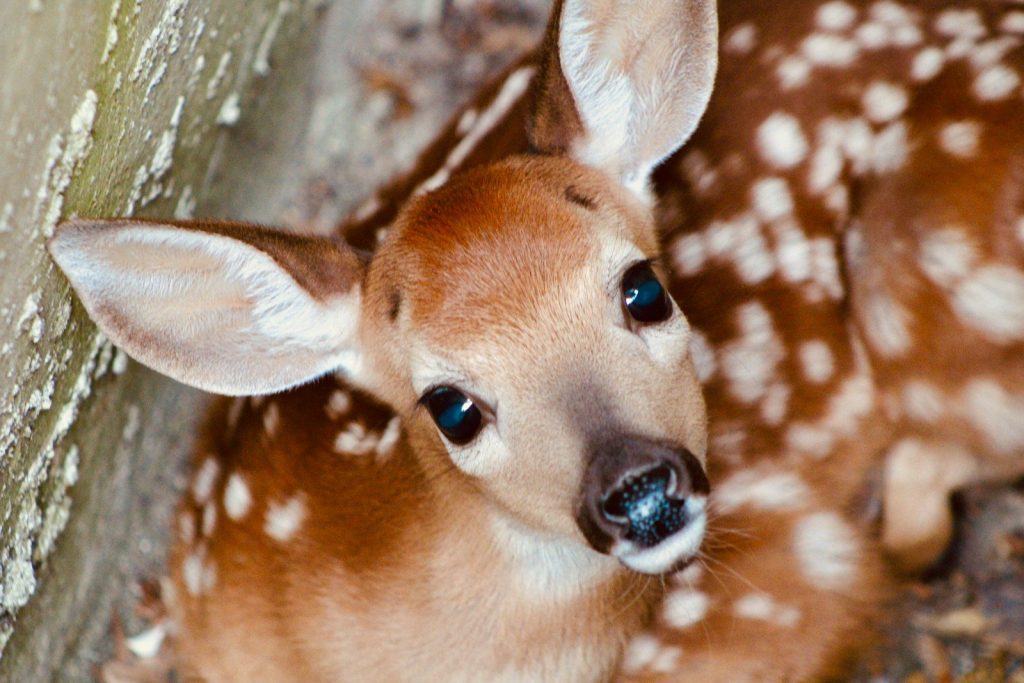
The driver, who shares outdoor content under the handle @Floatingtheozarks, came across two newborn fawns positioned directly on the road.
At first glance, the tiny deer appeared almost like patches of stillness rather than living animals, curled tightly in a defensive posture known as “hiding behavior.” This instinct helps young deer avoid predators by staying motionless and blending into their surroundings.
Unfortunately, it does not work well on asphalt.
Realizing the danger, the driver carefully approached to guide the fawns toward the nearby woods where their mother was likely waiting.
A Rescue That Didn’t Go as Expected
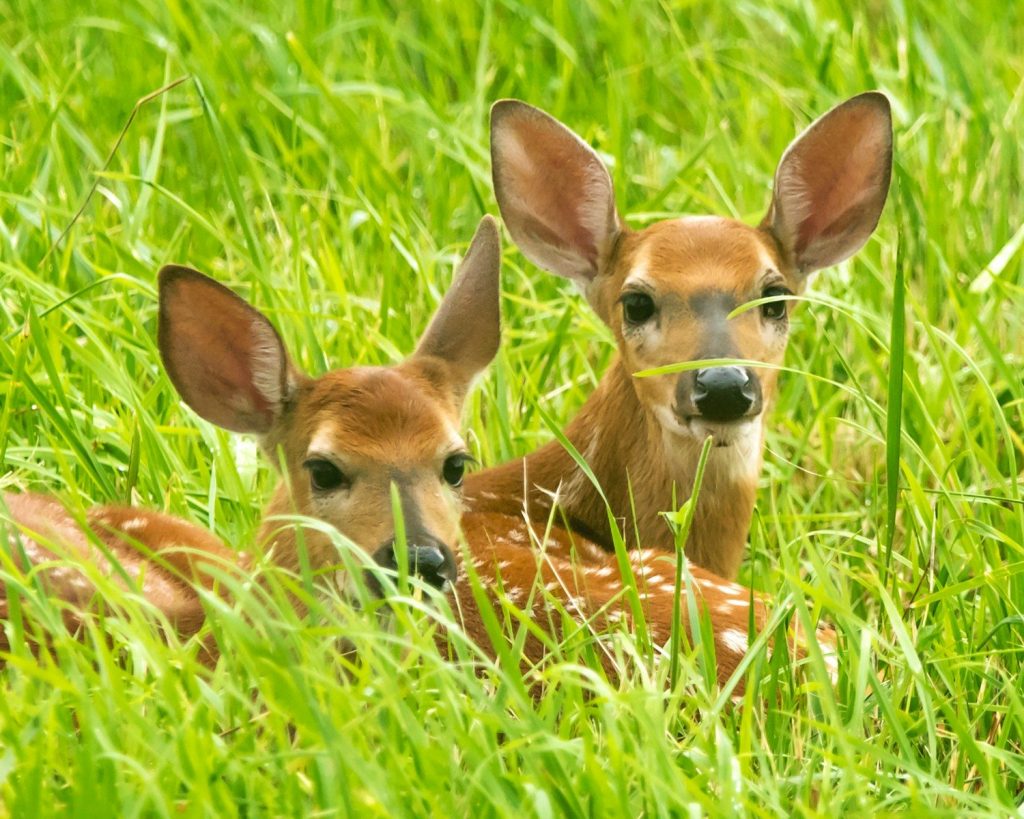
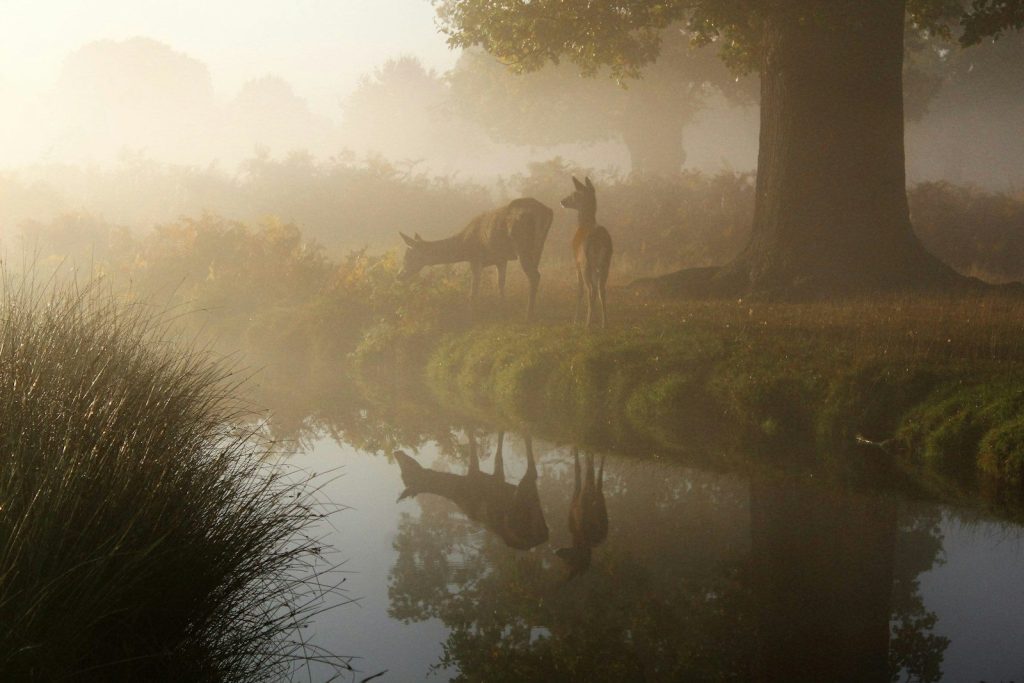
One of the fawns eventually understood the situation and slowly made its way toward safety, following the direction of the nearby does.
But the second fawn had a different idea.
Instead of immediately rejoining its family, the small deer became unexpectedly fixated on the person trying to help it. As the driver gently encouraged it toward the trees, the fawn lingered, seemingly unsure whether to follow instinct or curiosity.
For a brief moment, the wild animal appeared more interested in its rescuer than in reuniting with its mother.
Why Baby Deer Behave This Way
What looks like confusion is actually natural behavior.
Fawns spend their earliest days lying still in grass or brush while their mothers forage nearby. They rely heavily on camouflage rather than movement to stay safe from predators.
Because of this, they often remain frozen even in risky situations, such as near roads or open spaces. When humans intervene, their reactions can vary from immediate flight to hesitation or curiosity.
In most cases, the mother is nearby and will return once the area is safe.
The Golden Rule: Hands Off Wildlife
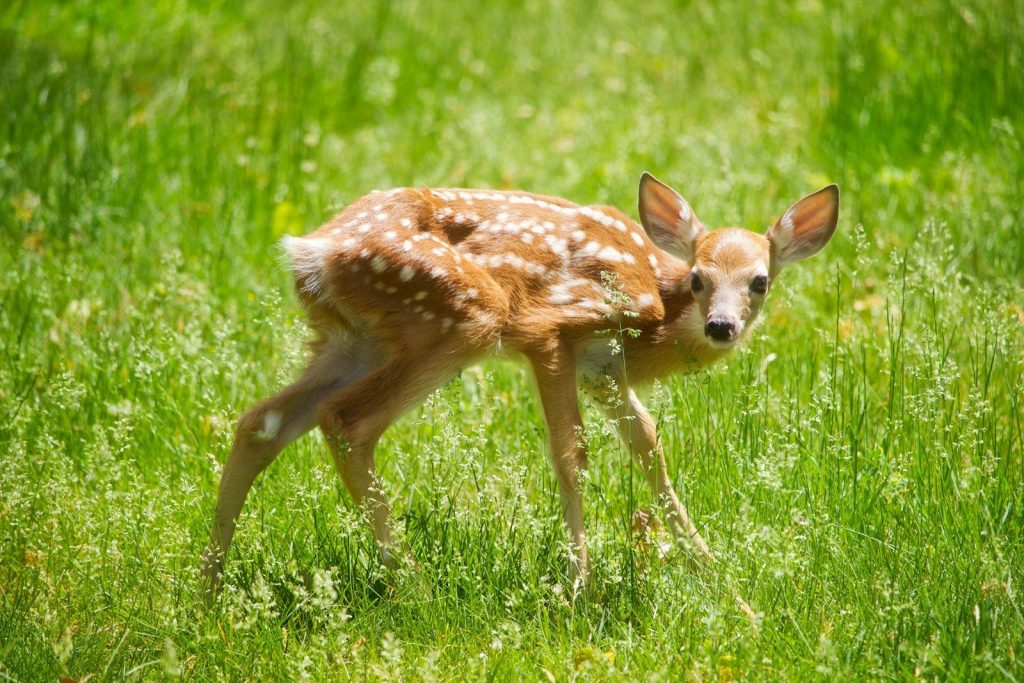
Although moments like this can feel emotional or even heartwarming, wildlife experts stress that baby deer should not be handled or moved unless they are in immediate danger.
Fawns are almost never abandoned. What often looks like a lost animal is usually a carefully hidden young deer waiting for its mother to return.
Interference can sometimes do more harm than good by increasing stress or disrupting natural behavior.
When Help Is Actually Needed
There are rare situations where intervention may be necessary.
If a fawn appears injured, weak, or is crying continuously for long periods, it may require assistance from trained wildlife professionals.
In such cases, contacting a local wildlife rescue or rehabilitation center is the safest option.
A Brief but Unforgettable Encounter
In the end, the driver’s quick action helped prevent a potentially dangerous situation on the road.
One fawn safely rejoined its family, while the other shared a brief, unusual moment of curiosity with a human who simply stopped to help.
It was a reminder that even in moments of risk and uncertainty, wildlife encounters can unfold in surprising and memorable ways, especially when compassion meets instinct in the middle of the road.