Most Americans grow up believing there are only a few dangerous snakes in the United States. Rattlesnakes, copperheads, cottonmouths, and coral snakes usually dominate the conversation whenever venomous reptiles are mentioned. But scientists have uncovered a much stranger reality hiding beneath the surface of North America’s ecosystems.
Across forests, deserts, grasslands, and even suburban neighborhoods, several lesser-known snake species quietly possess venom-like toxins that many people never hear about. Some are mildly venomous hunters with specialized saliva used to subdue prey. Others have evolved bizarre defensive systems linked to the toxic animals they consume. Together, they reveal a hidden side of American wildlife that challenges what most people think they know about snakes.
And surprisingly, one of the most familiar snakes in the country helped spark the conversation.
The Backyard Snake Nobody Suspected
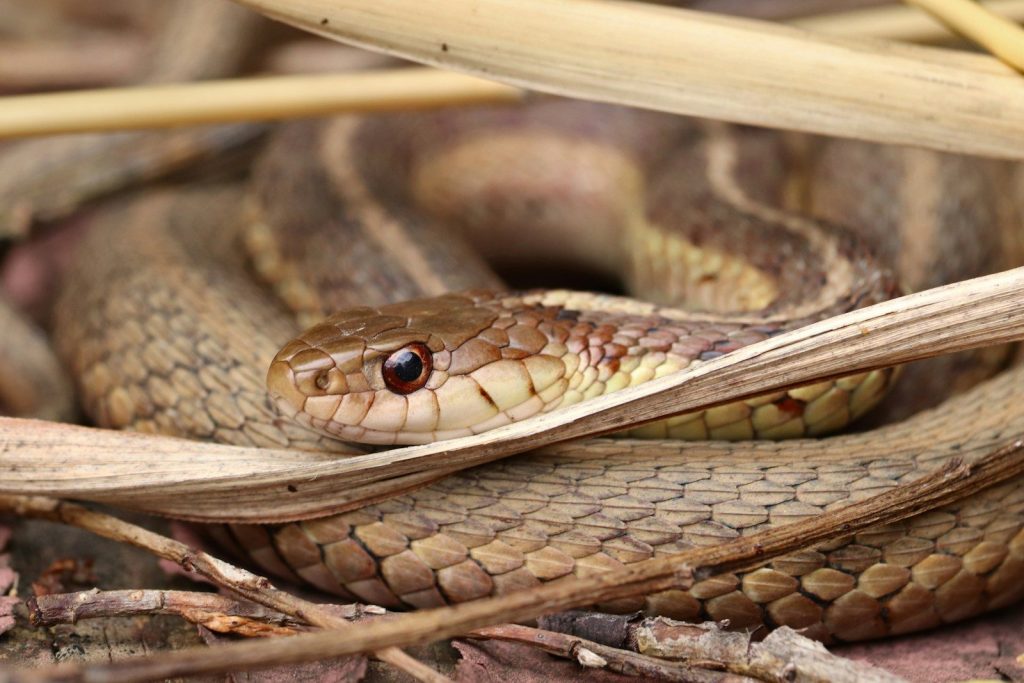
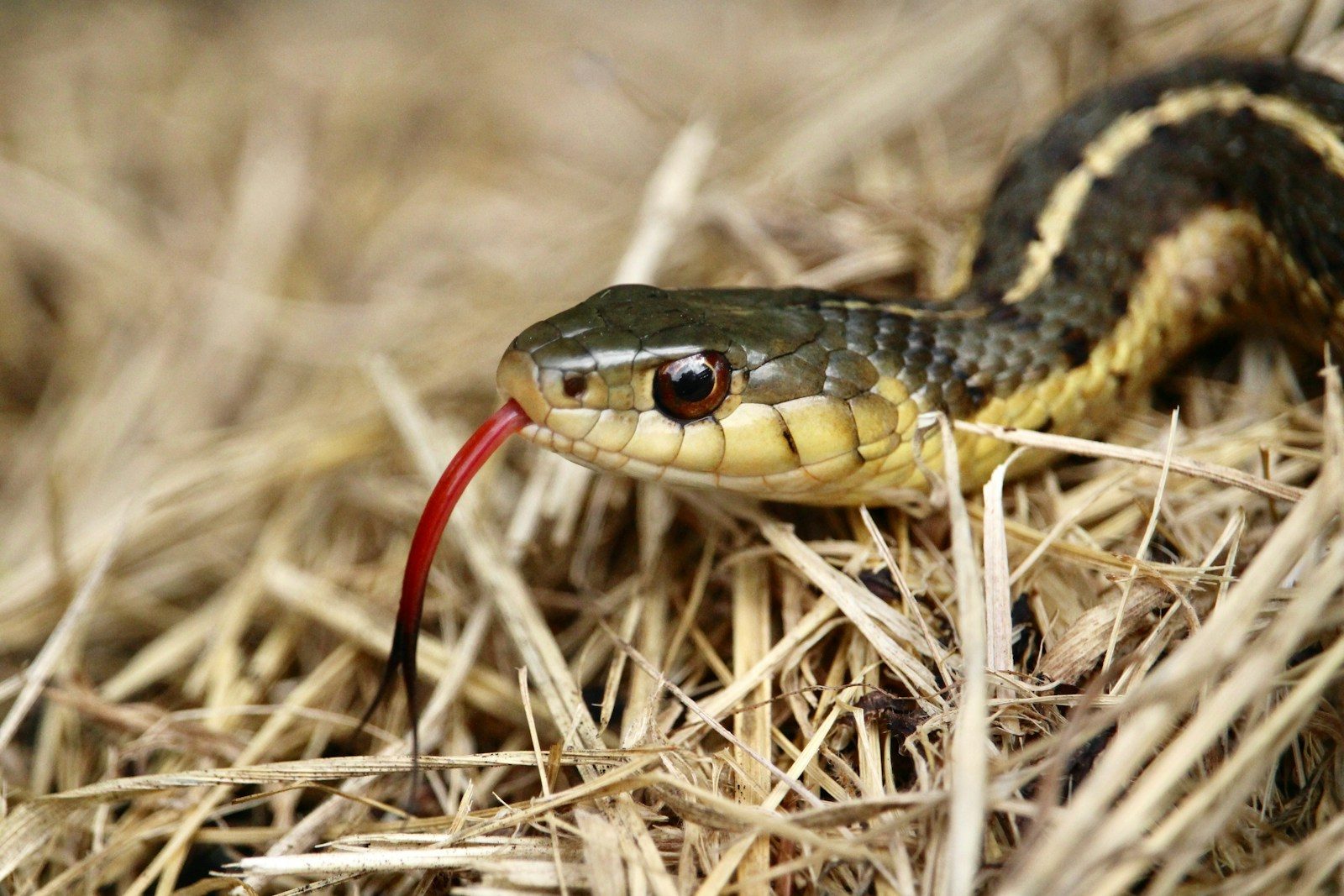
For years, garter snakes were considered completely harmless. These thin, striped snakes are among the most common reptiles in the United States and are often found in gardens, parks, wetlands, and suburban lawns. Children frequently encounter them while exploring outdoors, and many people assume they are entirely defenseless.
Scientists later discovered something unexpected.
Certain species of garter snakes produce mild venom in their saliva. The toxins are not considered dangerous to healthy humans, but they are highly effective against the small prey these snakes hunt, including frogs, worms, fish, and amphibians.
Unlike vipers that inject venom through dramatic fangs, garter snakes rely on enlarged rear teeth and prolonged chewing to deliver their toxins. For small prey animals, the effects can be surprisingly powerful.
The discovery shocked many wildlife researchers because it blurred the line between “venomous” and “nonvenomous” species.
Venom Isn’t Always What People Imagine
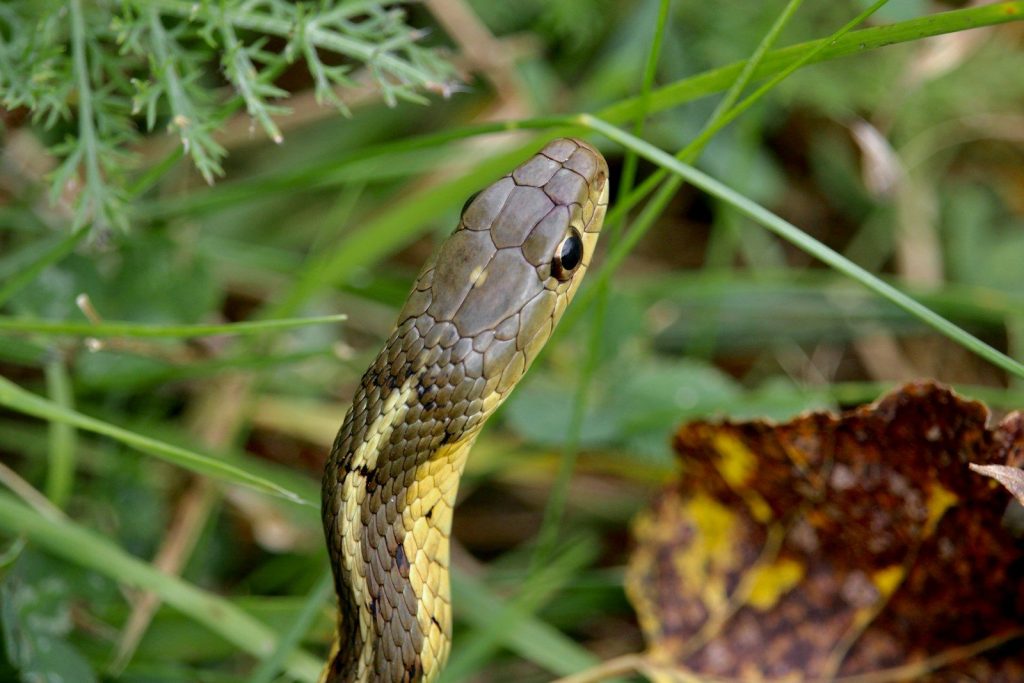
When most people hear the word “venom,” they picture deadly bites and emergency rooms. In reality, venom exists on a huge spectrum throughout nature.
Some snake species evolved toxins designed only to slow prey down rather than kill large animals. In many cases, these venoms are mild enough that humans barely notice them.
This is especially true among rear-fanged snakes, a group that includes several overlooked American species.
The Secretive Night Hunters
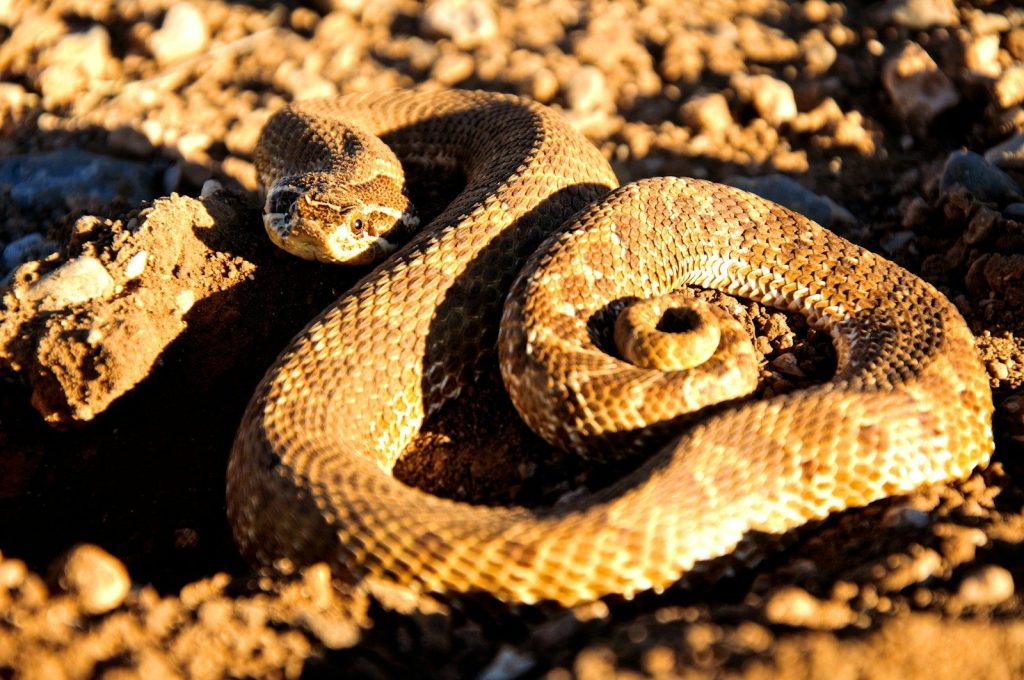
One surprising example is the hognose snake. Famous for its dramatic defensive displays, the hognose inflates its neck, hisses loudly, and sometimes even plays dead when threatened.
But few people realize it also possesses mild venom.
Hognose snakes primarily feed on toads, which can puff themselves up as a defense mechanism. To counter this, hognose snakes evolved specialized saliva that helps immobilize prey more efficiently.
For humans, bites are rare and usually harmless, though some people may experience swelling or irritation.
Even so, the idea that a snake commonly viewed as harmless carries venom often catches people off guard.
America’s Underground Venom Specialists
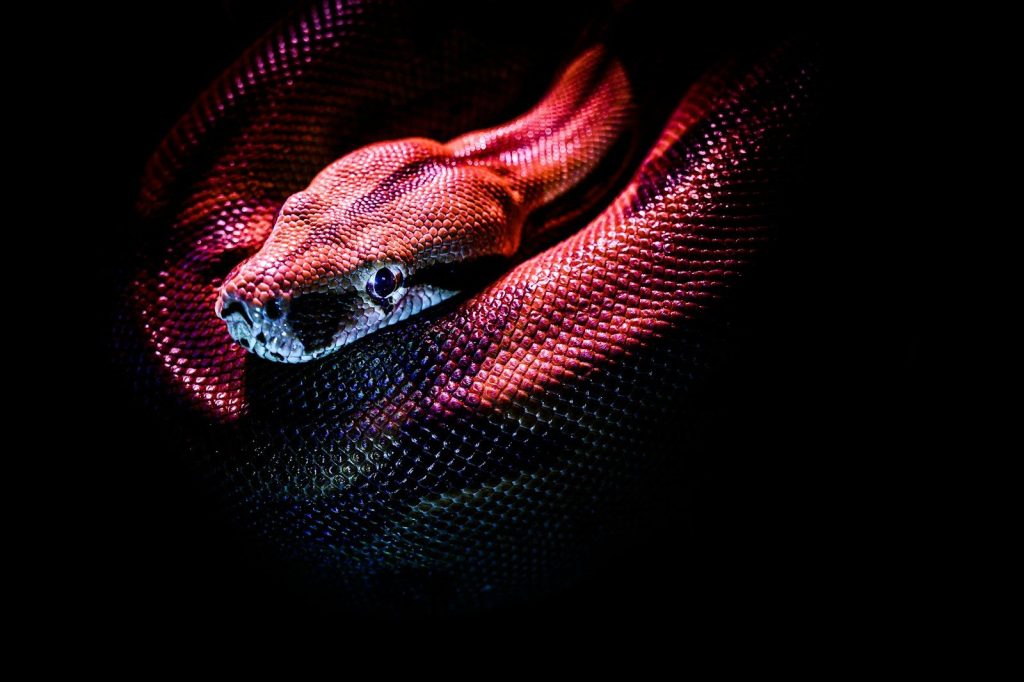
In the deserts of the southwestern United States, another strange predator hides beneath the sand.
The western shovel-nosed snake spends much of its life underground hunting small reptiles and insects. Though tiny and secretive, it belongs to a group of rear-fanged snakes that use mild venom to overpower prey in tight underground tunnels.
Because these snakes avoid human contact almost entirely, most Americans never realize they exist.
Yet they represent another example of how venom quietly appears throughout the reptile world in ways scientists are still studying.
When Snakes Become Poisonous Too
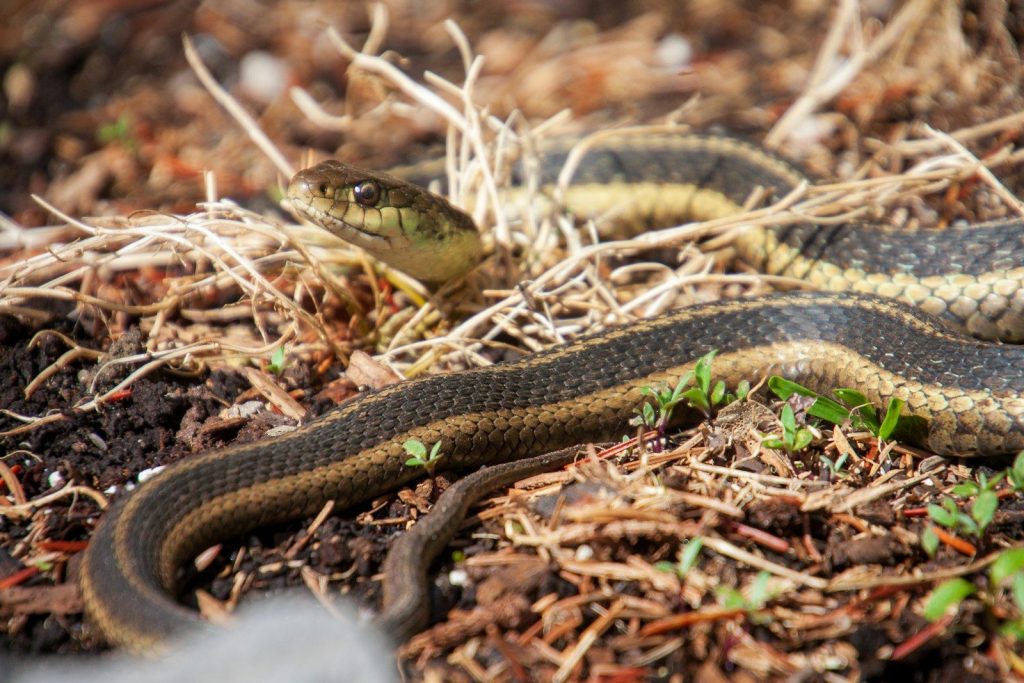
Some snakes possess an even stranger adaptation.
Certain garter snakes can absorb toxins from the rough-skinned newts they consume. These newts contain tetrodotoxin, one of the most powerful neurotoxins found in nature.
Over time, some garter snake populations evolved resistance to the toxin, allowing them to eat prey that would kill most predators instantly.
Researchers discovered that traces of these toxins may remain within the snakes themselves, meaning the snakes can potentially become poisonous to animals attempting to eat them.
This creates one of nature’s rarest combinations: animals connected to both venomous and poisonous survival strategies.
Why Scientists Became Interested
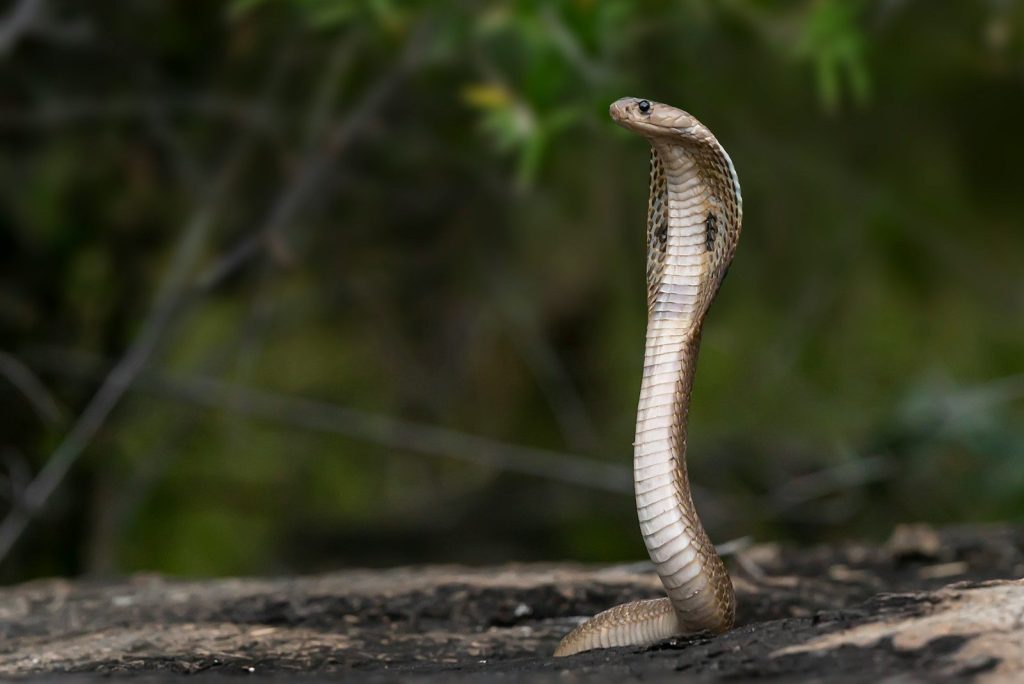
The discovery of mild venom systems in common snakes changed how researchers understand reptile evolution.
Instead of separating snakes into simple “venomous” and “nonvenomous” categories, scientists now believe venom may exist in a much broader range of species than previously thought.
Some experts argue that many snakes possess primitive venom systems that evolved millions of years ago and later became highly specialized in species like cobras and rattlesnakes.
In other words, the deadliest snakes on Earth may have evolved from much milder ancestors that resembled the overlooked species living quietly across America today.
Are Humans Actually in Danger?

For most people, the answer is no.
The vast majority of these lesser-known venomous snakes pose little or no serious threat to humans. Their toxins are adapted for tiny prey animals, not large mammals.
Most bites result in minimal symptoms, if any at all. In fact, many people may never realize they were bitten by a mildly venomous species.
Still, wildlife experts strongly recommend avoiding handling any wild snake. Even harmless species can bite defensively, and proper identification can be difficult for inexperienced observers.