Wildlife and highways have long been a deadly combination across the United States. Every year, millions of drivers encounter animals on roads, leading to dangerous crashes that kill both people and wildlife.
Now, Colorado has unveiled a massive new solution that is already helping bears, elk, moose, and mountain lions safely cross one of the state’s busiest highways.
Colorado Opened the Largest Wildlife Overpass in North America
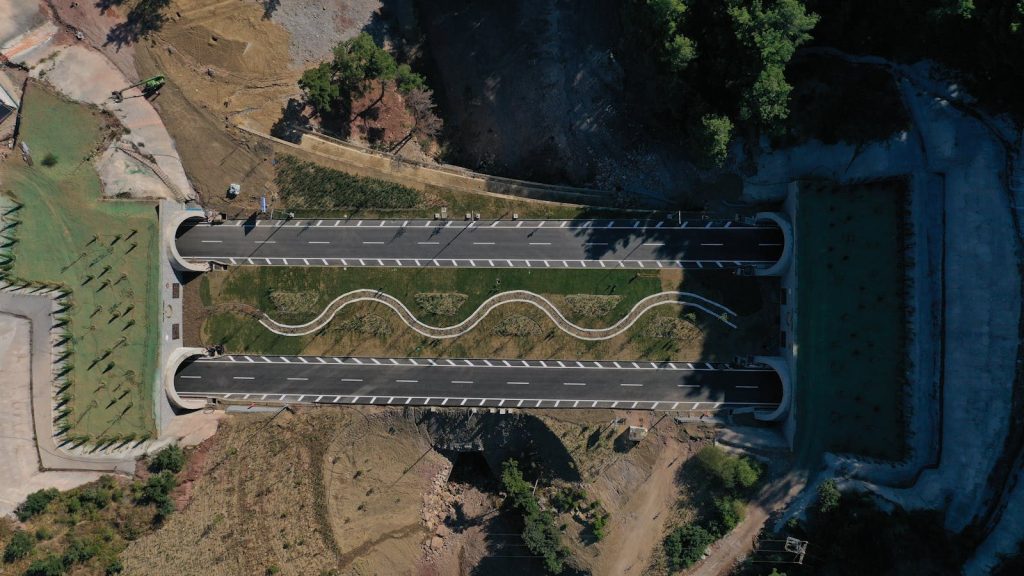
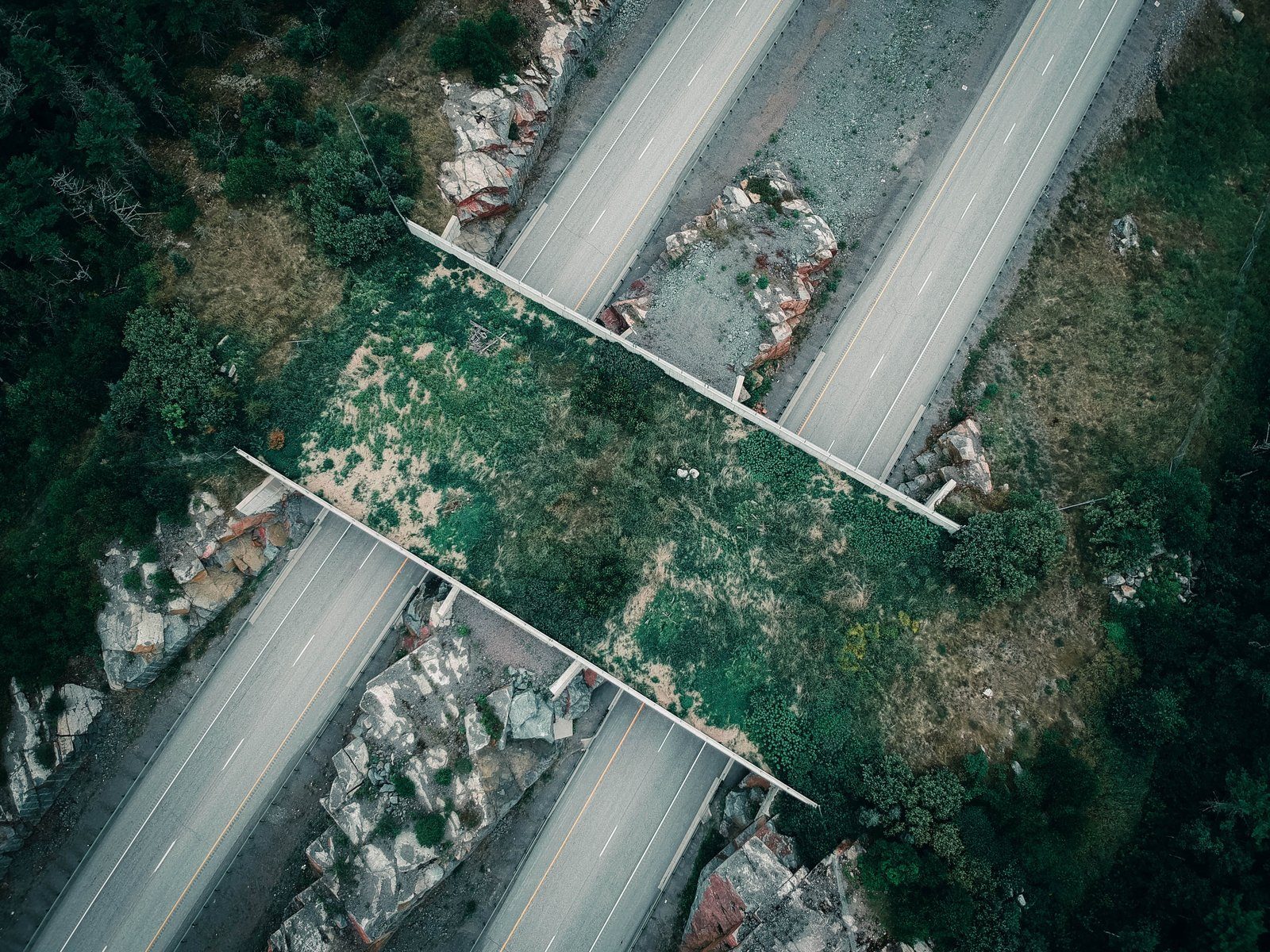
The Greenland Wildlife Overpass stretches across Interstate 25 between Castle Rock and Monument, Colorado. The massive structure measures roughly 200 feet wide and spans six busy highway lanes below.
Designed to look like natural terrain, the bridge reconnects nearly 39,000 acres of habitat previously divided by traffic. Animals can now cross safely without stepping onto the highway itself.
Wildlife Collisions Were Happening Almost Daily
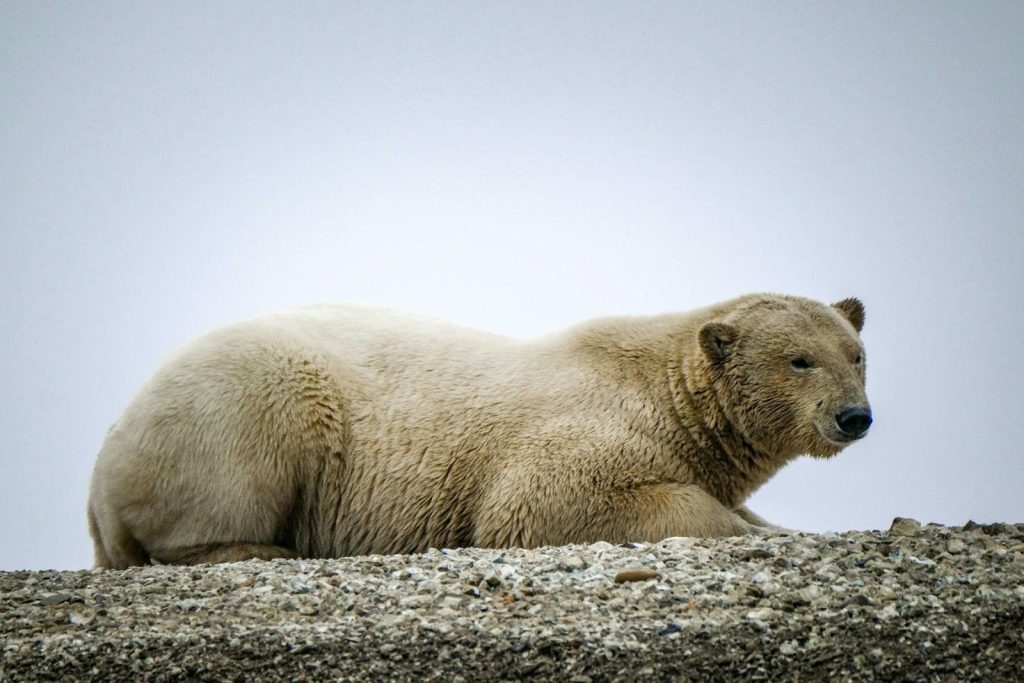
Before the overpass opened, the stretch of I-25 averaged about one wildlife-vehicle collision every day. Elk, deer, bears, and other large animals frequently attempted to cross the busy roadway.
Some crashes turned deadly for drivers and passengers. In one tragic incident, a 700-pound elk struck by another vehicle crashed through a windshield and killed Colorado resident Victor Rodriguez instantly.
The Bridge Helps Both Animals and Drivers
Officials say the crossing is designed to reduce collisions by up to 90% along the upgraded corridor. Wildlife fencing helps guide animals toward safe crossing points instead of dangerous roadways.
The project protects migration routes while also making driving safer for thousands of commuters using Interstate 25 every day. It is considered one of the most ambitious wildlife safety projects in the country.
Moose, Bears, and Mountain Lions Are Already Using It
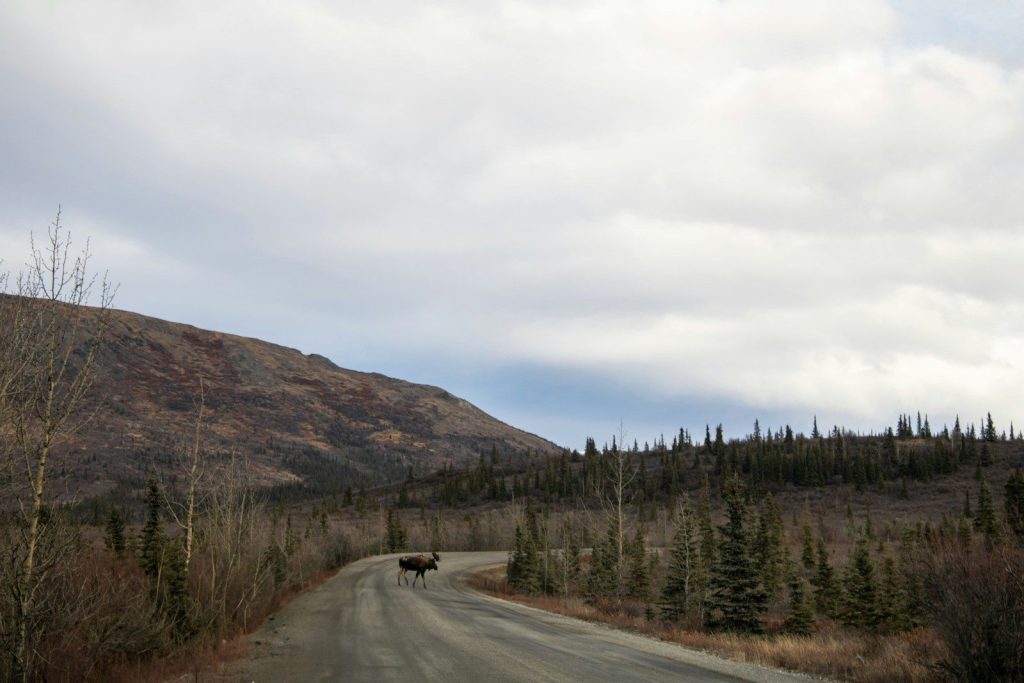
Although the bridge was originally designed for elk and pronghorn, many other species have started using it as well. Moose, black bears, mule deer, and even mountain lions have been spotted crossing safely.
Wildlife officials say this demonstrates how quickly animals can adapt when safe migration pathways are restored. Smaller animals are also beginning to benefit from the crossing system.
Wildlife Crossings Are Expanding Across America
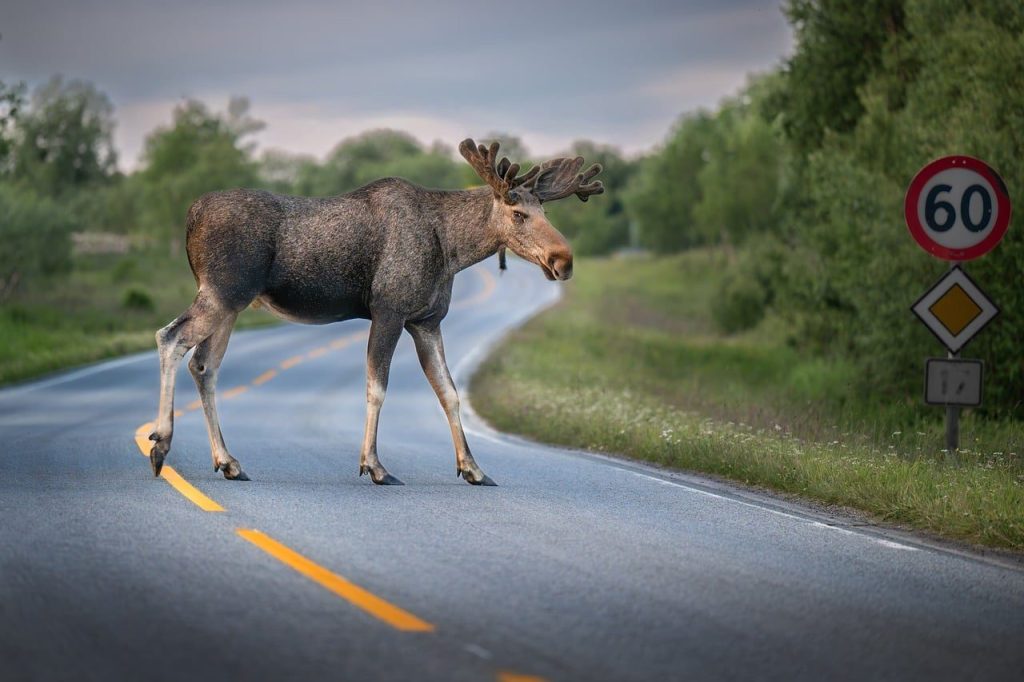
Colorado is not alone in building animal crossings. States including California, Texas, and New York are investing in bridges, tunnels, and culverts designed specifically for wildlife movement.
California’s Wallis Annenberg Wildlife Crossing is one of the country’s most famous projects, while Texas has already seen major success with wildlife land bridges near San Antonio.
Federal Funding Is Accelerating New Projects
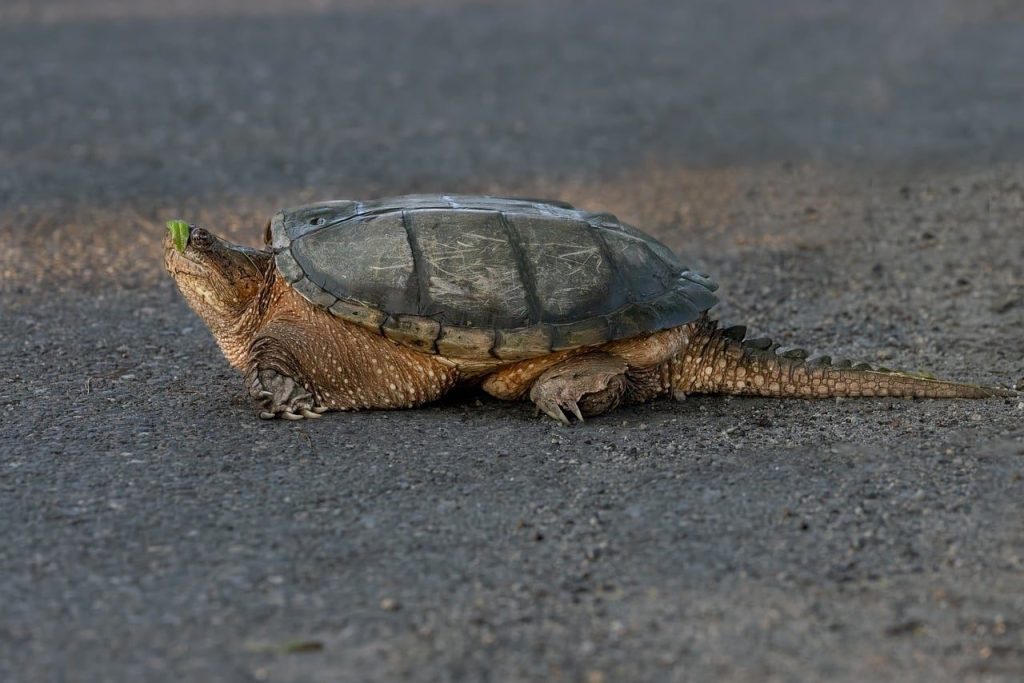
In 2021, the bipartisan infrastructure law created the Wildlife Crossing Program to help states reduce wildlife collisions nationwide. Officials estimate there are more than one million wildlife-vehicle crashes in the U.S. each year.
Federal funding is now helping transportation departments build safer highways while protecting critical wildlife habitat. Conservationists say these projects are becoming increasingly important as roads continue expanding into natural areas.
A Growing Push to Reconnect Nature
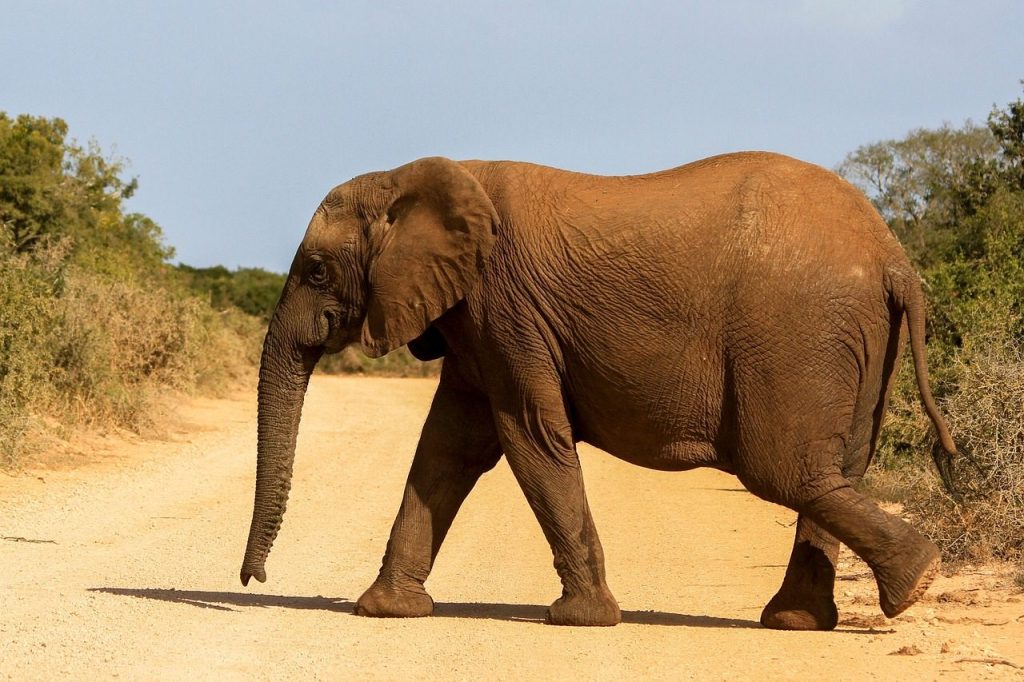
Highways can fragment ecosystems and isolate animal populations for decades. Wildlife crossings help reconnect migration routes that many species rely on for food, breeding, and seasonal movement.
Supporters say the benefits extend far beyond conservation. Fewer crashes mean safer roads, lower insurance costs, and fewer tragic accidents involving both humans and animals.