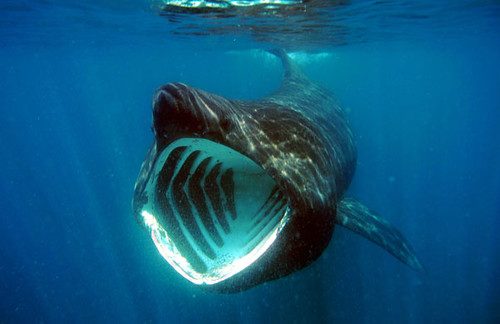
A rare ocean encounter off the coast of San Diego has given marine enthusiasts a glimpse of one of the ocean’s most extraordinary giants: the basking shark. The sighting, recorded during a whale-watching expedition linked to Scripps Oceanography, surprised researchers and quickly became a standout moment for those on board.
Basking sharks are among the largest fish in the world, yet they are rarely seen so close to shore, especially in Southern California waters. Their calm presence and massive size often leave witnesses describing them as something almost prehistoric.
A Rare Giant in California Waters
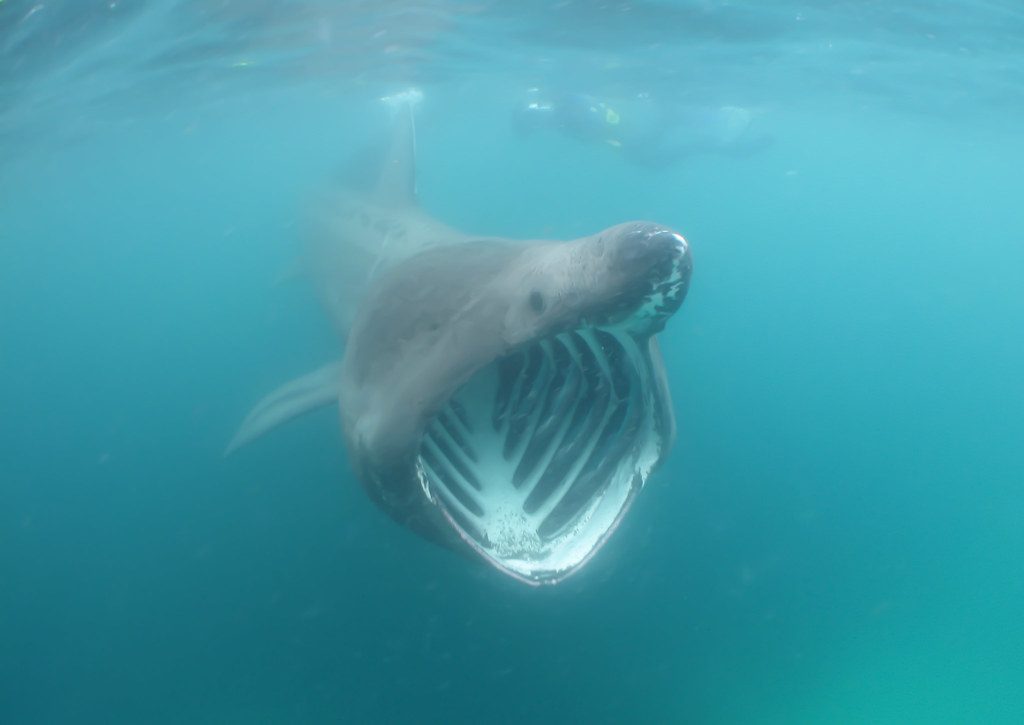
The basking shark is not a common sight along the California coastline. While they are known to inhabit temperate oceans around the world, they are usually solitary and spend much of their time in deeper or more open waters.
That is why the San Diego sighting stood out so strongly. Researchers and passengers reportedly came across the animal unexpectedly during a routine whale-watching trip, turning an ordinary expedition into an unforgettable experience.
A Gentle Giant of the Ocean

Despite their intimidating size, basking sharks are completely harmless to humans. They are filter feeders, meaning they do not hunt large prey like other shark species.
Instead, they swim slowly with their massive mouths open, filtering plankton and tiny organisms from the water. This gentle feeding behavior gives them a calm and almost peaceful appearance.
Feeding on the Smallest Ocean Life
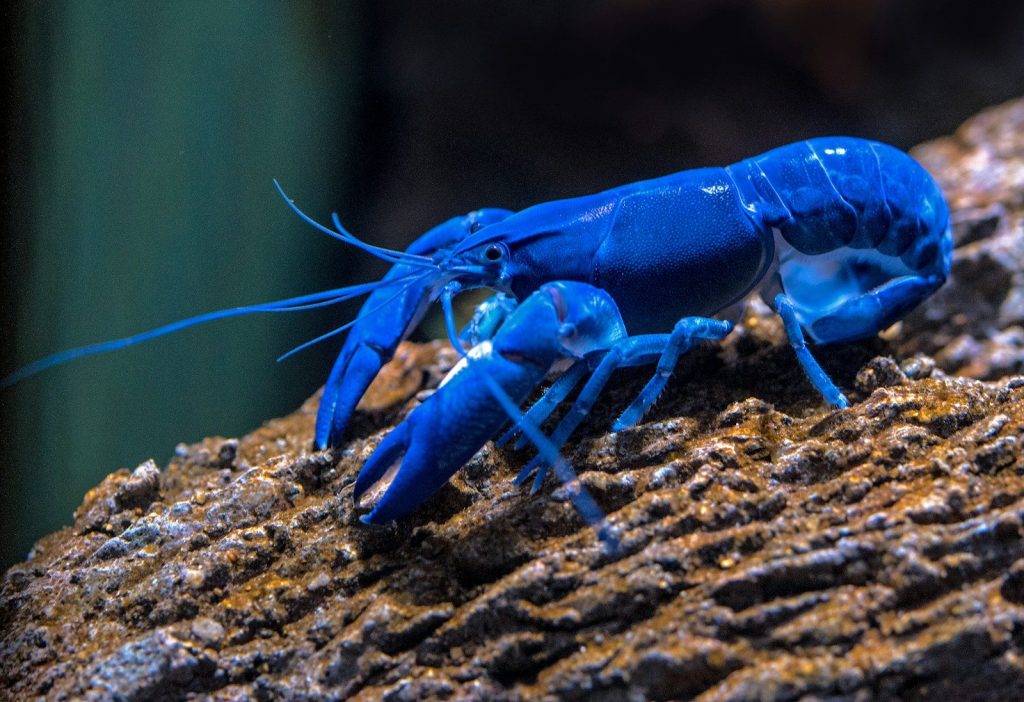
Basking sharks survive on some of the smallest creatures in the ocean, including zooplankton, krill, and tiny crustaceans. To feed efficiently, they push huge volumes of water through specialized gill structures that trap food particles.
Even though they are enormous, their diet depends entirely on microscopic life drifting through the water.
Why They Are Often Seen Near the Surface
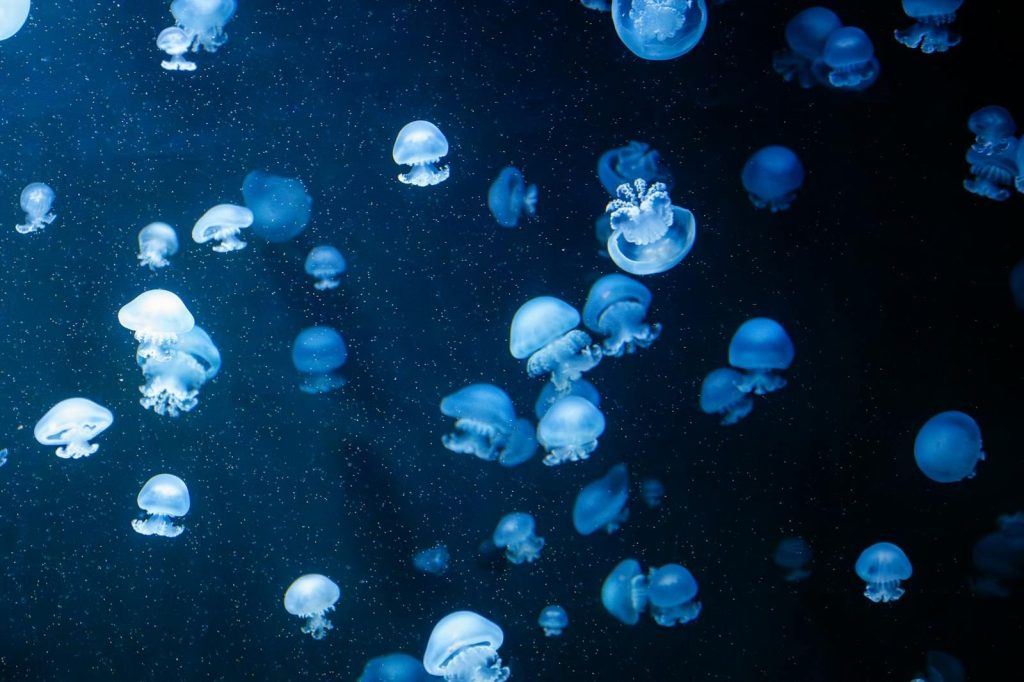
The name “basking shark” comes from their habit of swimming slowly near the surface of the ocean. In these upper layers, plankton is more abundant, making it an ideal feeding zone.
At times, they can even be seen partially breaching the surface as they move through dense patches of food, creating a striking visual for anyone lucky enough to witness it.
A Living Relic of the Ocean

Because of their size and unusual appearance, basking sharks are often compared to prehistoric sea creatures. While they are not related to ancient marine reptiles or megalodon, their slow movements and enormous bodies give them an almost ancient presence in modern oceans.
Sightings like the one off San Diego remind scientists how little we still know about large marine species and their movements.
A Chance Encounter at Sea

According to researchers involved in the expedition, the shark was not the focus of the trip. It was discovered unexpectedly, making the moment even more remarkable.
Encounters like this highlight how unpredictable ocean life can be, even in well-studied coastal regions like California.
A Reminder of Ocean Mysteries

The basking shark sighting off San Diego serves as a reminder that the ocean is still full of surprises. Even massive creatures can remain hidden until chance brings them into view.
For those on the expedition, it was a rare opportunity to observe one of the ocean’s quietest giants doing what it does best: simply drifting, feeding, and existing in its natural world.