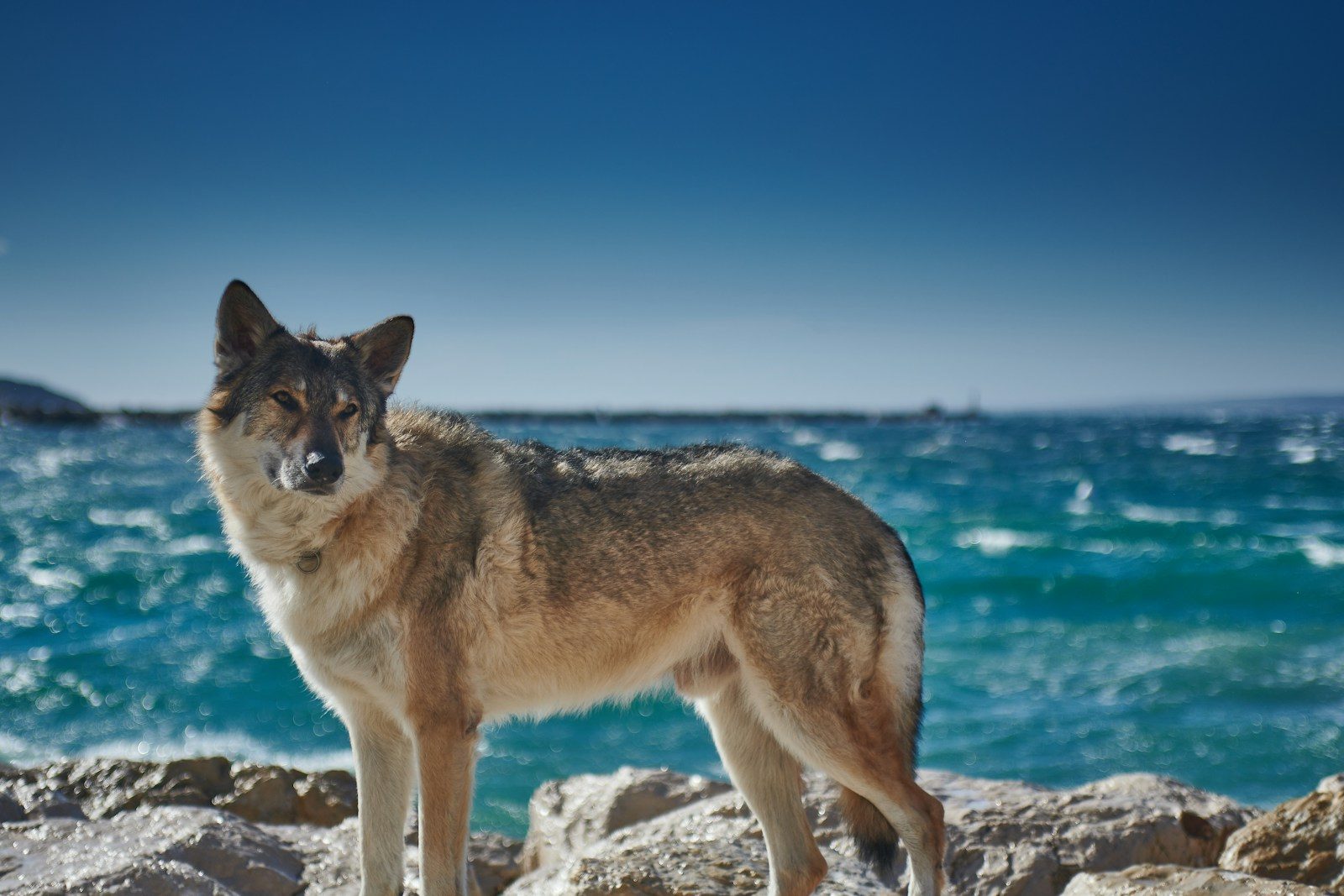
A remarkable archaeological discovery in the Baltic Sea is forcing scientists to rethink one of the oldest stories in human history: how wolves became dogs. On a remote island called Stora Karlsö, researchers uncovered 5,000-year-old wolf remains that suggest humans and wild predators were far more closely connected than previously believed.
These ancient bones don’t just tell a story about animals. They reveal a forgotten chapter of human innovation, cooperation, and experimentation with nature.
A Remote Island with an Unexpected Secret

Stora Karlsö is a small, rocky island off the coast of Sweden, surrounded by cold waters and steep cliffs. It would have been nearly impossible for wolves to reach it naturally.
Yet archaeologists discovered multiple wolf skeletons buried there, suggesting humans intentionally brought them across the sea. This immediately challenges the idea that wolves only gradually approached human settlements on their own.
Wolves That Lived Alongside Humans
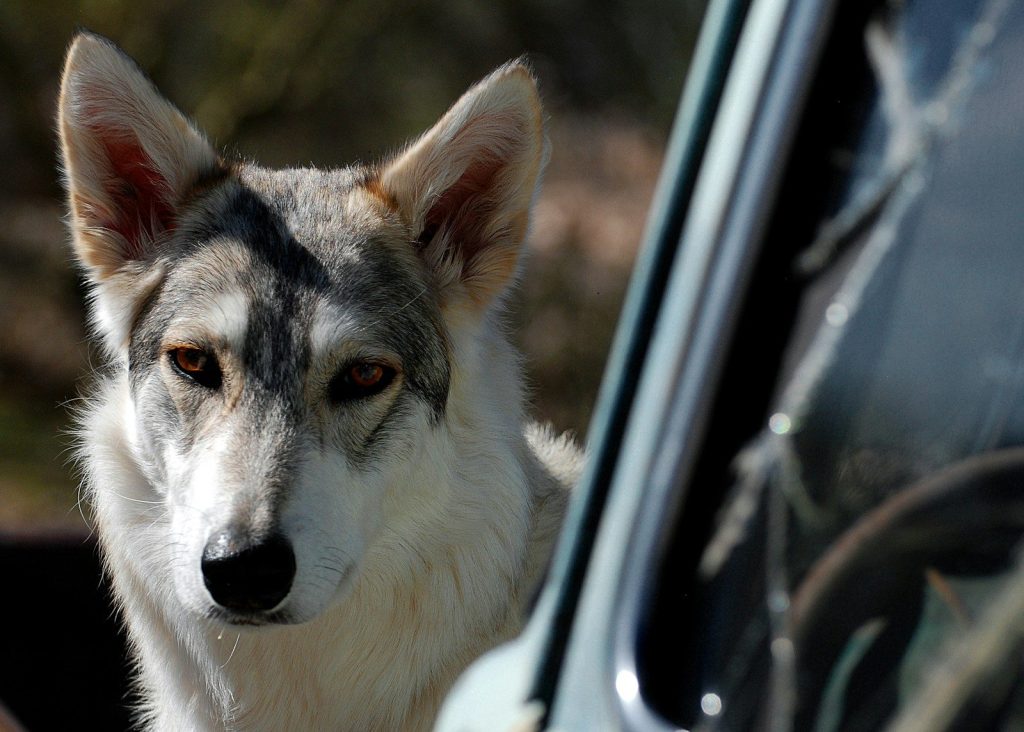
The bones show that these were not early dogs but fully sized wild wolves. However, their remains tell a different story from typical wild predators.
Some skeletons show healed injuries, meaning these animals survived long enough to recover, likely with some level of human support. This suggests they were not simply wild animals but may have lived in close proximity to people.
A Diet That Points to Human Care
Chemical analysis of the bones revealed something even more surprising: these wolves ate marine foods such as fish and seals.
These are not typical wolf prey, especially in large amounts. Scientists believe humans likely provided food, either directly or indirectly, meaning the wolves depended on people for survival in this unusual island environment.
Genetic Evidence of a Strange Population

Ancient DNA analysis shows these wolves were not closely related to modern Scandinavian wolves. Instead, they trace back to populations from farther east.
Their genetics also suggest a small, isolated group, possibly managed or influenced by human activity. However, they do not match early dog lineages, placing them in a mysterious middle ground between wild and domesticated.
Humans Moving Apex Predators Across the Sea

One of the most striking conclusions from the discovery is that prehistoric humans actively transported wolves across water.
This would have required boats, planning, and a clear reason to take such a risk. Whether for hunting, symbolism, or experimentation, it shows humans were already deeply engaged in shaping animal behavior thousands of years ago.
Rethinking How Dogs Were Born
For decades, scientists believed dog domestication was a slow and linear process. These findings suggest something far more complex.
Instead of a single origin, there may have been multiple experiments across different regions where humans lived alongside, fed, and even relocated wolves. Some of these relationships may have led to dogs, while others, like the Stora Karlsö wolves, ended without descendants.
A New Way to Understand Humans and Wolves
This discovery blurs the line between wild and domestic animals. The Stora Karlsö wolves were still genetically wild, yet behaviorally tied to humans in ways we are only beginning to understand.
They were not fully dogs, but they were not entirely wild either. They existed in a space in between, shaped by human interaction.
Ultimately, these 5,000-year-old bones reveal something profound: the relationship between humans and wolves was never simple. It was experimental, diverse, and far more advanced than we once thought.