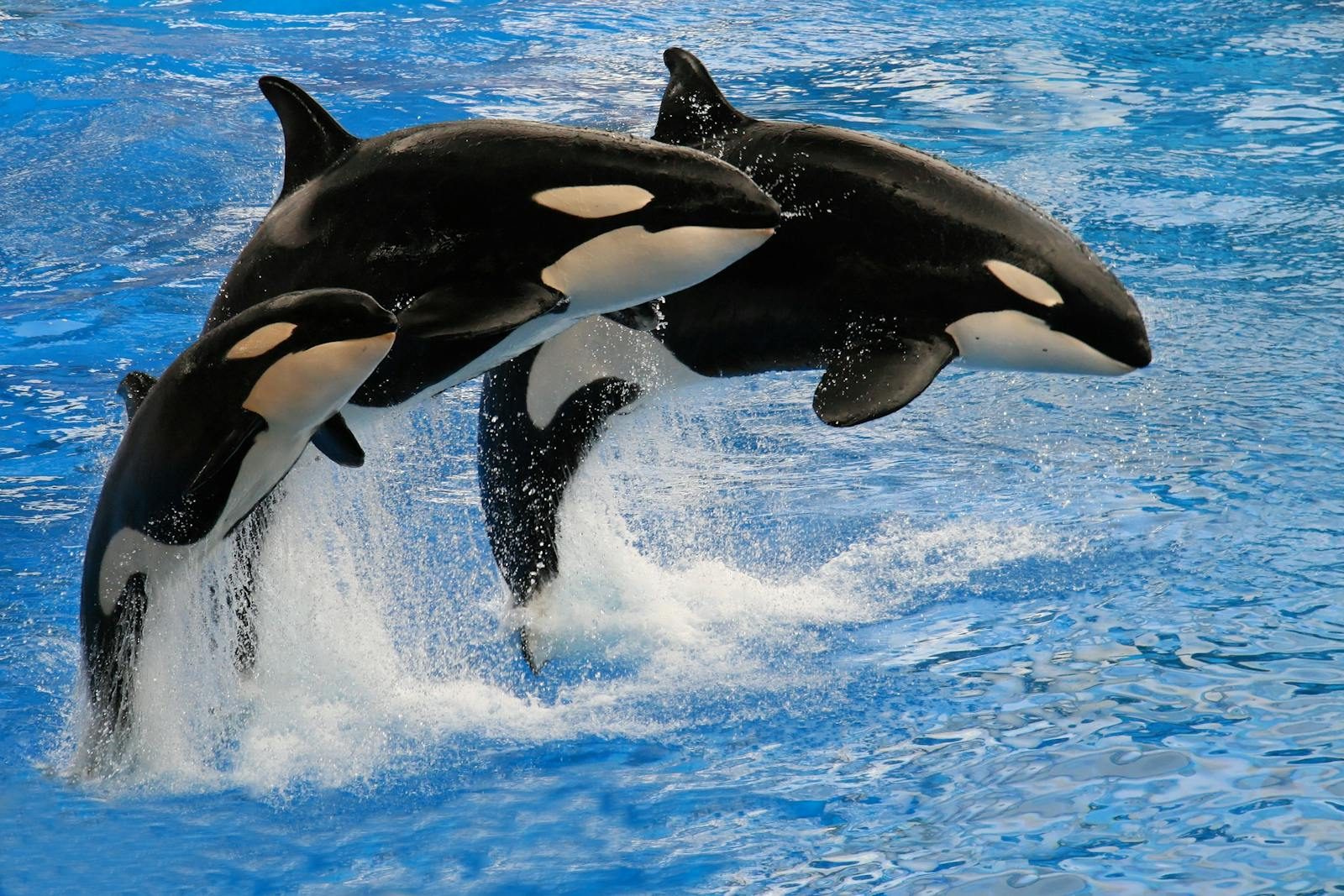
For years, orcas Wikie and Keijo entertained crowds at Marineland in Antibes, France. After France banned marine mammal performances, the park closed in 2025, leaving the whales without a permanent home. Now, plans to move them to a Spanish zoo have sparked intense debate among conservationists, animal welfare groups, and marine experts.
Why Marineland Shut Its Doors
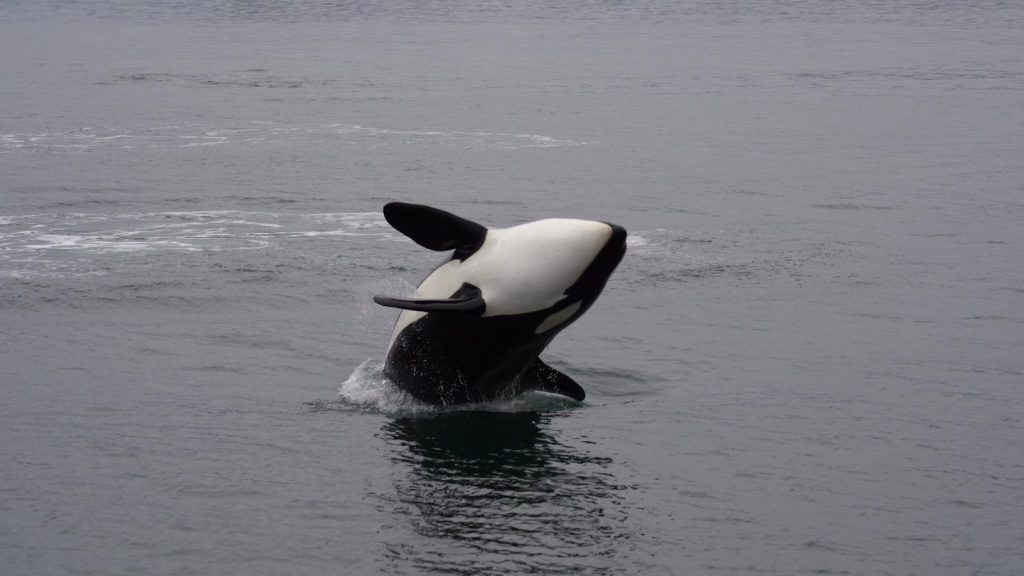
France passed laws banning whales and dolphins from being used in entertainment shows, forcing Marineland to end operations. Wikie and Keijo remained at the facility while officials searched for a safe and permanent solution.
The closure marked a major shift in Europe’s attitude toward marine mammal captivity, but it also created a difficult question about what should happen to animals already living in tanks.
The Failed Sanctuary Proposal
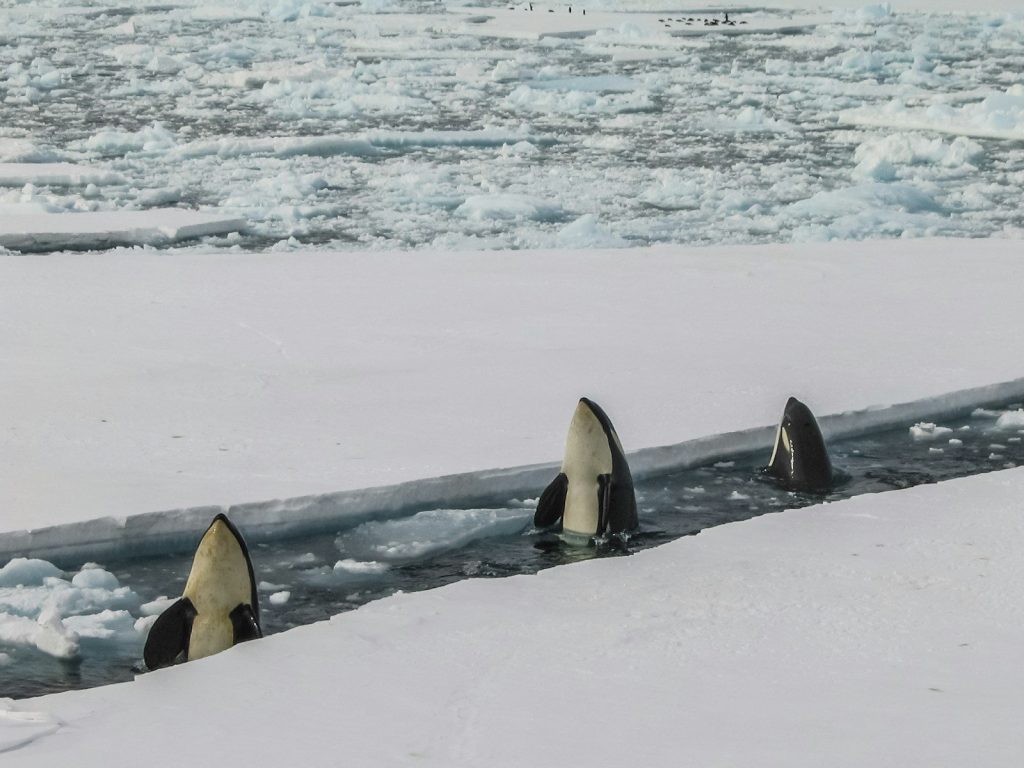
At one point, officials approved a plan to relocate the orcas to a seaside sanctuary in Nova Scotia, Canada. The idea was to give the whales a more natural environment while still providing human care.
However, experts later raised concerns about the cold Canadian waters and whether the orcas could safely adapt. The project stalled, leaving the whales stranded at Marineland for even longer.
Why Spain Became the New Destination
French authorities have now approved plans to move Wikie and Keijo to Loro Parque in Tenerife, Spain. Officials argue the transfer is urgent because the tanks at Marineland are reportedly deteriorating.
Animal welfare groups strongly oppose the decision, saying the whales could once again be used in public performances. Critics also point to previous orca deaths at the Spanish facility as a reason for concern.
The Bigger Debate Over Captive Orcas
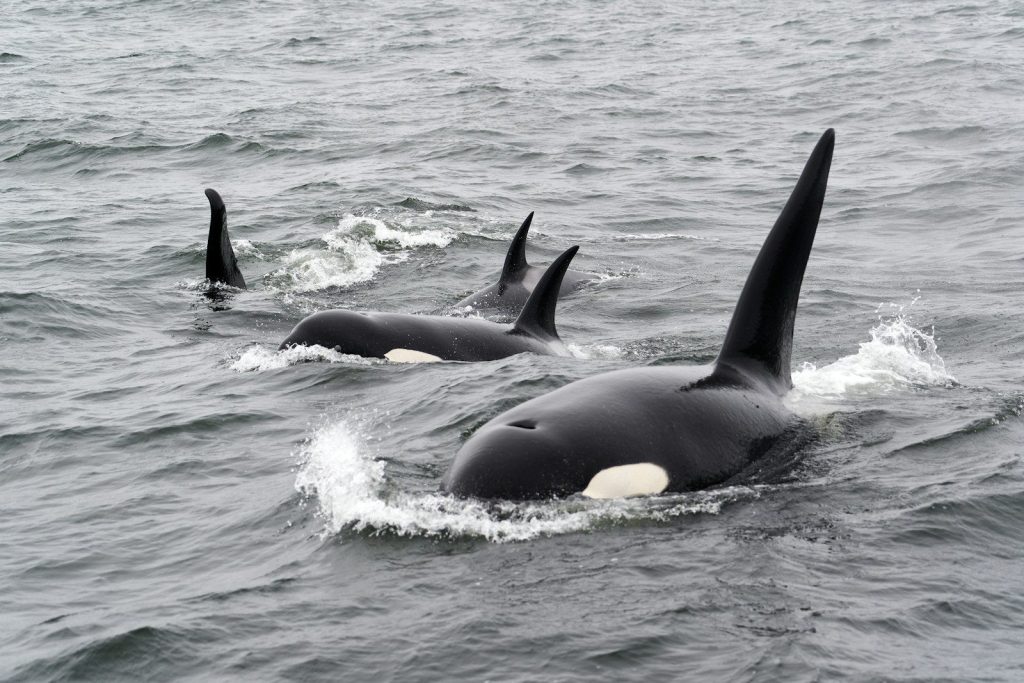
The controversy has reignited larger questions about keeping orcas in captivity. In the wild, these animals can travel enormous distances, dive deep underwater, and live within highly complex family groups.
Supporters of marine parks argue that captive whales receive medical care, food, and protection from threats in the ocean. Opponents believe no tank can truly meet the physical and emotional needs of such intelligent predators.
Why Releasing Them Isn’t an Option
Many people wonder why captive orcas cannot simply be released into the wild. Experts say whales raised in captivity often lack survival skills needed for hunting and navigating open oceans.
They may also struggle to integrate with wild pods after spending years around humans. Because of this, sanctuaries and specialized care facilities are viewed as safer alternatives.
What Happens Next for Wikie and Keijo
The transfer to Spain is expected to happen before summer temperatures become too extreme for transportation. The move itself could cost hundreds of thousands of euros and may involve cargo plane transport.
For now, Wikie and Keijo remain at Marineland while the debate continues. Their future has become part of a much larger global conversation about animal welfare, captivity, and what humans owe to creatures that have spent their lives performing behind glass walls.