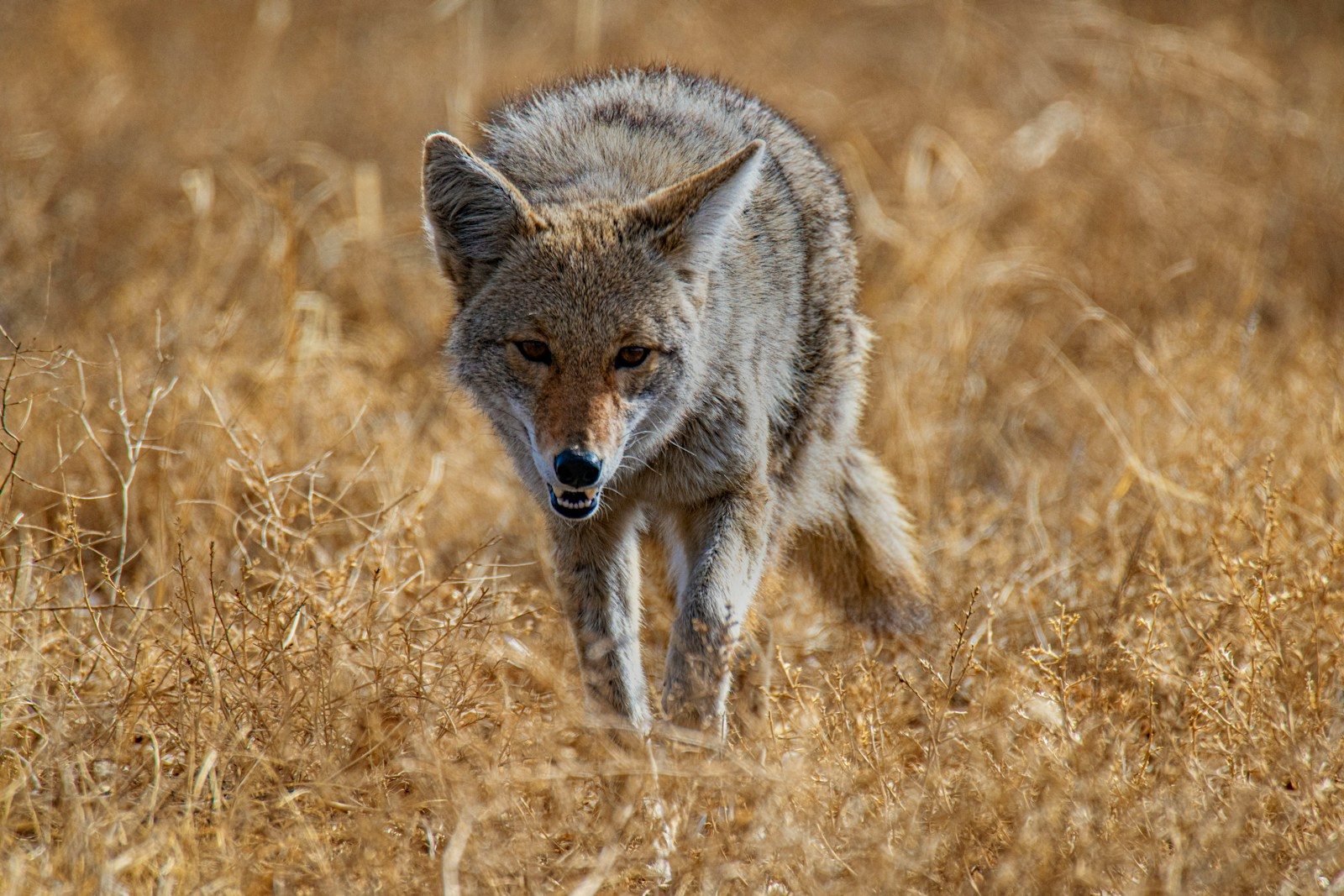
Coyotes are becoming increasingly common in neighborhoods across North America. As cities expand into natural habitats, these clever animals are learning how to survive near people, often searching for food, water, or shelter in suburban areas.
While seeing a coyote can feel alarming, wildlife experts say most encounters are harmless if handled properly.
Why Coyotes Enter Residential Areas
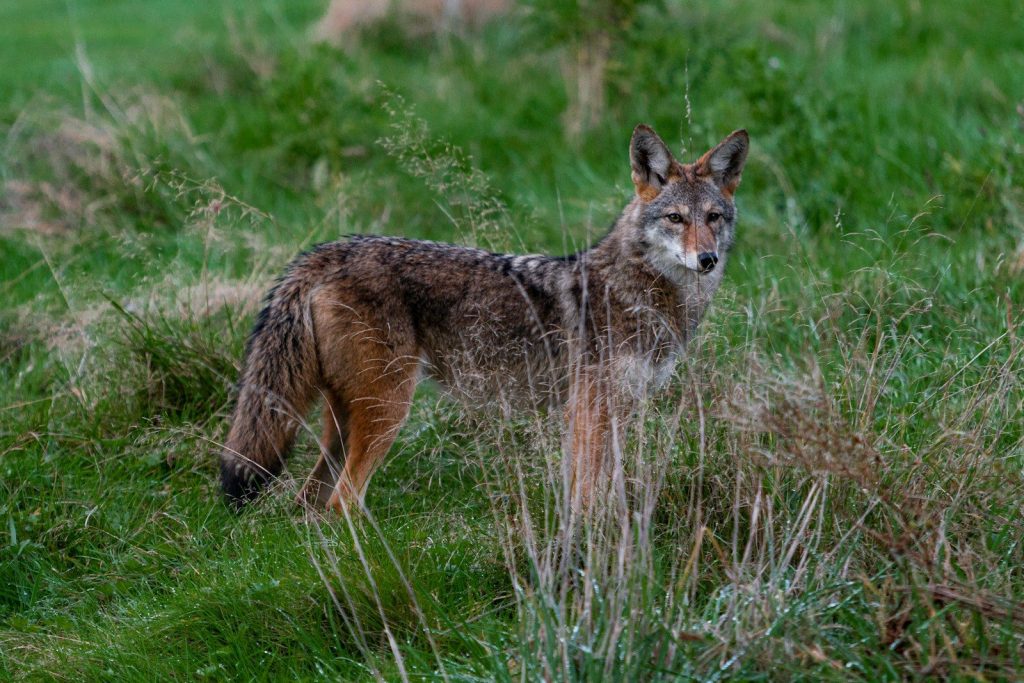
Coyotes are highly adaptable animals that can survive in deserts, forests, farmland, and cities. They are often attracted to neighborhoods by easy food sources such as pet food, garbage bins, bird feeders, or fallen fruit.
Once coyotes discover reliable food near homes, they may continue returning to the same area.
Stay Calm And Keep Your Distance
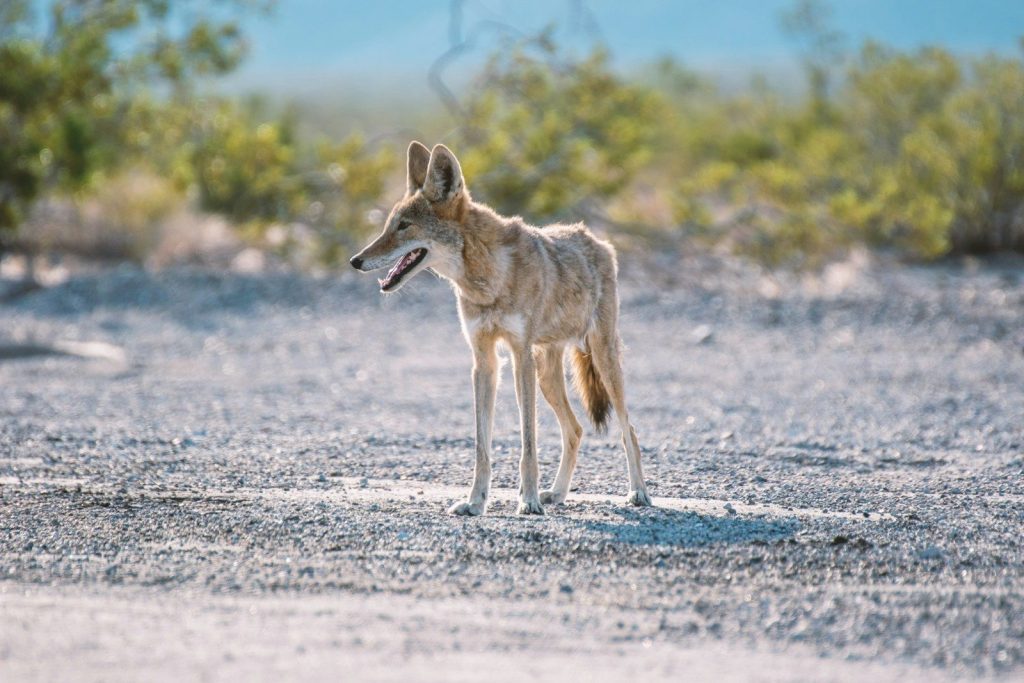
If you spot a coyote in your yard, experts recommend staying calm and avoiding sudden movements. Most coyotes are naturally cautious around humans and will usually leave on their own if they do not feel threatened.
Never approach the animal or try to feed it, even if it appears calm.
Make Yourself Look Larger

Wildlife officials often suggest “hazing” coyotes to scare them away safely. This can include waving your arms, shouting loudly, clapping, or making noise with objects like whistles or pots and pans.
The goal is to remind the coyote that humans are not something to approach comfortably.
Protect Pets Immediately

Small pets are one of the biggest reasons coyotes enter yards. Cats and small dogs can appear vulnerable to hungry predators, especially during early morning or nighttime hours.
Bring pets indoors immediately if a coyote is nearby, and always supervise animals when outside.
Remove Anything That Attracts Wildlife

Coyotes are opportunistic feeders and will return if food is available. Secure trash cans, remove outdoor pet food, clean barbecue grills, and pick up fallen fruit from trees.
Eliminating food sources is one of the most effective ways to discourage repeat visits.
Never Run From A Coyote
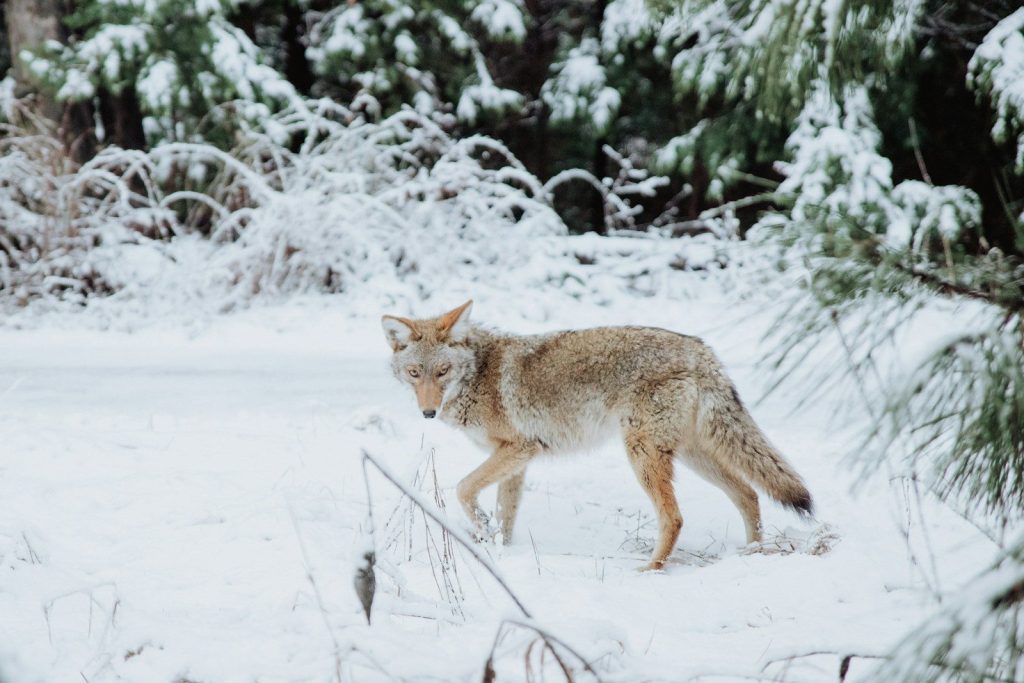
Running can trigger a predator’s instinct to chase. Instead, slowly back away while facing the animal and continuing to make noise.
Experts say maintaining eye contact and acting confidently usually encourages coyotes to retreat.
When To Contact Wildlife Officials
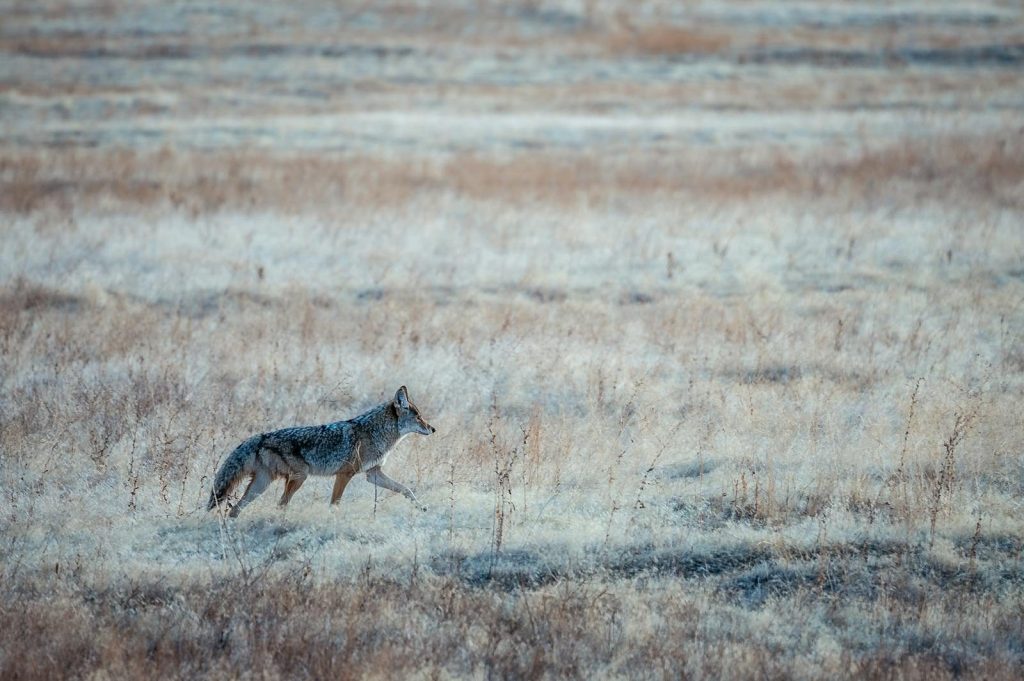
Most coyote sightings do not require emergency action. However, officials should be contacted if a coyote appears aggressive, injured, unusually fearless, or repeatedly approaches people during the daytime.
Wildlife agencies can assess whether the animal poses a risk to the community.
Coyotes Are Becoming Part Of Modern City Life
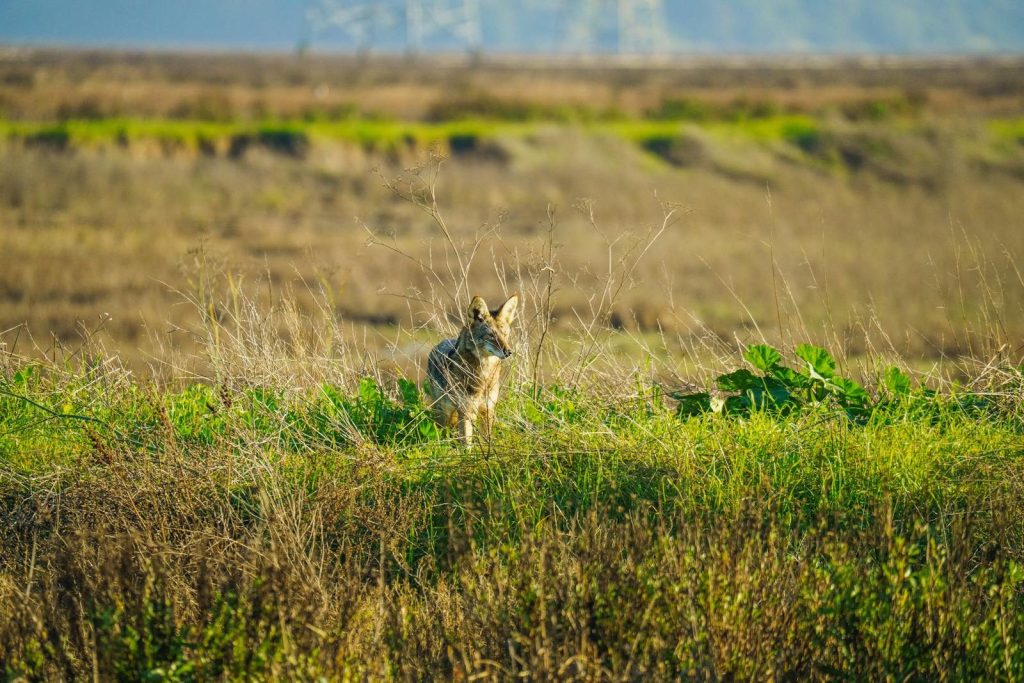
As urban development spreads, encounters with coyotes are likely to become more common. Experts say learning how to respond calmly and responsibly helps both humans and wildlife stay safer.
Understanding these animals rather than panicking can reduce conflict and prevent dangerous situations for everyone.