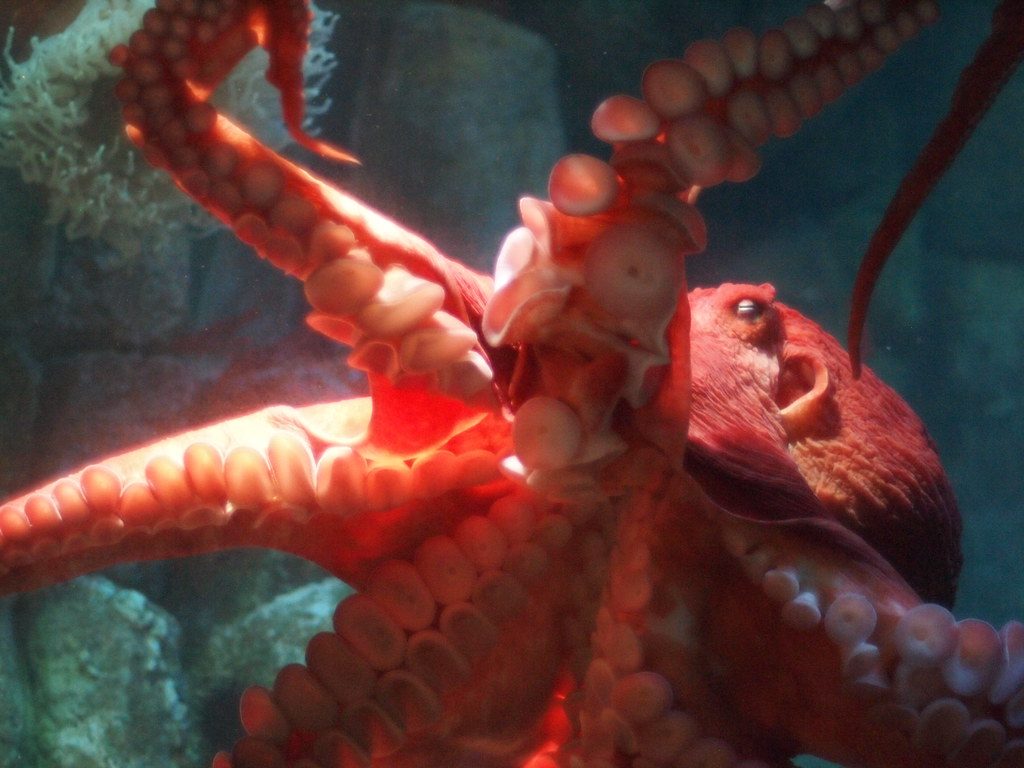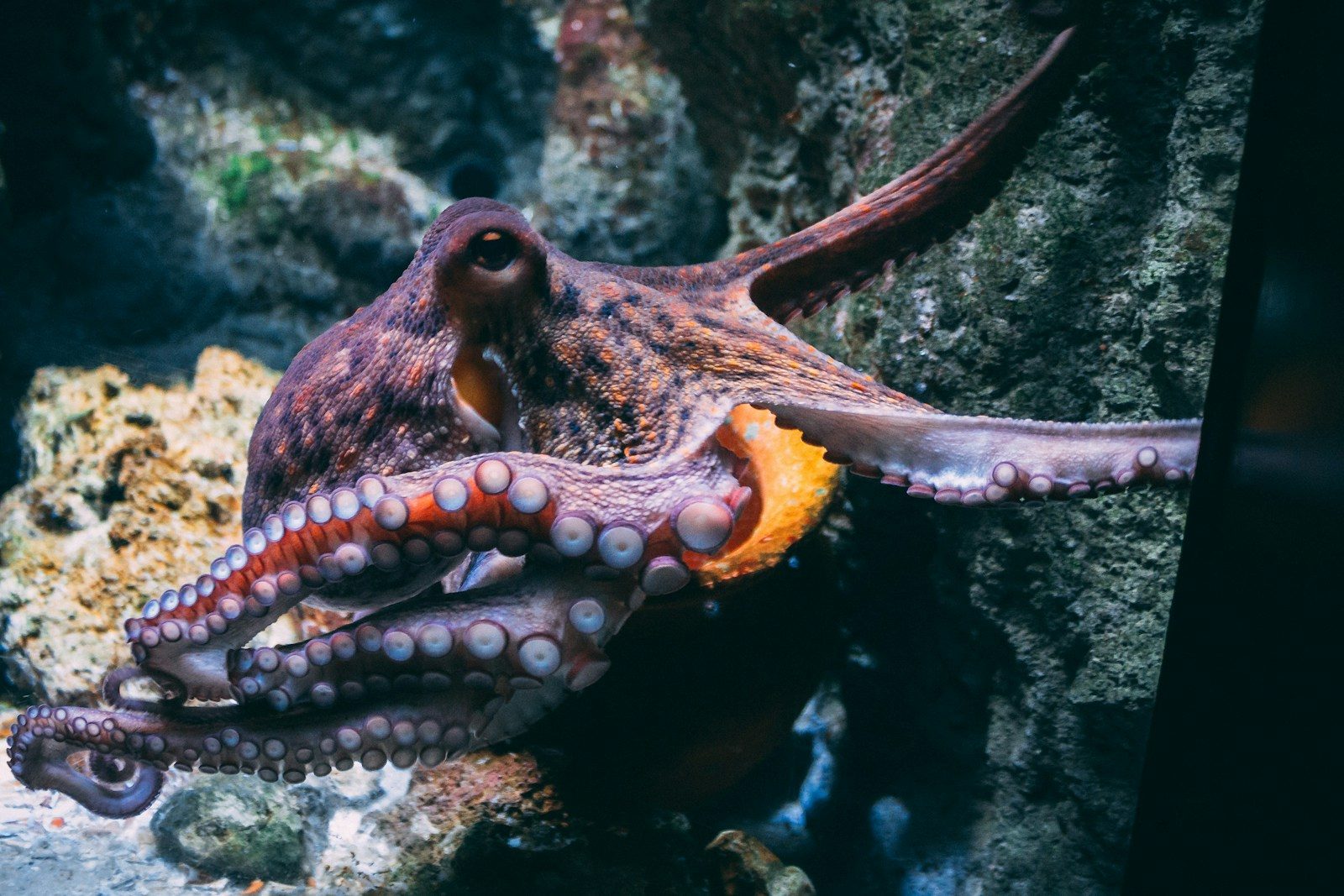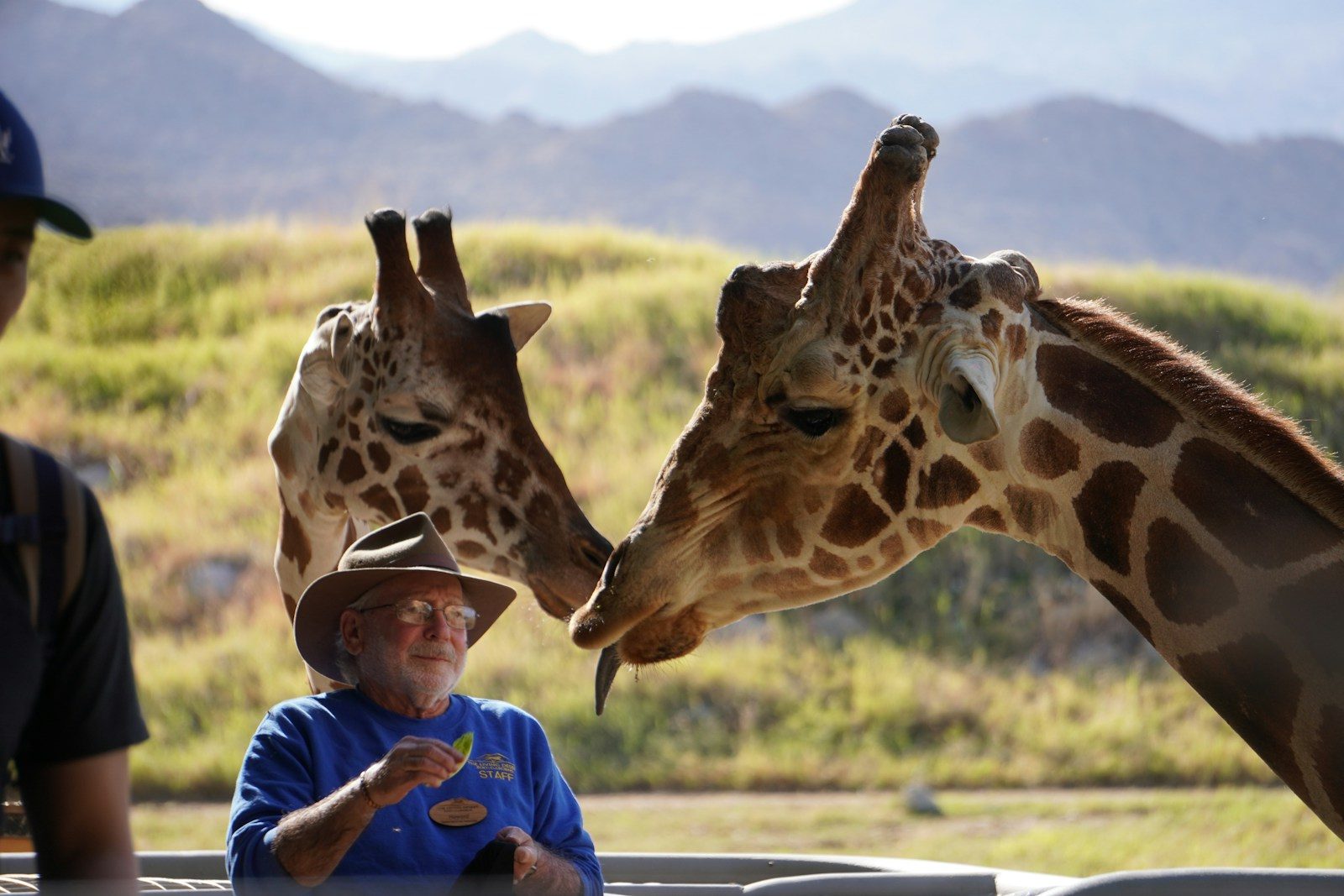
Wild animals are increasingly living closer to humans, with experts saying this shift is not unusual but a natural result of expanding cities and shrinking habitats. As urban areas grow, many species are adjusting by settling near human homes, farms, and towns.
Researchers say this growing overlap is part of a global pattern where wildlife and people are sharing more space than ever before.
Habitat Loss Is Pushing Animals Closer to People
One of the biggest reasons animals are appearing near homes is habitat loss. Forests, grasslands, and wetlands are being replaced by housing, roads, and farmland, leaving fewer safe spaces for wildlife.
As natural habitats shrink, animals are forced to search for food and shelter in nearby human areas.
Cities Offer Unexpected Food and Shelter
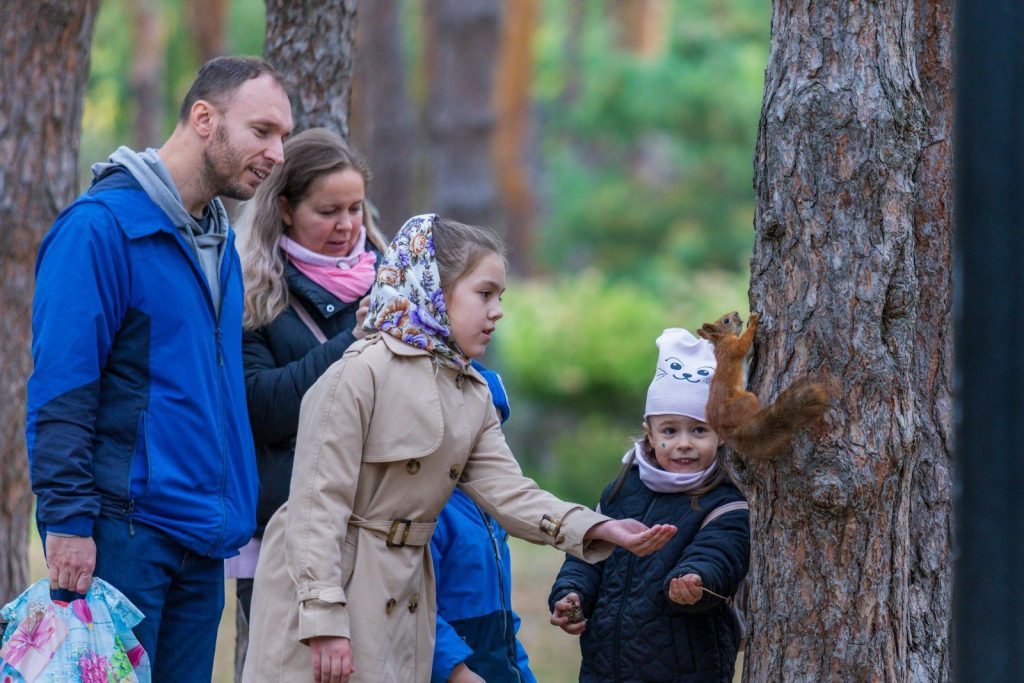
Urban environments often provide easy access to food sources such as garbage, crops, pet food, and garden plants. These resources can attract animals that would normally avoid human settlements.
Buildings, sheds, and green spaces can also offer shelter, especially for smaller or adaptable species.
Many Species Are Adapting to Urban Life
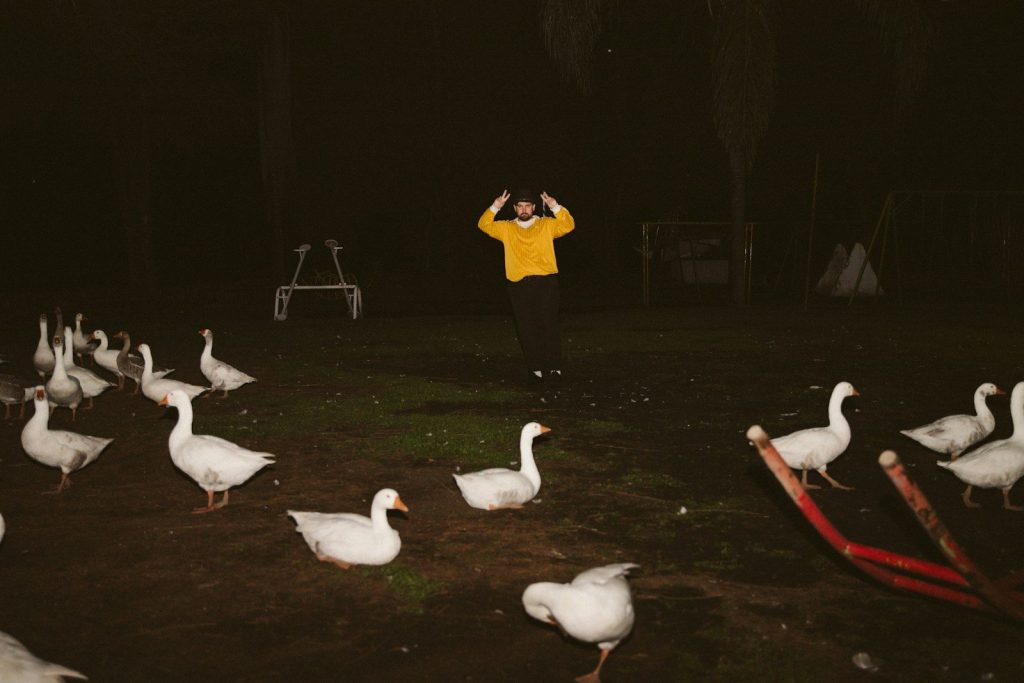
Some animals are not just surviving near humans but adapting to city life. Species like foxes, raccoons, birds, and even large mammals in some regions are changing their behavior to live alongside people.
Studies show that many wildlife species now travel shorter distances and spend more time near human-developed areas than in the past.
Human Activity Changes Animal Behavior
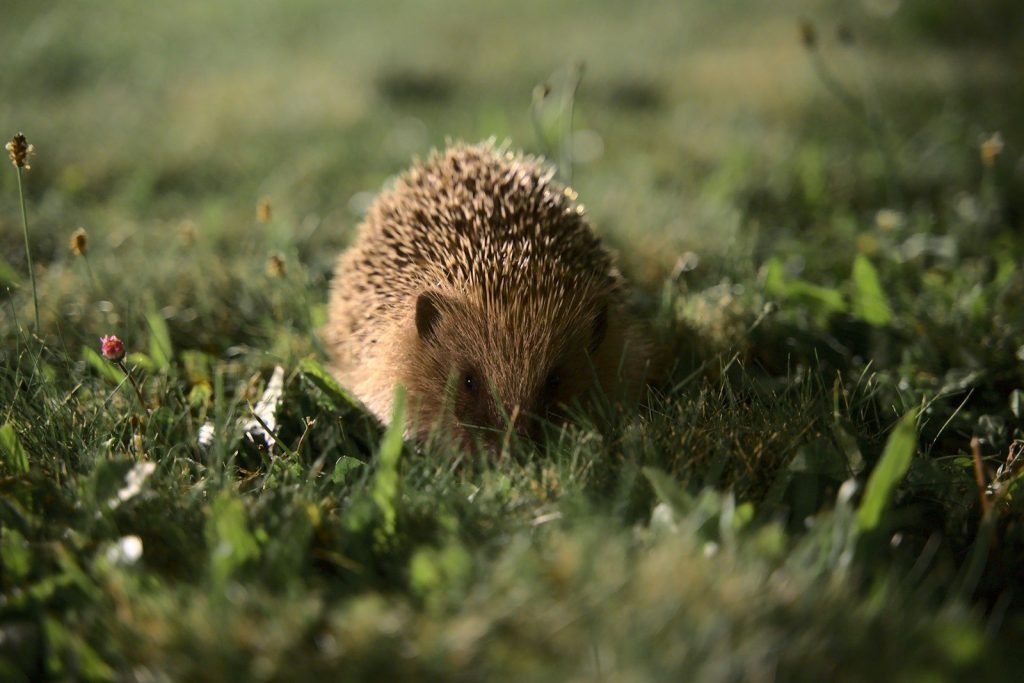
As human development spreads, it fragments ecosystems into smaller patches. This can change how animals move, feed, and interact with each other.
Some species become more cautious, while others become more confident and willing to explore human spaces.
Wildlife Encounters Are Becoming More Common
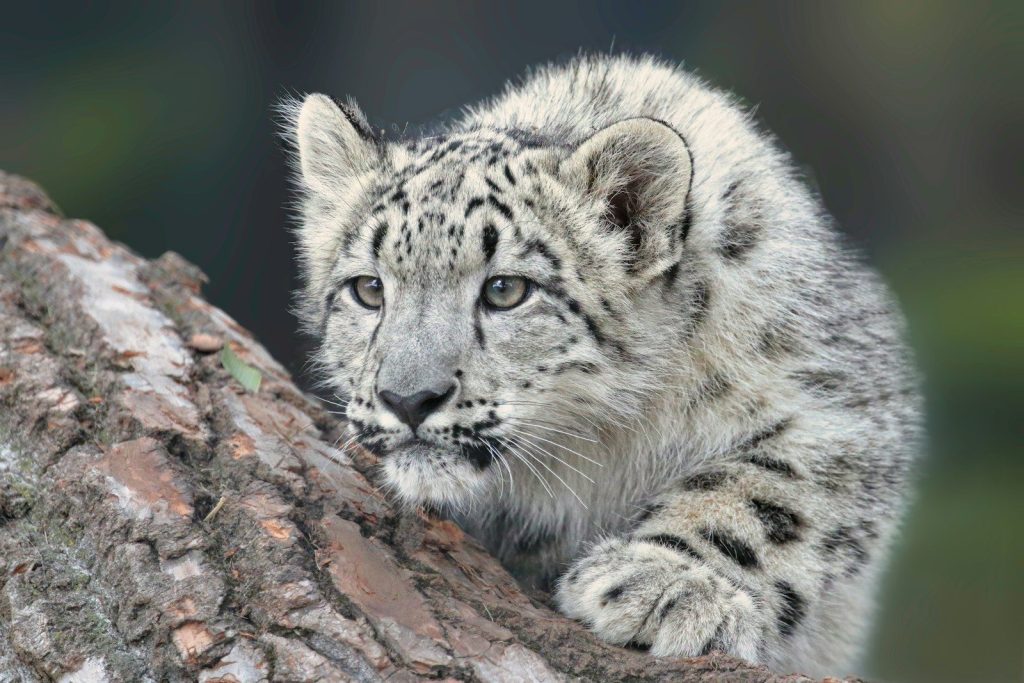
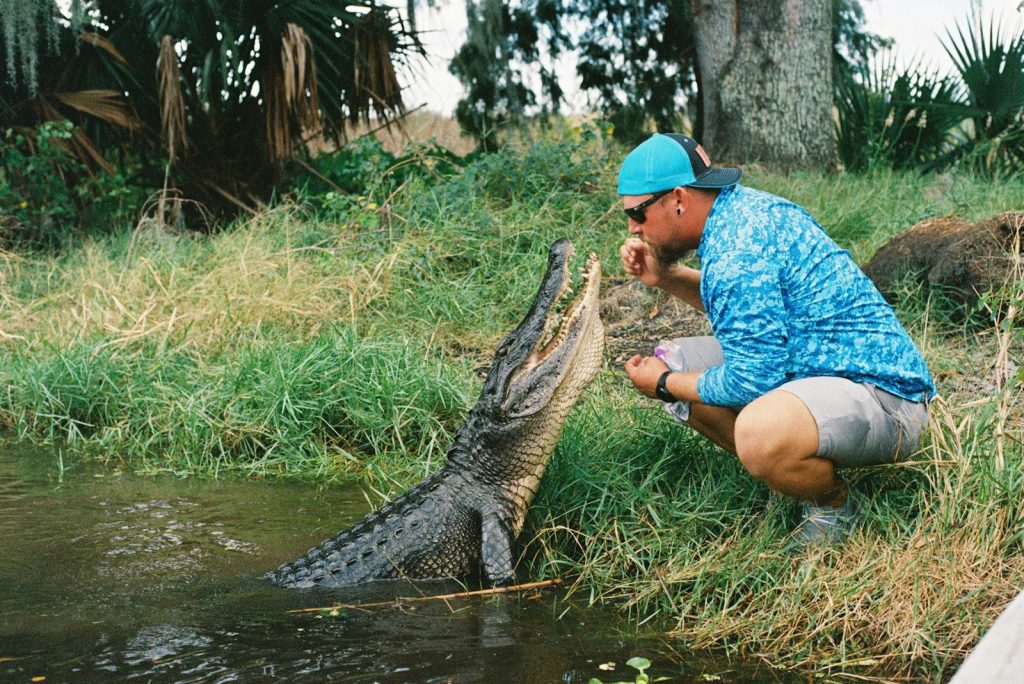
With animals and people sharing more space, encounters are happening more frequently. These interactions can range from harmless sightings to occasional conflicts, especially in areas where food is easily available.
Experts say most wildlife avoids humans when possible, but proximity increases the chances of contact.
Not All Animals Thrive in Human Areas
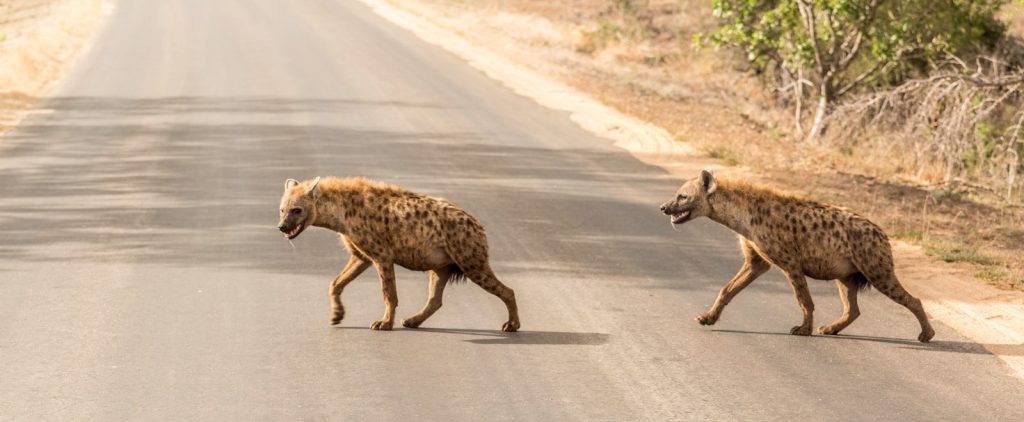
While some species adapt well, others struggle to survive in urban environments. Animals that require large territories or specific habitats often decline as cities expand.
This imbalance can change local ecosystems and reduce biodiversity over time.
Experts Say Coexistence Is the New Normal
Scientists suggest that human-wildlife coexistence is becoming a long-term reality. Instead of completely separating nature from cities, the focus is shifting toward managing shared spaces more responsibly.
This includes protecting green corridors, reducing waste access, and designing urban areas that are safer for wildlife and people alike.