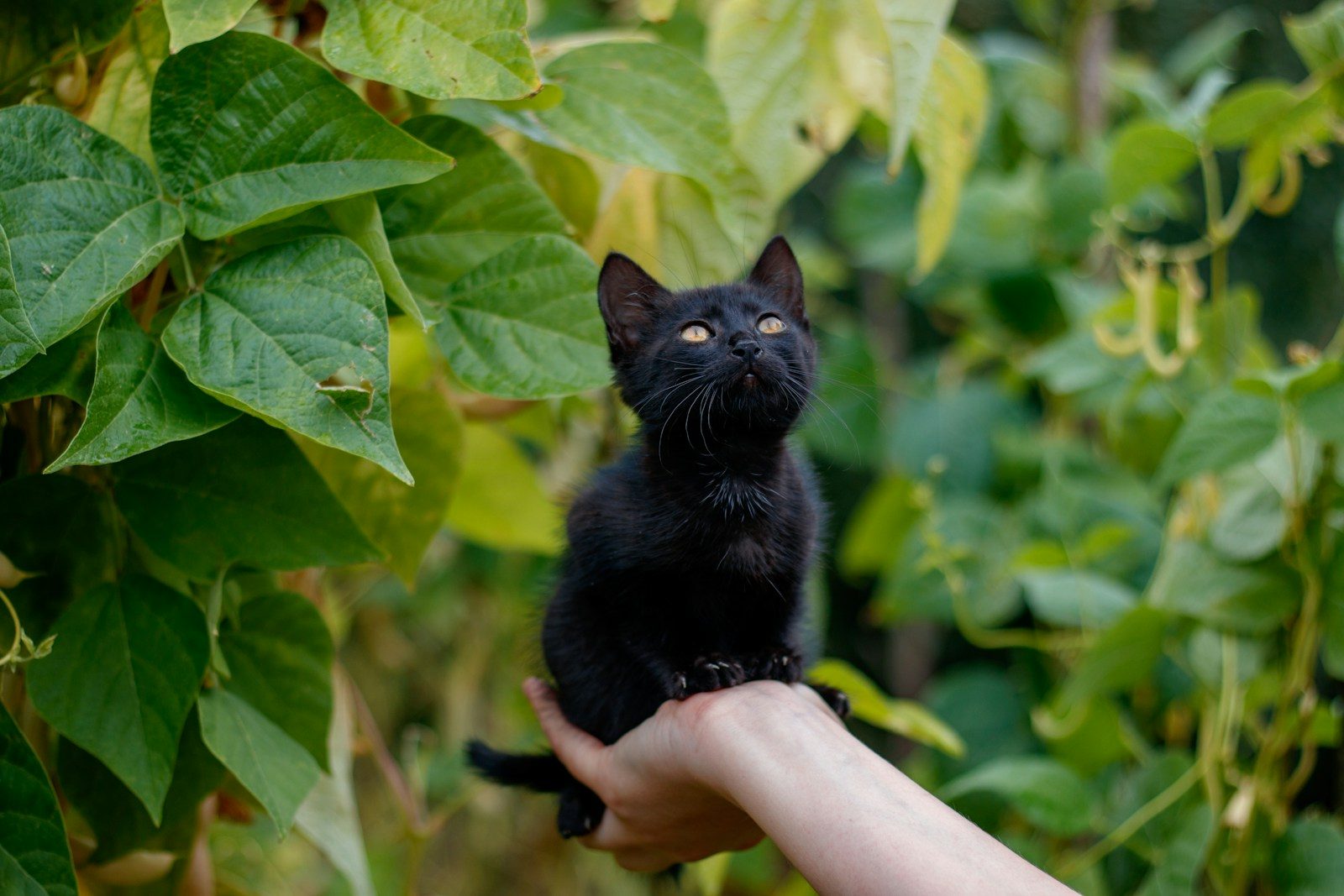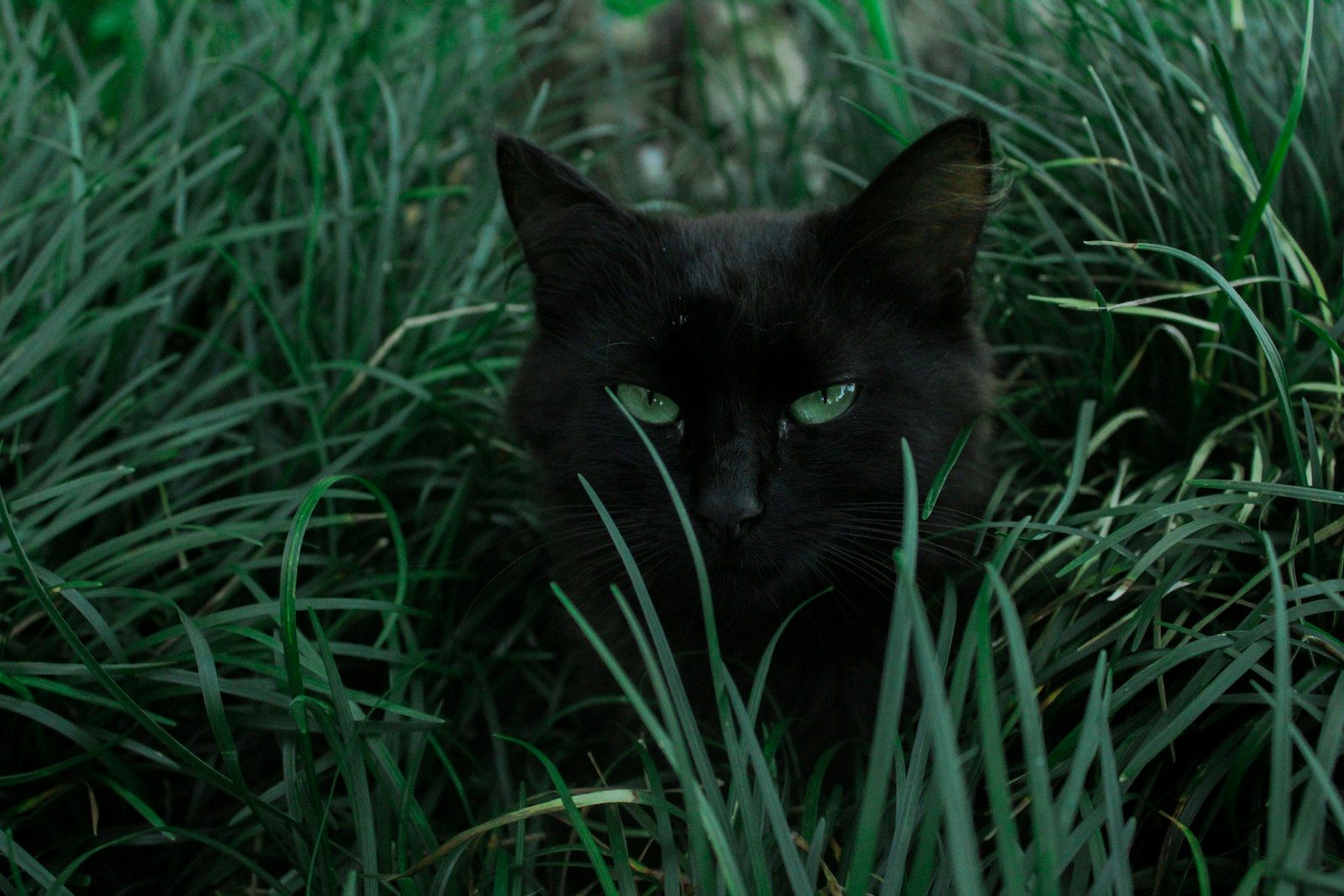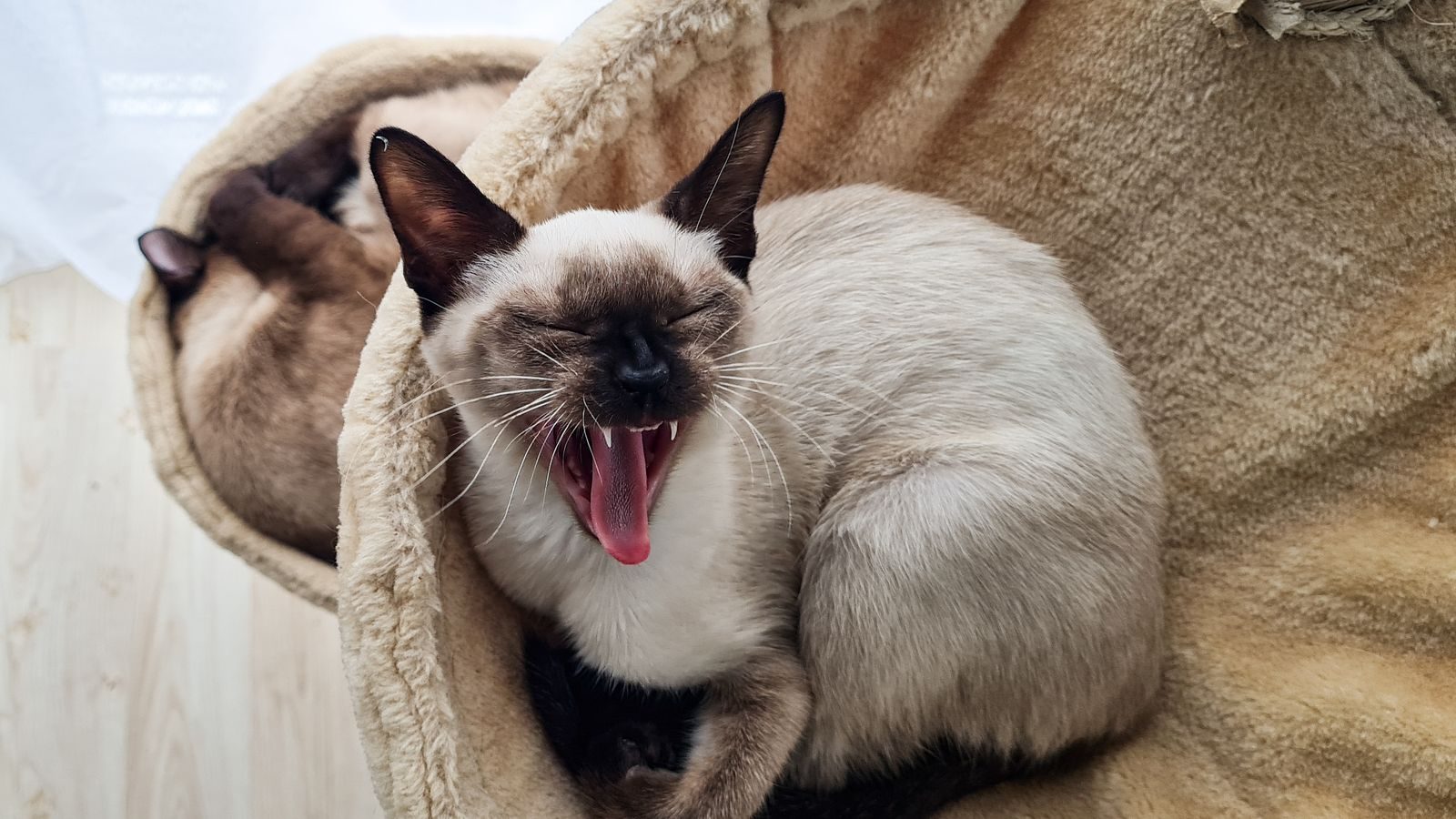
Cats are often seen as independent animals that prefer doing things on their own terms rather than cooperating with humans in the way dogs do. This behavior is sometimes interpreted as disinterest or unwillingness to help, but it is actually rooted in their evolutionary history and natural survival instincts.
Unlike highly cooperative species, cats developed as solitary hunters, which shaped how they interact with both humans and their environment. Their behavior reflects independence rather than a lack of intelligence or affection.
Cats Are Naturally Independent Hunters
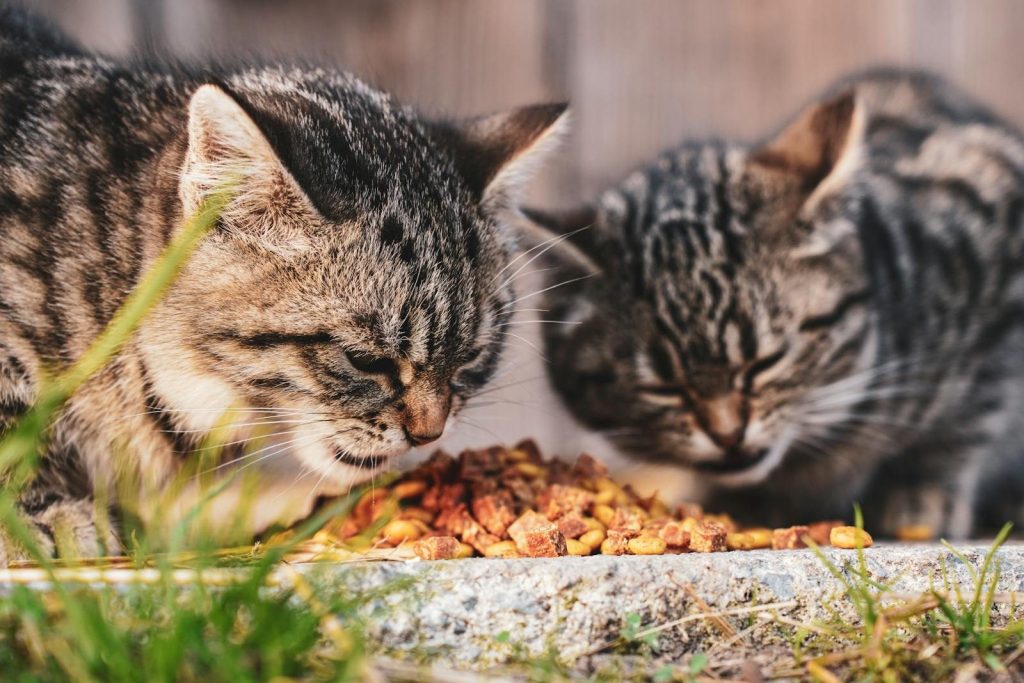
Cats evolved as solitary hunters rather than pack animals, which influences how they approach tasks and interaction. Unlike dogs, they were not selectively bred for cooperative work alongside humans.
This independence means they are less motivated to follow commands or participate in group activities. Their survival historically depended on individual decision-making rather than teamwork.
Cooperation Was Not a Key Evolutionary Trait
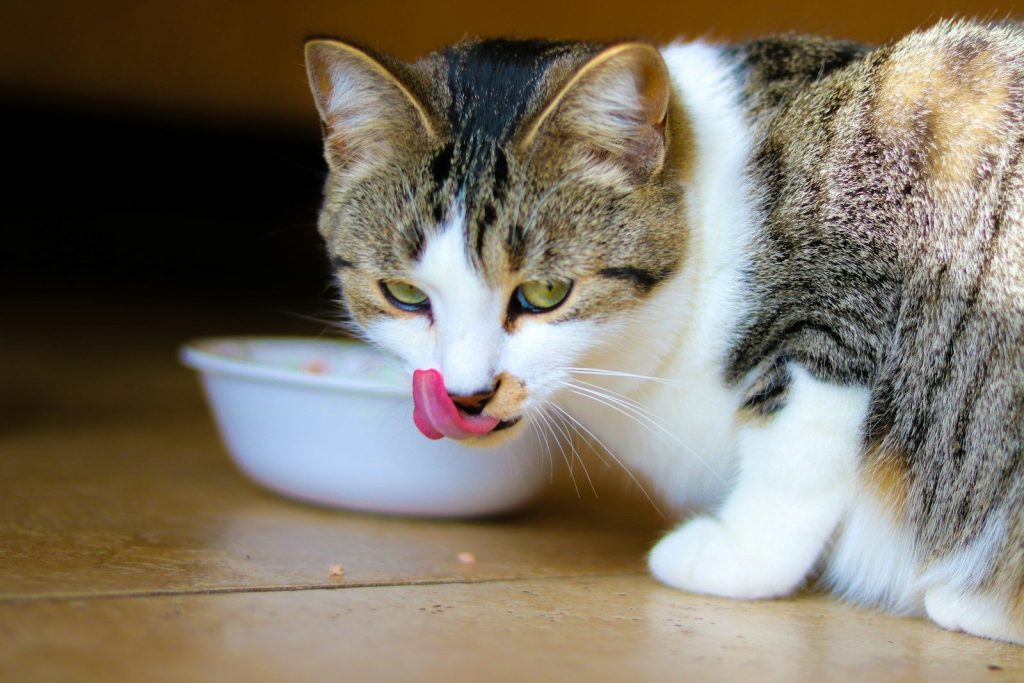
Domestic cats did not undergo the same long term selective breeding for cooperation that dogs experienced. As a result, their instincts remain more self directed and less focused on human approval.
They may observe human behavior but are not naturally inclined to assist unless there is a clear personal benefit. This makes their behavior appear selective or unpredictable.
Motivation Works Differently for Cats
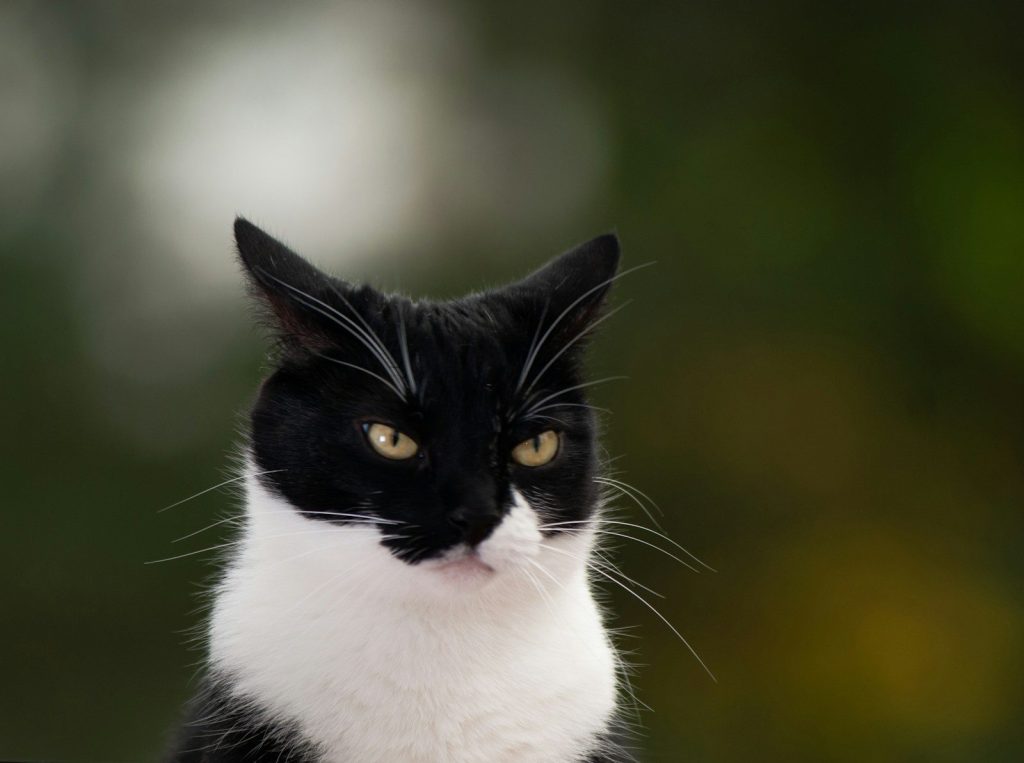
Cats respond strongly to personal motivation such as food, comfort, or curiosity rather than social reward alone. This differs from dogs, which are often motivated by praise and group bonding.
Because of this, cats may ignore tasks that do not provide immediate value to them. Their behavior is goal oriented rather than cooperative.
Communication Styles Between Cats and Humans Differ
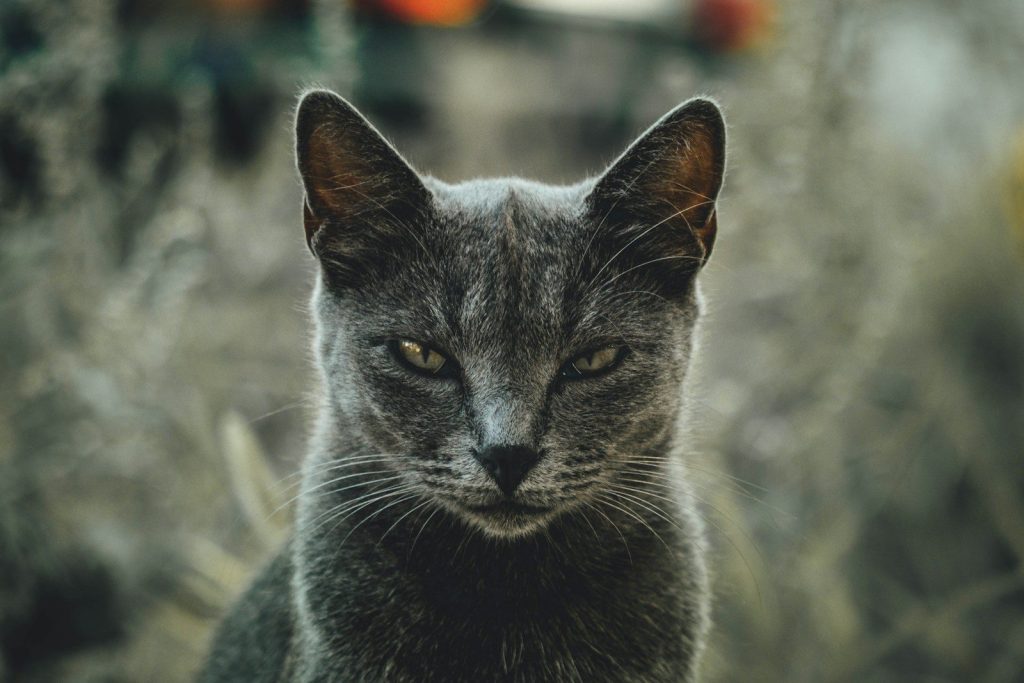
Cats communicate through subtle body language rather than overt signals or obedience cues. Humans often misinterpret this communication style as aloofness.
Understanding feline signals like tail position, ear movement, and slow blinking can improve interaction. Miscommunication often leads to the perception that cats are unhelpful.
Cats Do Form Bonds, Just in Different Ways
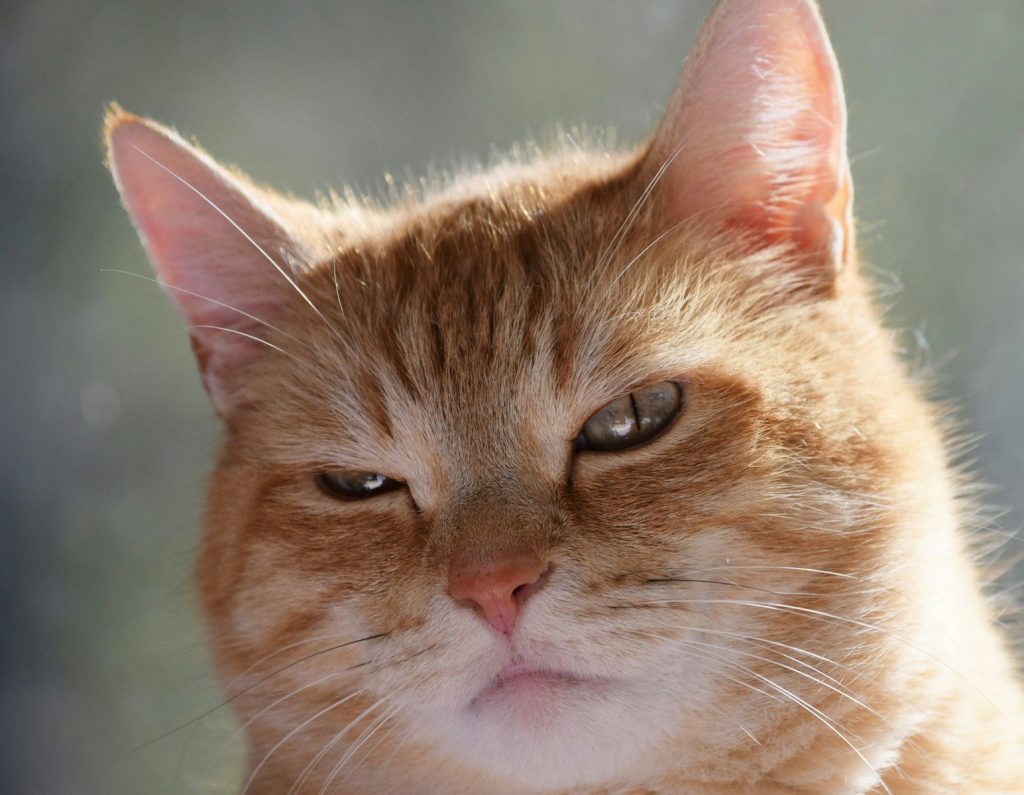
Although cats may seem independent, they do form strong attachments to humans. These bonds are often expressed through proximity, grooming, or quiet companionship rather than active assistance.
Their affection is more subtle but still meaningful. Many cats show loyalty without displaying overt cooperative behaviors.
Play Behavior Is Not the Same as Helping
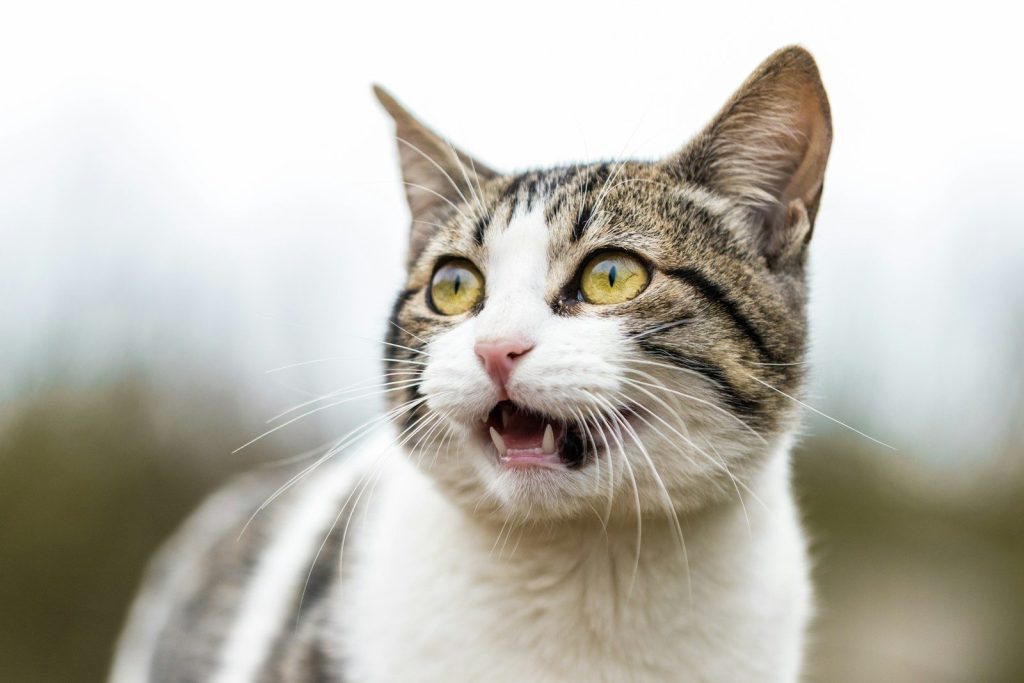
When cats interact with objects or humans, it is usually driven by play or curiosity rather than a desire to assist. Their actions are exploratory rather than purposeful in a human sense.
This can make their behavior seem random or uncooperative. However, it is a normal part of feline development and stimulation.
Cats Were Not Selected for Task-Based Roles
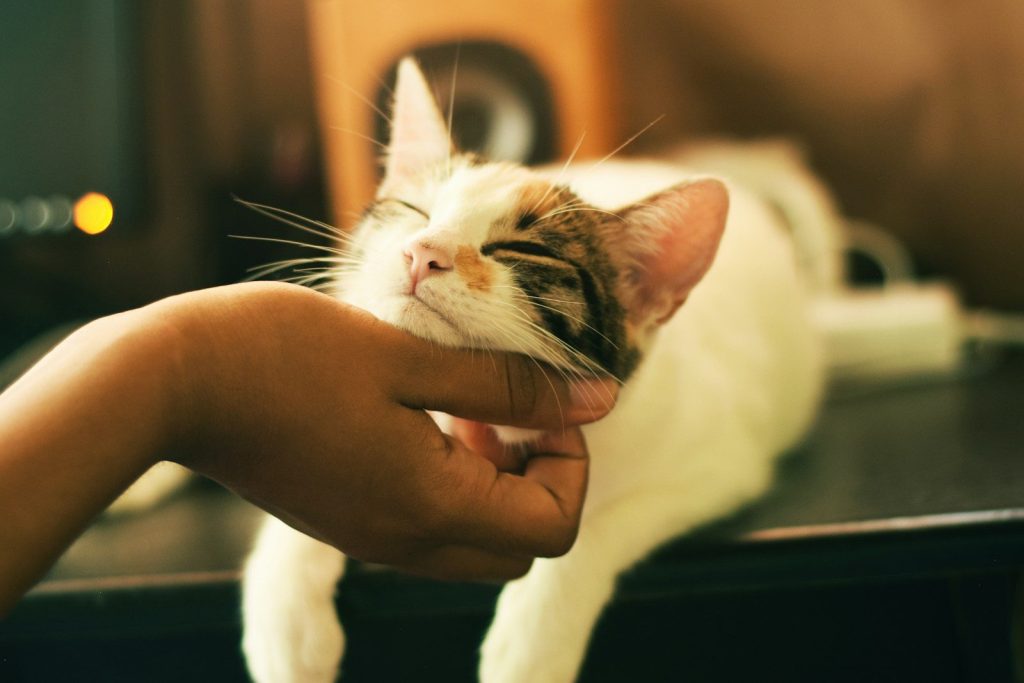
Unlike working dogs bred for herding, guarding, or retrieving, cats were primarily valued for pest control. This role required independence rather than cooperation.
As a result, there was little evolutionary pressure for cats to develop helpful behaviors toward humans. Their instincts remain closely tied to self-sufficiency.