
For more than four decades, a beloved pet tortoise named Speedy was believed to be male. The family had no reason to question it. Speedy displayed behaviors commonly associated with male tortoises and had been a familiar presence in the household for 41 years. Then, in a surprising twist, the family’s longtime pet laid eggs, revealing that Speedy was actually female.
The unexpected discovery left the owners astonished and quickly turned an ordinary veterinary visit into an unforgettable story.
A Lifetime of Assumptions
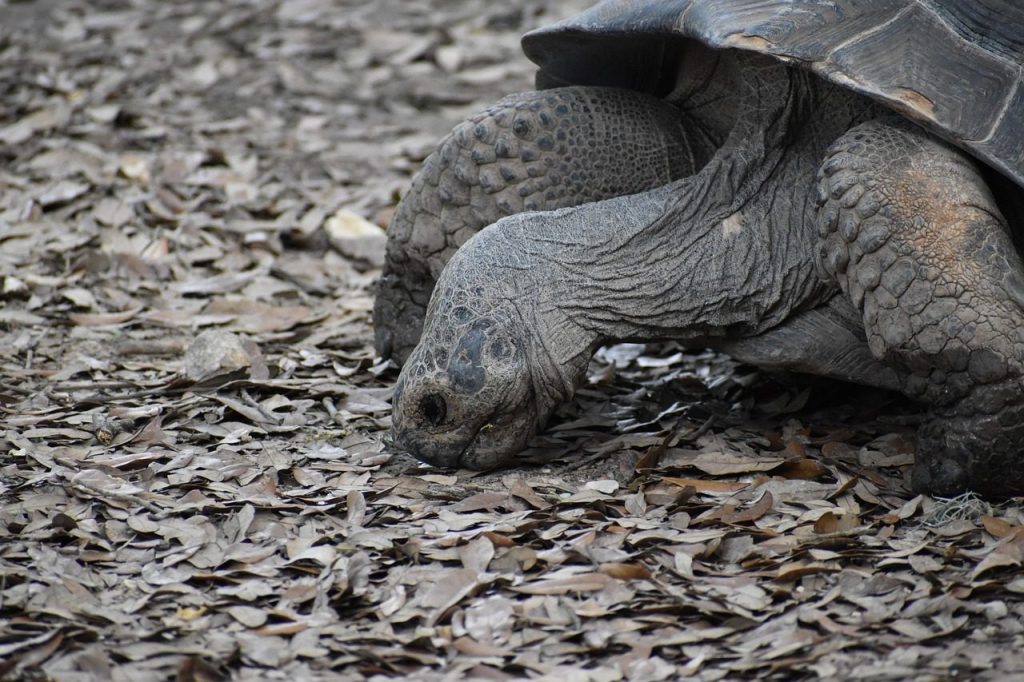
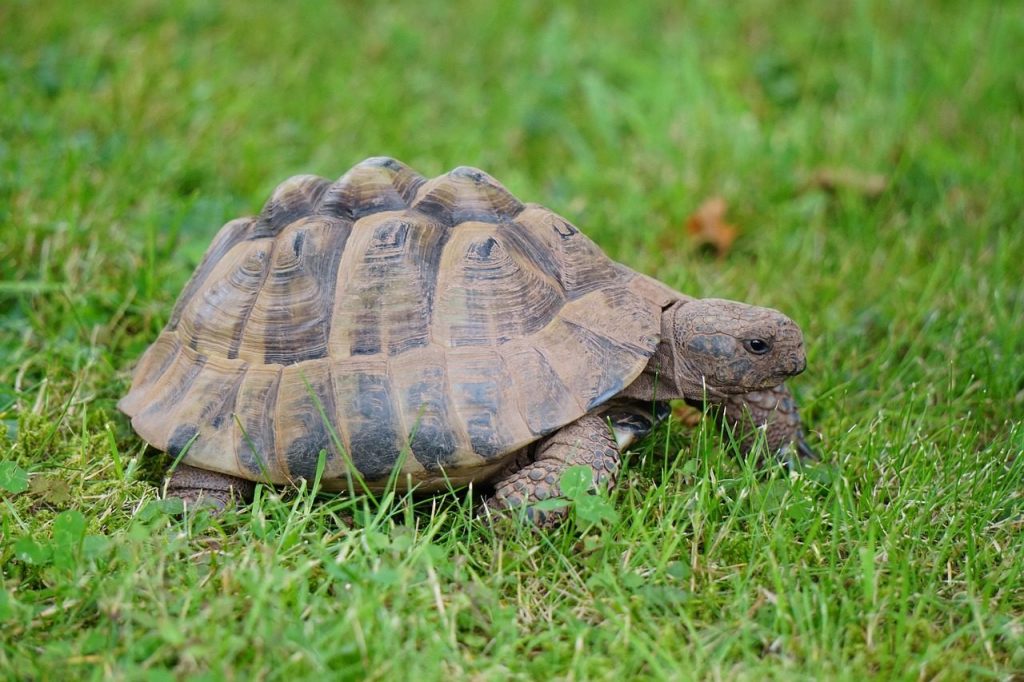
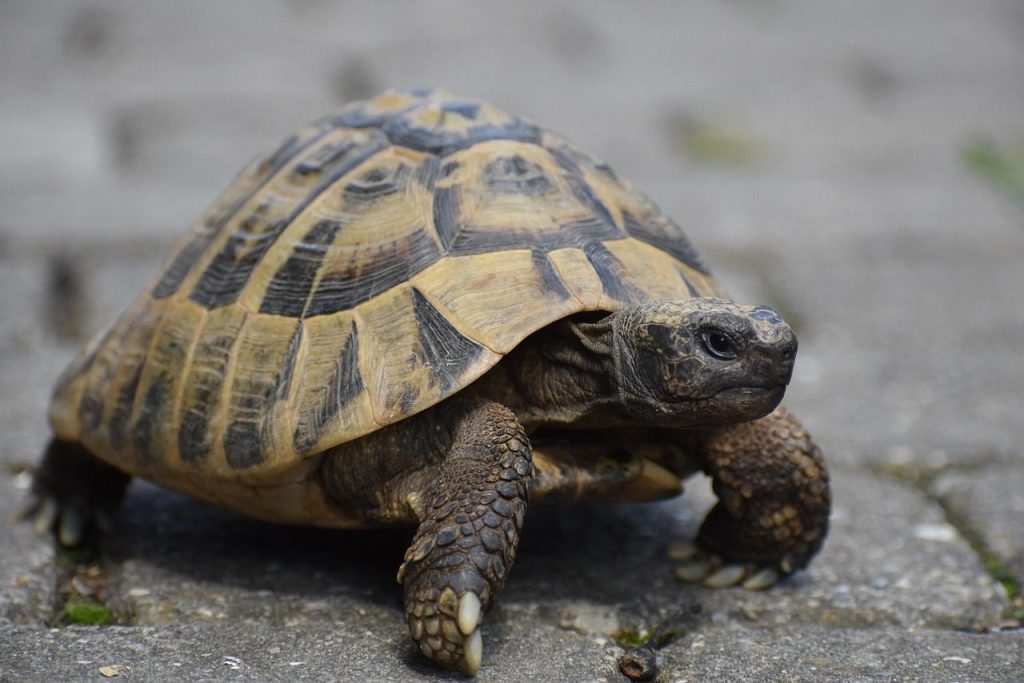
Speedy, a Greek spur-thighed tortoise, had spent most of her life being identified as male. The assumption seemed reasonable based on her behavior. She often displayed actions such as head-butting objects and attempting to mount items in the garden, behaviors frequently linked to male tortoises.
Over the years, the family never suspected otherwise. Like many tortoise owners, they relied on physical traits and behavior to determine their pet’s sex. However, tortoises can be surprisingly difficult to identify correctly, especially when they are young.
After more than four decades, the family believed they knew everything there was to know about their pet. They were about to learn that nature still had a surprise in store.
Strange Behavior Sparks Concern

The revelation began when Speedy started acting differently. Her owner noticed that she had become less interested in food and was spending unusual amounts of time digging holes around the garden.
Concerned about her health, the family arranged a veterinary appointment. What they expected to be a routine checkup quickly became something far more surprising.
An X-ray revealed that Speedy was carrying eggs.
The diagnosis immediately changed everything the family thought they knew about their tortoise. Soon after returning home, Speedy laid several eggs, confirming beyond doubt that she was female.
Why Tortoise Sex Can Be Difficult to Determine

Although Speedy’s story may seem extraordinary, experts say it is not entirely uncommon. Determining the sex of many tortoise species can be challenging.
Physical differences between males and females often become more noticeable only when tortoises reach maturity. Even then, some individuals do not fit the typical patterns that owners and breeders use for identification.
Behavior can also be misleading. While mounting and territorial actions are often associated with males, females can sometimes display the same behaviors. This can result in mistaken identities that last for years, or even decades.
Could the Eggs Hatch?
The family now faces another intriguing question: are the eggs fertile?
They believe there may have been a chance for fertilization when they temporarily cared for a friend’s male tortoise during the previous year. The eggs have since been carefully protected while they incubate.
However, experts note that female tortoises can lay eggs even if they have not mated. In such cases, the eggs are infertile and will never develop into hatchlings.
For now, the family must wait patiently to see what happens.
A Reminder That Pets Can Still Surprise Us
Speedy’s remarkable story highlights just how mysterious and fascinating animals can be. Even after 41 years of companionship, a pet can reveal something completely unexpected.
Whether the eggs eventually hatch or not, Speedy’s journey serves as a reminder that nature is full of surprises. Sometimes, even the animals we think we know best can teach us something new after decades together.