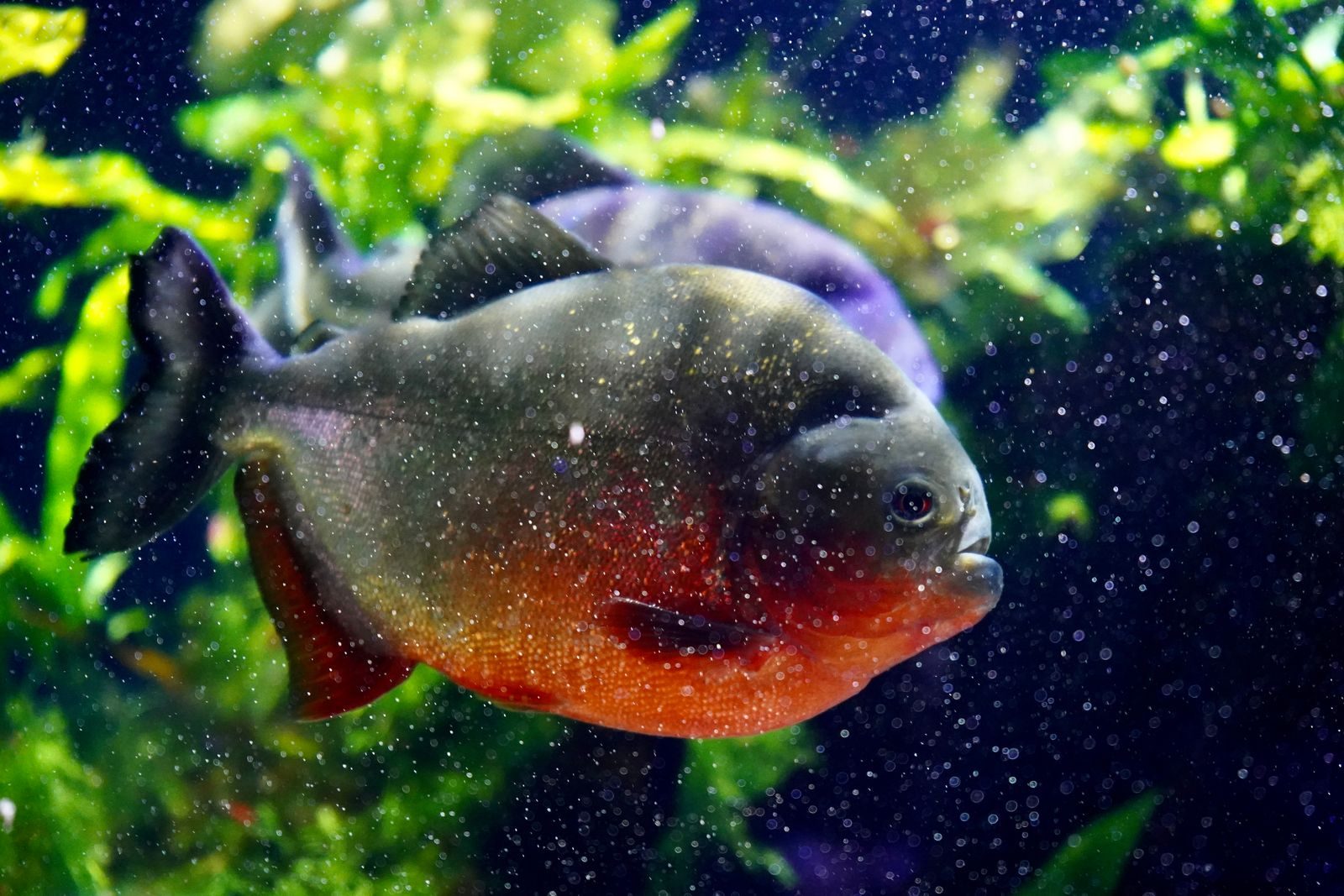
Few animals have a reputation as fearsome as the piranha. Movies and television often portray these South American fish as relentless predators capable of stripping a person to the bone within minutes. In reality, the truth is far less dramatic. While piranhas possess razor-sharp teeth and powerful jaws, attacks on humans are uncommon, and most species are far less aggressive than popular culture suggests. Understanding their natural behavior helps separate fact from fiction.
Hollywood Greatly Exaggerated Their Reputation
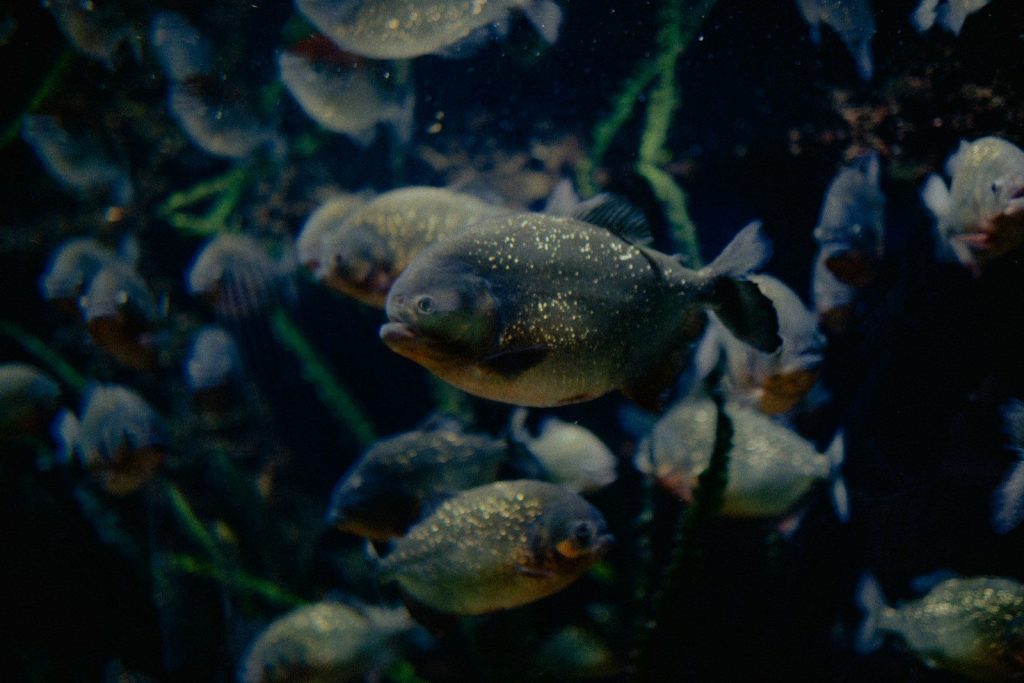
The image of schools of piranhas instantly attacking anything that enters the water has been fueled largely by films and sensational stories. Although piranhas are capable of inflicting painful bites, the idea that they routinely devour healthy humans is largely a myth.
Scientists have found that most piranha species are opportunistic feeders rather than relentless hunters. They often eat fish, insects, fruits, seeds, and carrion instead of actively pursuing large animals.
They Have Incredibly Powerful Teeth
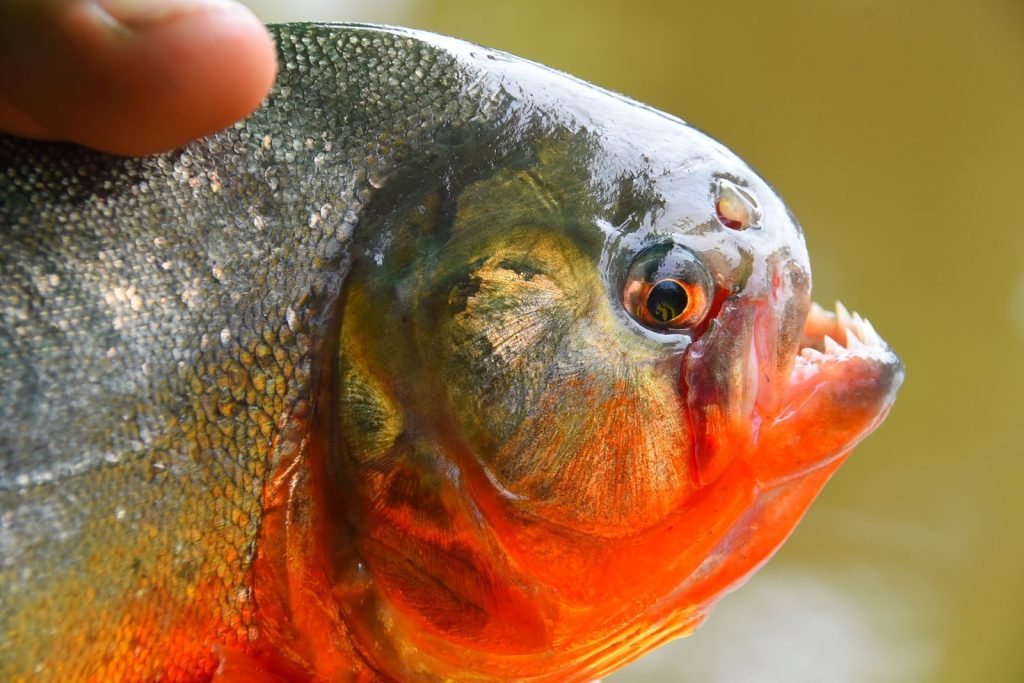
Piranhas are equipped with sharp, triangular teeth that interlock like scissors, allowing them to slice through flesh with remarkable efficiency. Relative to their body size, some species have one of the strongest bite forces among bony fish.
These powerful jaws help them catch prey, defend themselves, and compete for food. Their bite is impressive, but it doesn’t mean they constantly seek out large animals or humans.
Human Attacks Are Usually Defensive
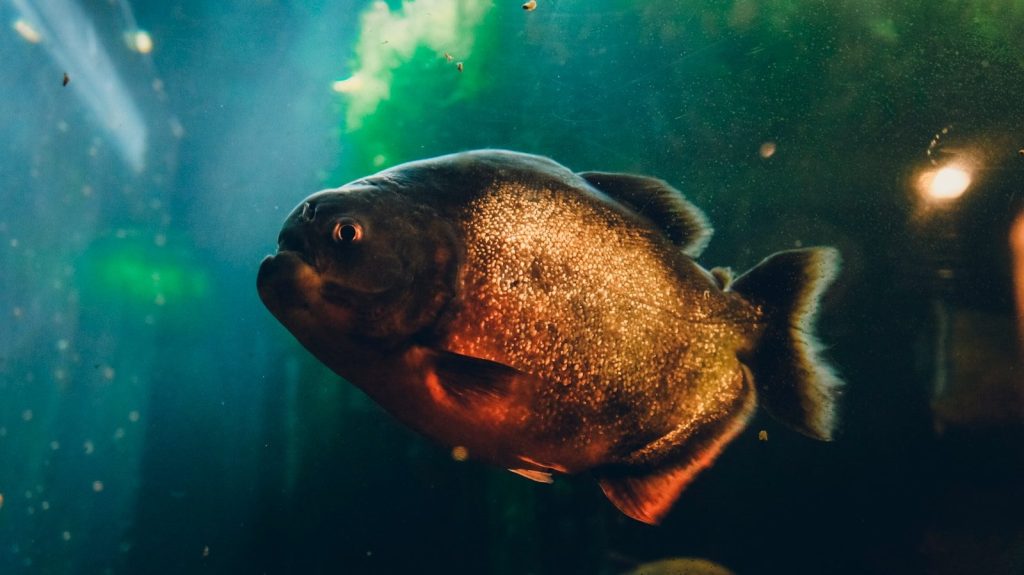
Although bites do occur, they are typically linked to specific circumstances. Piranhas may bite if they are protecting nests, competing for limited food during droughts, or feeling threatened by nearby activity.
Most documented incidents involve a single bite to the hands or feet rather than coordinated attacks by an entire school. Serious injuries are relatively uncommon, especially when compared with the myths surrounding these fish.
Feeding Frenzies Are Rare
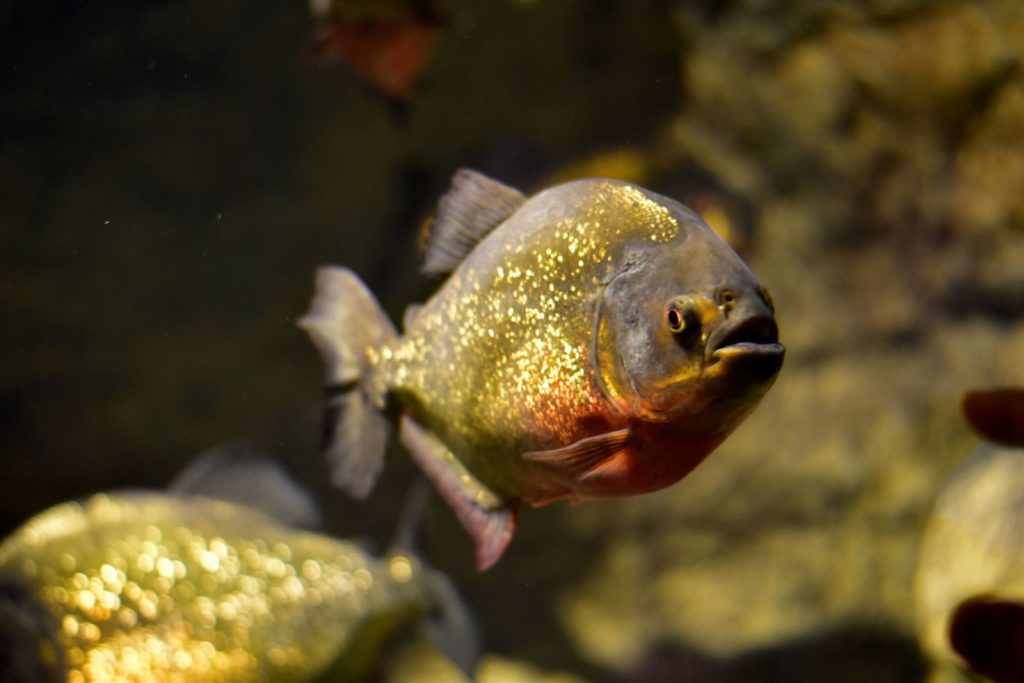
Piranhas are known to enter feeding frenzies under certain conditions, but these events are much less common than movies suggest. Such behavior usually occurs when food is scarce or when many fish gather around an injured animal or carcass.
Rather than constantly hunting in coordinated packs, piranhas often swim in groups for protection from larger predators, making them more cautious than many people expect.
They Play an Important Ecological Role
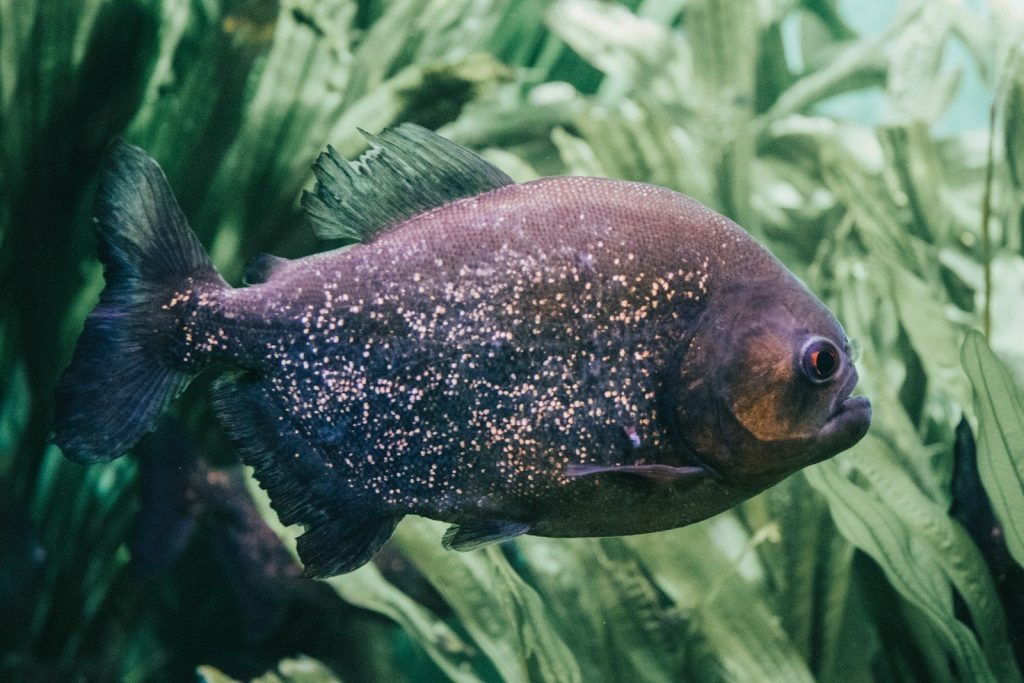
Piranhas are valuable members of South America’s freshwater ecosystems. By feeding on weak, injured, or dead animals, they help recycle nutrients and keep waterways cleaner. Many species also consume plant material, fruits, and seeds, contributing to the balance of their habitats.
Instead of being mindless killing machines, they function as both predators and scavengers, supporting the health of river ecosystems throughout the Amazon and surrounding basins.
Respect Them, But Don’t Fear Them
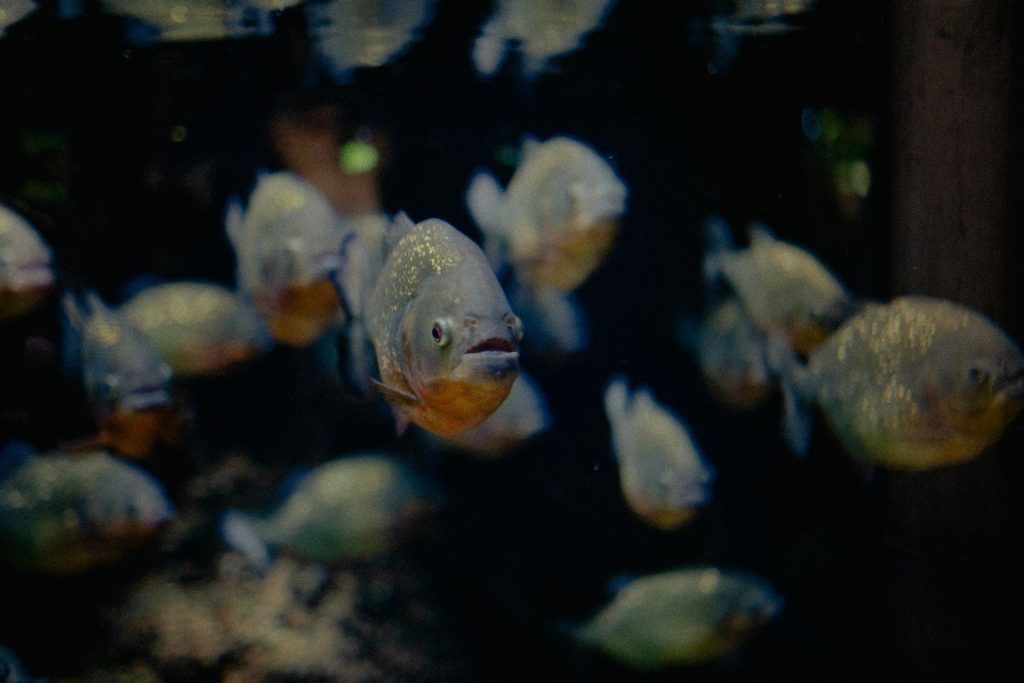
Swimming in waters where piranhas live does carry some risk, especially if there are open wounds, spawning fish, or signs warning of increased activity. However, millions of people in South America safely use rivers inhabited by piranhas every year without incident.
Like many wild animals, piranhas deserve caution and respect rather than exaggerated fear. Understanding their behavior paints a much more accurate picture than the terrifying image created by popular culture.