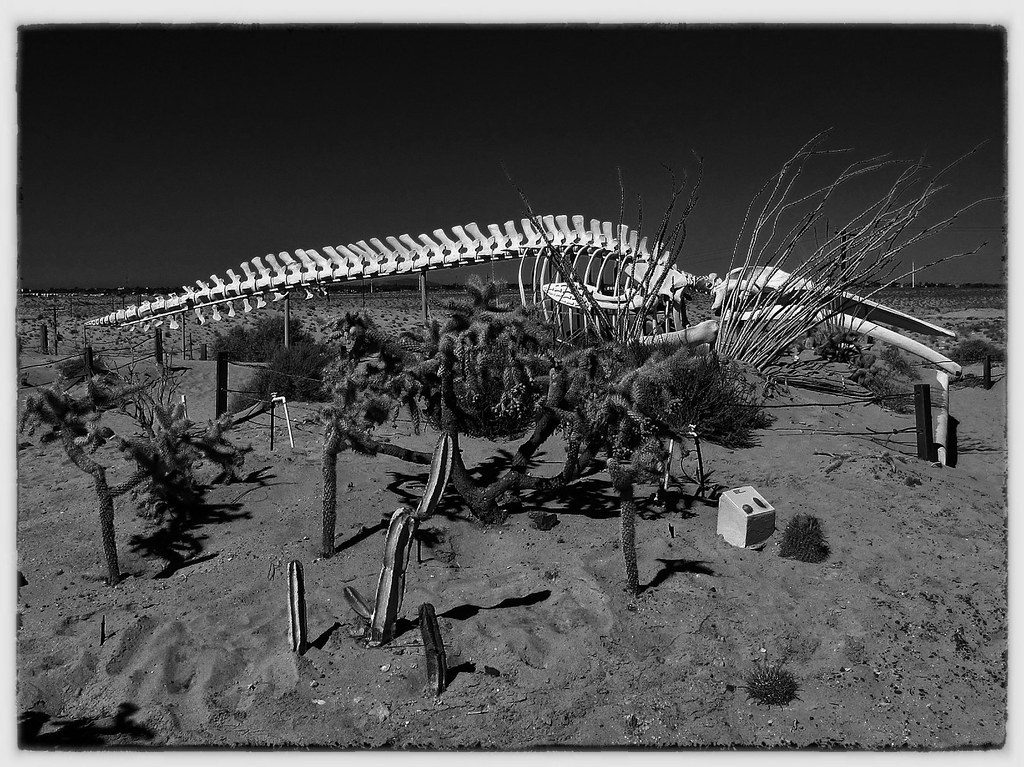
Around 66 million years ago, a massive asteroid struck Earth, triggering one of the most devastating mass extinctions in the planet’s history. The event brought an end to the age of non-avian dinosaurs, along with countless other plants and animals. Yet one group of dinosaurs survived, the ancestors of modern birds. Scientists believe their survival was the result of several biological and environmental advantages that helped them endure the harsh conditions that followed the impact. While many details are still being studied, research has revealed several factors that likely gave early birds a crucial edge.
Birds Are Living Dinosaurs
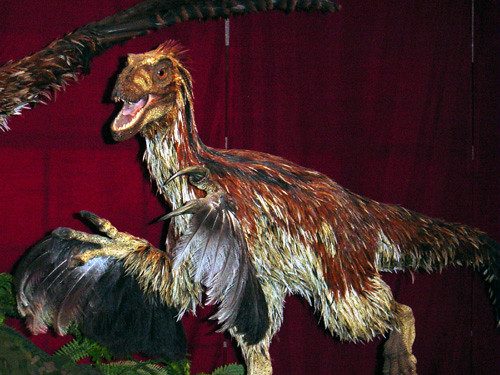
Modern birds are not simply related to dinosaurs, they are dinosaurs. They evolved from a group of feathered theropod dinosaurs that also included famous predators like Velociraptor.
When the asteroid struck, every known non-avian dinosaur disappeared. The small lineage of feathered dinosaurs that survived eventually evolved into the more than 10,000 bird species alive today.
Small Body Size Improved Survival

Most of the birds that survived the extinction event were relatively small. Smaller animals generally need less food and can often reproduce more quickly than larger species.
After the asteroid impact, food became scarce as forests burned and sunlight was blocked by dust and debris. Animals with lower energy requirements had a better chance of surviving these difficult conditions.
Flexible Diets Made a Difference
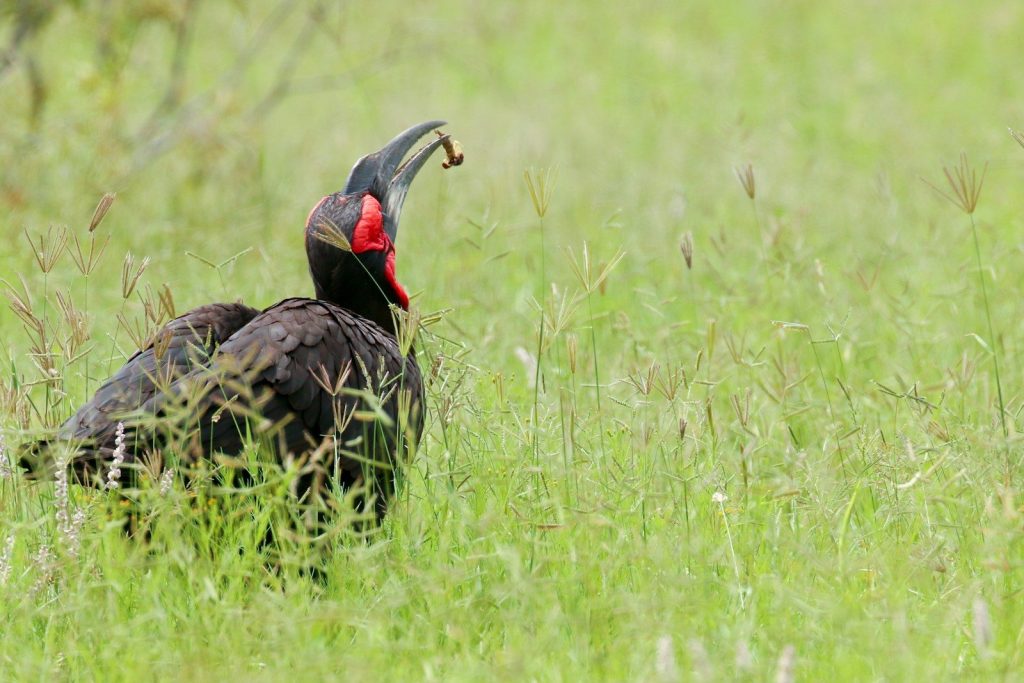
Many early birds were opportunistic feeders capable of eating seeds, insects, and other foods that remained available after the impact. Seeds, in particular, may have become an important food source because they could survive long periods in the ground despite widespread destruction of vegetation.
Species that relied on specialized diets were likely more vulnerable when their preferred food disappeared.
The Ability to Fly Offered Advantages

Flight allowed surviving birds to travel farther in search of food, shelter, and suitable nesting sites. This mobility would have helped them escape damaged habitats and exploit areas where conditions remained more favorable.
Although flight alone did not guarantee survival, it likely increased the chances of finding resources during a time of extreme environmental change.
Some Birds Lived on the Ground
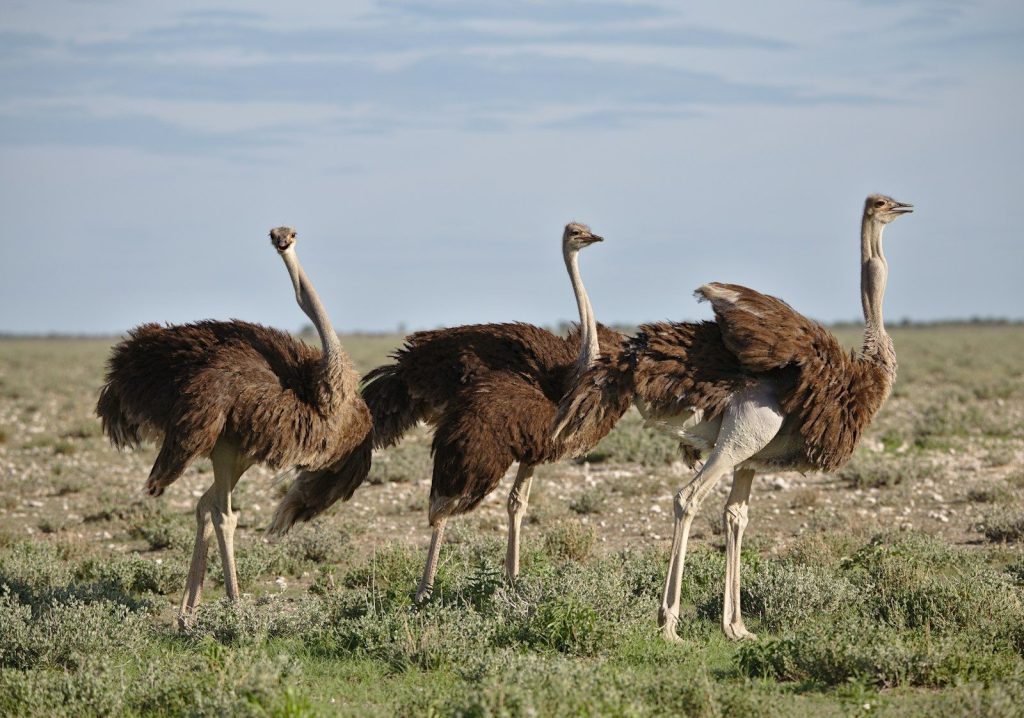
Fossil evidence suggests that many of the bird lineages that survived were ground-dwelling rather than tree-dwelling. Following the asteroid impact, massive wildfires destroyed forests across much of the planet, eliminating habitats for animals that depended on trees.
Ground-living birds may have been better able to find shelter and food in landscapes that had been transformed by the disaster.
Evolution Helped Them Rebound
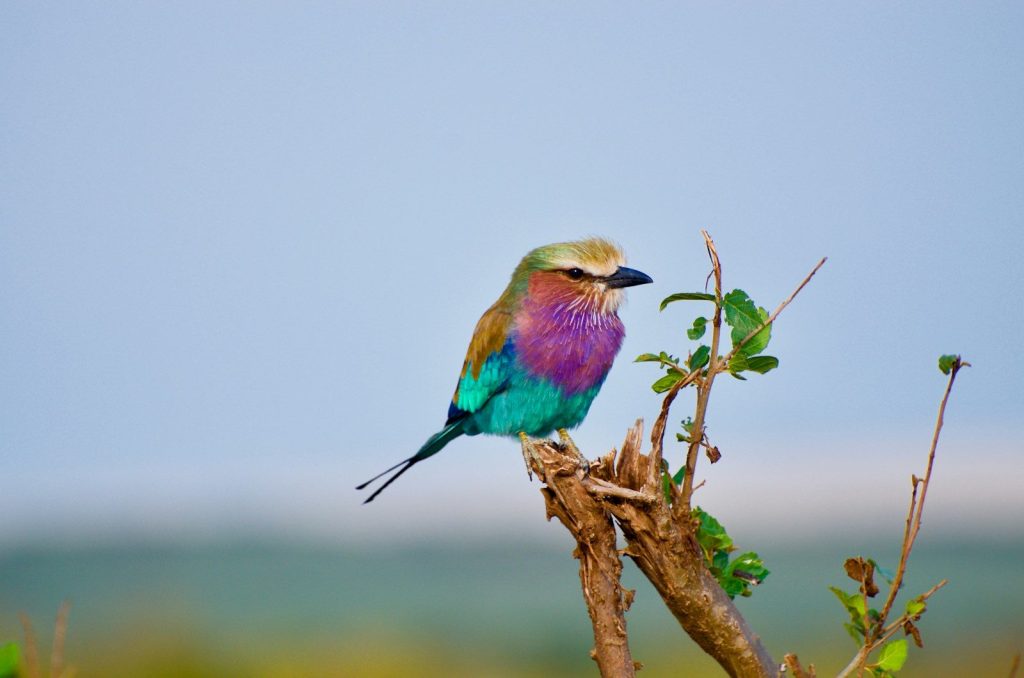
The extinction of non-avian dinosaurs left countless ecological niches unoccupied. As Earth’s climate stabilized and ecosystems recovered, the surviving bird lineages diversified into new habitats and lifestyles.
Over millions of years, they evolved into the incredible variety of species we see today—from tiny hummingbirds and soaring eagles to penguins, parrots, and ostriches. Their success is one of evolution’s greatest survival stories and a remarkable reminder that even after global catastrophe, life can adapt and flourish.