
Badgers may not be the largest predators in the wild, but they have earned a reputation for being fearless and incredibly resilient. Found across Europe, North America, and parts of Asia and Africa, these stocky mammals possess a unique combination of physical and behavioral adaptations that help them survive encounters with much larger animals. Here are six features that make badgers such impressive survivors.
Thick, Loose Skin

One of a badger’s greatest defenses is its tough, loose skin. If a predator grabs it, the badger can twist its body within its skin, allowing it to bite or claw its attacker while still being held.
The thick hide also offers protection against bites and scratches, making it much harder for predators to inflict serious injuries during a fight.
Powerful Digging Claws

Badgers have long, sturdy front claws that are perfectly designed for digging. They can excavate burrows in surprisingly little time, creating safe shelters where they can rest, raise their young, or escape danger.
These claws are also useful for uncovering insects, worms, rodents, and roots hidden beneath the soil, making them highly efficient foragers.
Strong, Muscular Build

Despite their relatively short legs, badgers have broad shoulders and muscular bodies that provide remarkable strength. Their low center of gravity makes them difficult to knock over during confrontations.
This sturdy body shape also allows them to push through narrow tunnels and dig through compact soil with impressive efficiency.
Powerful Bite
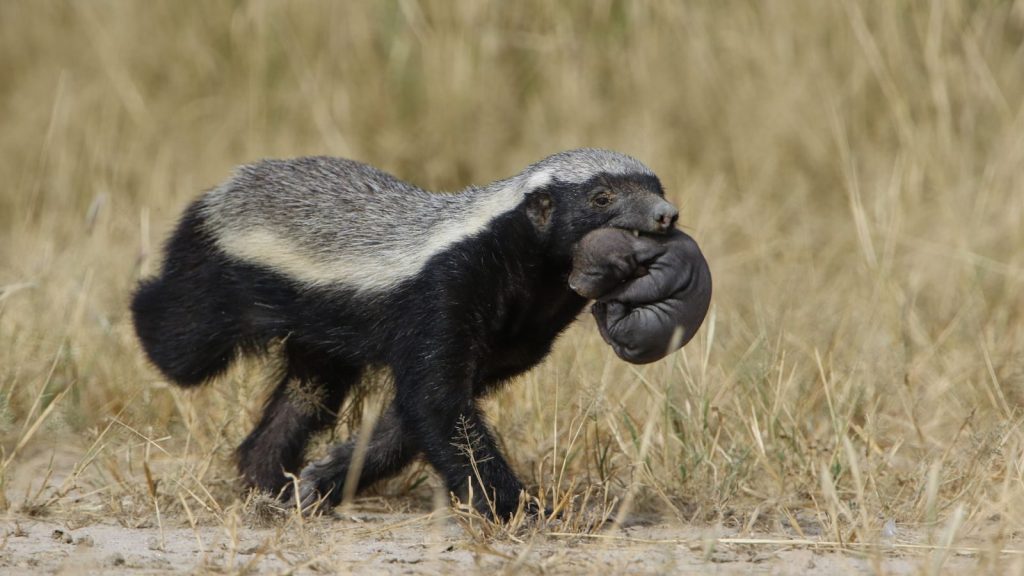
Badgers have strong jaws and sharp teeth capable of crushing tough food and defending themselves against attackers. Their neck muscles generate additional biting force, making them formidable opponents despite their modest size.
Many predators quickly learn that attempting to attack a badger may result in painful injuries that simply aren’t worth the effort.
Fearless Temperament

Badgers are well known for standing their ground instead of fleeing from danger. Rather than relying solely on speed, they often confront threats with aggressive displays and determined defensive behavior.
This bold attitude can discourage predators from attacking in the first place, as many animals prefer easier prey that won’t put up such a fierce fight.
Excellent Sense of Smell

A badger’s eyesight isn’t particularly strong, but its sense of smell is exceptionally well developed. It uses its nose to locate prey hidden underground, detect potential threats, and communicate with other badgers through scent markings.
Combined with their impressive burrow systems and physical defenses, this keen sense of smell helps badgers thrive in a wide range of habitats and makes them highly successful survivors in the wild.