For many pet owners, losing a beloved dog is one of life’s most heartbreaking experiences. While most people preserve memories through photos and videos, some celebrities have turned to science for a different solution: cloning their pets. Advances in biotechnology have made it possible to create a genetic copy of a dog, and several high-profile figures have spent thousands of dollars to do just that. While the practice remains controversial, it continues to spark fascination around the world.
What Does It Mean to Clone a Dog?
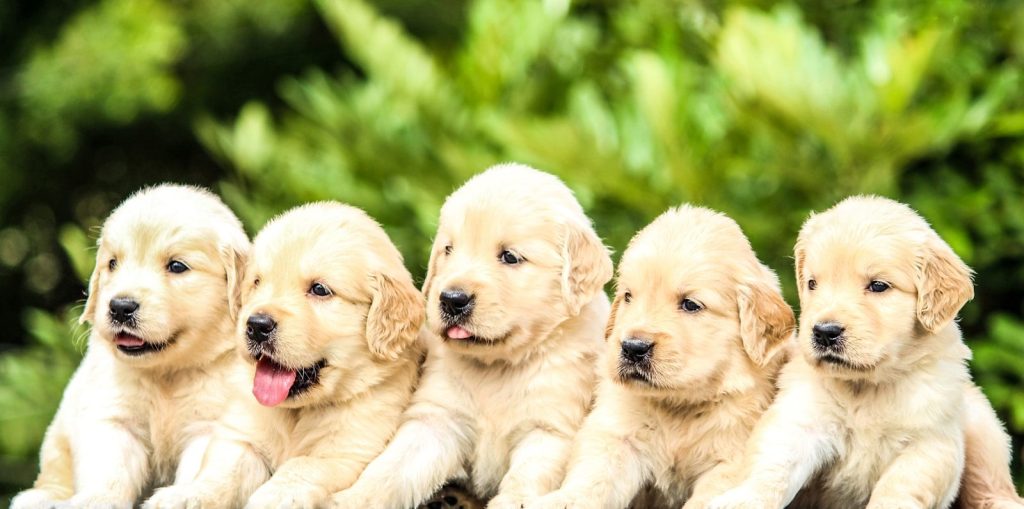
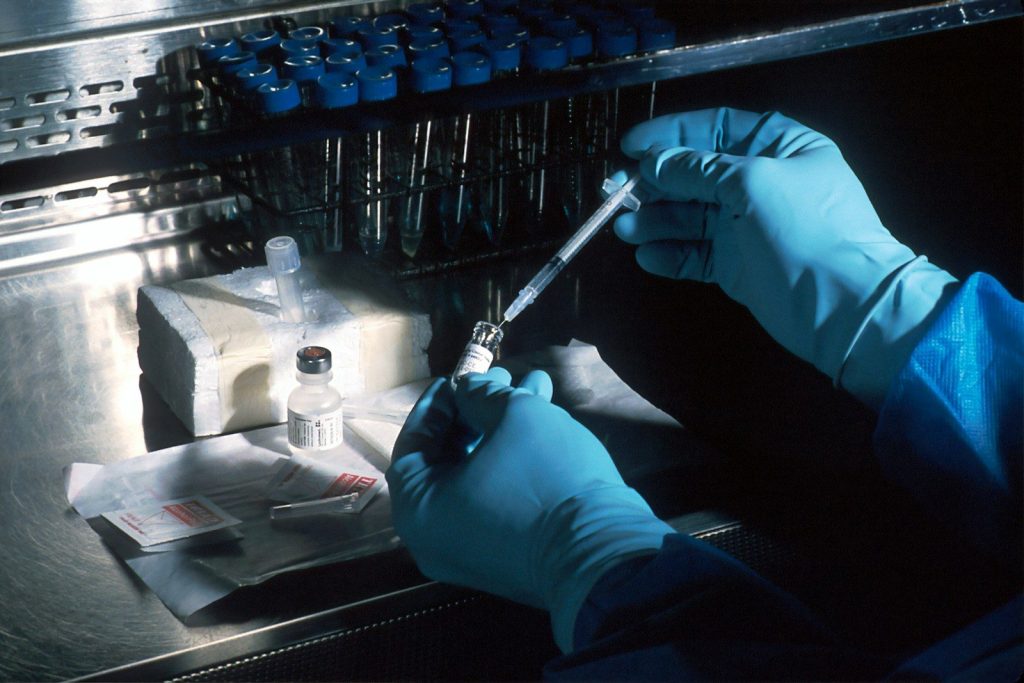
Dog cloning involves creating a puppy that shares the same DNA as another dog. Scientists collect cells from the original animal and use advanced reproductive technology to produce a genetically identical offspring. However, a clone is not an exact replacement. While it may share the same genetic makeup, personality and behavior can differ due to environment and life experiences.
Barbra Streisand’s Famous Cloned Dogs

One of the most well-known examples comes from Barbra Streisand. Before her beloved dog Samantha passed away, cells were collected and later used to create two cloned puppies, Miss Violet and Miss Scarlett. Streisand has spoken publicly about the dogs, noting that although they share Samantha’s DNA, they have developed their own distinct personalities.
Paris Hilton’s Cloning Journey

Paris Hilton has also embraced pet cloning. The socialite revealed that she cloned her cherished Chihuahua, Diamond Baby, resulting in two puppies named Diamond and Baby. The decision drew widespread attention and reignited discussions about the growing availability of pet cloning services.
Tom Brady and a “Second Chance”
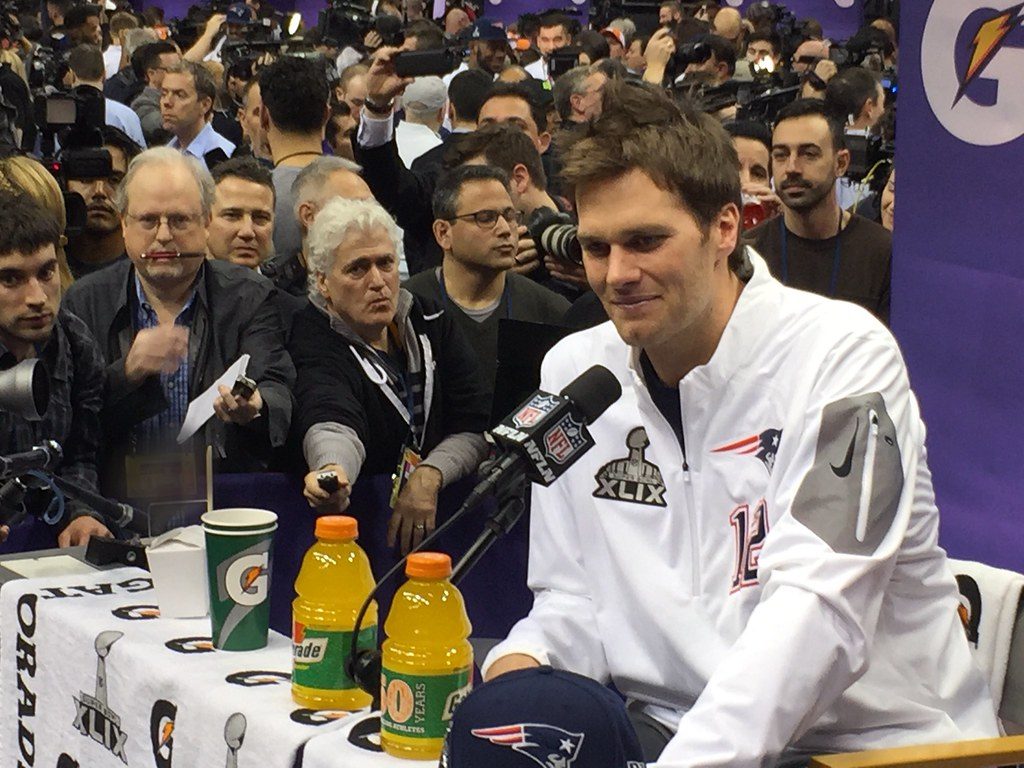
Former NFL star Tom Brady revealed that his dog Junie is a clone of his late family pet, Lua. Brady described the experience as a “second chance” with a beloved companion. His announcement brought renewed public interest to cloning technology and the companies offering such services.
How Much Does Dog Cloning Cost?
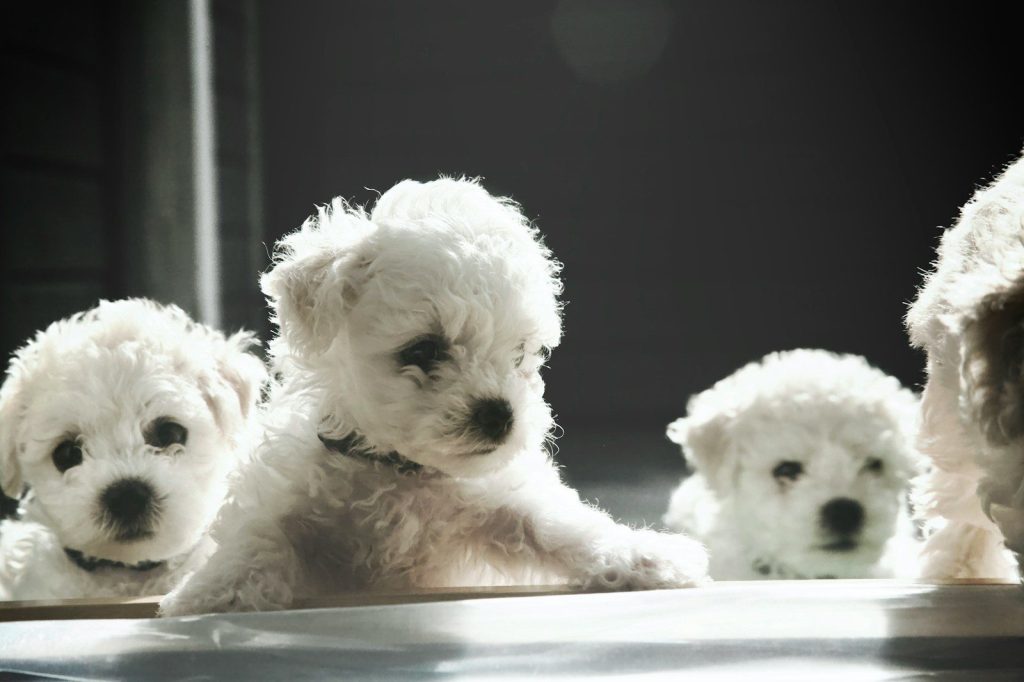
Cloning a dog is far from inexpensive. Reports indicate that the procedure can cost around $50,000 or more, making it an option primarily available to wealthy individuals. The process requires specialized laboratories, surrogate animals, and multiple scientific procedures before a healthy cloned puppy is born.
The Ethical Debate Around Pet Cloning
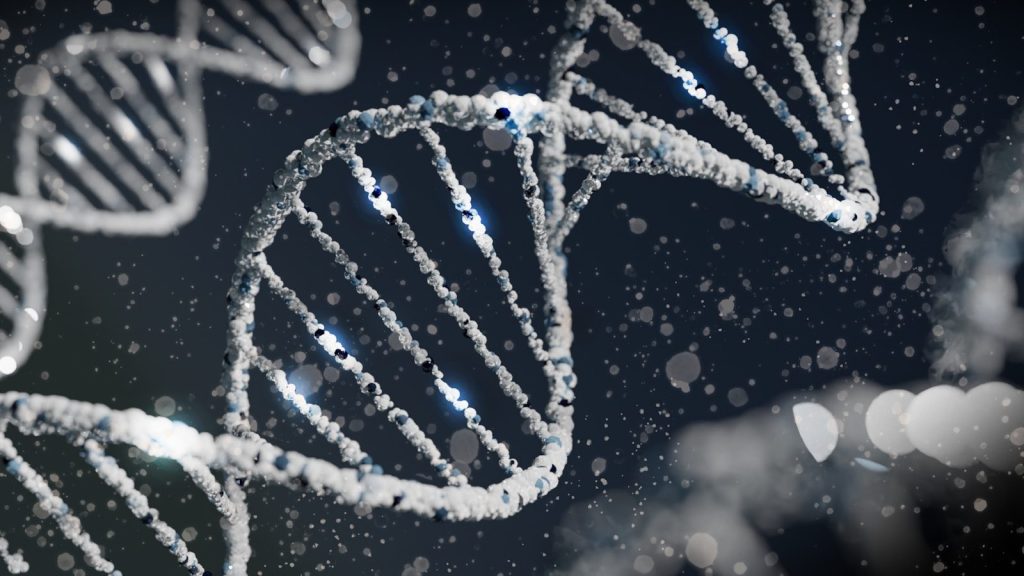
While some pet owners see cloning as a way to preserve a beloved companion’s genetics, critics argue that the practice raises animal welfare concerns. Animal advocacy groups and experts have questioned the use of surrogate animals and the success rates involved in cloning procedures. Others emphasize that a clone is not the same individual animal and cannot recreate the exact bond shared with a lost pet.
The Future of Pet Cloning
As biotechnology continues to advance, pet cloning is becoming more visible and accessible. Whether viewed as a remarkable scientific achievement or a controversial luxury, the practice highlights the powerful connection between people and their pets. For celebrities and everyday pet lovers alike, the idea of preserving a beloved dog’s genetic legacy remains both fascinating and emotionally compelling.