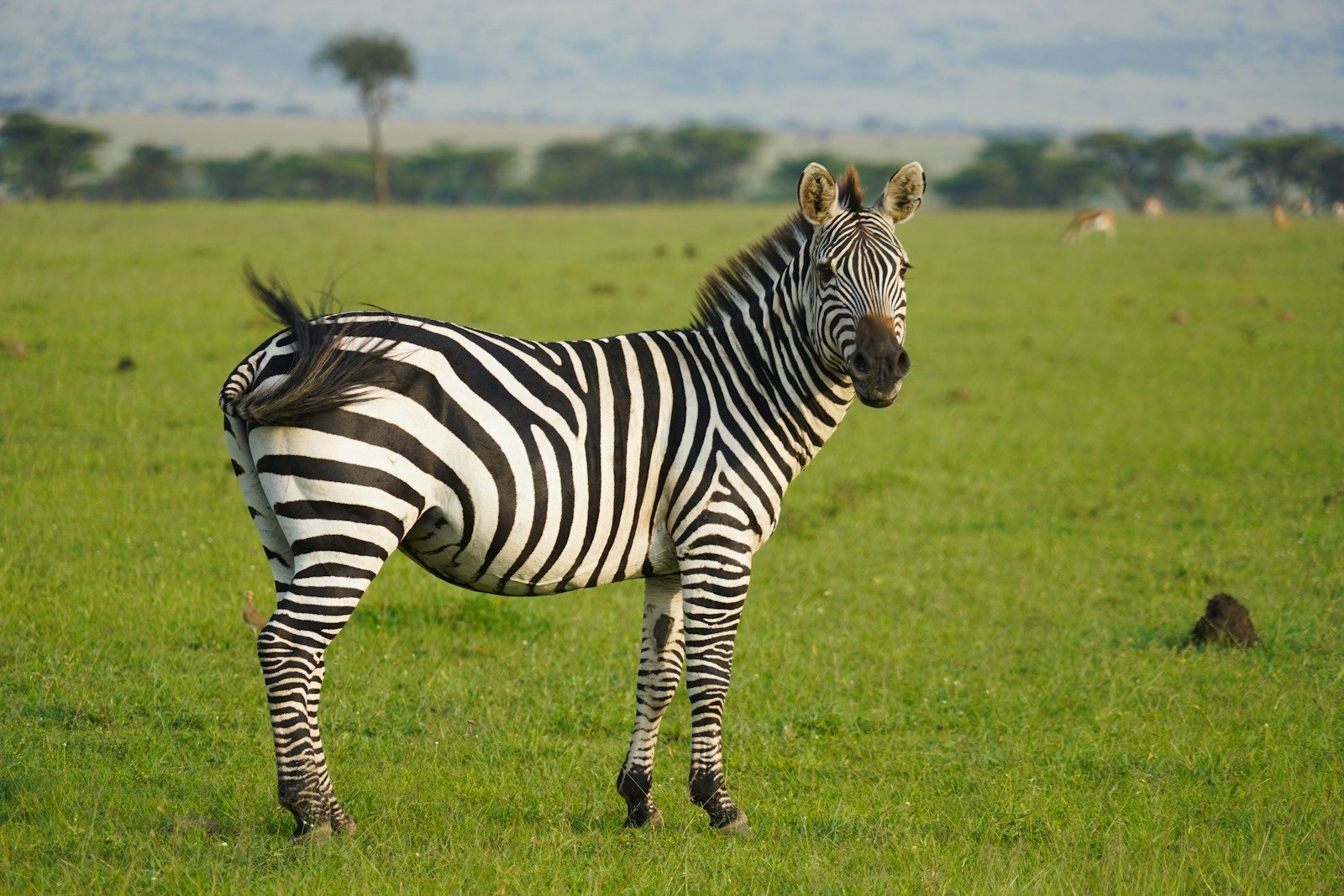
Zebras are among Africa’s most recognizable animals, famous for their bold black-and-white stripes and life on the open savannas. Although they belong to the horse family, zebras have evolved unique adaptations that help them survive alongside predators such as lions, hyenas, and wild dogs. Their striking appearance is only one part of what makes them remarkable. From their social behavior to their surprising communication methods, zebras continue to intrigue scientists and wildlife enthusiasts alike.
Every Zebra Has a Unique Stripe Pattern
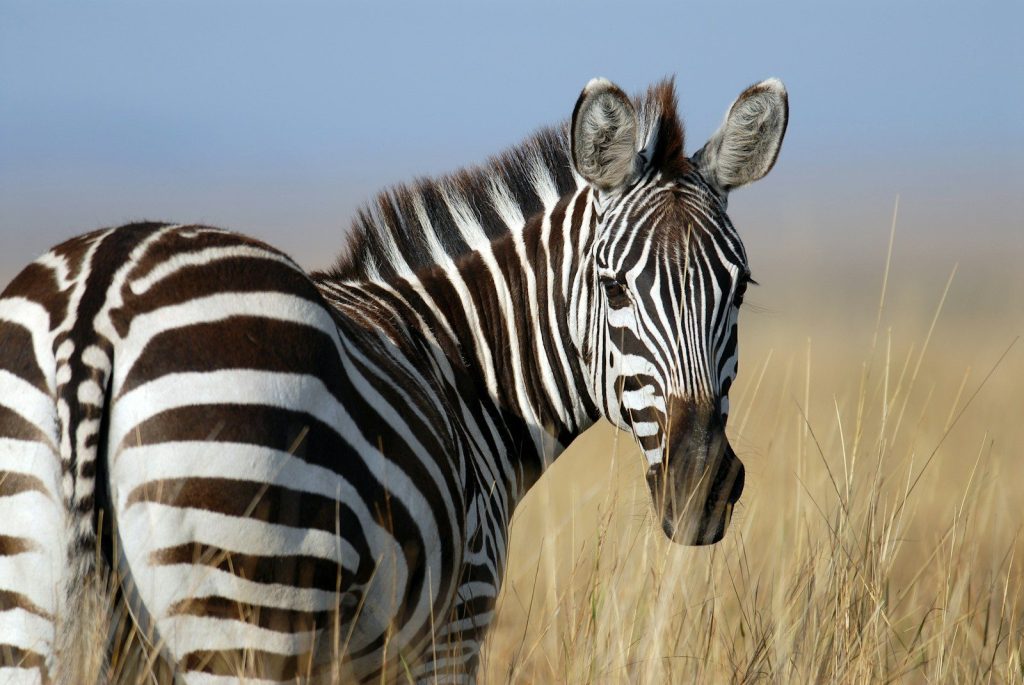
Just as no two human fingerprints are identical, every zebra has its own distinctive stripe pattern. These markings are unique to each individual and remain unchanged throughout its life.
Researchers can identify individual zebras by photographing their stripes, making it easier to monitor populations and study their movements in the wild.
Their Stripes Do More Than Look Beautiful
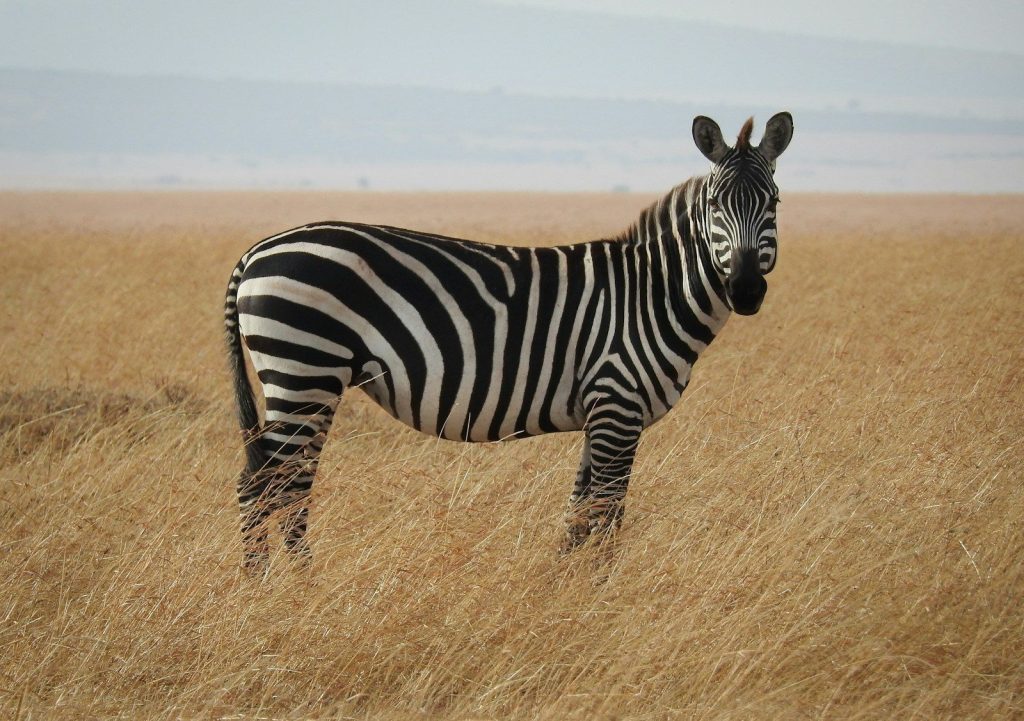
Scientists have proposed several explanations for the zebra’s famous stripes. Research suggests the patterns may help deter biting insects such as horseflies, which are less likely to land on striped surfaces.
The stripes may also confuse predators when zebras move together in a herd, making it more difficult for hunters to focus on a single target during a chase.
Zebras Live in Close-Knit Family Groups
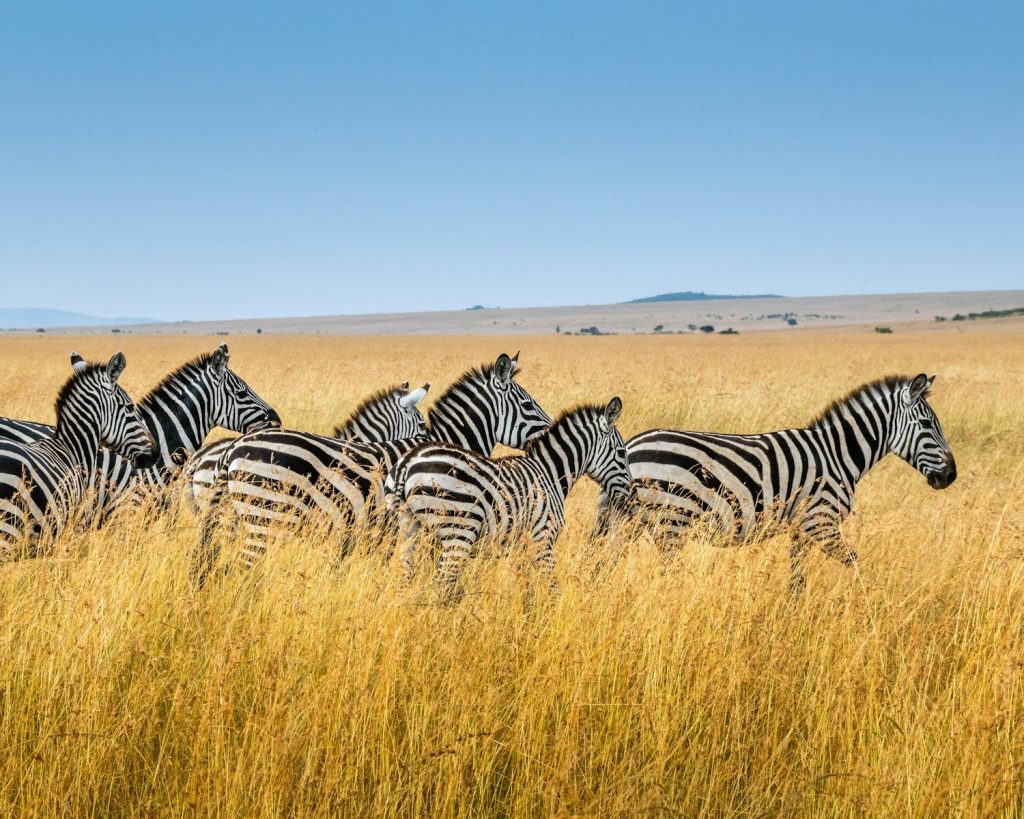
Most plains zebras form small family units consisting of one stallion, several mares, and their young. These groups stay together for years, protecting one another while searching for food and water.
Strong social bonds help zebras defend against predators, care for foals, and communicate effectively through body language and vocalizations.
They Communicate in Several Different Ways
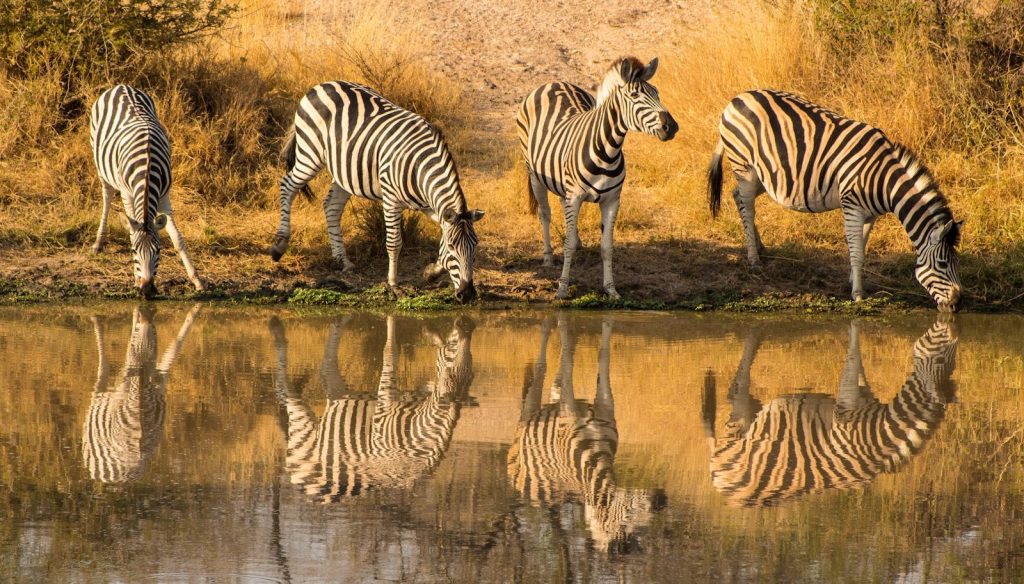
Zebras are highly vocal animals that bark, bray, snort, and whinny to communicate with members of their herd. They also use ear position, tail movement, and facial expressions to signal their mood and intentions.
These communication methods help maintain group coordination and alert others when danger is nearby.
They’re Built for Speed and Endurance
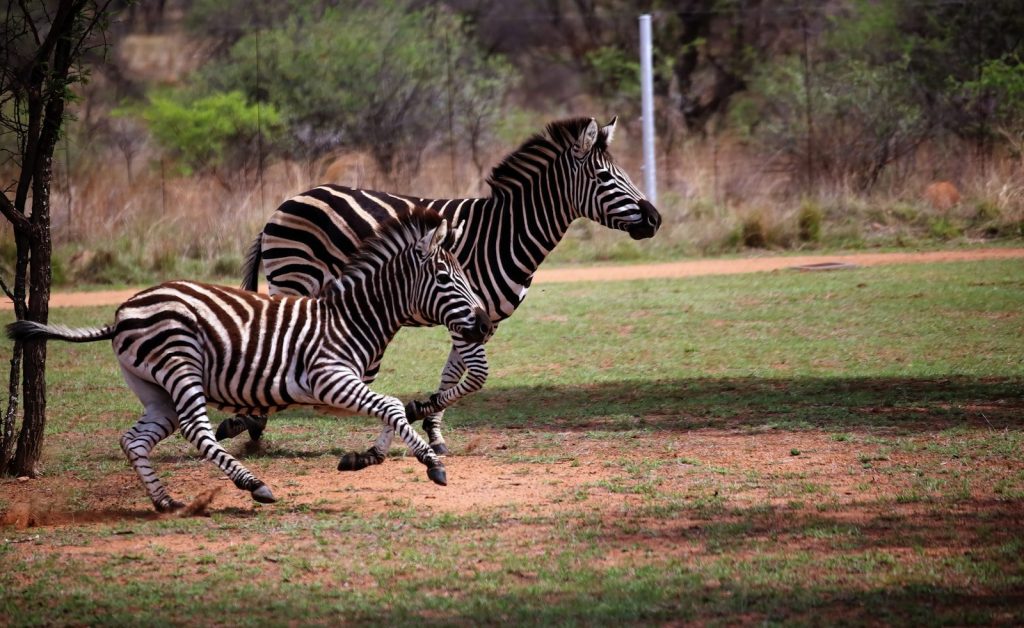
Although they may not be as fast as some antelope species, zebras are excellent runners. They can reach speeds of around 40 miles (65 kilometers) per hour while maintaining the stamina needed to escape predators over long distances.
Their powerful legs also deliver strong kicks capable of injuring predators that get too close.
Zebras Can’t Be Truly Domesticated
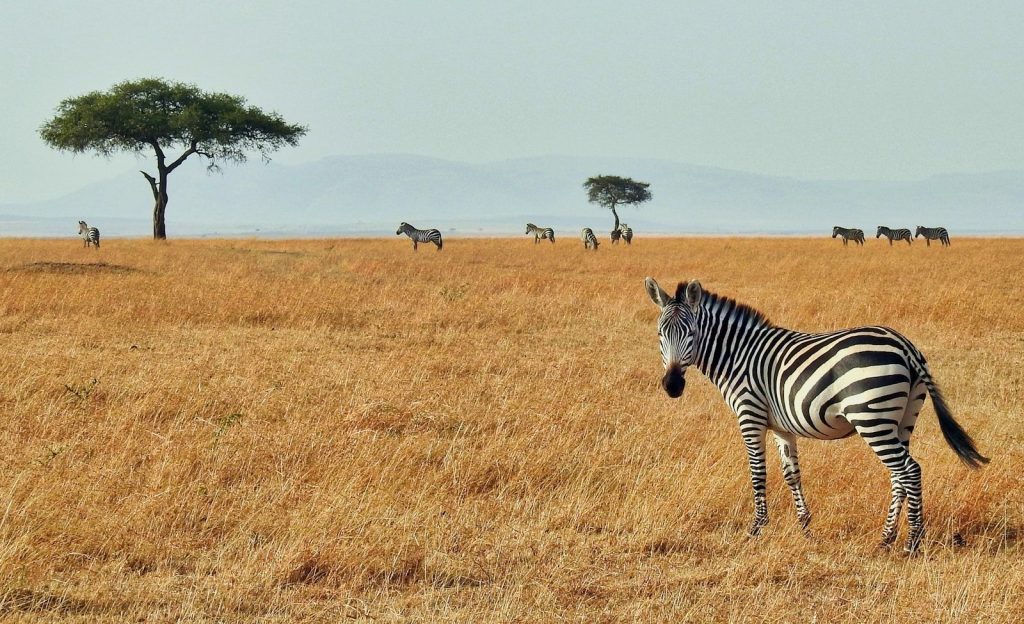
Despite being close relatives of horses and donkeys, zebras have never been successfully domesticated on a large scale. They are naturally more unpredictable, possess strong flight instincts, and can become aggressive when threatened.
While a few individuals have been trained for specific purposes, zebras generally retain their wild behavior, making them unsuitable as domestic riding or working animals.