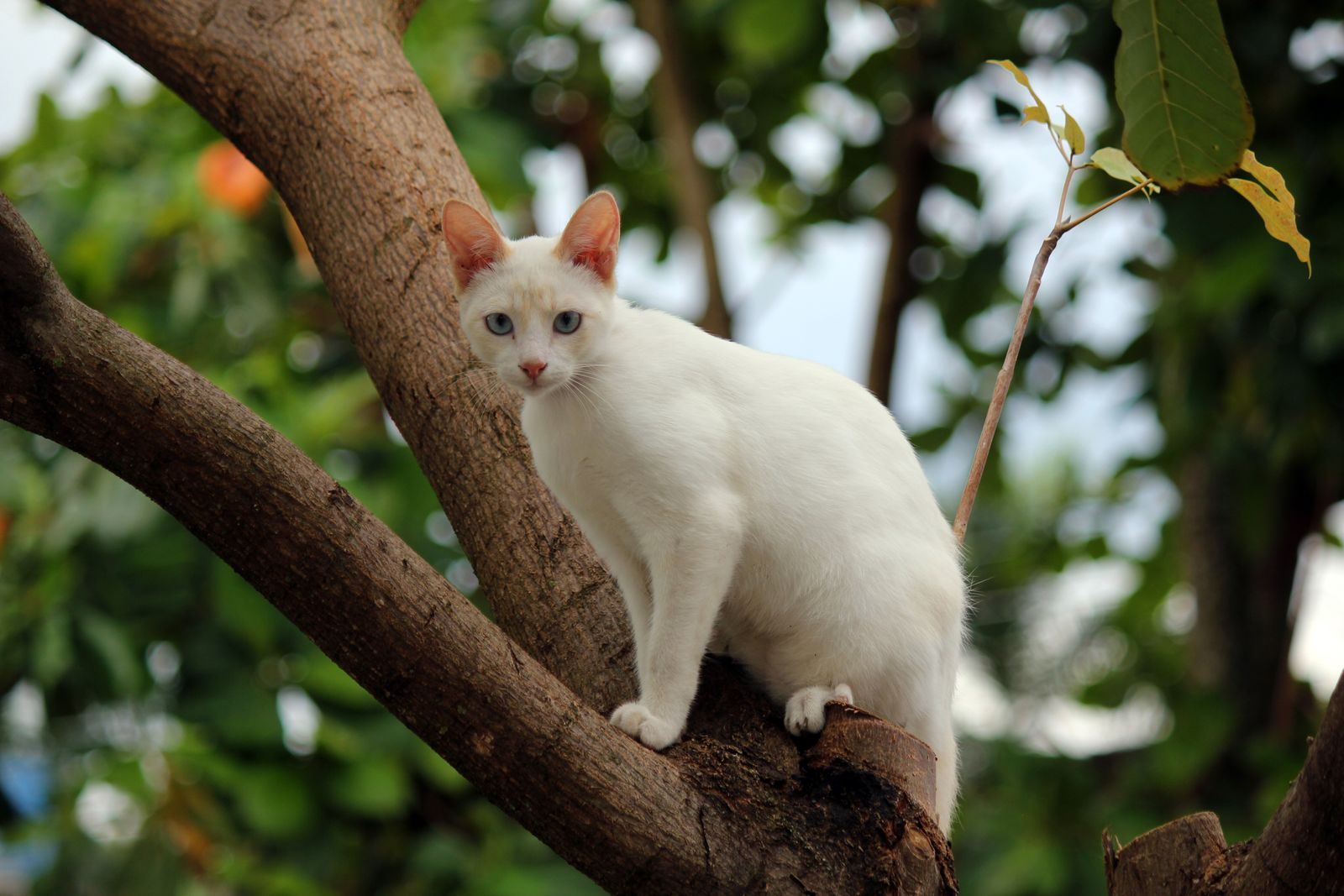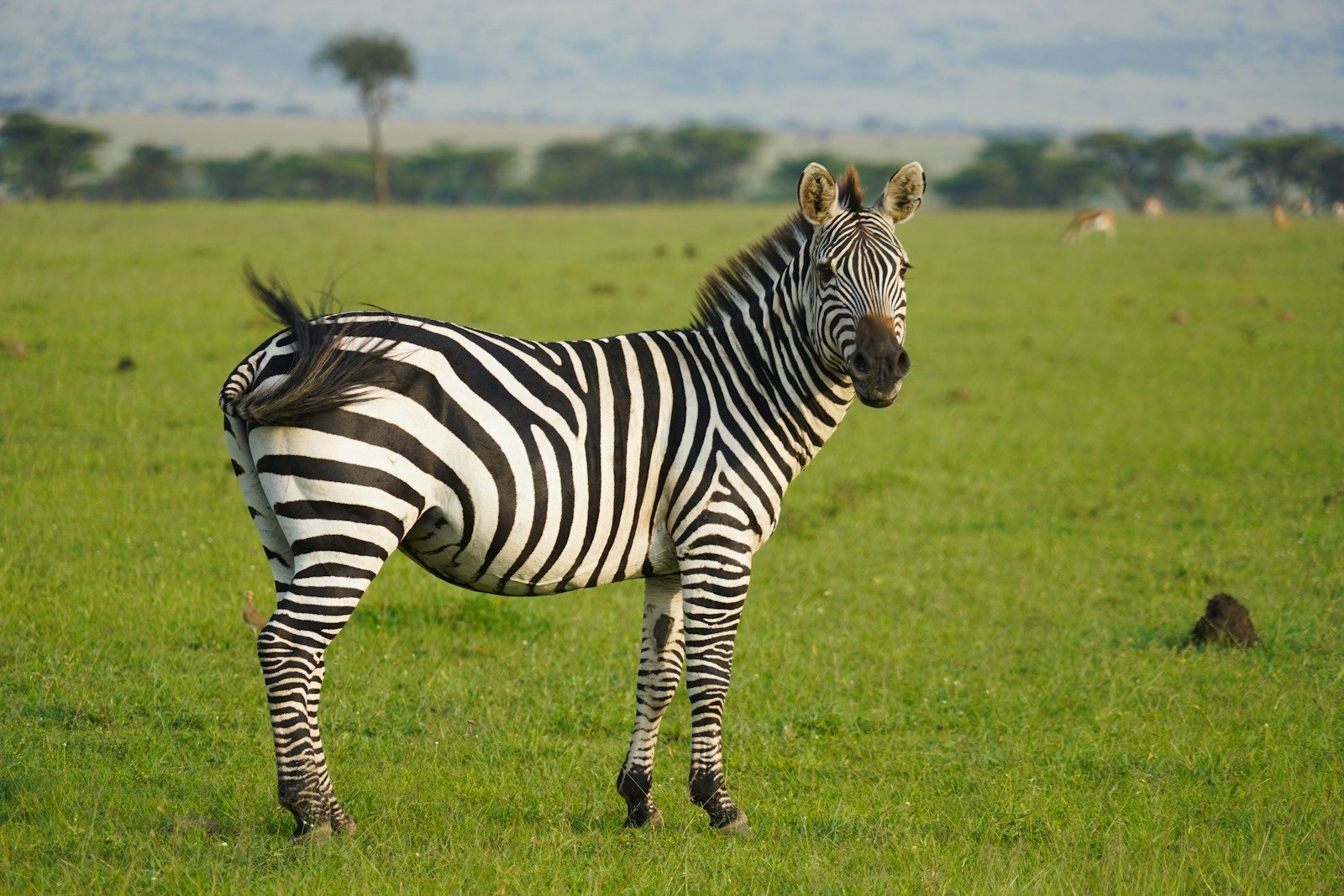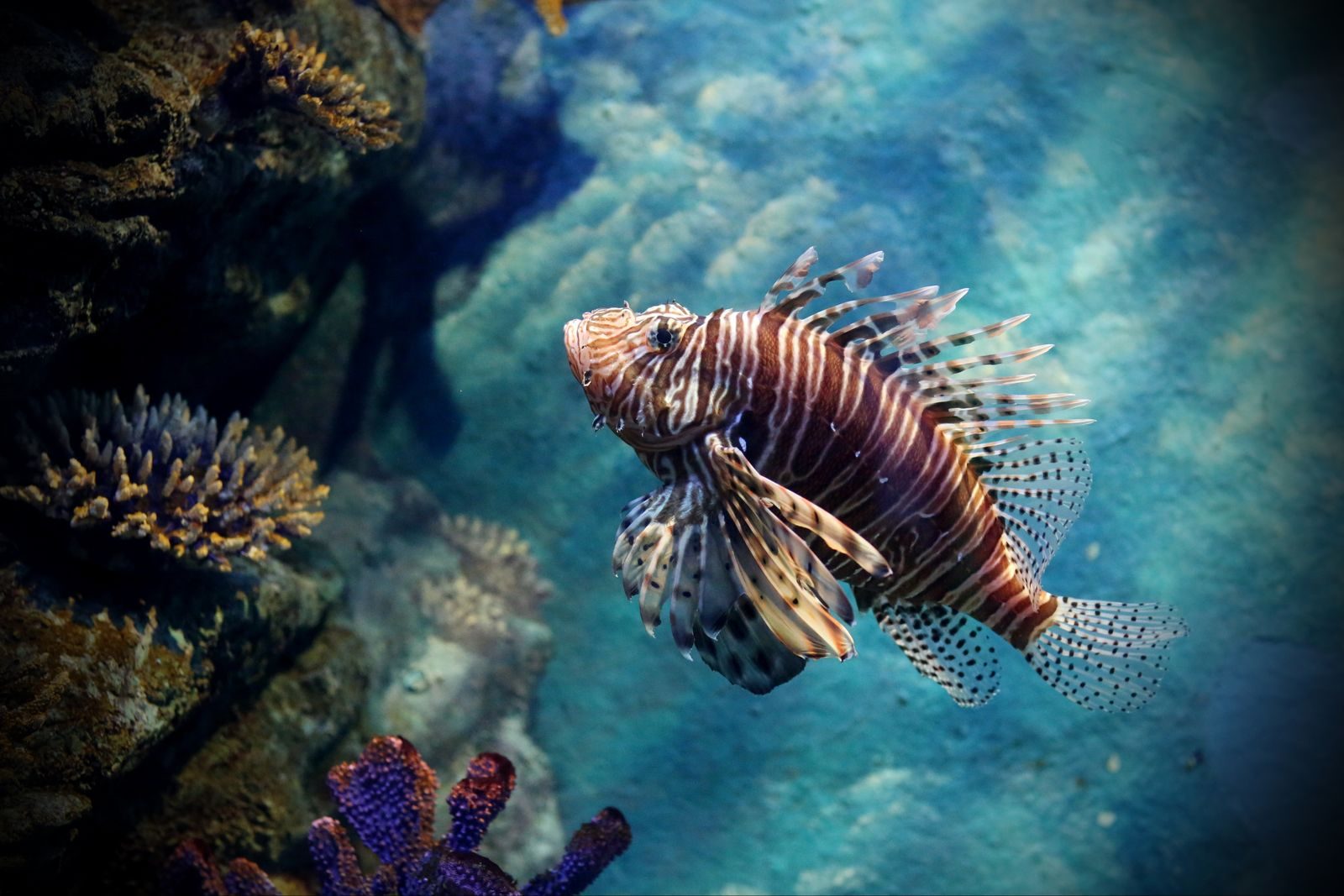
Not every species introduced to a new environment becomes harmful, but some spread rapidly and disrupt the delicate balance of native ecosystems. Without natural predators to keep their populations in check, invasive species can outcompete native wildlife, damage habitats, and create costly environmental problems. Across the United States, scientists and conservation agencies continue working to manage these invaders while protecting native plants and animals from further decline.
Burmese Python
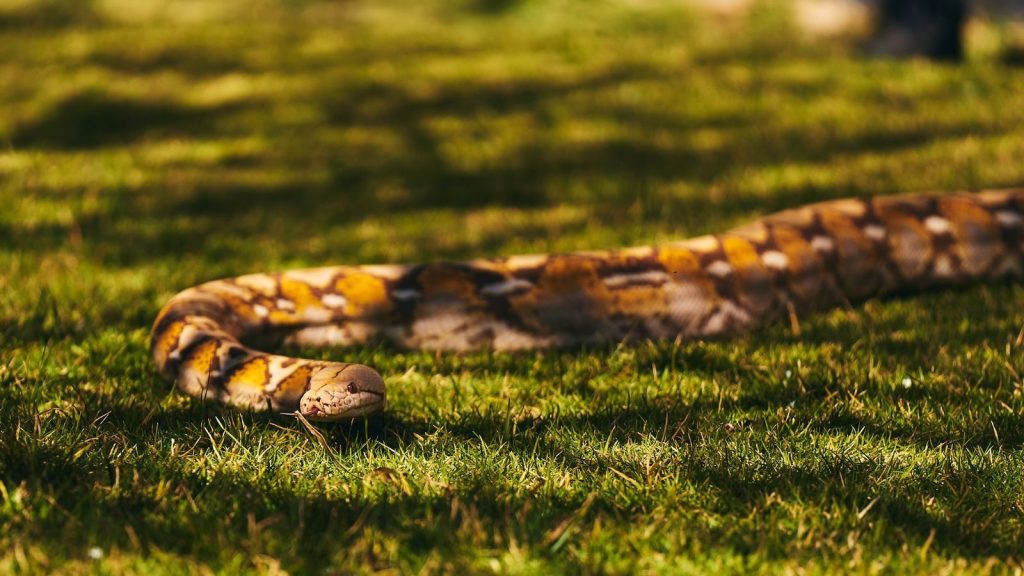
Native to Southeast Asia, the Burmese python has become one of the most notorious invasive reptiles in the United States, particularly in Florida’s Everglades. Many are believed to have entered the wild through accidental or intentional releases from the exotic pet trade.
As apex predators, these massive snakes prey on mammals, birds, and reptiles, contributing to significant declines in native wildlife populations. Although removal efforts continue, experts agree that long-term management will require ongoing public awareness and monitoring.
Zebra Mussel
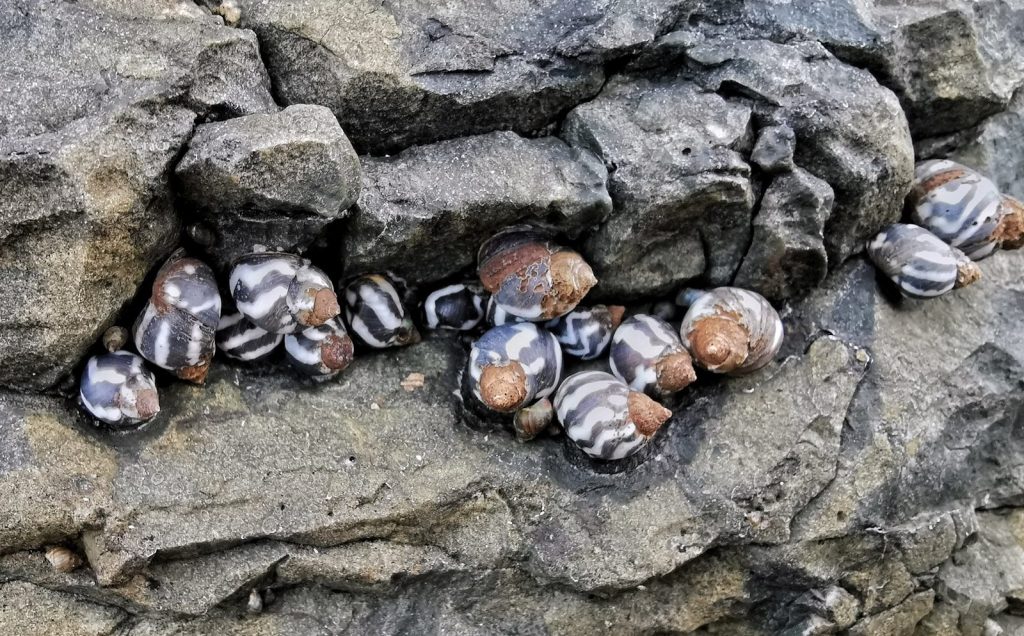
Originally from the Caspian Sea region, zebra mussels were introduced to North America through ballast water discharged from ships. They quickly spread through rivers and lakes, attaching themselves to nearly any hard surface.
These small mussels clog water intake pipes, damage boats and infrastructure, and outcompete native mussel species for food. Their rapid reproduction makes them extremely difficult to eliminate once established.
Feral Swine
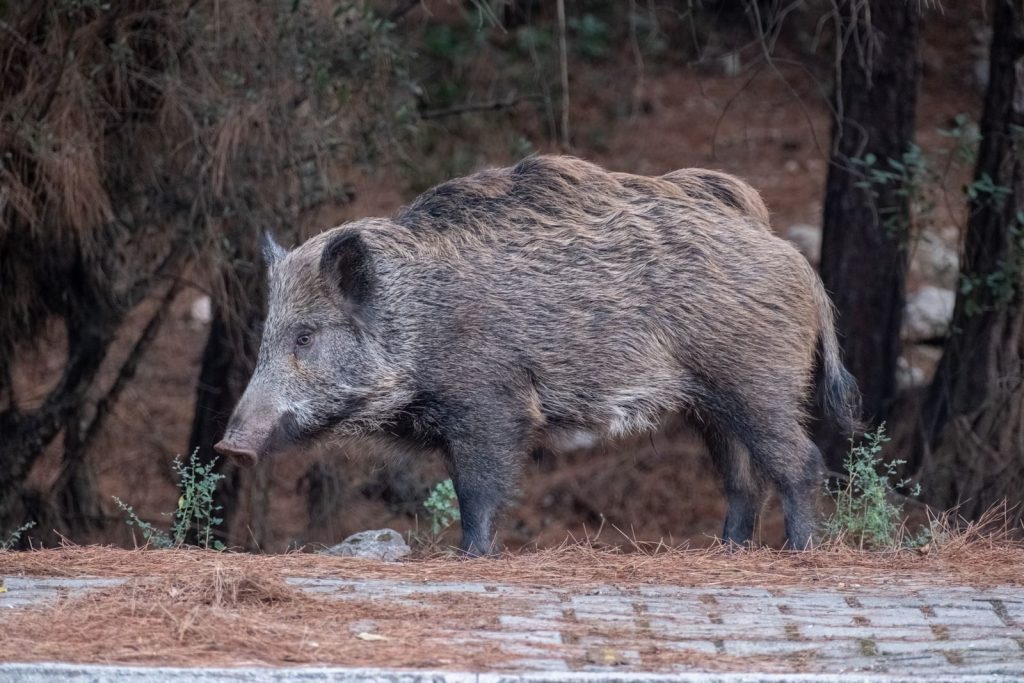
Feral swine, also known as wild hogs, are found across many U.S. states and cause extensive environmental and agricultural damage. Their rooting behavior tears up fields, forests, and wetlands while destroying native vegetation.
They also prey on ground-nesting birds, reptiles, and small mammals and can spread diseases to livestock and wildlife. Their adaptability and high reproductive rate make population control an ongoing challenge.
Nutria
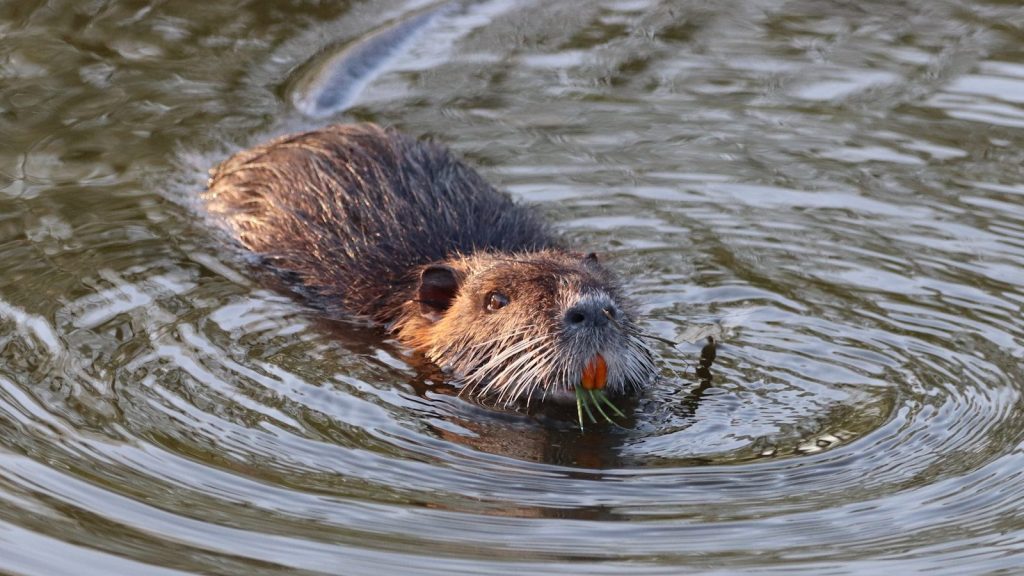
Nutria are large semi-aquatic rodents originally brought from South America for the fur trade. After escaping or being released, they established populations in wetlands across several states.
These rodents consume enormous amounts of marsh vegetation, leaving shorelines vulnerable to erosion and reducing habitat for native birds, fish, and amphibians. Their burrowing can also damage levees and irrigation systems.
Lionfish
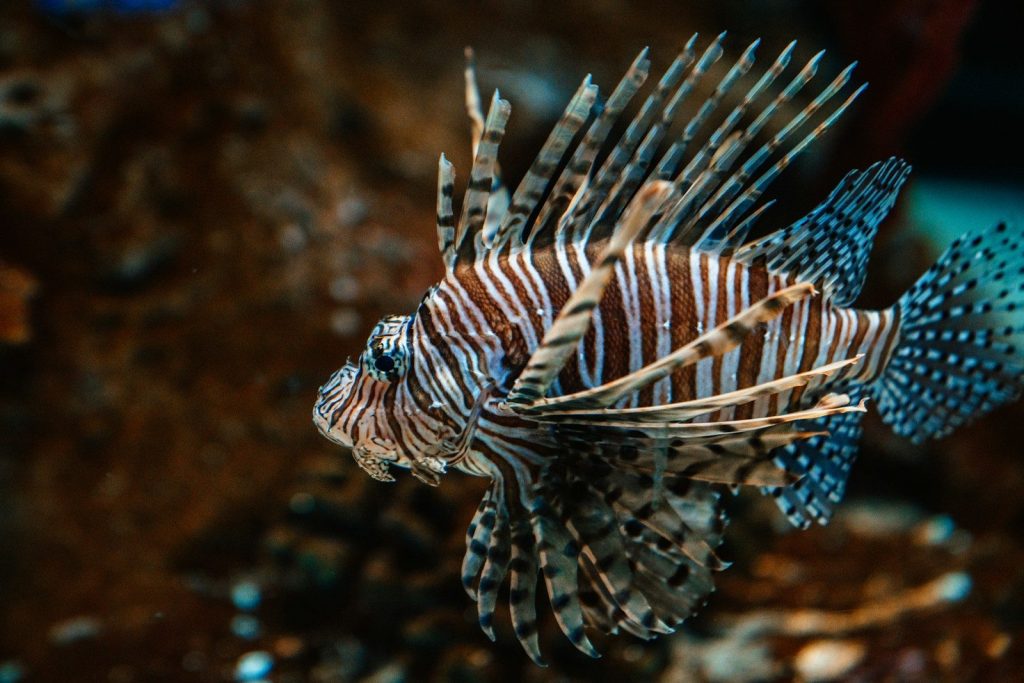
Lionfish, native to the Indo-Pacific, have spread throughout the western Atlantic, Caribbean, and Gulf of Mexico after being released from aquariums. Their venomous spines discourage predators, allowing populations to expand rapidly.
They feed on a wide variety of small reef fish and crustaceans, reducing biodiversity and disrupting coral reef ecosystems. Divers and conservation groups now organize regular removal efforts to help limit their impact.
Emerald Ash Borer
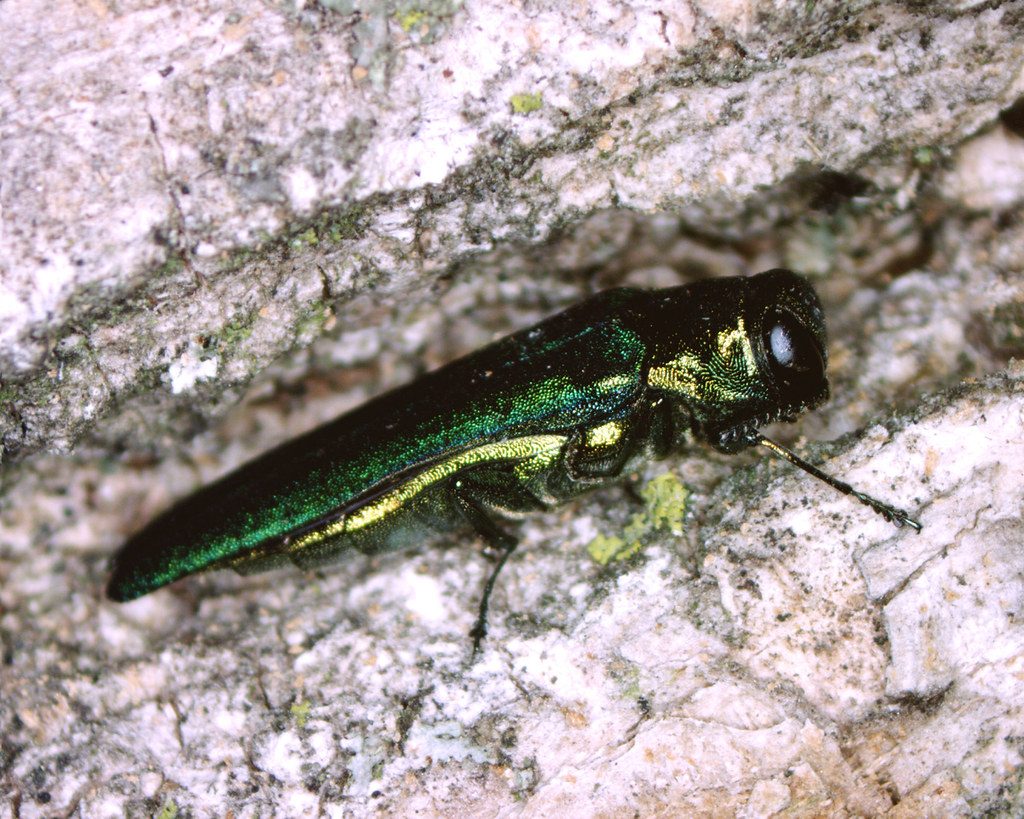
The emerald ash borer is a small beetle native to Asia that has killed millions of ash trees since it was first detected in North America. Its larvae tunnel beneath tree bark, cutting off the flow of water and nutrients.
Large-scale ash tree losses have transformed forests, parks, and urban landscapes while creating expensive tree removal and replacement costs. Preventing the spread of infested firewood remains one of the most important management strategies.