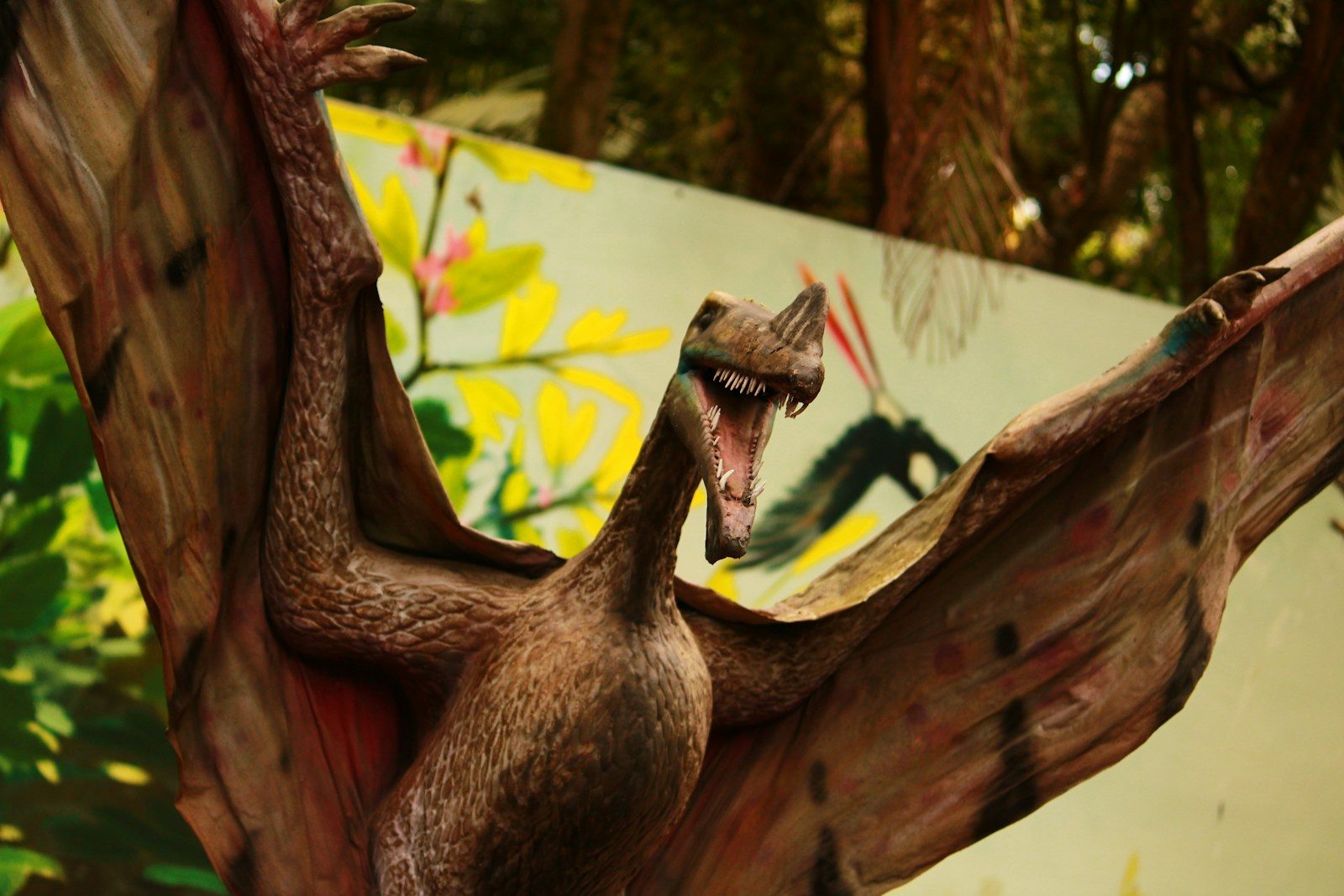
A newly identified dinosaur species from China is giving scientists a fascinating glimpse into the evolution of flight. With feathered wings on both its arms and legs, sharp claws, and the ability to glide through the air, the prehistoric predator looked unlike almost anything alive today.
The newly described species, Jian changmaensis, belonged to a group of feathered dinosaurs closely related to the famous Velociraptor.
An Accidental Discovery Decades in the Making
The fossil was unearthed in the Lower Cretaceous Changma Basin in northwestern China, a site first discovered in 1981 when researchers were searching for fossilized fish.
Over the years, the area has yielded more than 100 remarkably preserved bird and dinosaur fossils, some retaining traces of feathers and even skin, making it one of the world’s most significant fossil sites.
A Close Cousin of Velociraptor
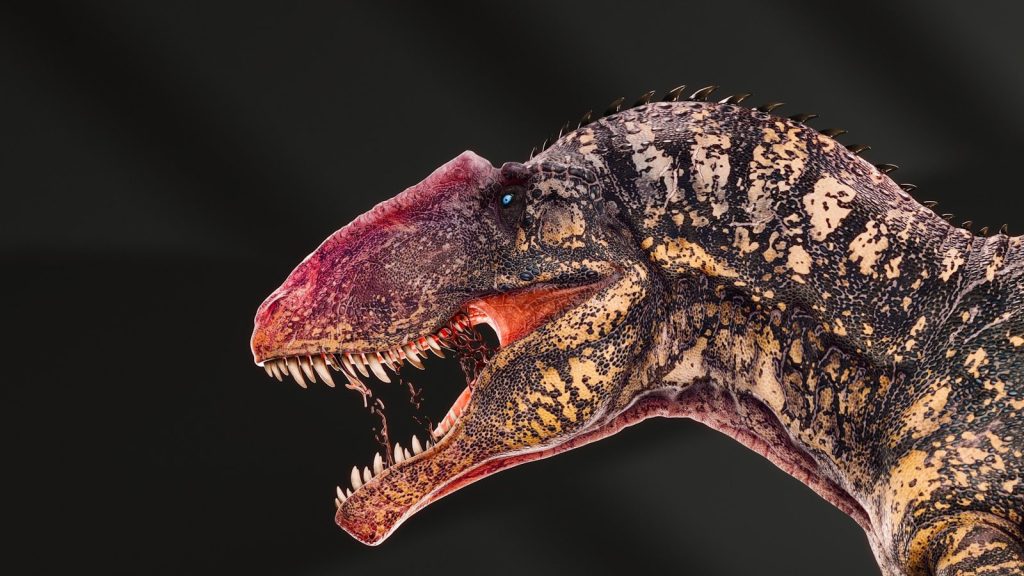
Scientists identified the fossil as belonging to a microraptorine—a subgroup of small feathered dinosaurs related to Velociraptor and considered part of the evolutionary lineage that eventually gave rise to modern birds.
The species was named Jian changmaensis, combining a reference to a one-winged bird from Chinese mythology with the nearby village of Changma.
Built for Gliding, Not Powered Flight
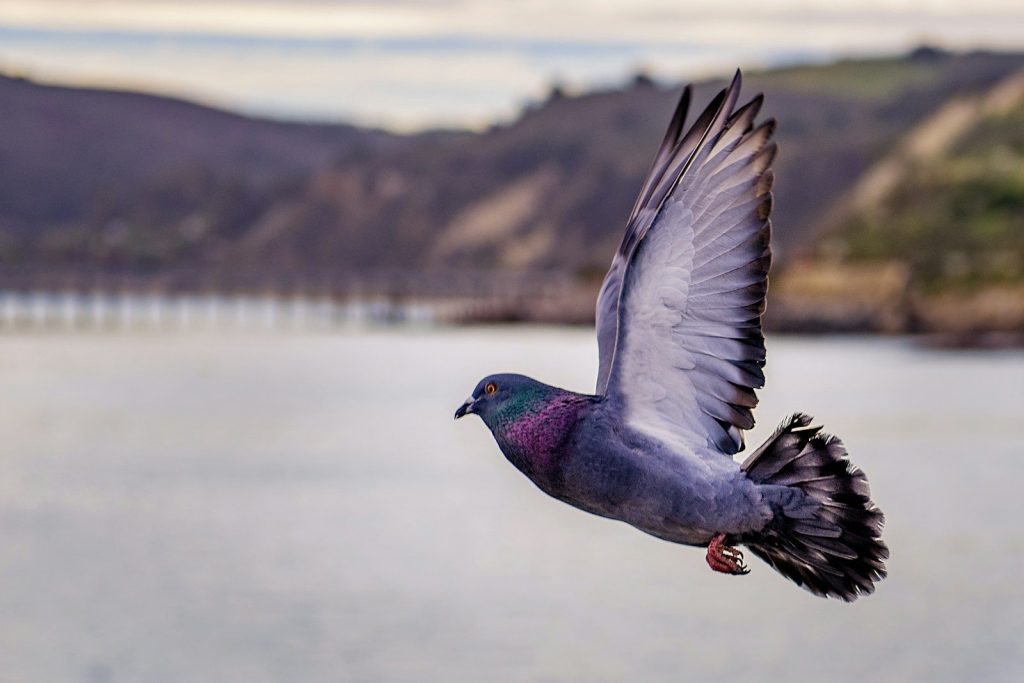
Unlike modern birds, Jian changmaensis was not capable of sustained powered flight.
Instead, researchers believe it glided from tree to tree using four feathered wings—two on its forelimbs and two on its hind limbs—similar to how modern flying squirrels move through forests.
Its estimated wingspan of around four feet makes it one of the largest known members of its group, roughly comparable in size to a modern barn owl.
Small Predator With Deadly Weapons
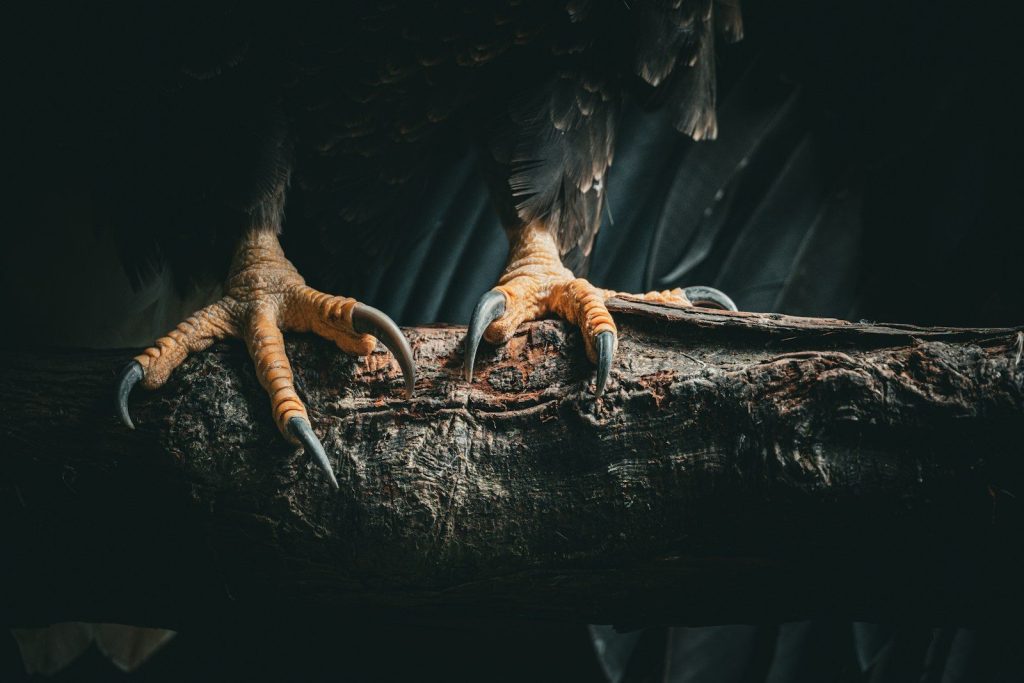
Although relatively small, Jian changmaensis was likely an effective hunter.
Its arms were equipped with sharp talons capable of grasping and tearing prey, allowing it to swoop down from above before attacking. This combination of gliding ability and formidable claws would have made it a skilled aerial predator during the Early Cretaceous period.
A Window Into the Evolution of Birds
The discovery provides valuable insight into how flight evolved among feathered dinosaurs.
Each new fossil helps scientists better understand the gradual transition from ground-dwelling predators to the birds that inhabit our skies today, revealing that nature experimented with a variety of wing designs long before true flight became possible.
Disclaimer: The images used in this article are for illustrative and representational purposes only. They may not depict the actual fossil, animal, people, or events described.