
When people think about dangers to their pets, they often imagine large predators like wolves or bears. In reality, many pet injuries and deaths are caused by far more common wild animals that live near neighborhoods, parks, and backyards. Knowing which animals pose a risk can help pet owners take simple precautions to keep their dogs and cats safe.
Coyotes
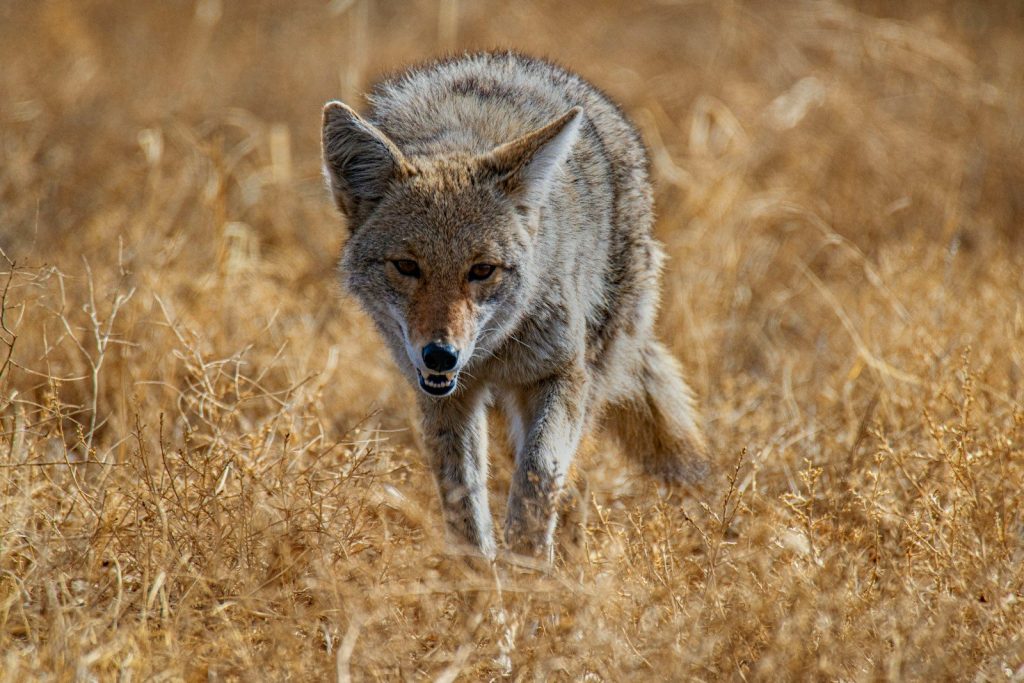
Coyotes are among the biggest threats to small pets in many parts of North America. They are highly adaptable and frequently venture into suburban neighborhoods in search of food, especially at dawn, dusk, and during the night.
Small dogs and outdoor cats are most vulnerable. Keeping pets on a leash during walks and supervising them in fenced yards can greatly reduce the risk of an encounter.
Birds of Prey

Large birds such as hawks, eagles, and great horned owls are capable of attacking very small pets. While these incidents are relatively uncommon, puppies, kittens, rabbits, and toy-breed dogs can be at risk in areas where large raptors are present.
Pet owners should avoid leaving tiny animals unattended outdoors, particularly in open spaces where birds can easily swoop down.
Snakes

Venomous snakes can pose a serious danger to curious pets that investigate them too closely. Dogs are especially likely to be bitten on the face or legs while sniffing through tall grass or bushes.
Keeping pets on marked trails during hikes and maintaining a tidy yard with minimal hiding places can help reduce unwanted encounters.
Raccoons
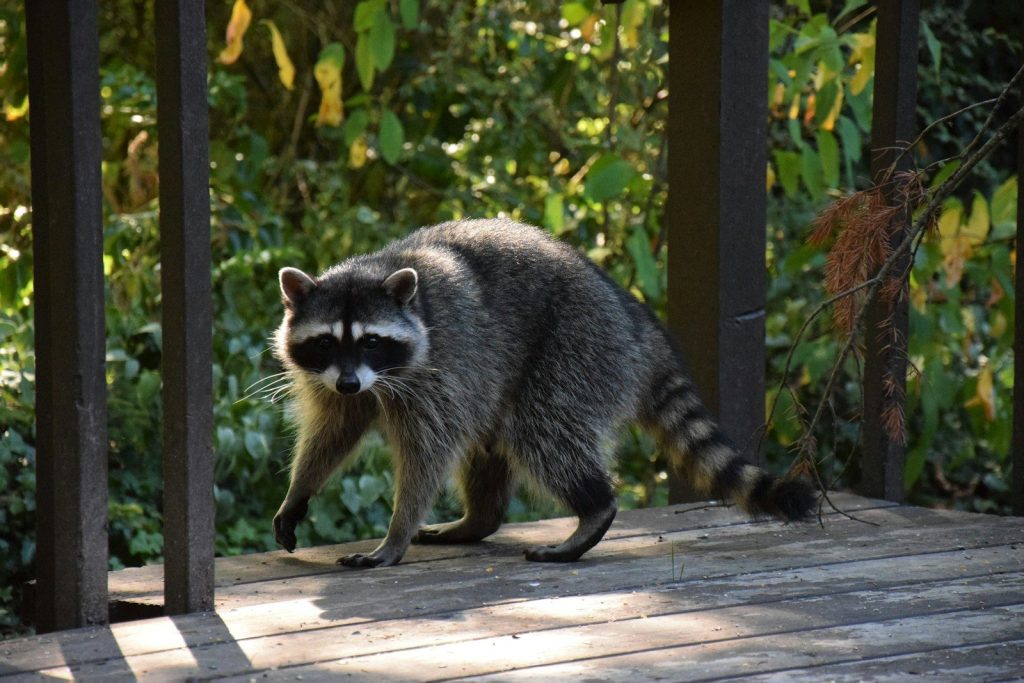
Raccoons may look harmless, but they can become aggressive if cornered or protecting their young. They are strong enough to injure dogs and cats with their sharp teeth and claws during a fight.
They can also carry diseases and parasites that may spread to pets, making it important to keep pet food indoors and secure garbage bins that attract wildlife.
Foxes
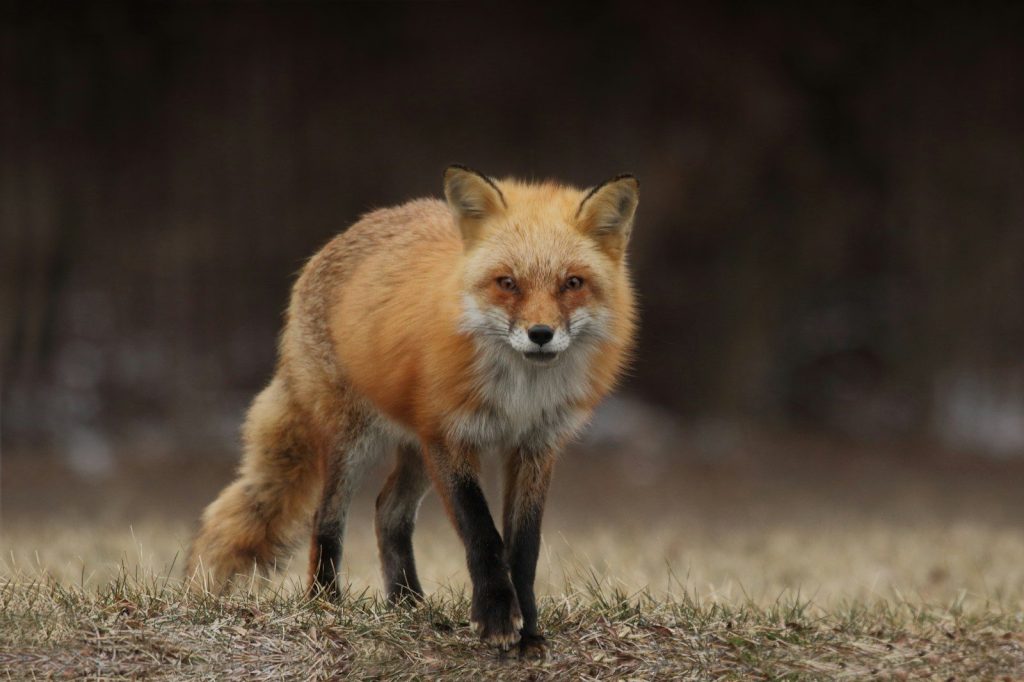
Foxes generally avoid people, but they may defend themselves if approached by curious pets. Small dogs and outdoor cats occasionally become involved in confrontations, especially near dens during breeding season.
Although attacks are uncommon, it’s best to keep pets away from areas where foxes are known to live and never encourage wildlife to visit your yard.
Skunks
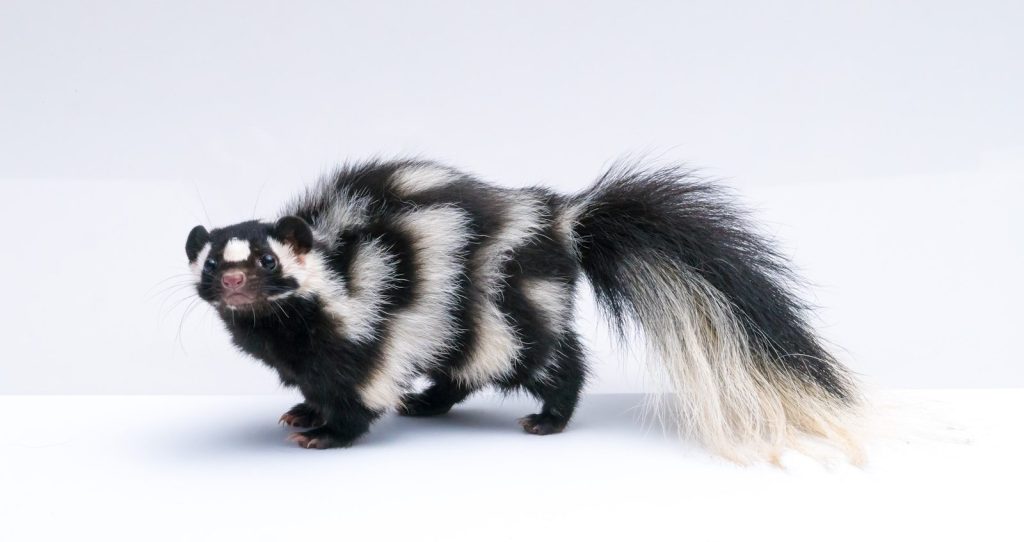
Skunks are best known for their powerful defensive spray, but they can also bite or scratch when threatened. Curious dogs often receive a face full of spray after getting too close.
In addition to the unpleasant odor, skunks can carry diseases such as rabies in some regions. Supervising pets outdoors at night can help avoid unwanted encounters.