A hungry wolf discovered exactly why grizzly bears rank among North America’s most dominant predators after attempting to steal a meal from a massive bear in Yellowstone National Park.
The dramatic encounter, captured on video, shows the young wolf cautiously approaching a grizzly feeding on a bison carcass before quickly realizing the meal was not up for sharing.
A Young Wolf Spots an Easy Opportunity
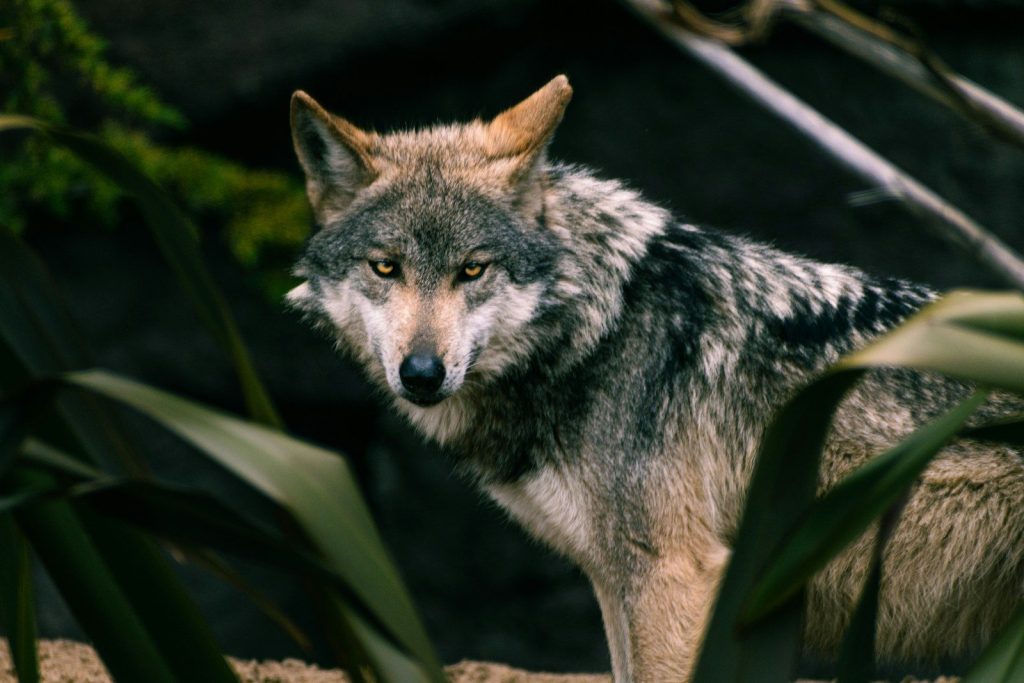
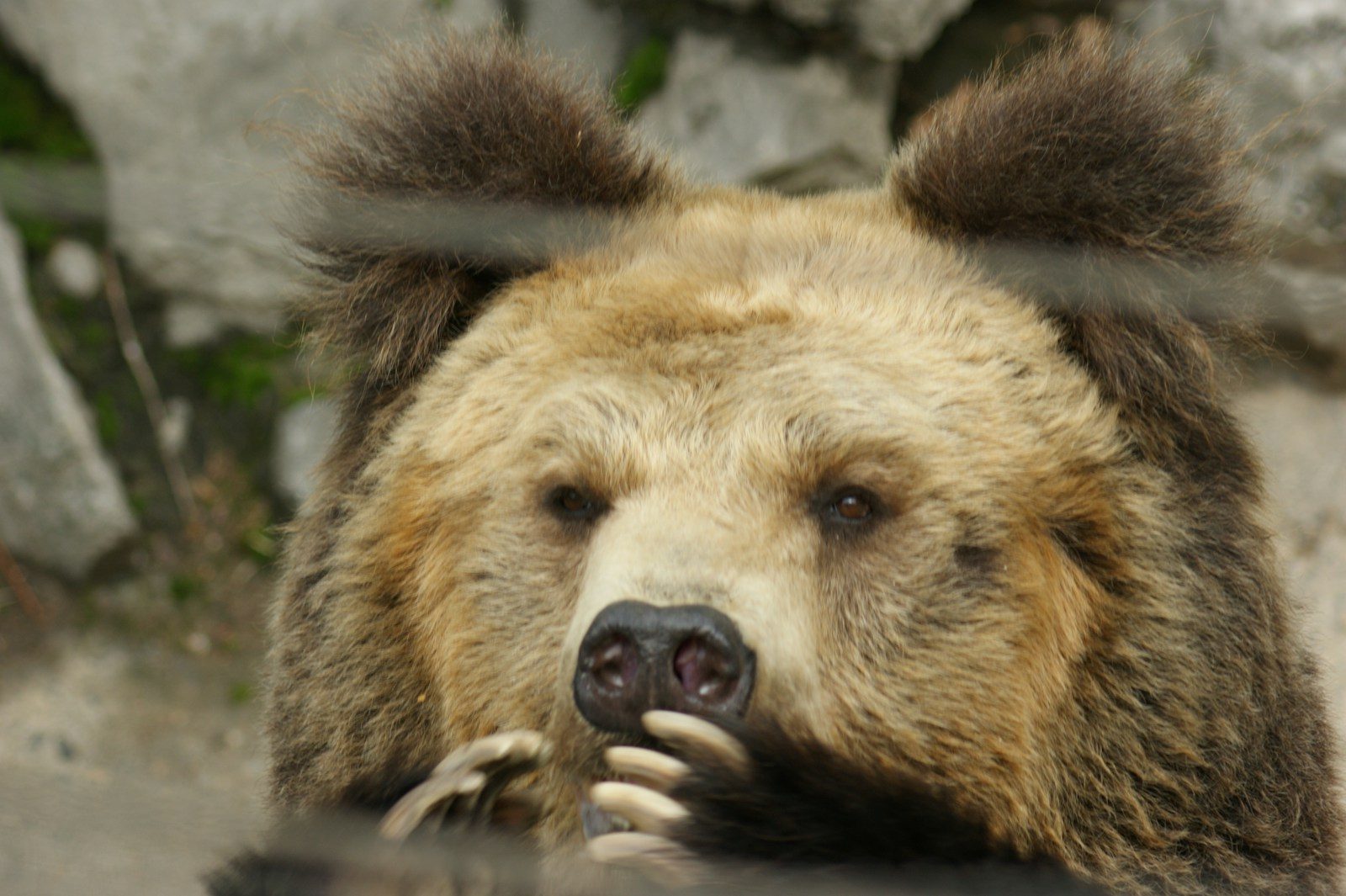
The footage, shared by the Instagram page @montanawild_, shows a grizzly bear feeding on a bison carcass that had attracted several wild animals.
Hoping to grab an easy meal, a young wolf slowly approached the carcass, carefully testing whether it could steal a bite without provoking the much larger predator.
The Grizzly Quickly Defends Its Meal
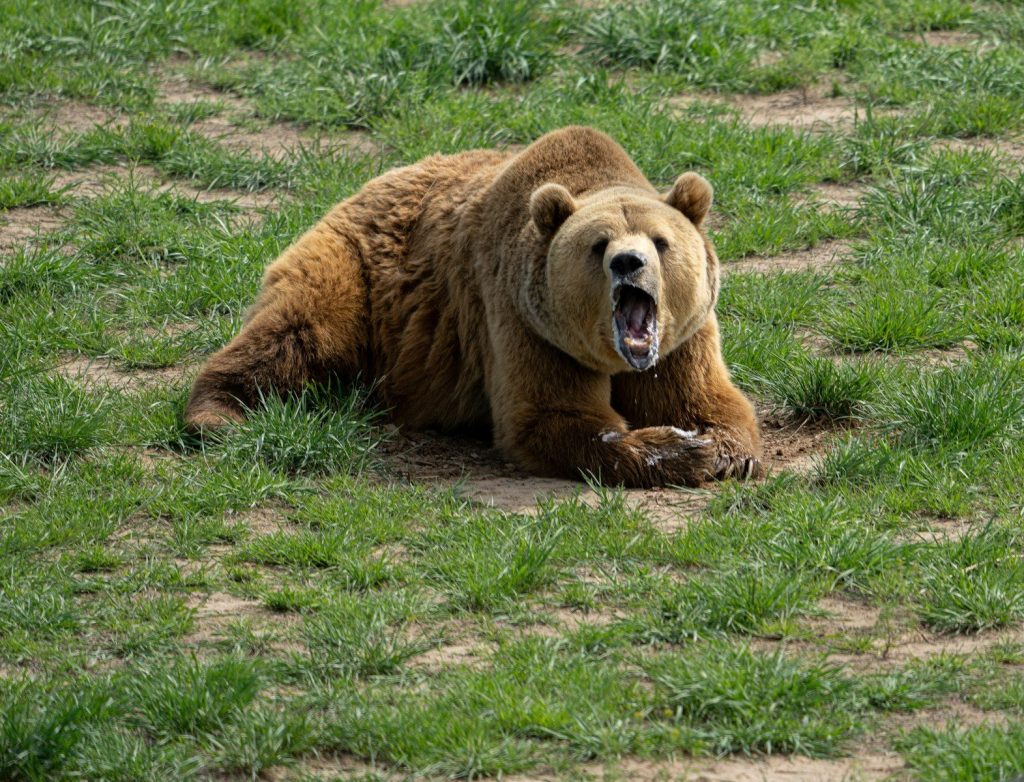
The wolf’s gamble lasted only a few moments.
As soon as it ventured too close, the grizzly made it clear that the carcass belonged to him. The bear’s intimidating response was enough to send the wolf retreating without a fight.
Size Matters in the Wild
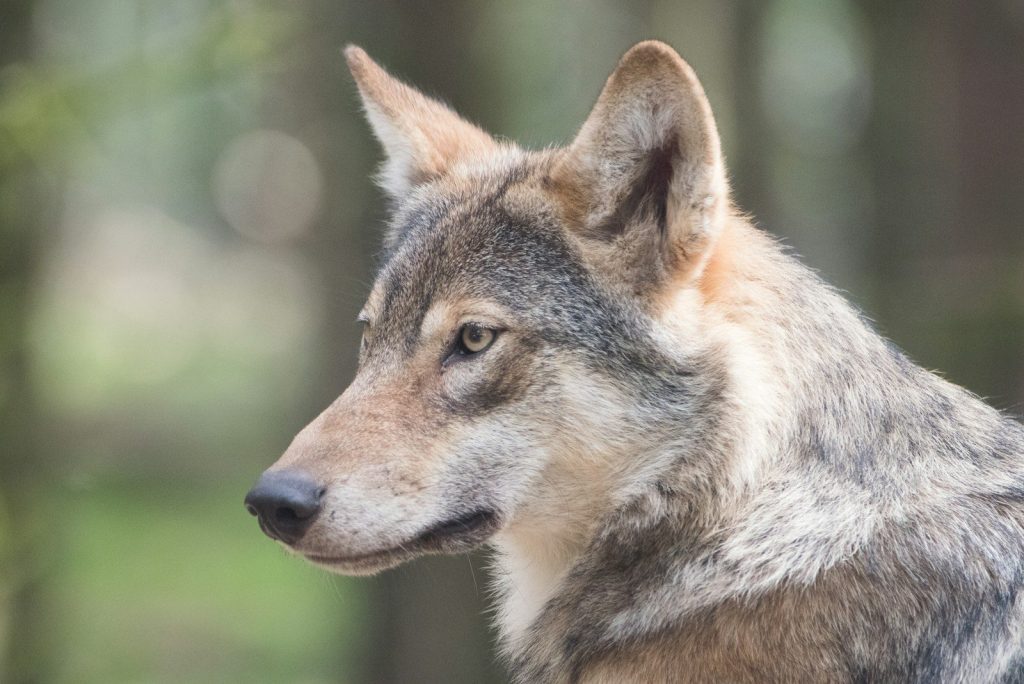
Although wolves are skilled hunters, they rarely challenge adult grizzly bears over food.
A mature grizzly can weigh more than 700 pounds, while most wolves weigh less than 100 pounds. With such a dramatic size difference, the wolf wisely chose to back away rather than risk serious injury.
Wildlife Fans React to the Viral Video

The encounter quickly gained attention online, with many viewers amused by the wolf’s bold—but short-lived—attempt.
One commenter joked, “Wolf looks a little light. He could use a good meal. But he’s not ready to die for it.”
Another simply wrote, “Amazing!!”
A Reminder of Nature’s Hierarchy
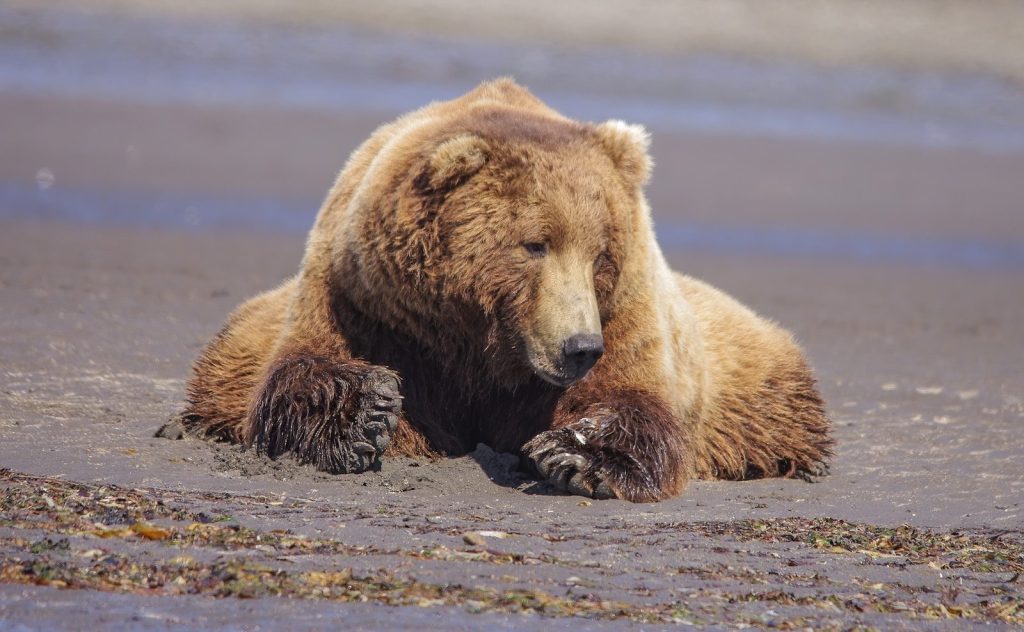
The dramatic interaction highlights the natural pecking order among predators.
While wolves are powerful hunters in their own right, grizzly bears remain one of the most dominant animals in their habitat. Encounters like this offer a fascinating glimpse into how wildlife competes for valuable food resources while avoiding unnecessary conflict.
Disclaimer: The images used in this article are for illustrative and representational purposes only. They may not depict the actual animals, people, locations, or events described in the story.