Skip to content

Recent Posts

  • Rare Cat Breeds That Stand Out From the Crowd
  • Fascinating Facts About Zebras You Might Not Know
  • Everyday Things That Could Be Putting Your Dog at Risk
  • Invasive Species Causing Major Problems in U.S. Ecosystems
  • Amazing Facts About White Cats That Make Them Truly Unique

Most Used Categories

  • Nature & Wildlife (638)
  • Risk (58)
  • Human Interest (33)
  • Hunting (19)
  • Exotic Animals (18)
  • Survival (17)
  • Bees/Swarms fear (13)
  • Suspense (8)
  • Adventure (3)
  • Gears (2)
Skip to content
  • About Us
  • Contact Us
  • Disclaimer
  • Privacy Policy
  • Terms & Conditions

Hive Hunters Tales

  • Suspense
  • Nature & Wildlife
  • Human Interest
  • Hunting
  • Bees/Swarms fear
  • Exotic Animals
  • Risk
  • Survival
  • Adventure
  • Gears
  • Home
  • Nature & Wildlife
  • Why Aren’t Mammals as Colorful as Other Animals?
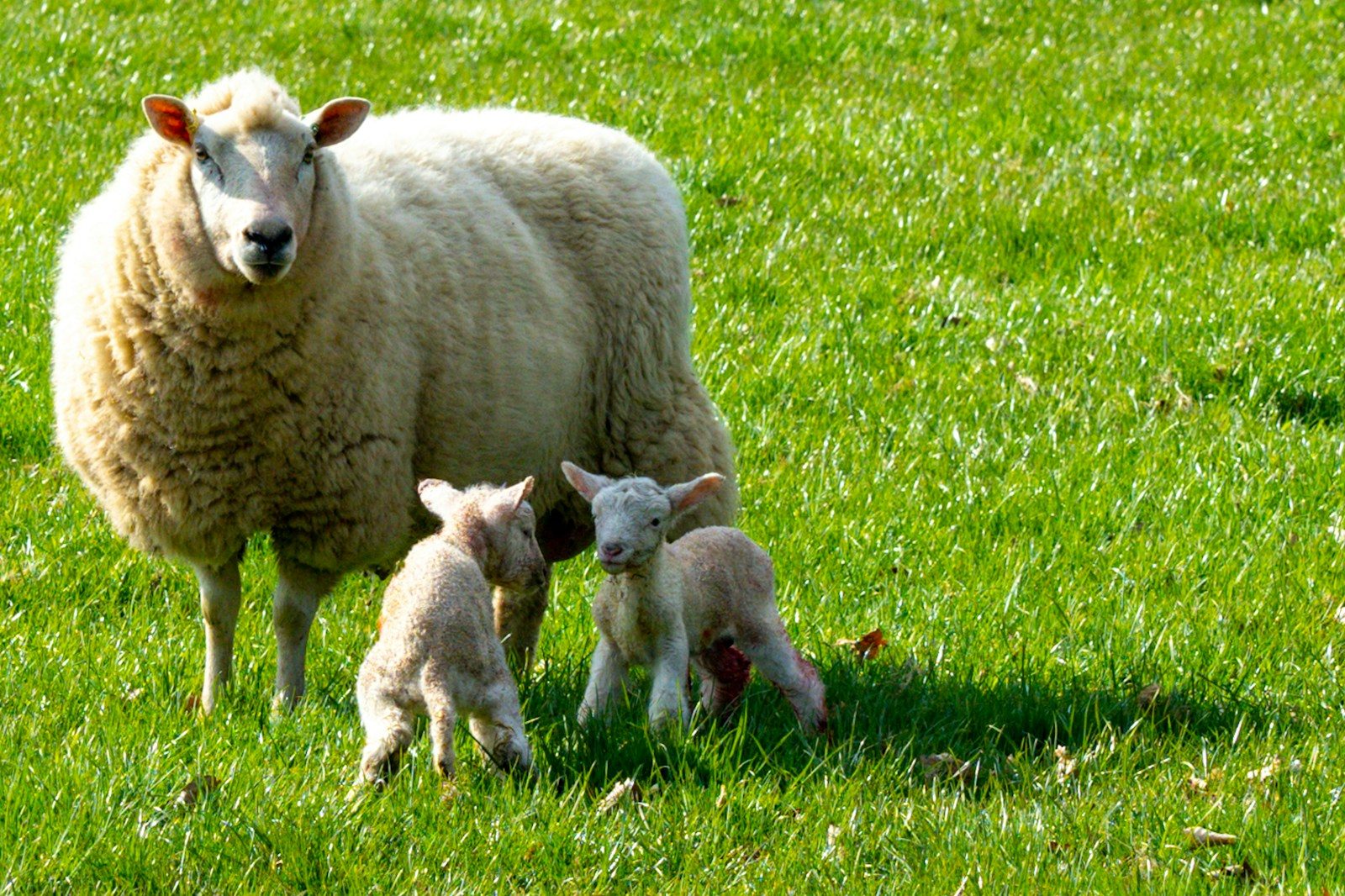
two sheep on green grass field during daytime

Why Aren’t Mammals as Colorful as Other Animals?

JakeJuly 20, 2026July 20, 2026

From brilliantly colored parrots to shimmering tropical fish and vibrant reptiles, the animal kingdom is full of eye-catching colors. Mammals, however, are generally dressed in shades of brown, black, gray, and white, leaving many people wondering why they aren’t just as colorful.

Scientists say the answer lies in millions of years of evolution, unique biology, and the way mammals perceive the world. Together, these factors have shaped the muted coats seen in most mammal species today.

Mammals Have Fewer Natural Color Pigments
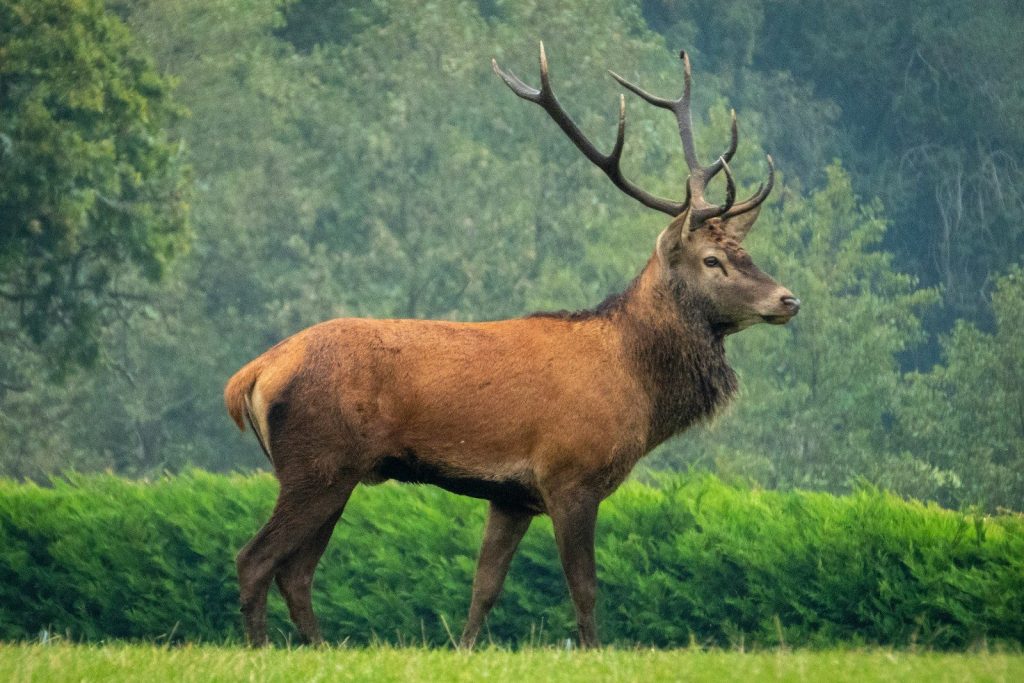
brown moose on grass near hedge
Photo by Nick Fewings on Unsplash

Unlike birds, reptiles, and fish, mammals primarily rely on a single pigment called melanin to produce their fur colors. Melanin creates shades ranging from black and brown to reddish and cream tones.

Other animal groups possess additional pigments, such as carotenoids and pterins, which allow them to display vivid reds, yellows, oranges, and other bright colors.

Fur Can’t Create Brilliant Structural Colors
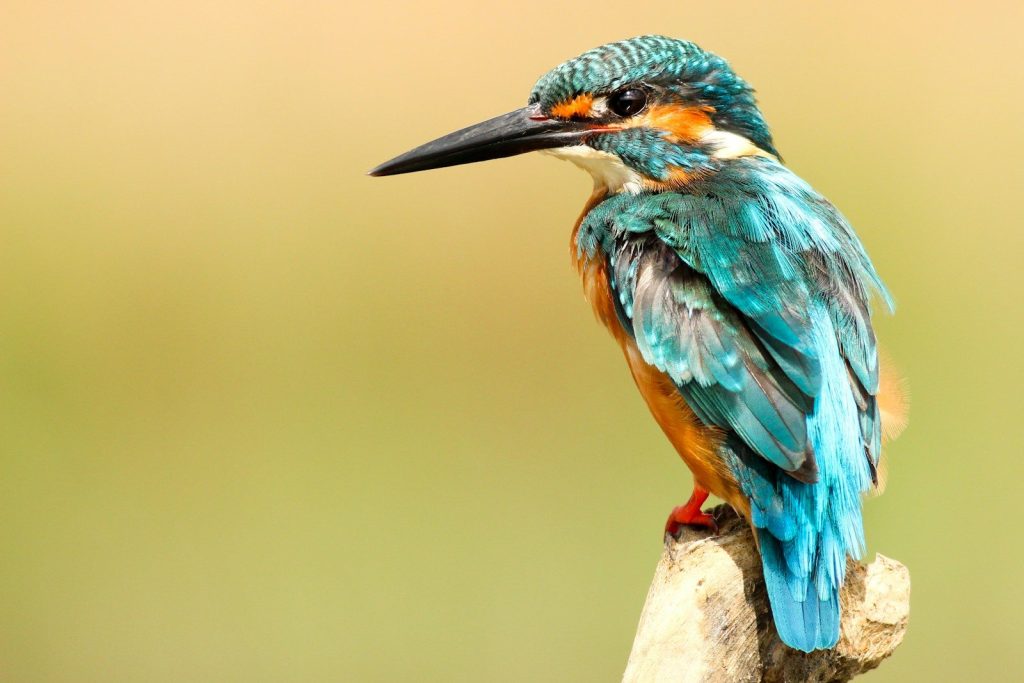
blue and brown bird on brown tree trunk
Photo by Boris Smokrovic on Unsplash

Many birds and insects produce dazzling blues and iridescent greens without pigments at all. Instead, microscopic structures on their feathers or scales bend light to create vibrant colors.

Mammalian hair lacks these specialized nanostructures, making it nearly impossible to generate the shimmering effects commonly seen in peacocks, butterflies, and tropical birds.

Early Mammals Evolved to Stay Hidden
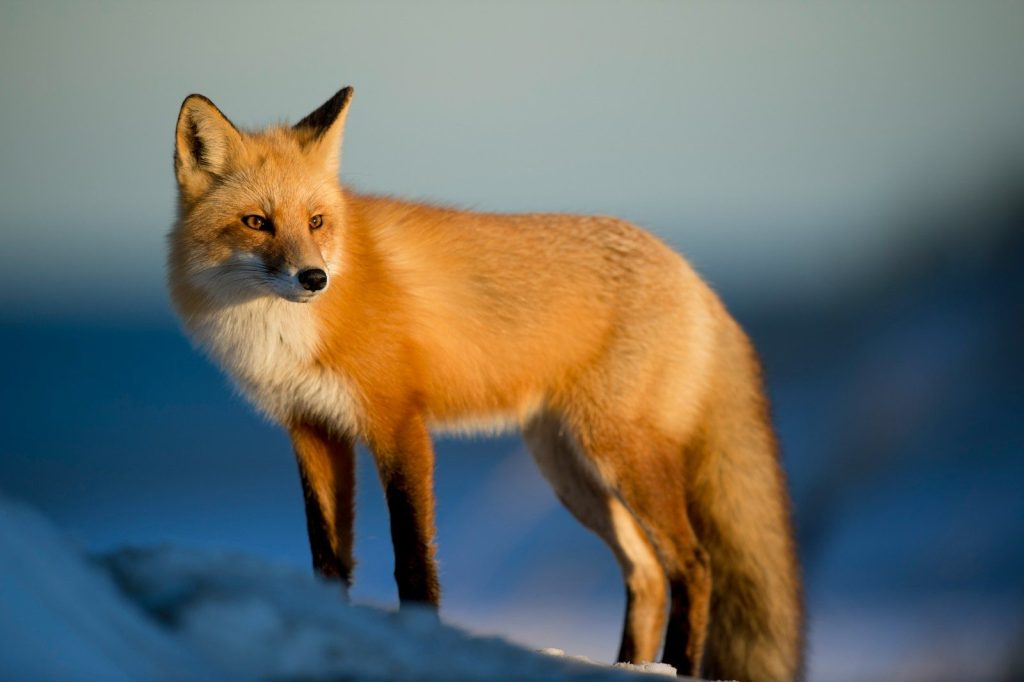
brown fox on snow field
Photo by Ray Hennessy on Unsplash

Scientists believe early mammals lived alongside dinosaurs and were mostly active at night to avoid predators. Natural selection favored camouflage over flashy appearances.

As a result, dull-colored coats that blended into forests, grasslands, and rocky landscapes became far more useful for survival than bright colors.

Most Mammals Don’t See Color Like Humans
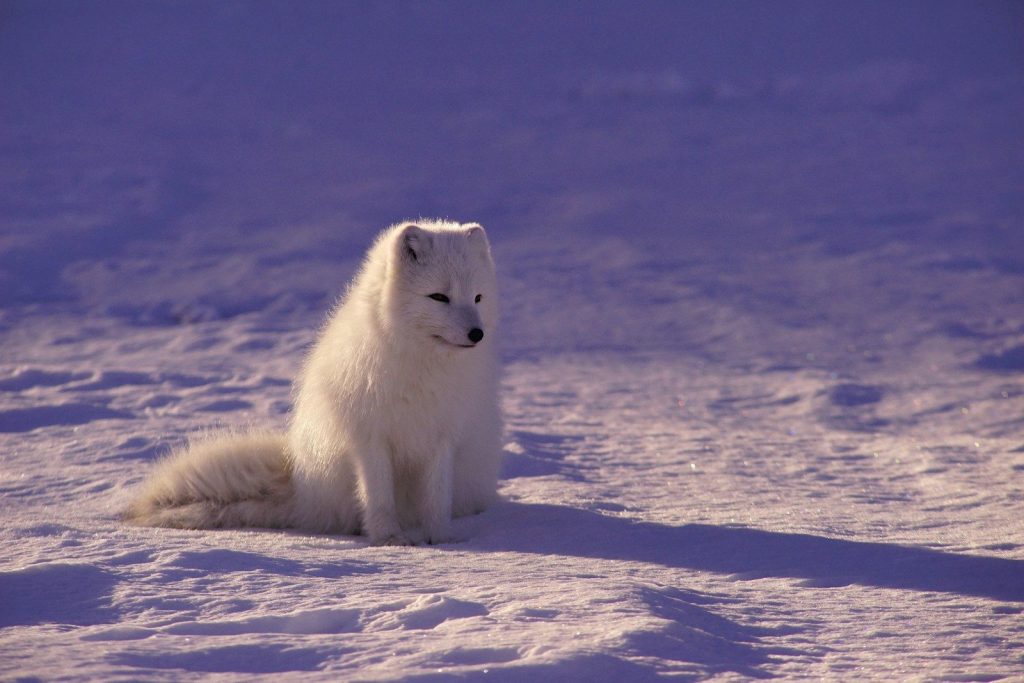
white fox sitting on snow during daytime
Photo by Jonatan Pie on Unsplash

Many mammals have dichromatic vision, meaning they can distinguish fewer colors than humans and many birds. Bright visual displays therefore offer less benefit for communication or attracting mates.

Instead, mammals often rely more heavily on scent, sound, and body language to recognize one another and signal reproductive readiness.

Some Mammals Still Break the Rules
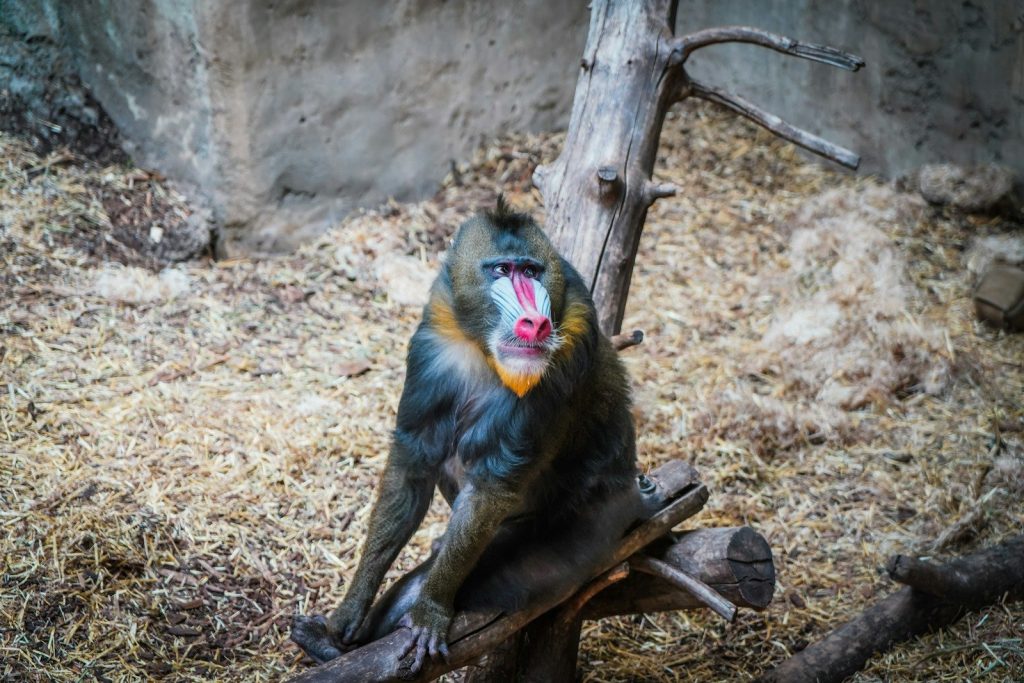
close-up photo of monkey sitting on tree branch
Photo by Yomex Owo on Unsplash

Although uncommon, a few mammals display striking colors. Mandrills have vivid blue and red facial skin, while golden snub-nosed monkeys sport bright golden fur.

Researchers have also discovered that some mammals fluoresce under ultraviolet light, suggesting their appearance may be more colorful than humans can normally perceive.
Post navigation

Previous: Hiker Says Black Bear Followed Her for 30 Minutes on Colorado Trail in Unusual Encounter
Next: Cat’s Heartbreaking Goodbye to Lifelong Feline Friend Leaves Viewers in Tears

Related Posts

A white cat with blue eyes sits on a tree branch surrounded by green leaves.

Rare Cat Breeds That Stand Out From the Crowd

July 21, 2026July 20, 2026 Jake
zebra on green grass field during daytime

Fascinating Facts About Zebras You Might Not Know

July 21, 2026July 20, 2026 Jake
a dog is running around in the grass

Everyday Things That Could Be Putting Your Dog at Risk

July 21, 2026July 20, 2026 Jake

Leave a Reply Cancel reply

Your email address will not be published. Required fields are marked *

Recent Posts

  • Rare Cat Breeds That Stand Out From the Crowd
  • Fascinating Facts About Zebras You Might Not Know
  • Everyday Things That Could Be Putting Your Dog at Risk
  • Invasive Species Causing Major Problems in U.S. Ecosystems
  • Amazing Facts About White Cats That Make Them Truly Unique
Copyright All Rights Reserved | Theme: BlockWP by Candid Themes.