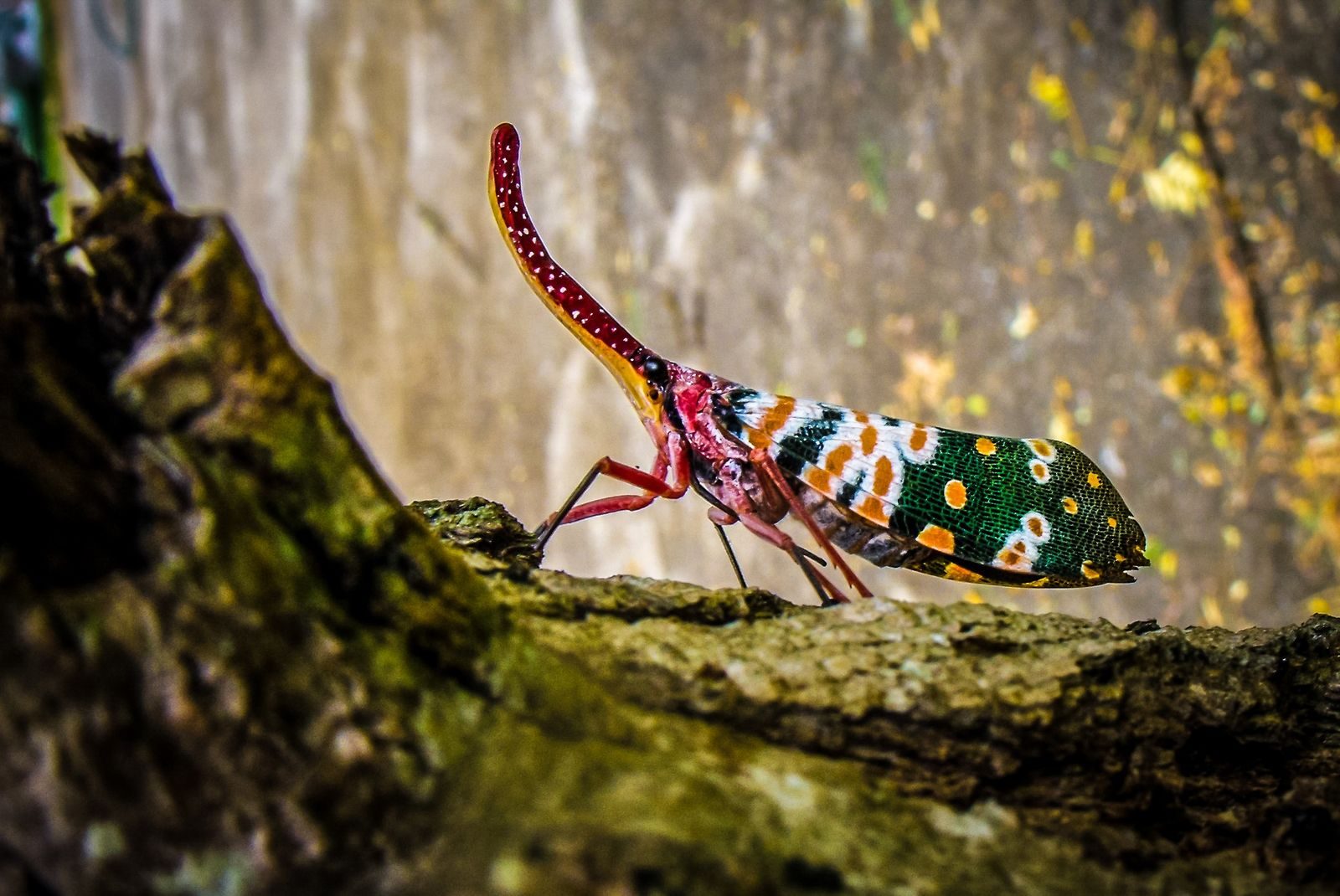
The spotted lanternfly is an invasive insect that has become a growing concern in many parts of the United States. Although it doesn’t bite humans or pets, it feeds on the sap of trees, vines, and ornamental plants, weakening them over time. If you spot these insects in your yard, taking prompt action can help limit their spread and protect your landscape.
Learn to Identify the Insect
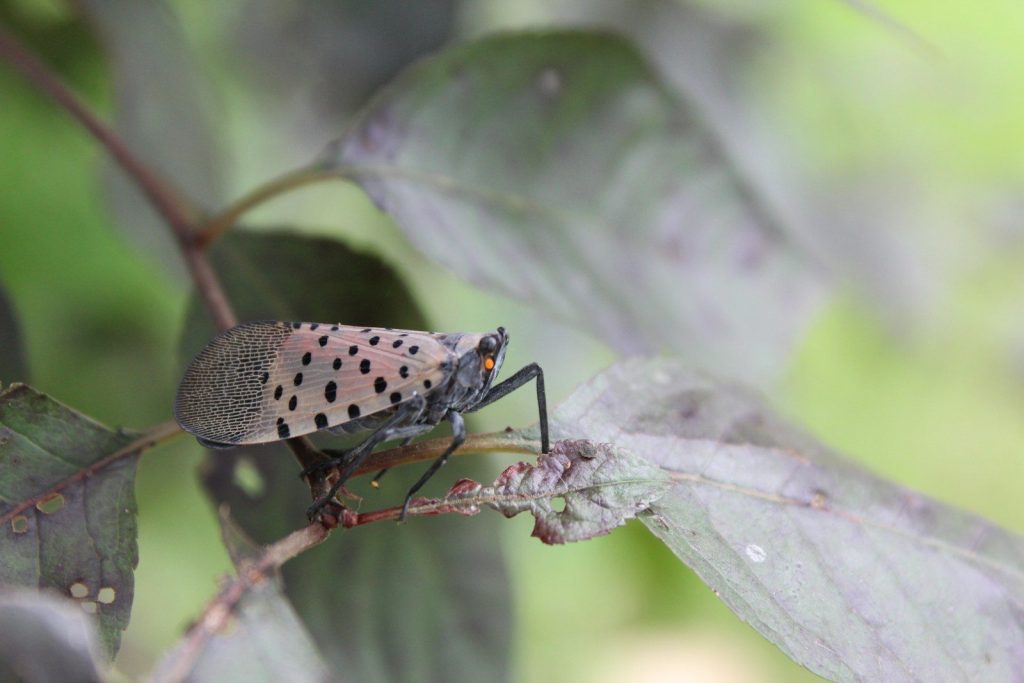
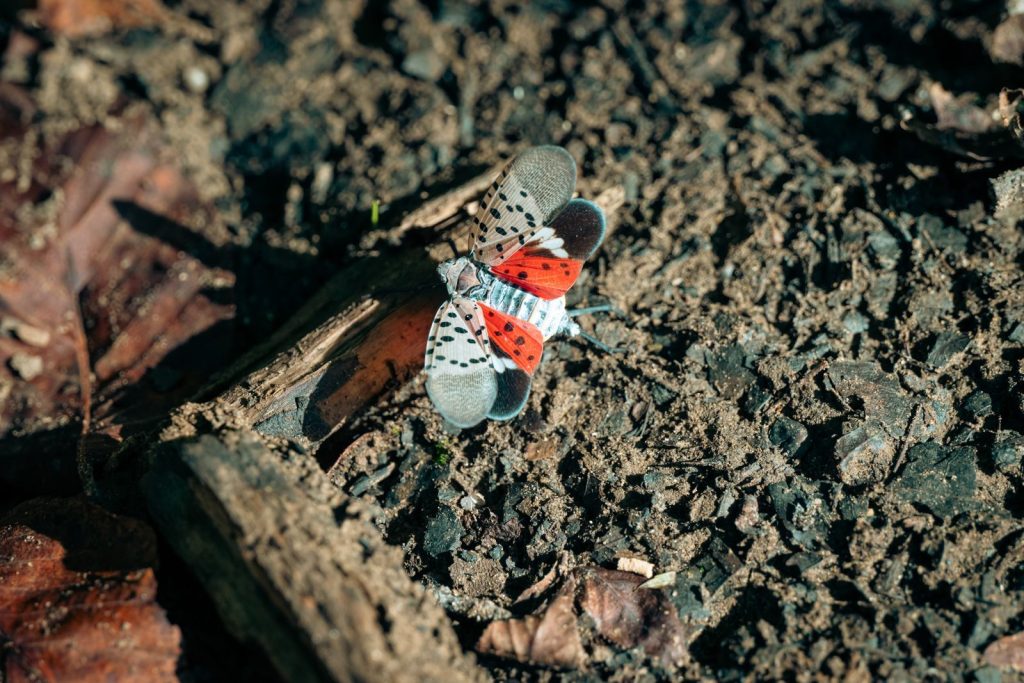
Adult spotted lanternflies have gray forewings with black spots and bright red hindwings that become visible when they fly. Young nymphs look quite different, starting out black with white spots before developing red patches as they mature.
Being able to recognize each life stage helps you act early before the population grows and causes more damage.
Check Trees, Plants, and Outdoor Surfaces

Lanternflies are commonly found on tree trunks, shrubs, grapevines, and ornamental plants. They also lay egg masses on fences, outdoor furniture, vehicles, firewood, and even garden tools.
Regular inspections around your property can help you detect an infestation before it becomes widespread.
Destroy Egg Masses and Adult Insects
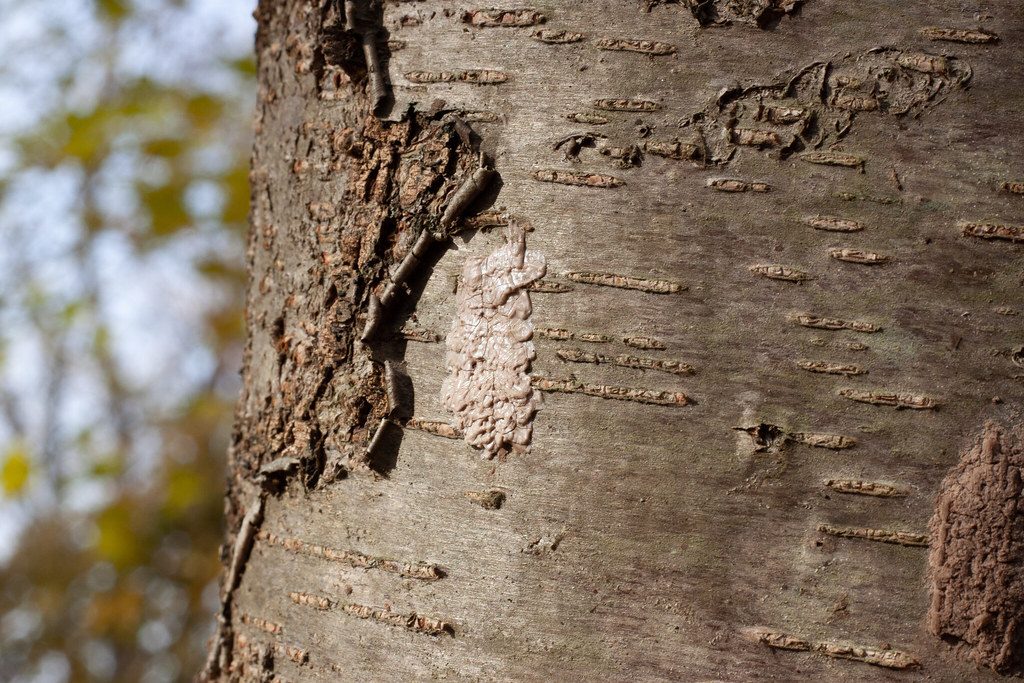
Egg masses are usually laid from late summer through winter and resemble patches of dried mud. Scraping them into a container filled with rubbing alcohol or soapy water destroys the eggs before they hatch.
If you find adult lanternflies or nymphs, removing them by hand or placing them in soapy water can help reduce local populations.
Remove Their Favorite Host Plants

One of the insect’s preferred hosts is the invasive tree-of-heaven. If this tree is growing on your property, removing it can make your yard less attractive to spotted lanternflies.
Keeping your landscape well maintained and eliminating unnecessary brush may also reduce places where the insects gather.
Avoid Accidentally Spreading Them
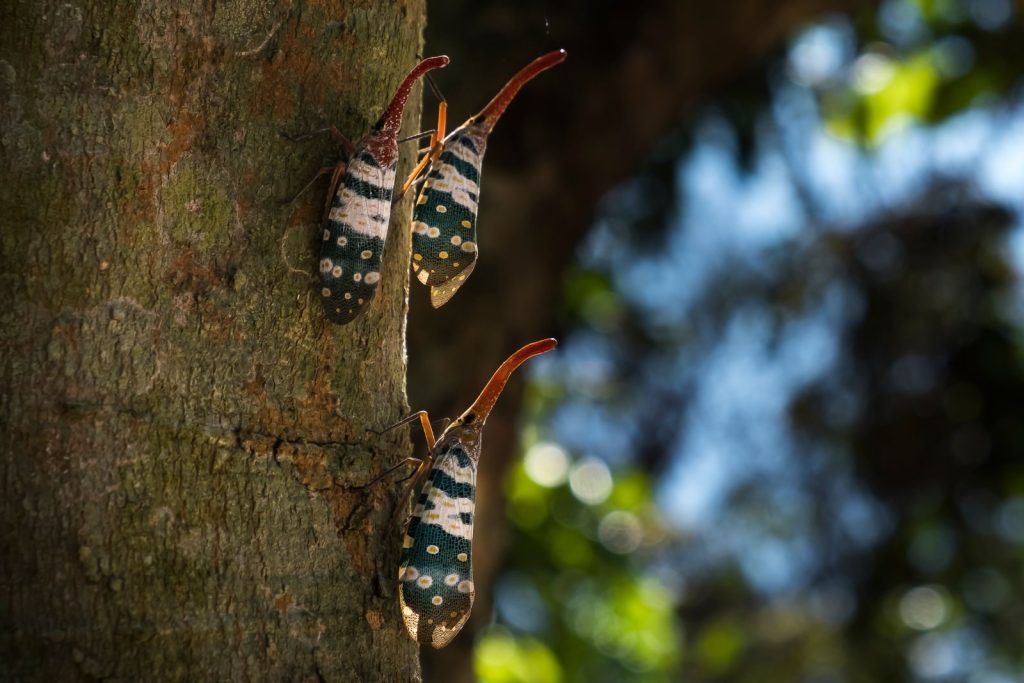
Spotted lanternflies are excellent hitchhikers. They can cling to vehicles, trailers, lawn equipment, outdoor furniture, and firewood, allowing them to spread to new locations.
Before traveling from an affected area, inspect your belongings carefully for insects or egg masses to avoid transporting them elsewhere.
Report New Sightings and Protect Your Plants
If spotted lanternflies are new to your area, local agricultural agencies may ask residents to report sightings to help track their spread. Following local recommendations can support ongoing control efforts.
For valuable trees, vineyards, or ornamental plants, protective measures such as sticky traps designed for lanternflies or approved insecticides may be recommended when infestations become severe. Always follow product directions carefully to avoid harming beneficial insects.