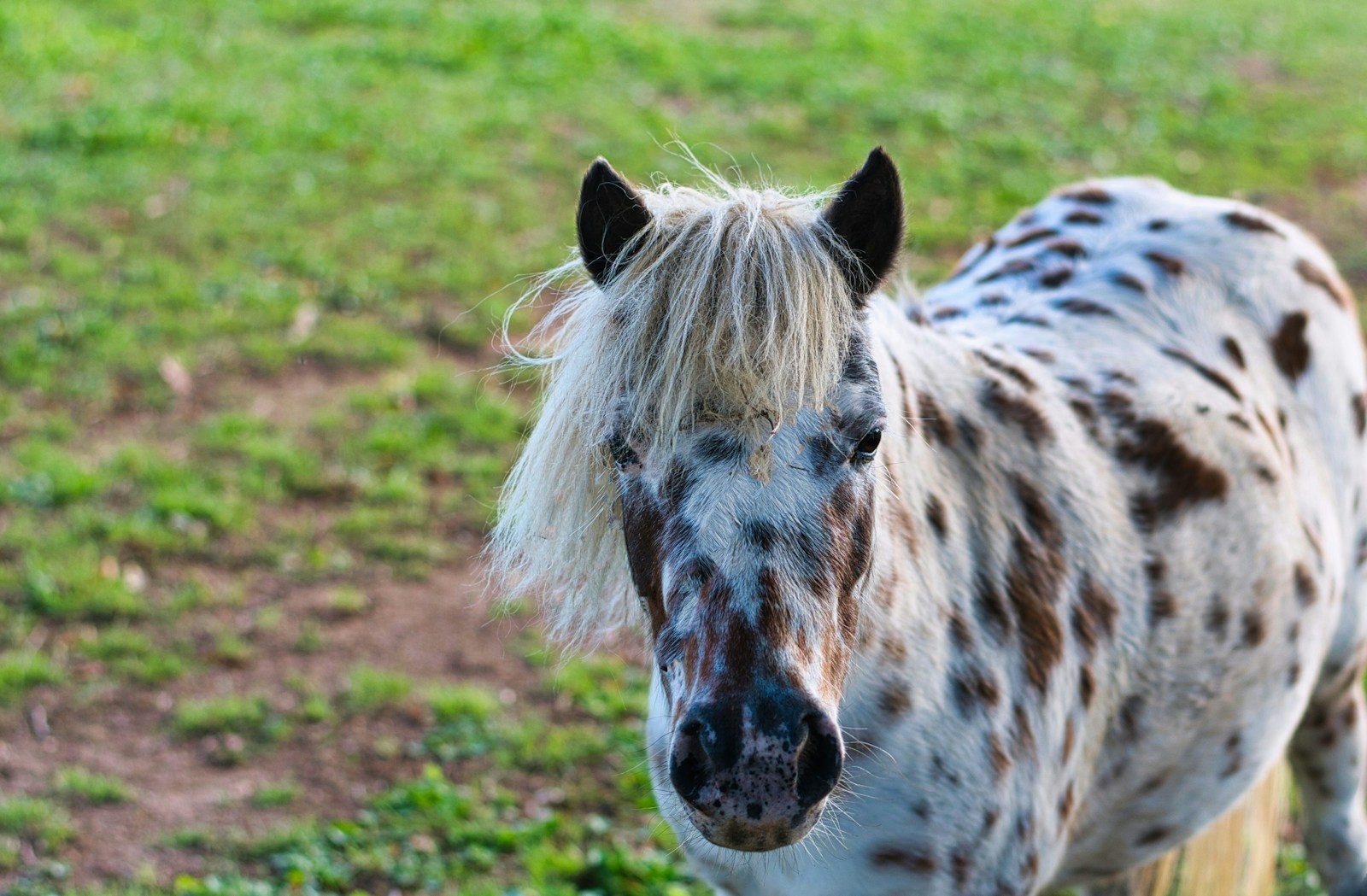
At first glance, it seems impossible. Two snow-white horses with flowing white manes become parents, and instead of another white foal, they welcome a baby covered in striking brown, black, and white leopard-like spots. The surprising arrival of a foal named Jumanji has captivated millions online, proving that genetics can create some truly breathtaking surprises.
The remarkable youngster was born at Big Vine Ranch in Georgia, where his unusual appearance quickly sparked curiosity and countless questions about how two white horses could produce such a colorful baby.
Meet Jumanji’s Extraordinary Parents
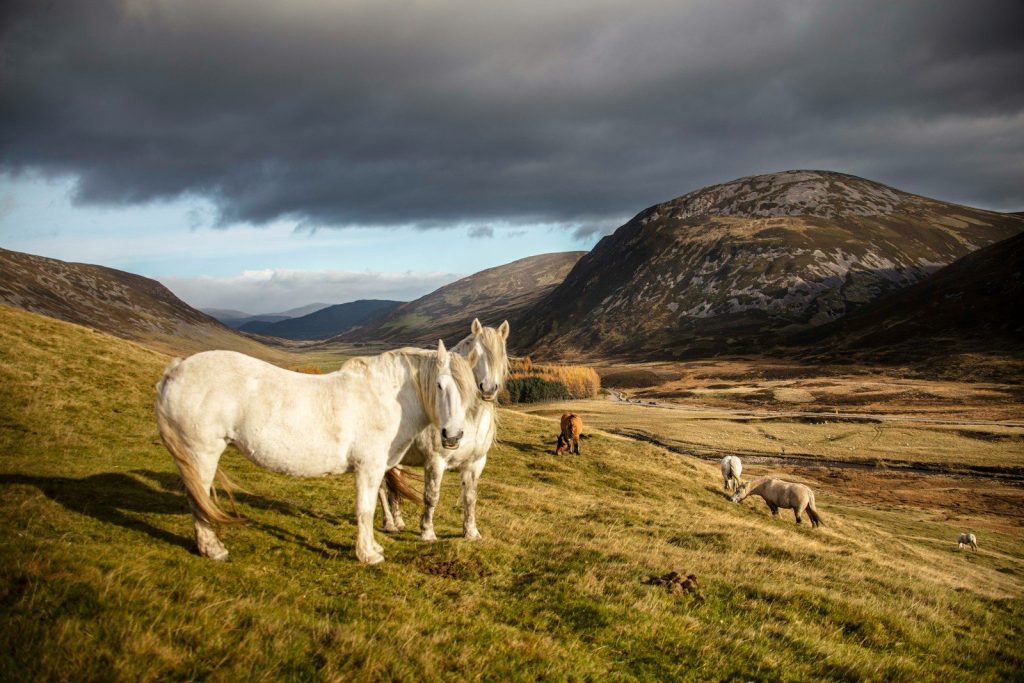
Jumanji’s mother and father both appear completely white, giving the impression that their foal would inherit the same snowy coat.
His father, Pax Asgard af Pegasus, is a Knabstrupper horse known for carrying powerful spotting genes, while his mother owes her pale appearance to special cream dilution genes. Although both parents look white, their hidden genetics tell a much more colorful story.
The Secret Hidden in Their DNA
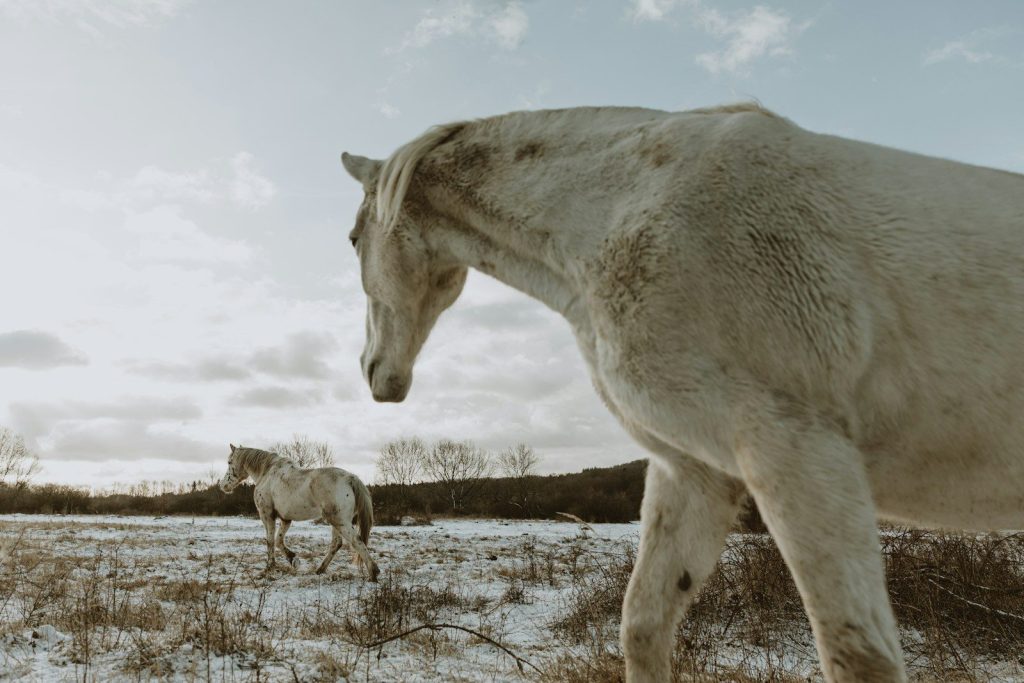
The answer lies in the genes each parent carries rather than what they look like on the outside.
Jumanji’s mother possesses two cream genes that dilute her original coat color until it appears almost pure white. Meanwhile, his father carries two copies of the Leopard Complex (LP) spotting gene, which creates the dramatic spotted patterns commonly seen in Knabstrupper horses. Since he carries two copies, every foal he sires inherits one of these spotting genes.
A Rare “Buckskin Leopard” Coat
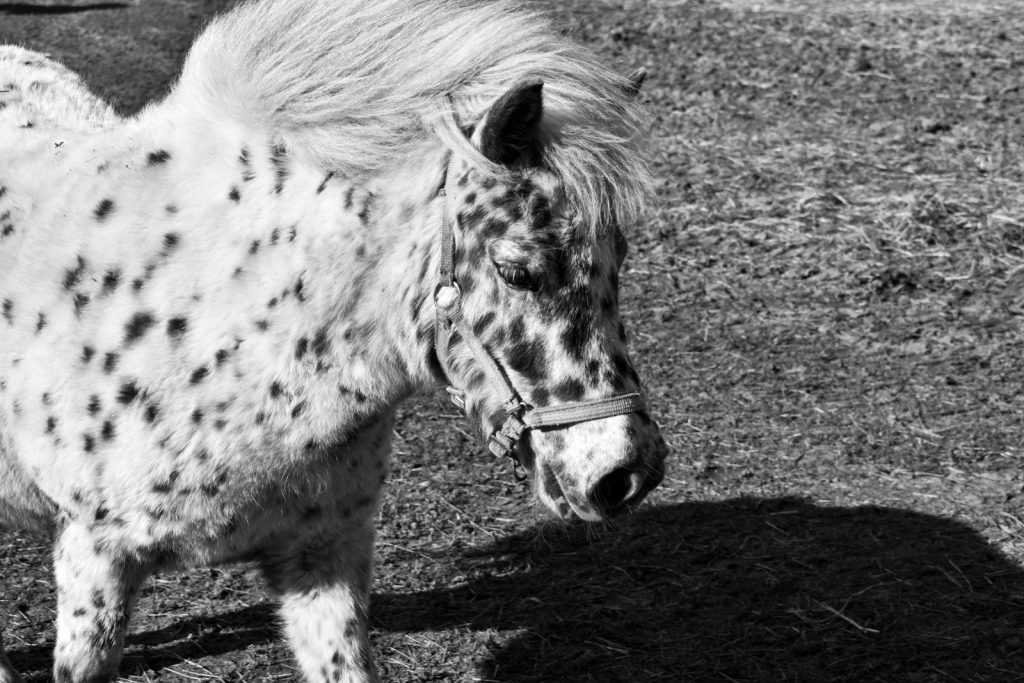
Jumanji inherited one cream gene from his mother and the spotting gene from his father.
The result is a spectacular coat pattern known as buckskin leopard—a beautiful blend of golden-brown coloring decorated with bold white areas and dark spots. Instead of looking like either parent, the foal displays a unique combination of both genetic lineages, making him stand out wherever he goes.
Why White Parents Can Have Colorful Babies
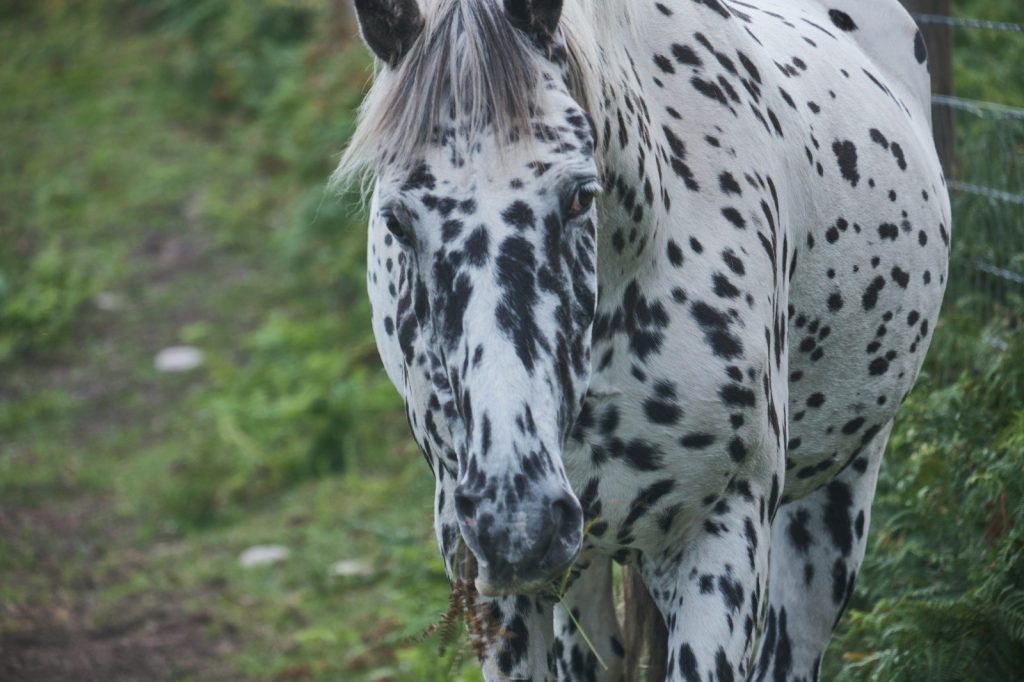
Many people assume that two white animals will always produce white offspring, but genetics is often much more complex.
An animal’s visible appearance, known as its phenotype, doesn’t always reveal every gene it carries. Some genes remain hidden for generations before combining in unexpected ways. When these concealed genetic traits meet, they can produce offspring with dramatically different colors or patterns from either parent.
Social Media Falls in Love with Jumanji

Videos introducing Jumanji have attracted enormous attention, with viewers marveling at his unusual appearance.
Some joked that “two ghosts somehow produced a giraffe,” while others humorously suggested that the mother had “some explaining to do.” Behind the playful comments, however, many viewers were genuinely fascinated by the science that made such an extraordinary foal possible.