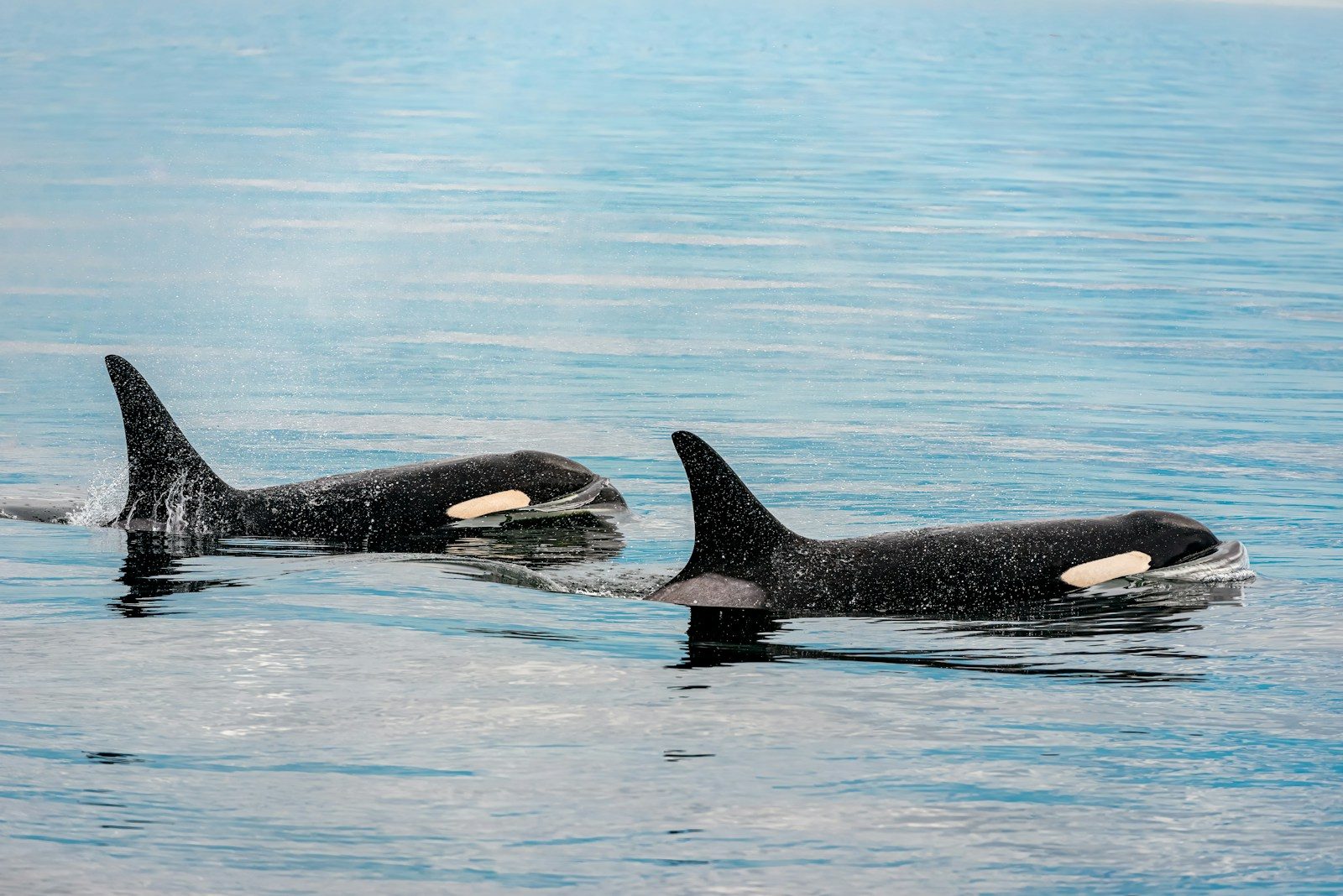
For centuries, orcas have been admired as intelligent, social, and highly skilled hunters. They are among the ocean’s most fascinating predators, known for their complex communication and close family bonds. But in recent years, these remarkable marine mammals have been making headlines for a very different reason—repeatedly attacking boats along the coasts of Spain and Portugal.
What initially seemed like a few isolated incidents has now grown into a pattern that has left sailors, scientists, and conservationists searching for answers.
A Growing Number of Boat Encounters
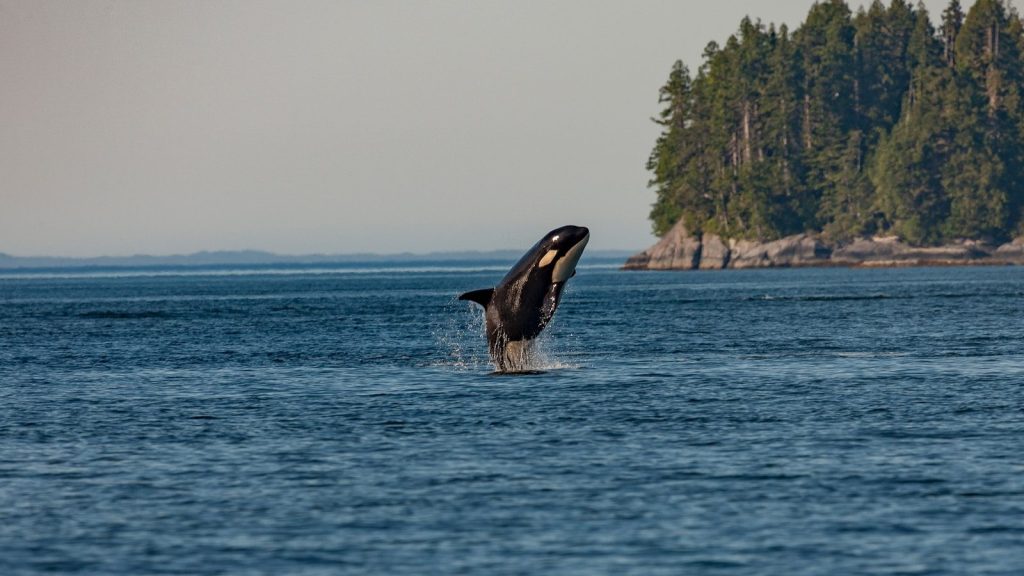
Since 2020, hundreds of interactions between orcas and sailing vessels have been recorded in the waters surrounding the Iberian Peninsula. During many of these encounters, the whales repeatedly ram the boats, target the rudders, and sometimes continue the behavior for extended periods.
Several vessels have suffered severe damage, and a handful have even sunk after losing steering control. While these incidents have been frightening for boat crews, there have been no confirmed cases of orcas deliberately harming people during these encounters.
Why Are Orcas Targeting Boats?
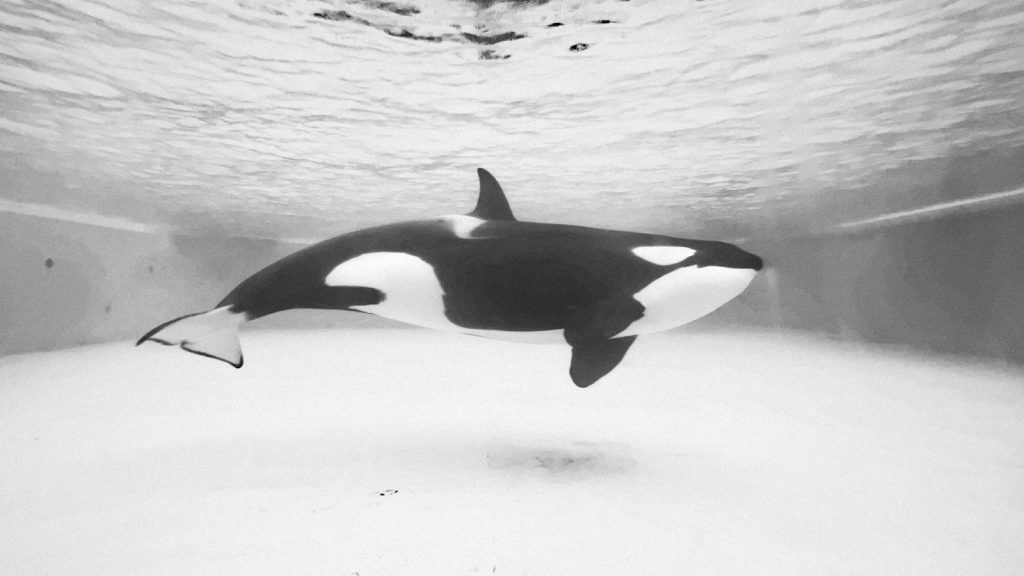
Scientists still don’t have a definitive answer, but several theories have emerged.
One leading explanation suggests that the behavior began after one or more orcas experienced a traumatic interaction with a boat, such as a collision or entanglement in fishing gear. If this happened, the animal may have started reacting aggressively toward vessels, with other members of the pod gradually copying the behavior.
Another possibility is that younger orcas are treating rudders as interactive objects. Orcas are naturally curious animals that often play with floating objects, and this behavior could have spread through social learning.
Orcas Learn From One Another
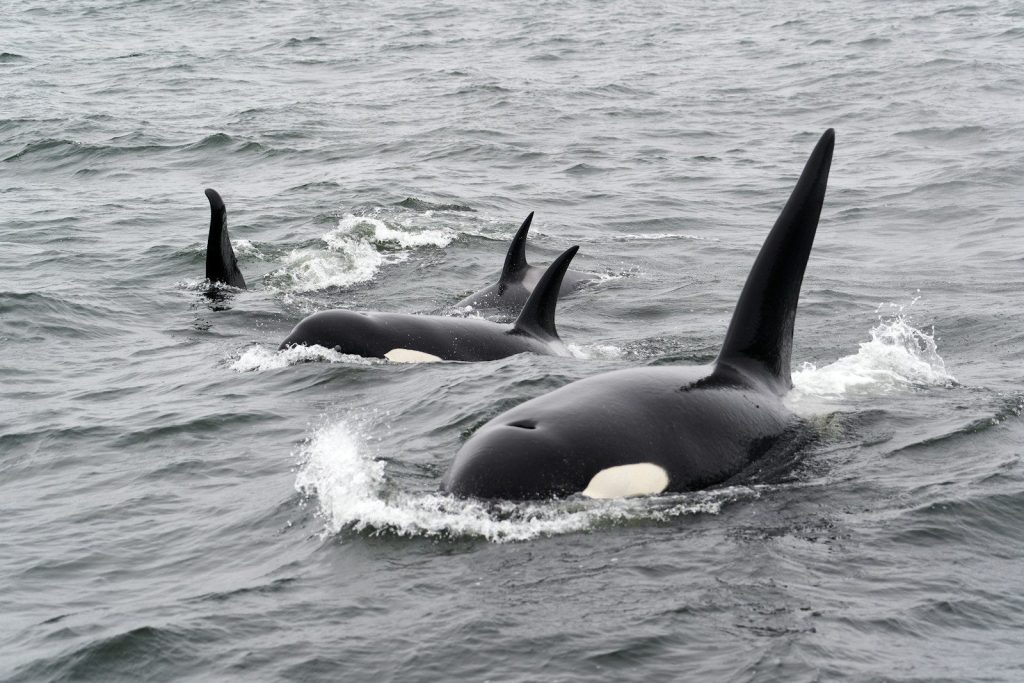
Unlike many animals, orcas pass knowledge through generations. Hunting techniques, migration routes, and communication methods are all taught within family groups.
This remarkable ability to learn socially may explain why boat interactions appear to be spreading. Once one pod develops a new behavior, nearby pods may observe and imitate it, creating what researchers call a cultural behavior rather than an instinctive one.
This makes understanding the phenomenon even more important, as learned behaviors can persist for years.
Why Rudders?
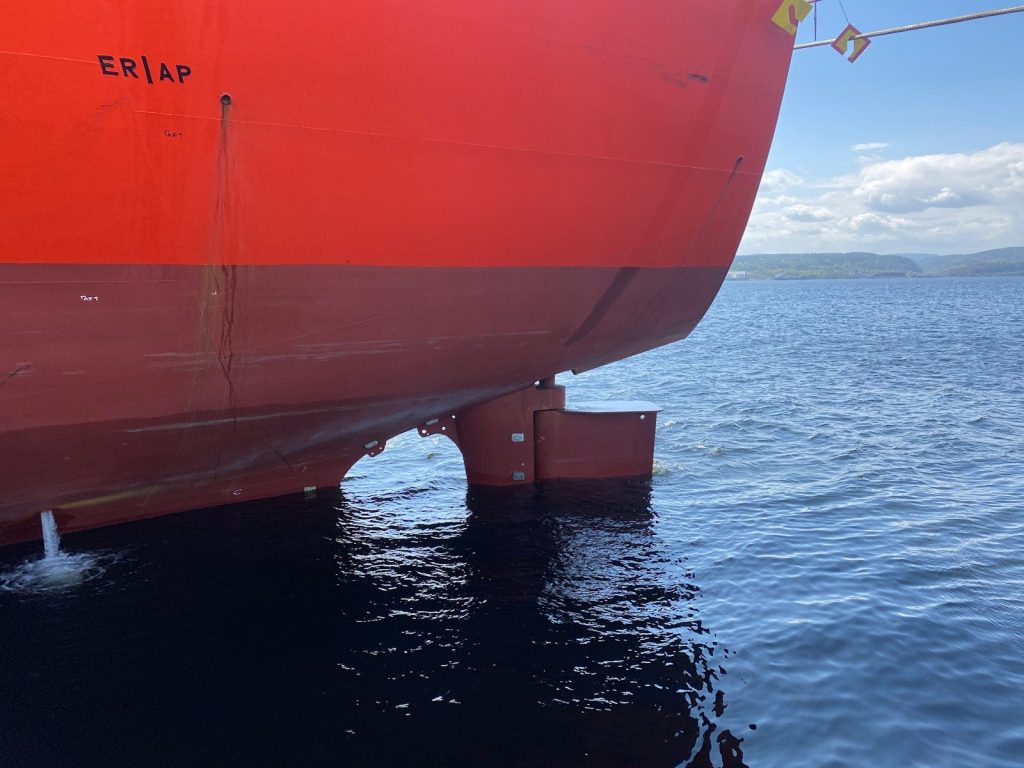
One of the most unusual aspects of these encounters is that orcas consistently focus on rudders rather than attacking the entire boat.
Researchers believe rudders produce vibrations and movement that attract the whales’ attention. By disabling the steering system, the boat becomes easier to manipulate, although scientists do not believe the whales are intentionally trying to sink vessels.
Instead, the repeated strikes may simply be a response to the moving object beneath the water.
A Reminder of Human Impact
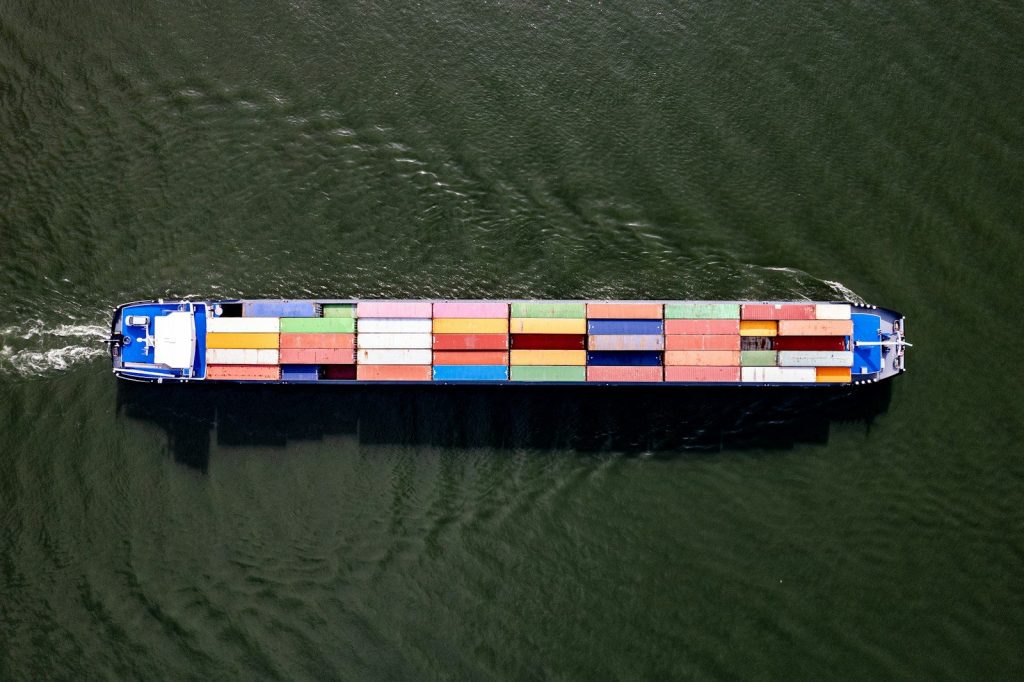
Many marine experts believe these encounters should also encourage people to consider how human activities affect ocean life.
Busy shipping lanes, underwater noise pollution, overfishing, and accidental boat strikes all place increasing pressure on marine mammals. Orcas rely heavily on sound to communicate and navigate, making noisy seas particularly disruptive to their daily lives.
While there is no evidence that all these factors directly cause the boat interactions, they highlight the growing overlap between human activity and wildlife habitats.