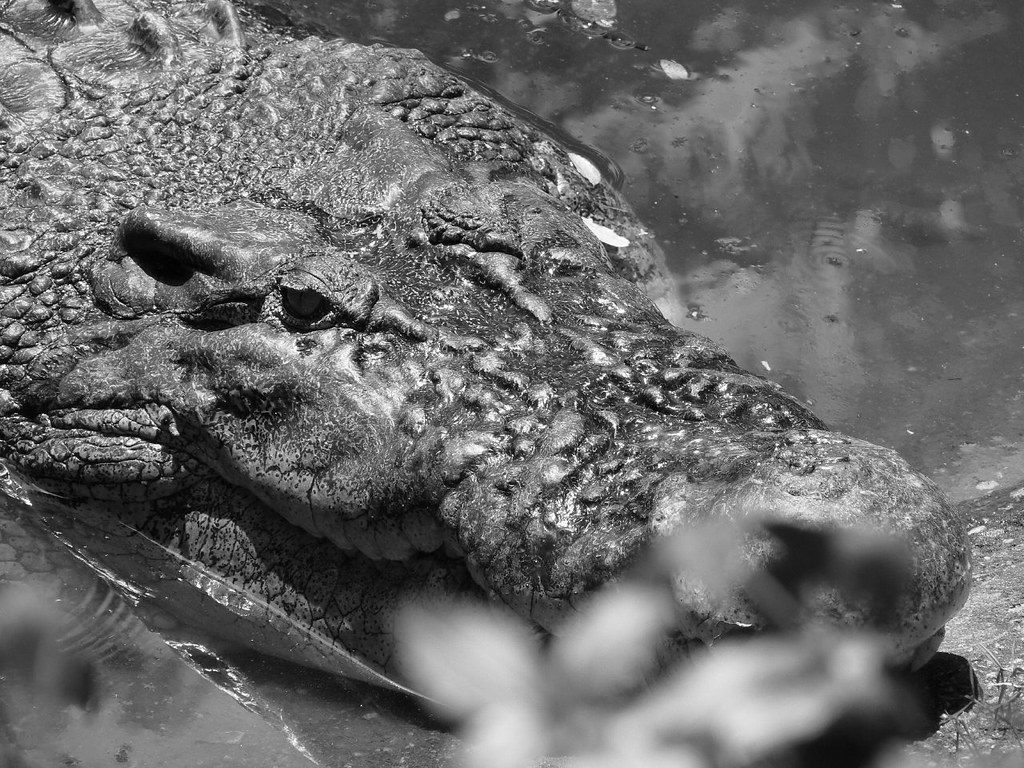
Scientists have identified a previously unknown crocodile species that lived alongside one of humanity’s earliest ancestors, Lucy, in East Africa around 3 million years ago. Named Crocodylus lucivenator, meaning “Lucy’s hunter,” this massive reptile likely ruled the rivers and wetlands where early human relatives lived and searched for food.
The discovery offers a fascinating glimpse into the dangers faced by our ancient ancestors and highlights the role predators played in shaping early human survival.
A New Crocodile Species From Ancient Ethiopia
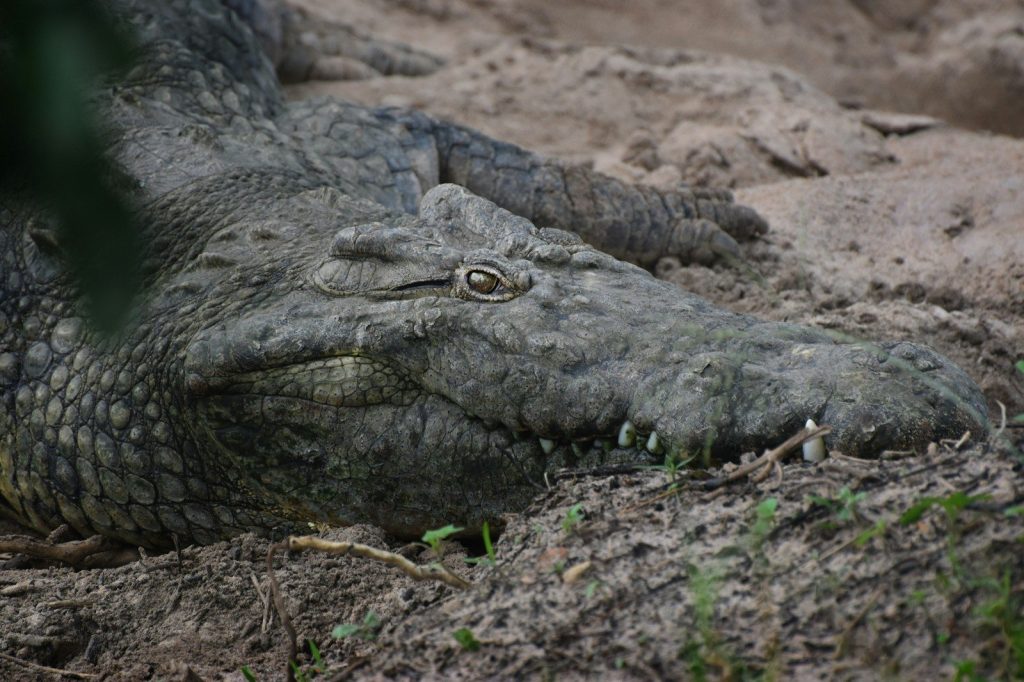
Researchers uncovered fossils belonging to a previously unknown crocodile species in Ethiopia’s Hadar region. The area is famous for the discovery of Lucy, one of the best-known fossils of the early human species Australopithecus afarensis.
The newly identified crocodile lived between 3.4 million and 3 million years ago, making it a contemporary of Lucy and providing new insight into the ecosystem she once called home.
Why Scientists Named It Lucy’s Hunter
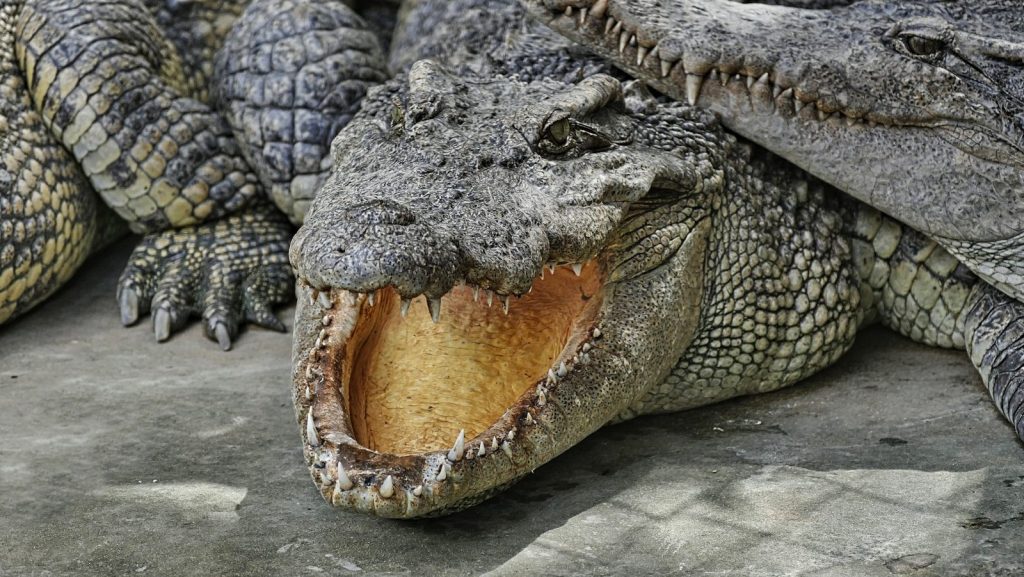
The crocodile received the scientific name Crocodylus lucivenator, which translates to “Lucy’s hunter.” The name reflects the possibility that this enormous predator posed one of the greatest dangers to early humans living near rivers and lakes.
Although there is no direct evidence that it hunted Lucy herself, researchers believe animals of her species would have regularly encountered the crocodile while searching for water and food.
A Massive Predator at the Top of the Food Chain
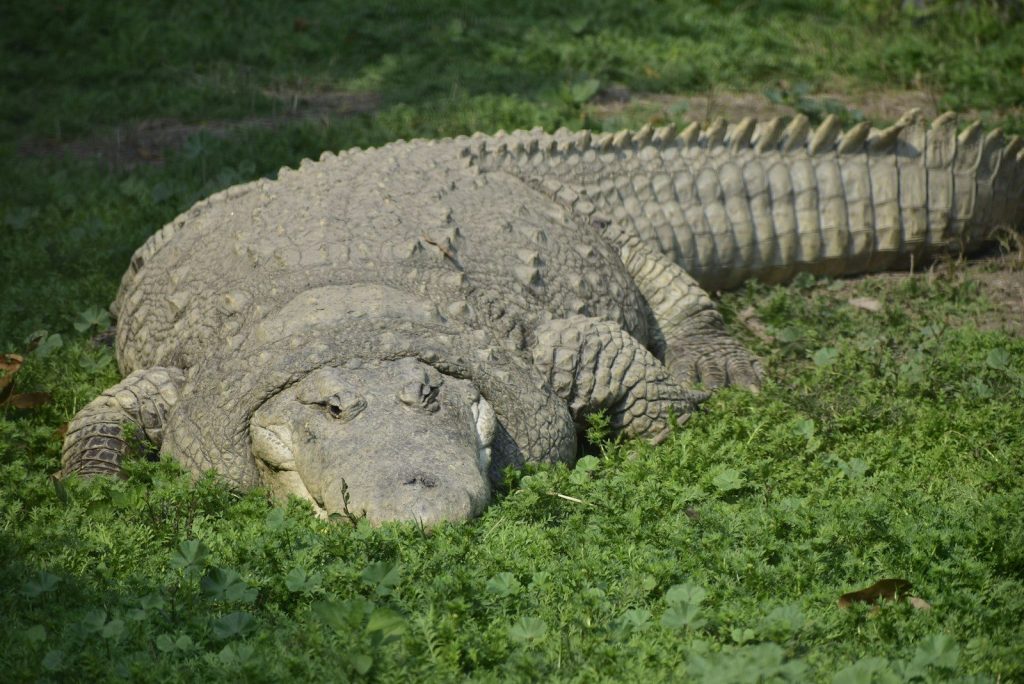
Scientists estimate the crocodile measured between 12 and 15 feet in length and weighed as much as 1,300 pounds. Its impressive size made it one of the most powerful predators in the region.
Researchers also identified a distinctive hump along the crocodile’s snout, helping distinguish it from other ancient crocodile species discovered across Africa.
Fossils Reveal a Lost Ancient Ecosystem
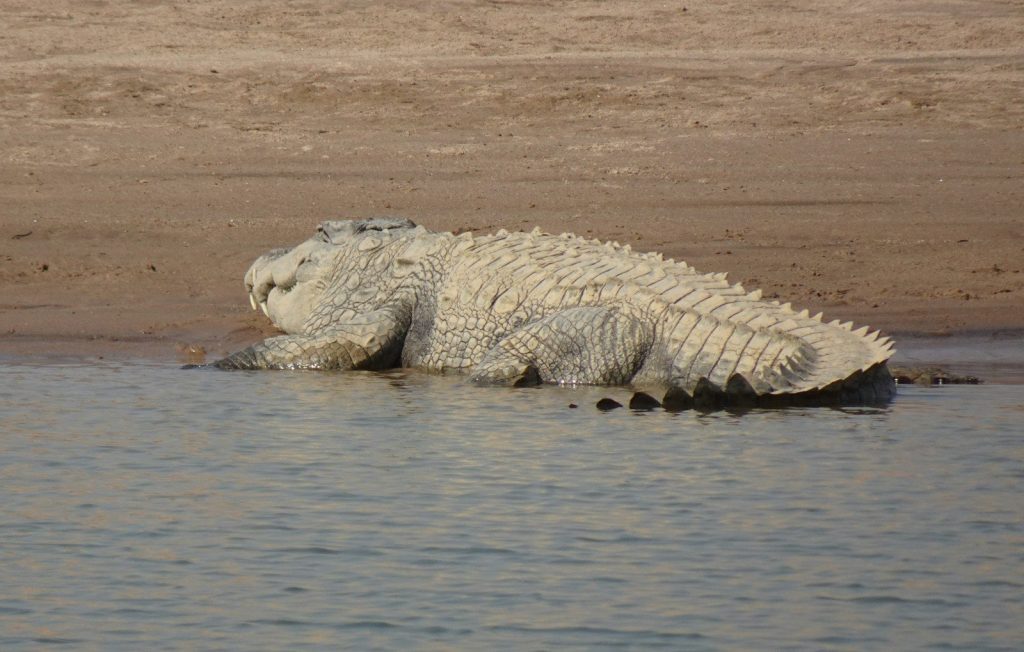
The discovery was made by examining more than 120 fossil remains, including skull fragments, teeth, and jawbones collected from the Hadar region. These fossils allowed scientists to reconstruct the crocodile’s appearance and evolutionary history.
The findings also paint a picture of an ancient landscape filled with rivers, wetlands, shrubs, and forests that supported a wide variety of animals alongside early human ancestors.
Early Humans Faced Constant Danger Near Water

Unlike modern humans, Lucy and her relatives had no tools or shelters capable of protecting them from large predators. Visiting rivers to drink or gather food would have exposed them to hidden crocodiles waiting beneath the water’s surface.
Ambush predators like Crocodylus lucivenator likely influenced where early humans traveled, how they gathered resources, and the precautions they took while living in the wild.