Many wild animals have irresistibly cute features that make them look friendly and approachable. Fluffy fur, expressive eyes, and playful behavior can tempt people to get closer, but appearances are often misleading when it comes to wildlife. Supported by wildlife experts, these animals rely on sharp claws, powerful bites, or natural defenses to protect themselves if they feel threatened.
Admiring wild creatures from a safe distance is always the best approach. Respecting their space not only protects people from injury but also helps prevent unnecessary stress for the animals themselves.
Binturongs May Look Cuddly but They Can Defend Themselves
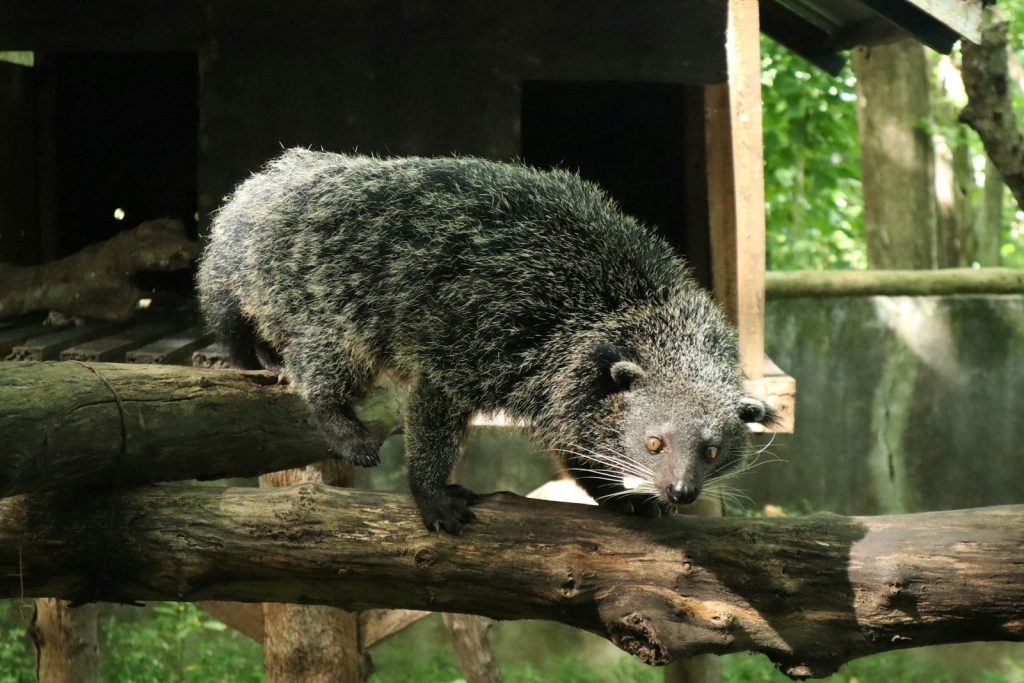
Often called bearcats, binturongs have thick fur and rounded faces that make them resemble oversized plush toys. Despite their gentle appearance, they possess strong jaws, sharp claws, and can become aggressive when frightened.
These tree dwelling mammals are wild animals that should never be approached for physical contact. Observing them from a distance is the safest way to appreciate their unusual appearance.
Raccoons Are Cute but Can Carry Serious Risks
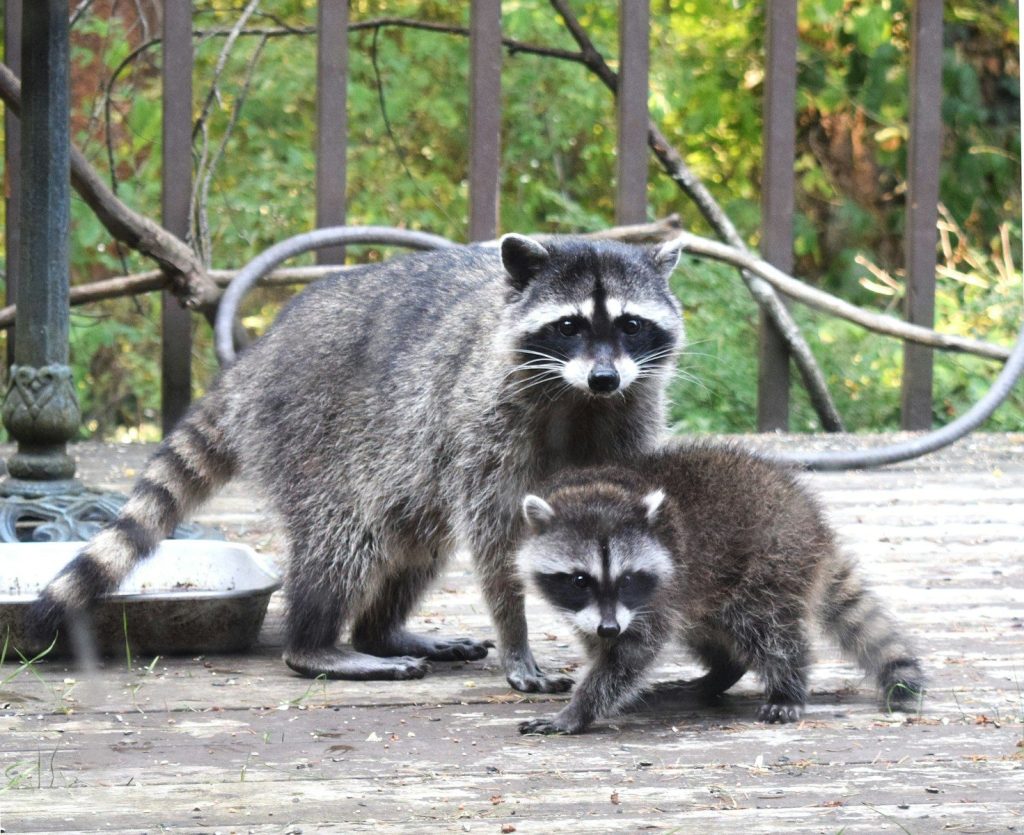
Raccoons frequently wander into neighborhoods, leading many people to believe they are comfortable around humans. However, they can bite or scratch when cornered and may carry diseases such as rabies.
Even young raccoons should never be handled without trained professionals. Keeping your distance protects both you and the animal from unnecessary harm.
Koalas Are Stronger Than They Appear
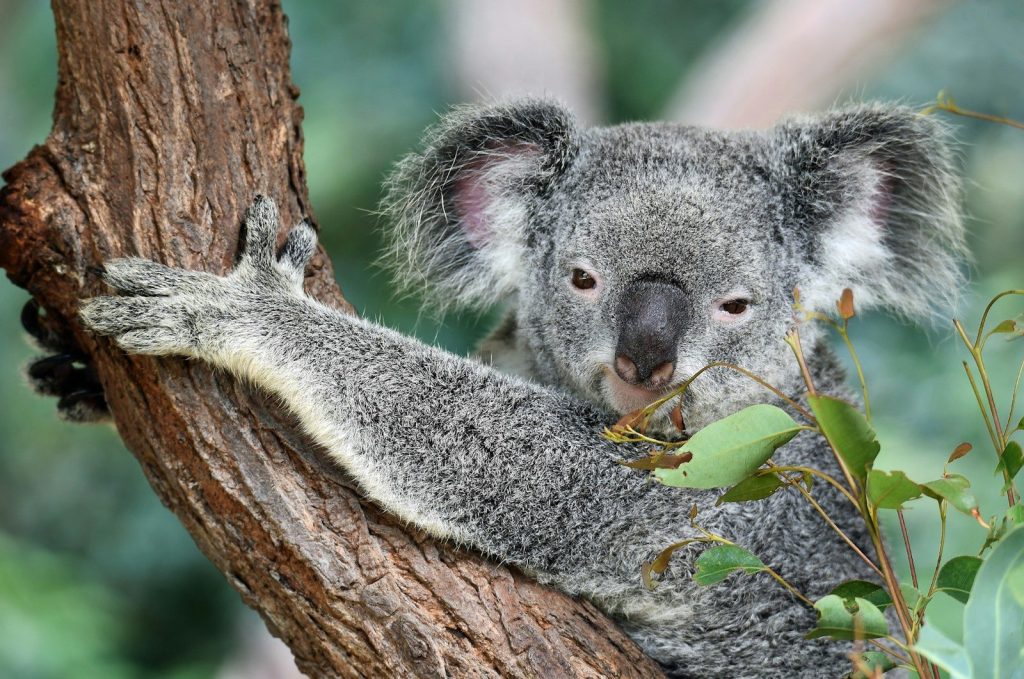
Koalas are famous for their sleepy expressions and fluffy ears, making them one of Australia’s most beloved animals. In reality, they have powerful claws and can become defensive if they feel stressed or threatened.
Wild koalas are not accustomed to being touched by strangers. Giving them plenty of space allows them to remain calm in their natural habitat.
Sugar Gliders Can Bite When Frightened
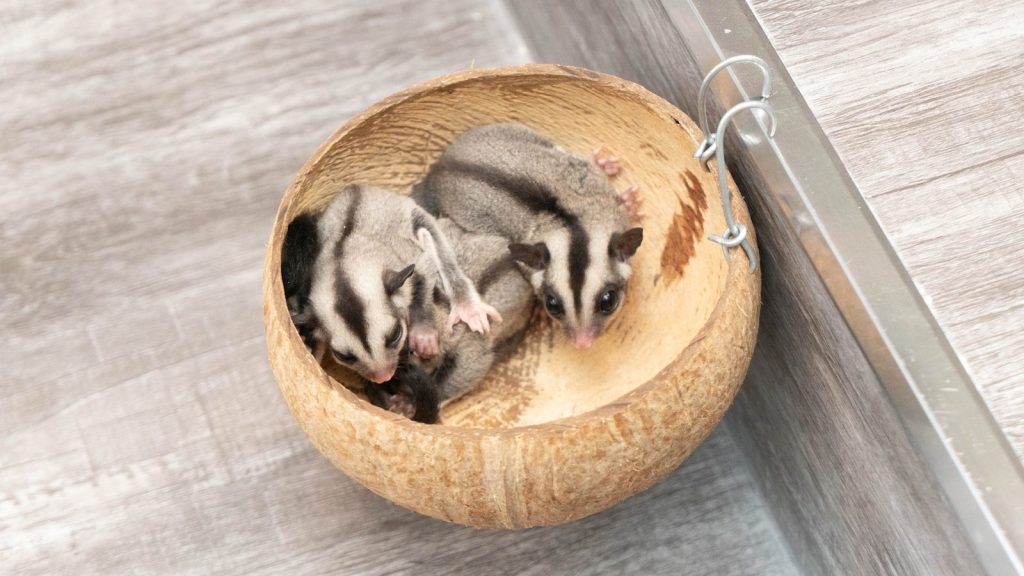
Sugar gliders are tiny mammals known for their ability to glide between trees. Although some are kept as pets, wild individuals rely on biting and defensive behavior to protect themselves.
Their small size should not be mistaken for harmlessness. Stressing a wild sugar glider can quickly trigger defensive reactions.
Red Pandas and Arctic Foxes Belong in the Wild
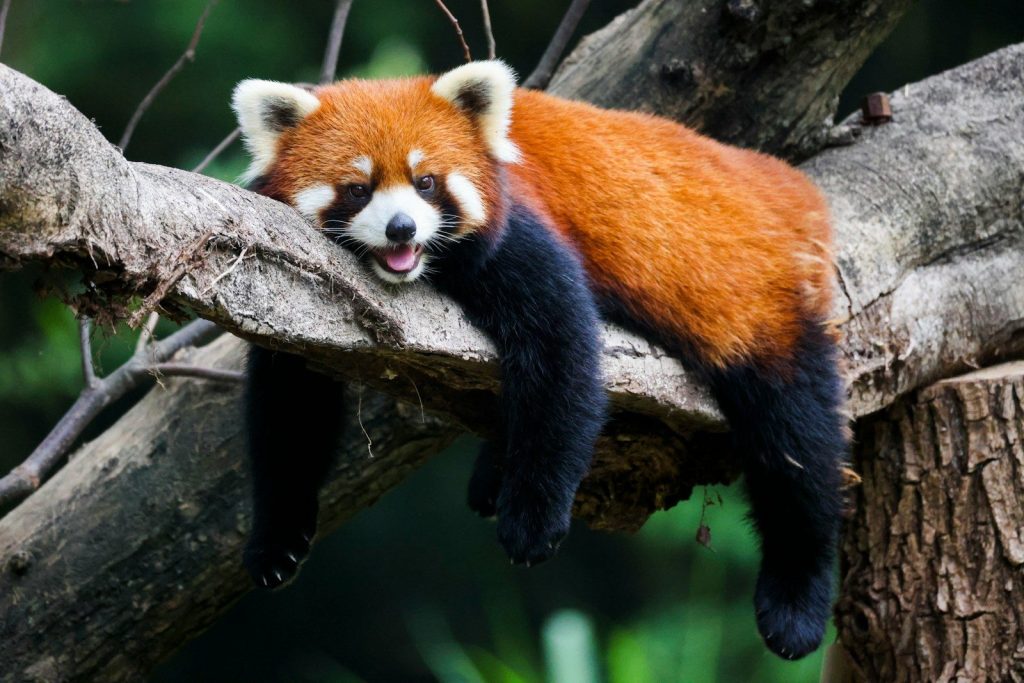
Red pandas have become internet favorites because of their adorable faces and fluffy tails. Even so, they possess sharp teeth and claws that they will readily use if they feel threatened.
Arctic foxes may also appear gentle with their thick white coats, but they are skilled predators adapted to survive in harsh environments. Both species are best appreciated without attempting physical contact.
Hedgehogs, Wombats, and Fennec Foxes Require Respect
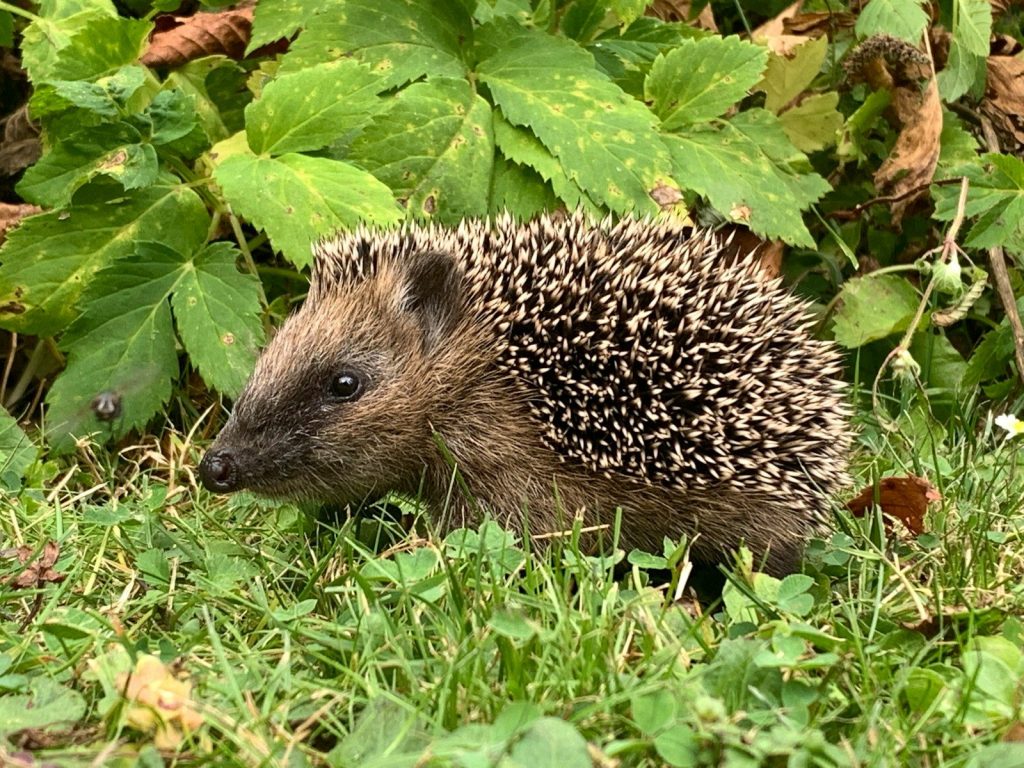
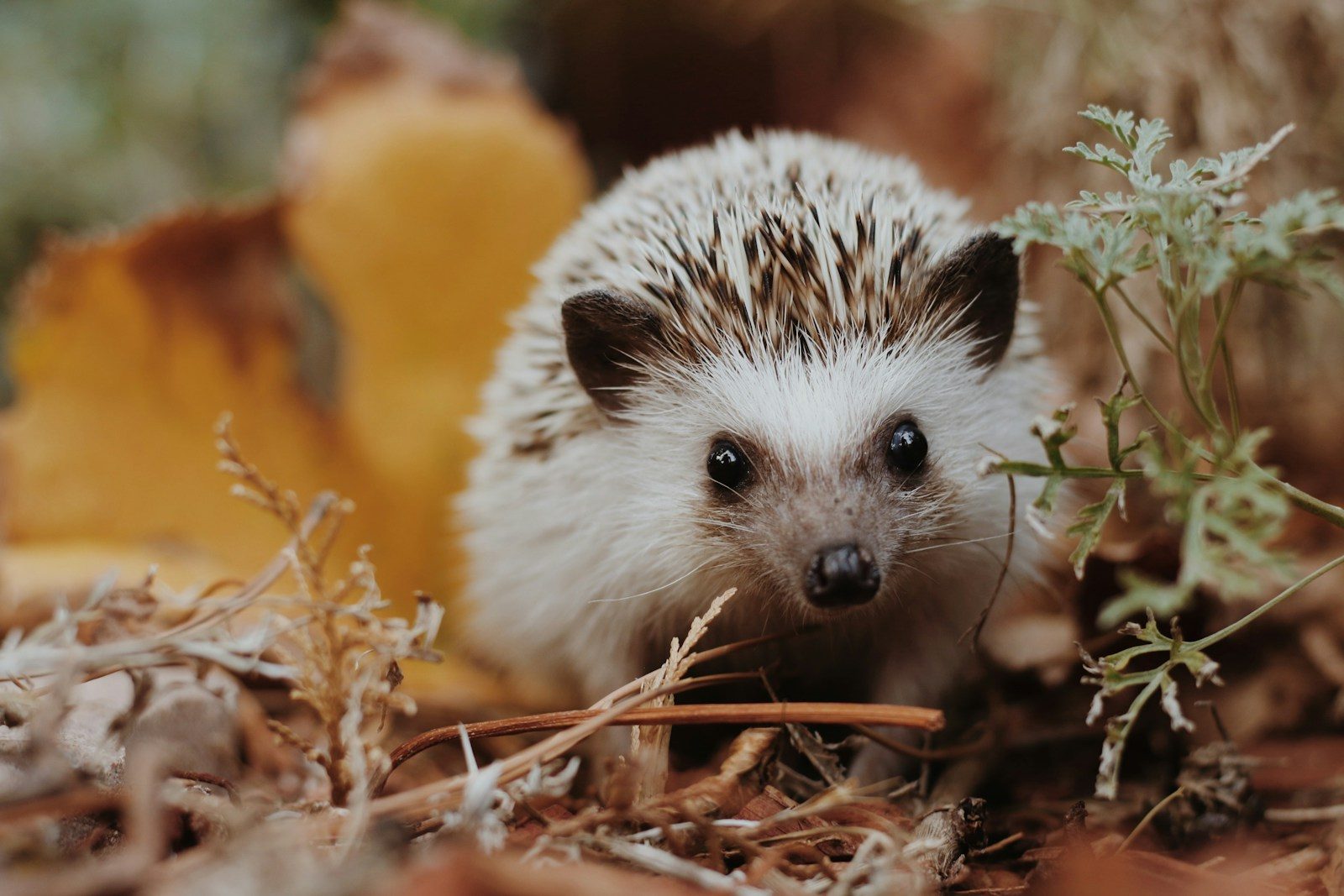
Hedgehogs protect themselves with sharp spines, while wombats are surprisingly strong animals capable of defending their territory. Fennec foxes may have oversized ears and playful expressions, but they remain wild animals with sharp teeth and natural defensive instincts.
No matter how adorable these creatures appear, trying to pet them can put both people and wildlife at risk. Respecting natural boundaries ensures these remarkable animals remain healthy and undisturbed in their environments.