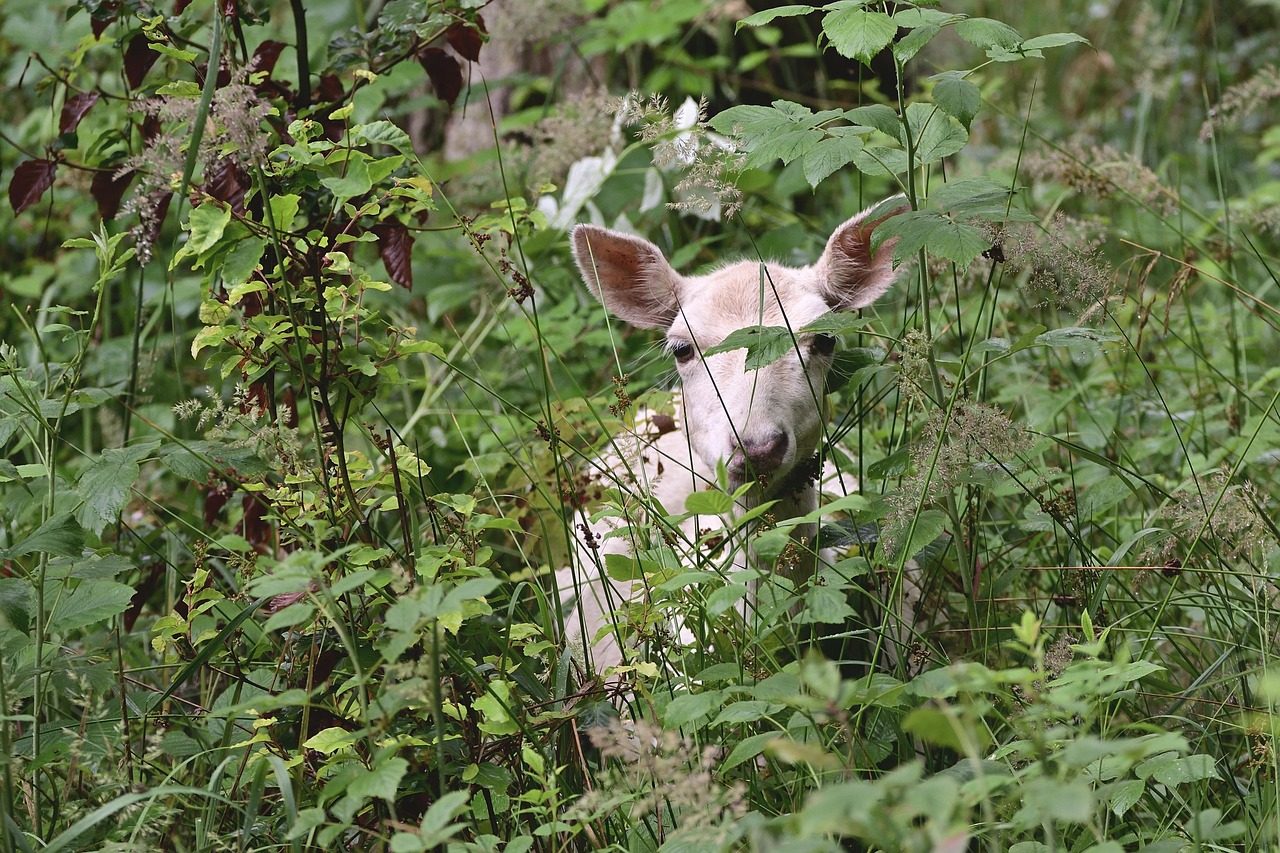
A routine patrol in Hillsborough, North Carolina, turned into an unforgettable wildlife moment when a police officer spotted a rare albino white-tailed fawn calmly grazing by the roadside. The unusual sight was captured on video and shared online, quickly attracting attention from wildlife enthusiasts.
While white deer are occasionally seen around Hillsborough, true albino fawns remain exceptionally rare. Experts say these striking animals face unique survival challenges despite their captivating appearance.
Police Officer Captures Rare Wildlife Encounter
The Hillsborough Police Department shared footage of the tiny albino fawn peacefully eating grass during a routine patrol. The department humorously captioned the video, “Just some Hillsborough wildlife,” reflecting how residents have become familiar with occasional sightings of unusual white deer.
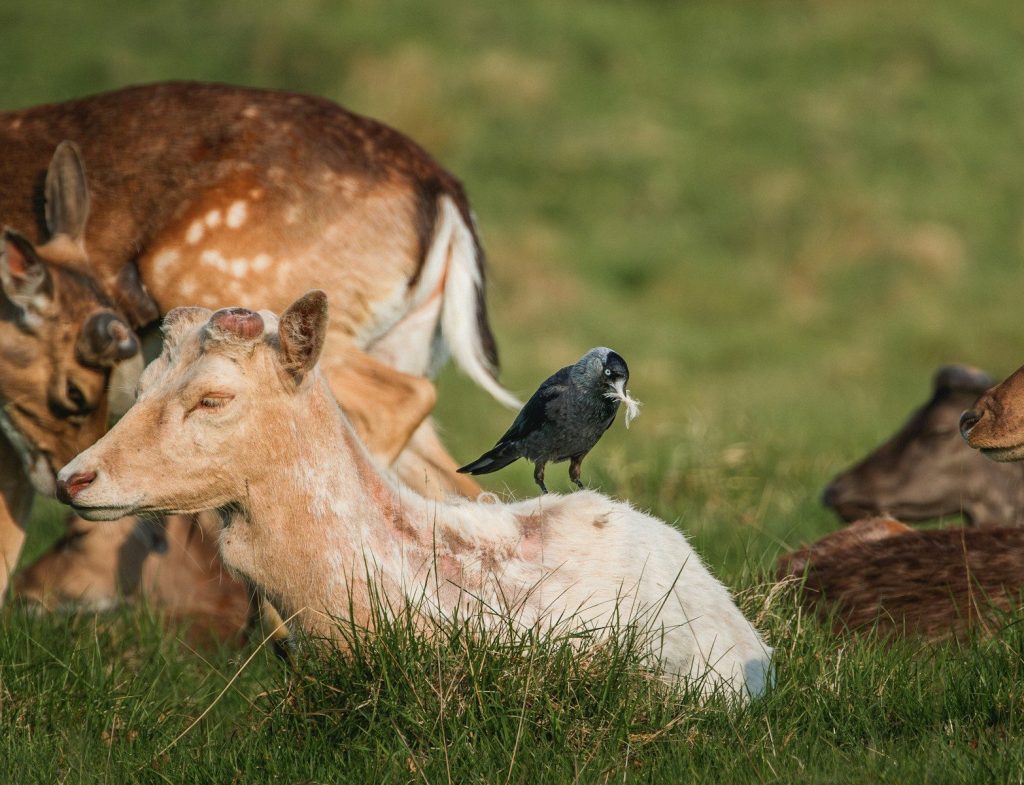
The young deer appeared relaxed as it grazed, while another adult deer and a spotted brown fawn could also be seen nearby. The peaceful family scene made the rare encounter even more remarkable.
Why Albino Deer Are So Uncommon
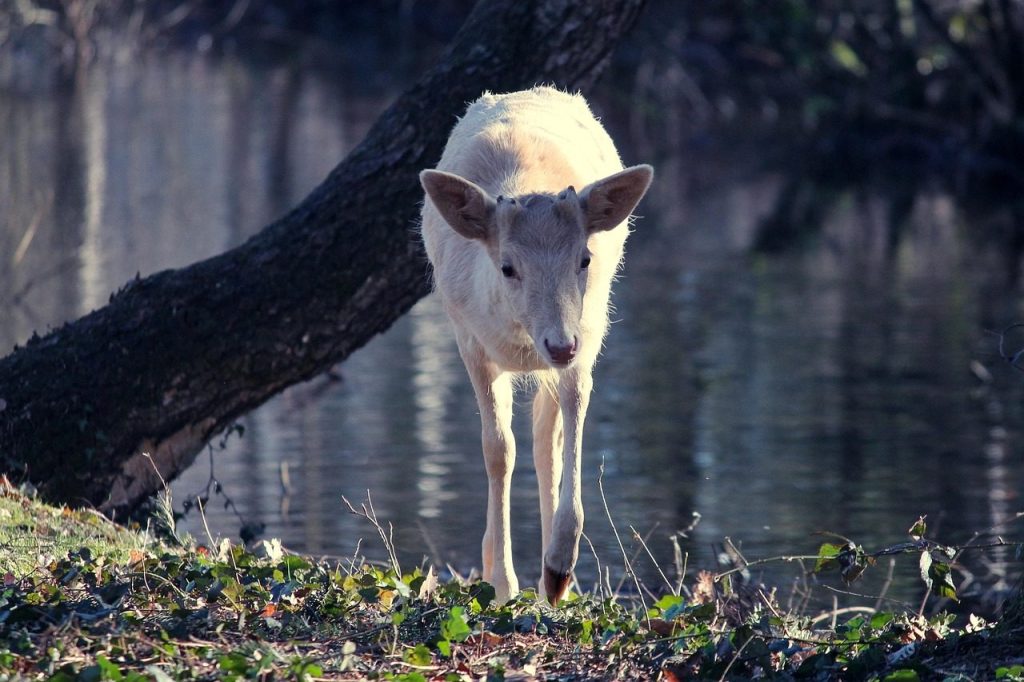
According to experts at the North Carolina Zoo and Botanical Gardens, only about one in 30,000 white-tailed fawns is born with true albinism. The condition occurs when a fawn inherits a rare recessive gene from both parents.
Unlike normally colored deer, albino individuals lack the pigment that gives their coats, skin, and eyes their natural coloration. Their pink noses, pale ears, and light-sensitive eyes are all characteristic features of albinism.
Survival Can Be More Difficult
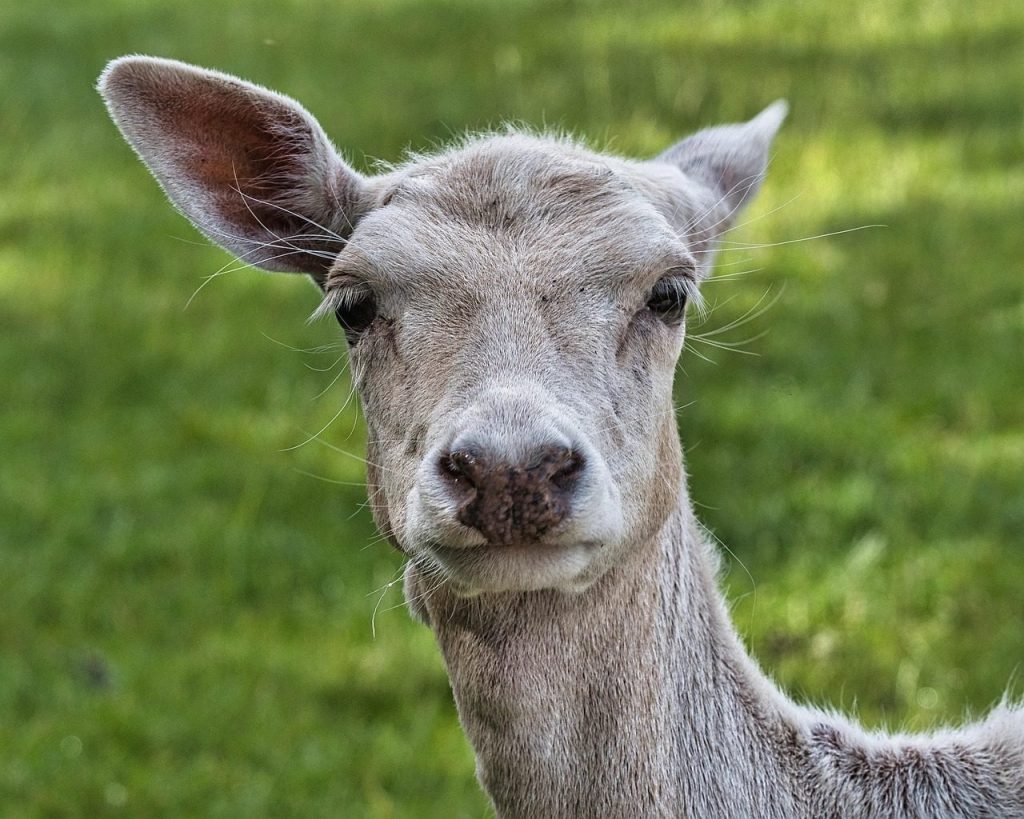
Although albino deer are visually stunning, their unusual appearance comes with significant disadvantages in the wild. Their bright white coats make them highly visible to predators and hunters, reducing the natural camouflage that most fawns rely on.
The absence of protective eye pigment can also make albino deer more sensitive to sunlight and less effective at detecting movement, making it harder for them to avoid danger during their early months of life.
Albino vs. Piebald Deer
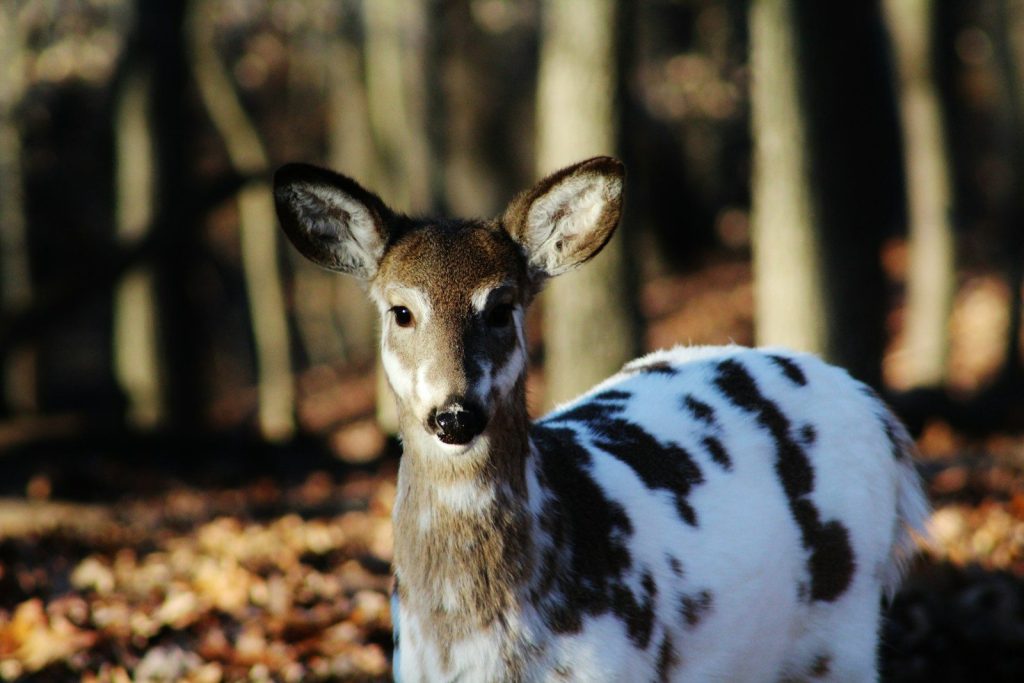
Wildlife experts note that many white-looking deer are actually piebald rather than albino. Piebald deer have patches of white and brown fur caused by a different genetic condition known as leucism.
Piebald deer are still uncommon, occurring in roughly one out of every 1,000 white-tailed deer, but they are considerably more common than true albino animals. Unlike albinos, piebald deer usually have normally colored eyes and noses.
Why Hillsborough Sees White Deer More Often
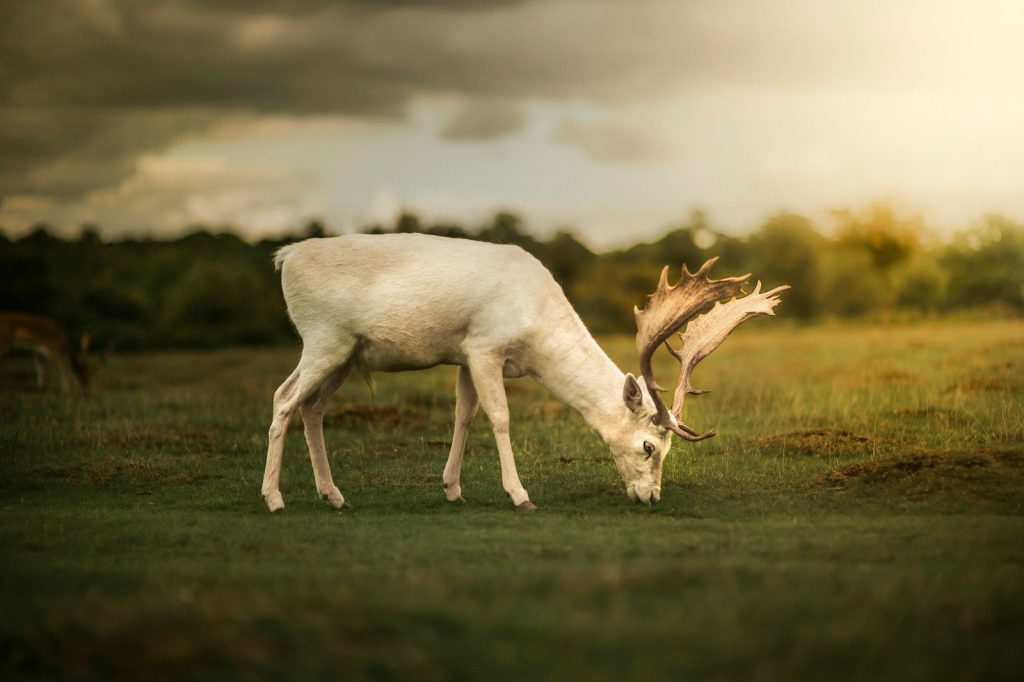
Residents of Hillsborough frequently share photos of white deer in local community groups, leading many to wonder whether the town has an unusually large population of them. Researchers say there is no definitive evidence proving that the area has more albino deer than elsewhere.
However, expanding urban development may be reducing the movement of deer between populations. Smaller, more isolated groups can increase the chances of relatives breeding, allowing rare genetic traits such as albinism to appear more frequently.
A Memorable Reminder of Nature’s Rarity

The sighting serves as a reminder that remarkable wildlife can sometimes appear in the most ordinary moments, even during a routine police patrol. Encounters like this also highlight the incredible genetic diversity found within wild animal populations.
For many residents, spotting an albino fawn is a once-in-a-lifetime experience. While its future in the wild may be more challenging than that of other deer, the young fawn has already become a memorable symbol of the rare and beautiful surprises nature can offer.