The natural world is filled with animals capable of producing astonishingly loud sounds. While motorcycles and vehicle horns are already noisy, several species generate calls, clicks, and roars that exceed those familiar sounds by a wide margin.
These powerful noises serve important purposes such as attracting mates, defending territory, communicating across long distances, or hunting prey. From tiny marine creatures to enormous mammals, these animals prove that size is not always an indicator of volume.
Sperm Whales Produce the Loudest Animal Sounds
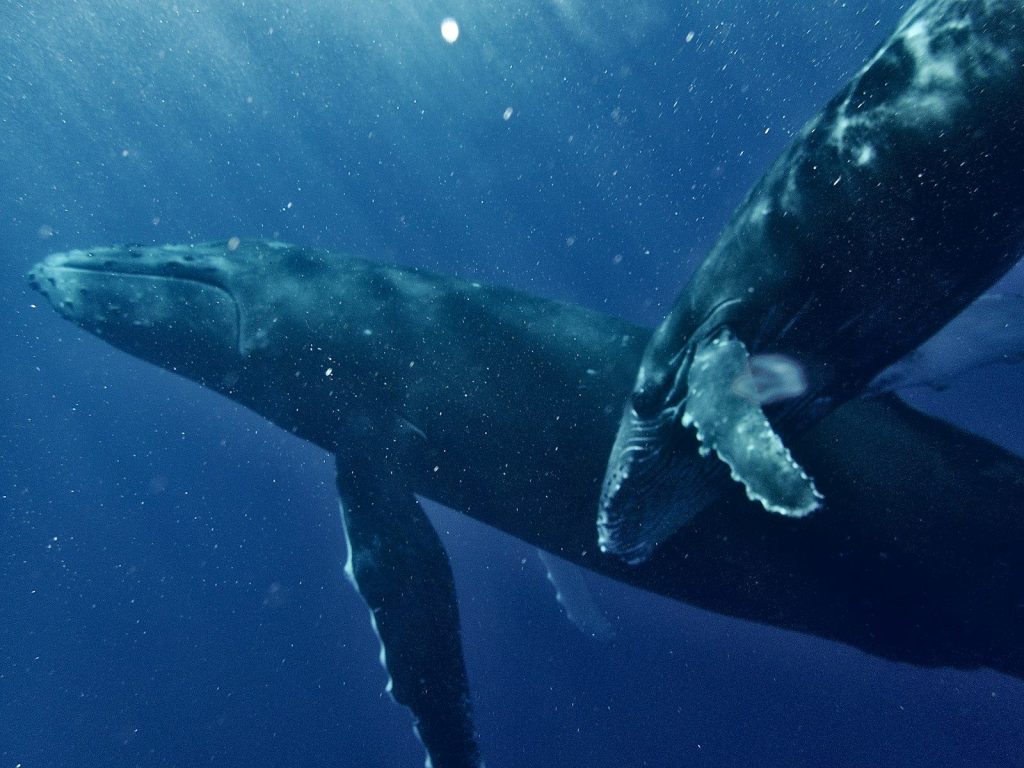
Sperm whales are considered the loudest animals on Earth, producing clicks that can exceed 230 decibels underwater. They use these powerful sounds for echolocation and communication while hunting in the deep ocean.
Although these clicks are incredibly intense, they occur underwater and at frequencies that differ from everyday sounds heard on land. Their remarkable vocalizations allow them to locate prey such as giant squid in complete darkness.
Pistol Shrimp Packs an Incredible Punch
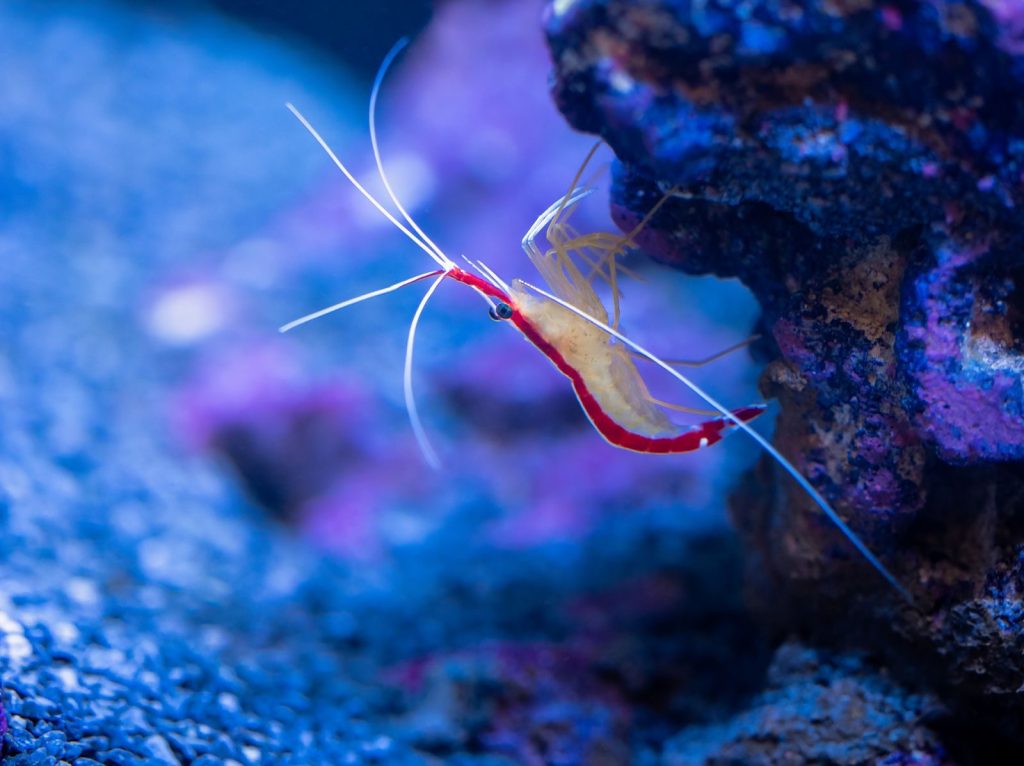
Despite measuring only a few inches long, the pistol shrimp creates a snap that can exceed 200 decibels. It generates this explosive sound by rapidly closing its oversized claw, creating a collapsing bubble that produces a powerful shockwave.
The blast is strong enough to stun or kill small prey before the shrimp captures it. This makes the tiny crustacean one of the loudest and most surprising creatures in the animal kingdom.
Blue Whales Fill the Oceans With Powerful Calls
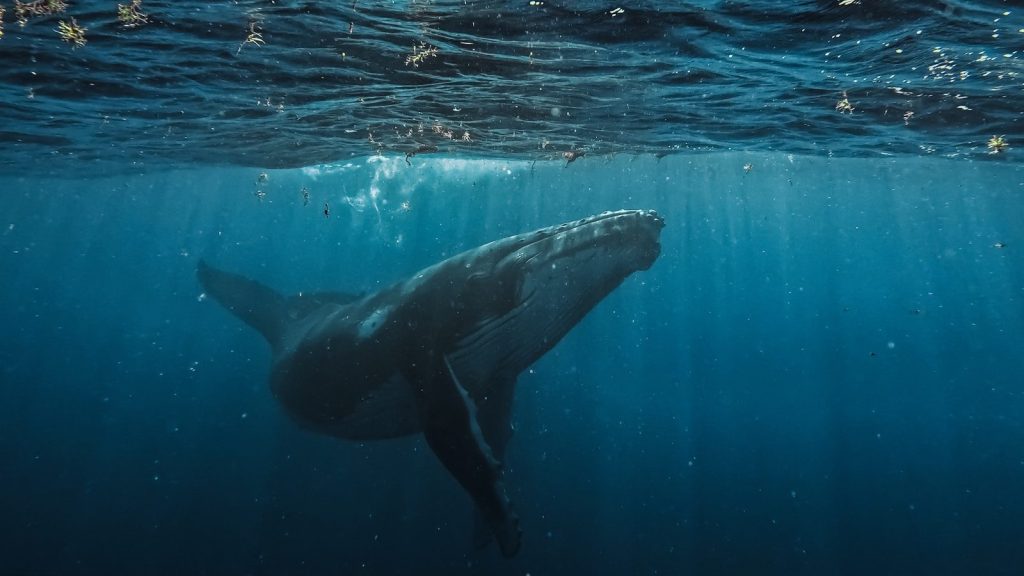
Blue whales use deep, low frequency calls that can reach around 188 decibels. These vocalizations travel hundreds of miles through the ocean, allowing individuals to communicate across vast distances.
As the largest animals ever known to exist, blue whales rely on these booming calls to locate mates and maintain contact during migration. Their songs are among the most impressive sounds produced by any living creature.
Howler Monkeys Dominate the Rainforest
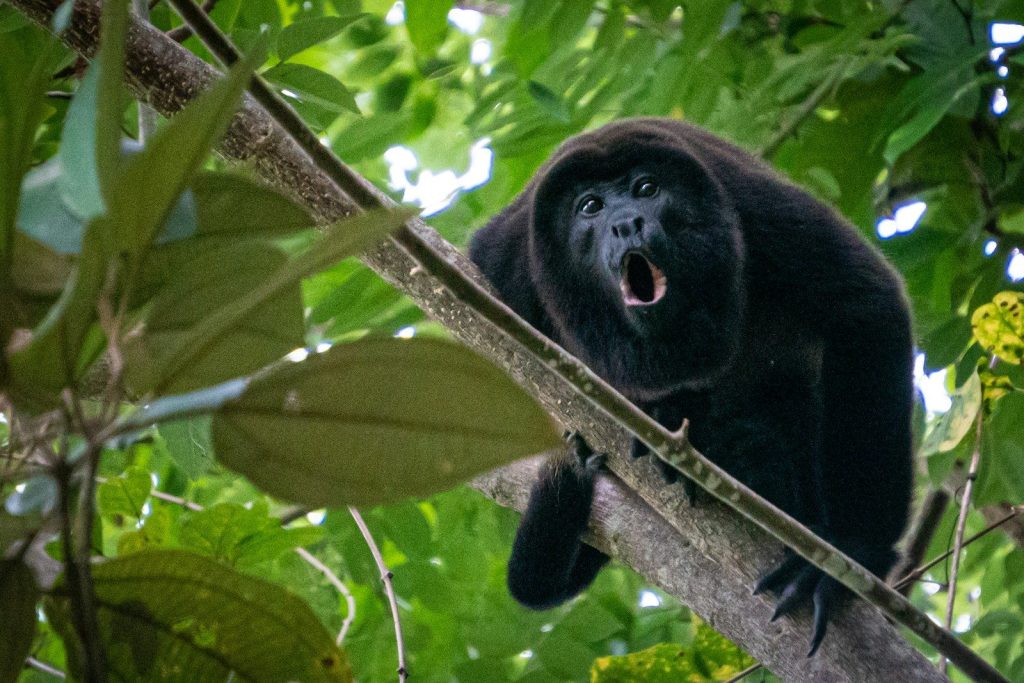
Howler monkeys are famous for producing some of the loudest calls of any land mammal. Their booming howls can be heard for several miles through dense forests, helping neighboring groups avoid territorial conflicts.
An enlarged throat structure allows these primates to amplify their voices far beyond what their size might suggest. Their early morning chorus is one of the defining sounds of tropical rainforests.
Lions and Hippos Make Surprisingly Powerful Calls
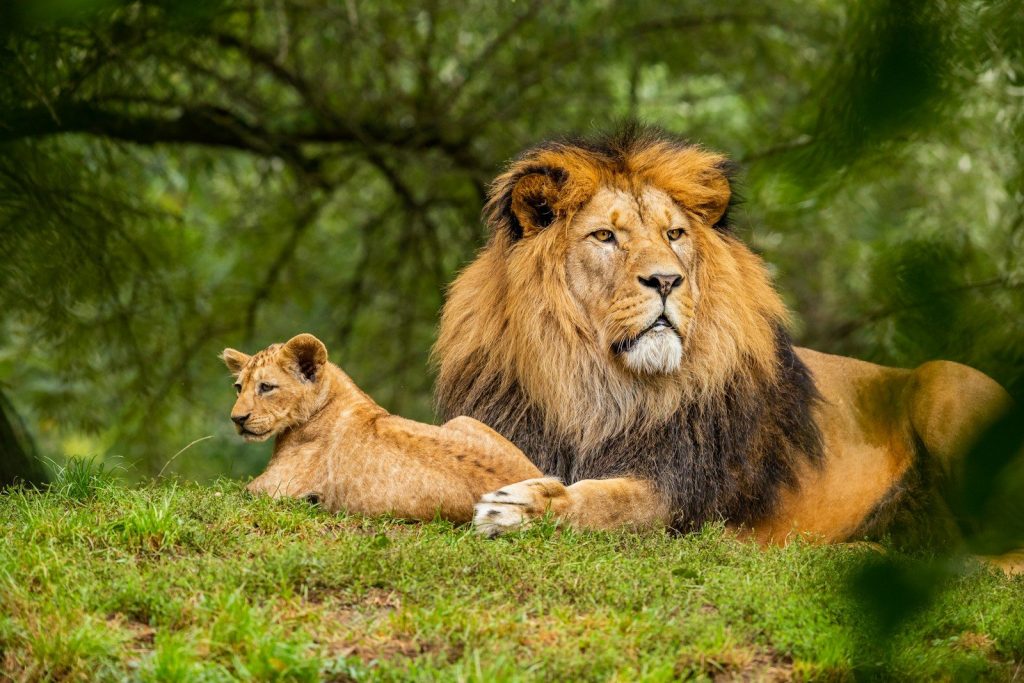
A lion’s roar can reach about 114 decibels and carry for several miles across open landscapes. These thunderous roars help establish territory and keep pride members connected over long distances.
Hippos are equally impressive, producing deep bellows and wheeze honks that can exceed the volume of many everyday machines. Their loud calls play an important role in communication within rivers and wetlands.
Tiny Birds and Insects Can Be Amazingly Loud
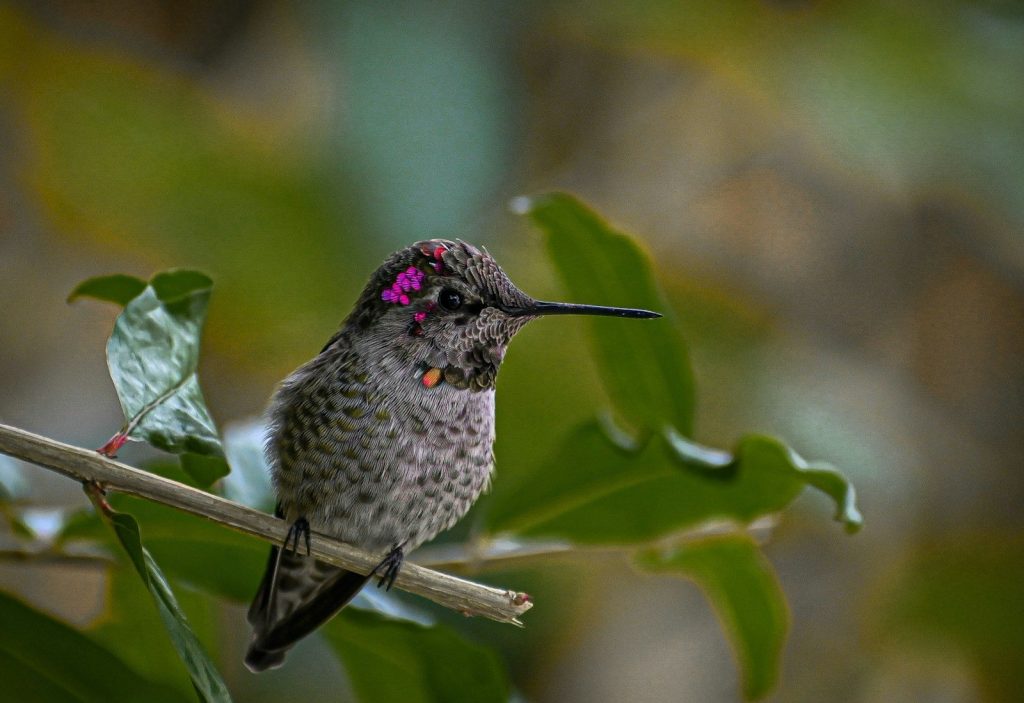
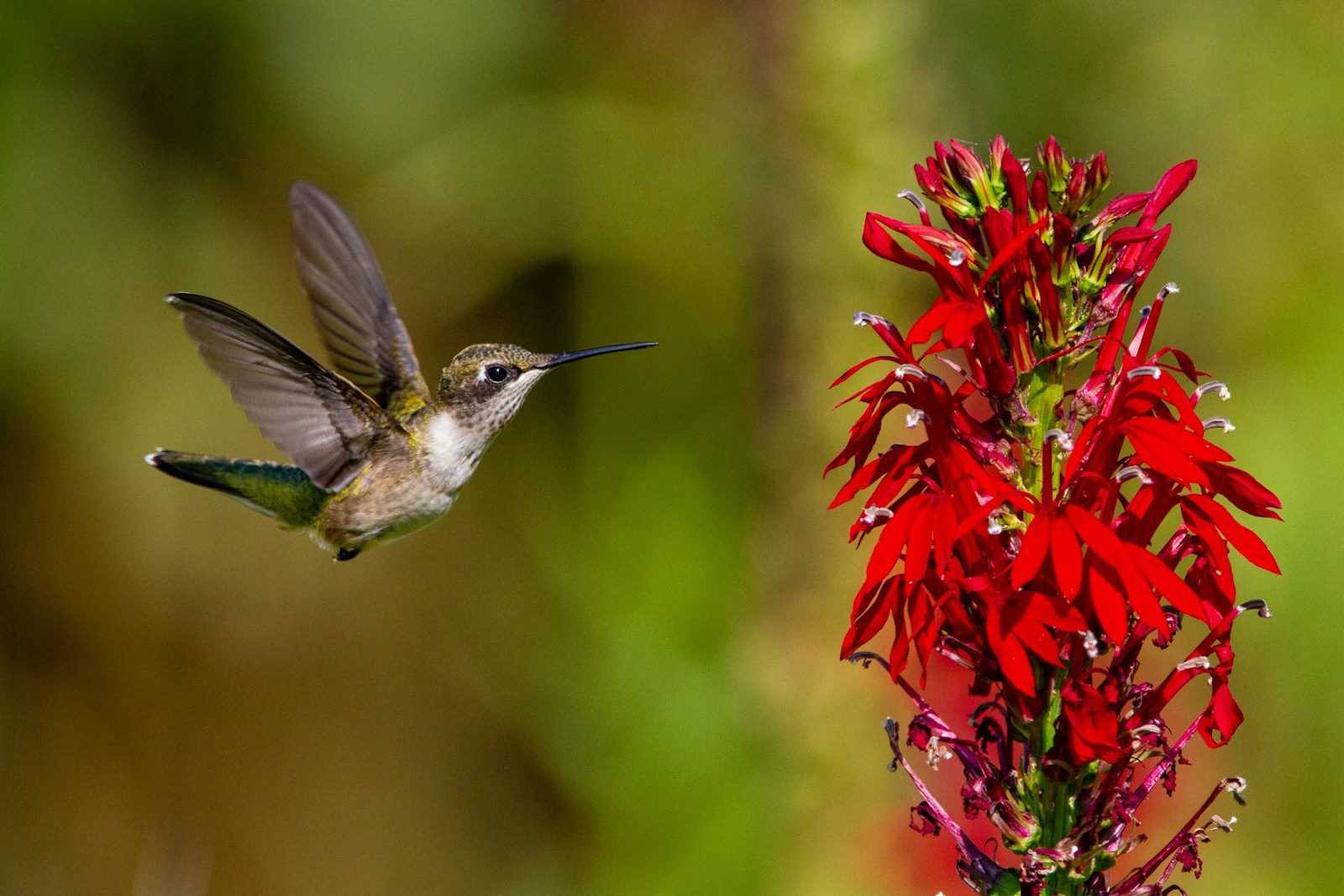
Not all loud animals are large, as white bellbirds and screaming pihas produce ear splitting calls to attract mates. Certain cicada species also generate buzzing sounds that rival heavy machinery during the breeding season.
These examples show that evolution has equipped animals of every size with remarkable ways to communicate. Whether in forests, oceans, or wetlands, nature is home to sounds that easily surpass the roar of a motorcycle or the blast of a car horn.