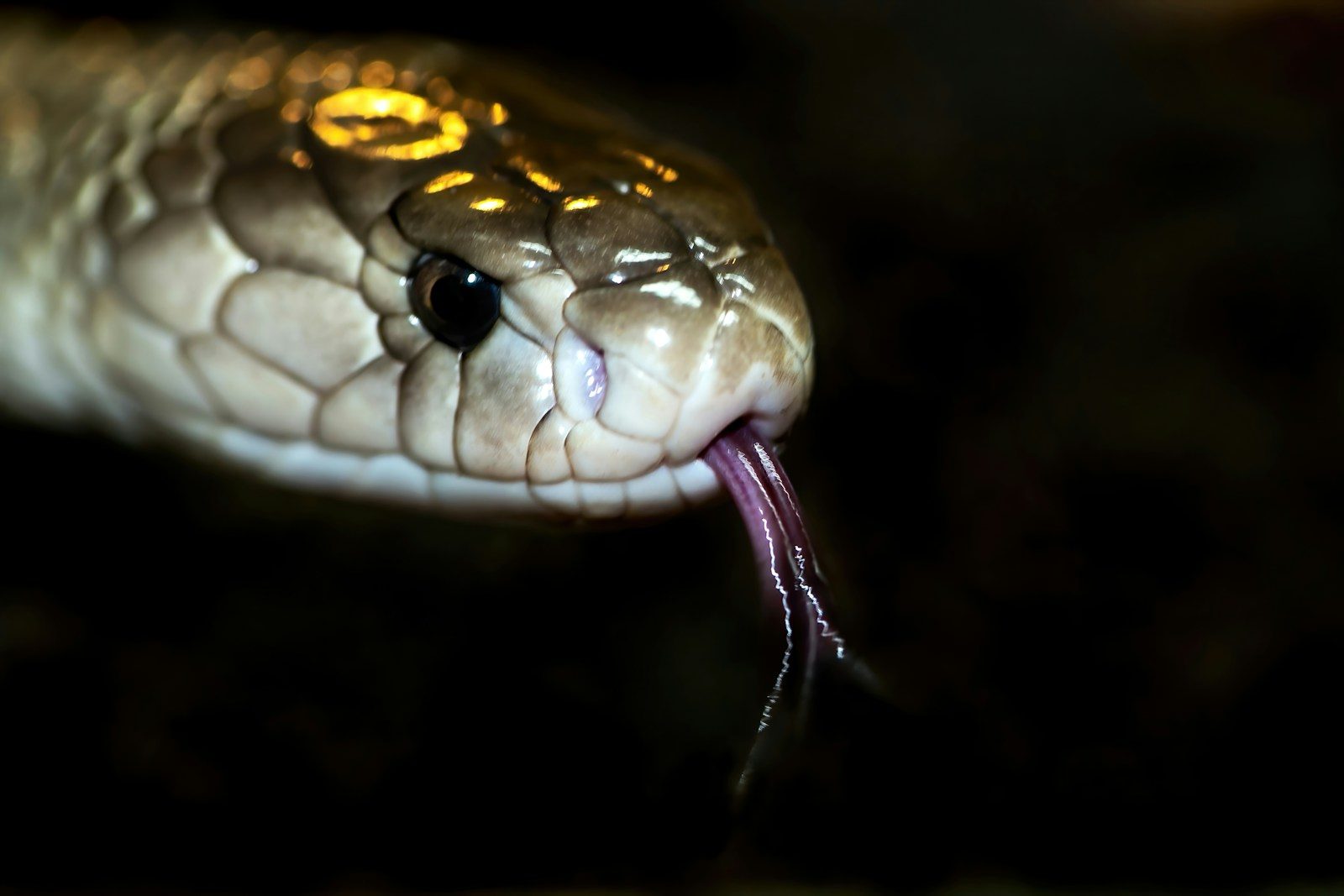
A massive king cobra turned a quiet household into the center of an intense wildlife rescue after disappearing beneath a bedroom floor and refusing to come out for nearly two days.
The dramatic operation ended with the snake safely relocated back into protected habitat.
An Unexpected Visitor
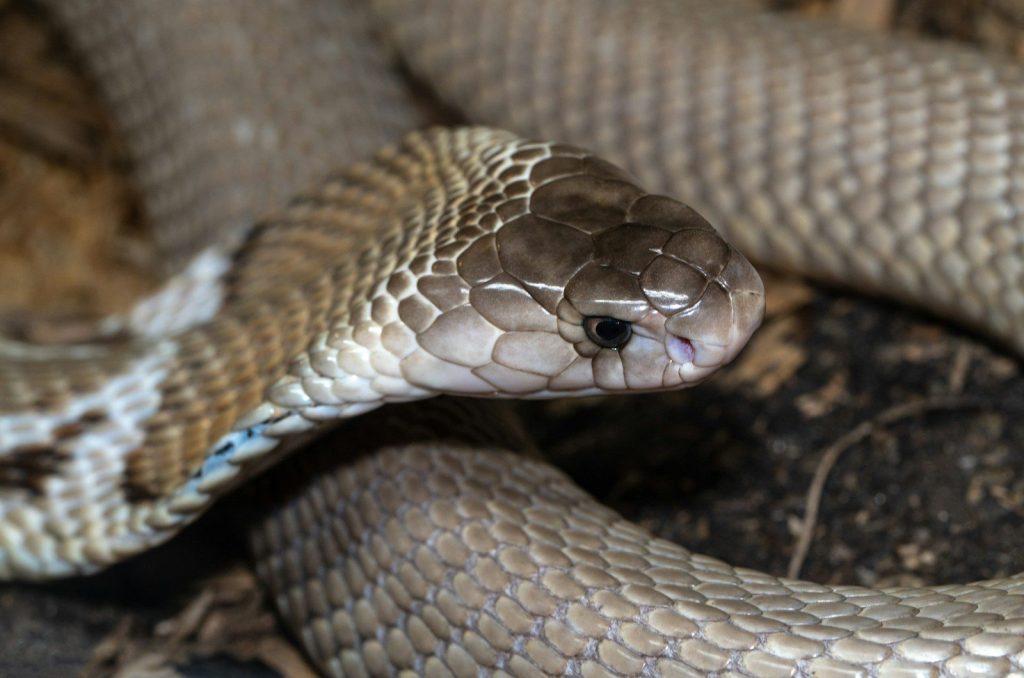
Residents were alarmed when they discovered a king cobra had entered a tunnel beneath their home.
The venomous snake vanished underground, making it impossible to safely remove through conventional means.
Rescue Efforts Begin
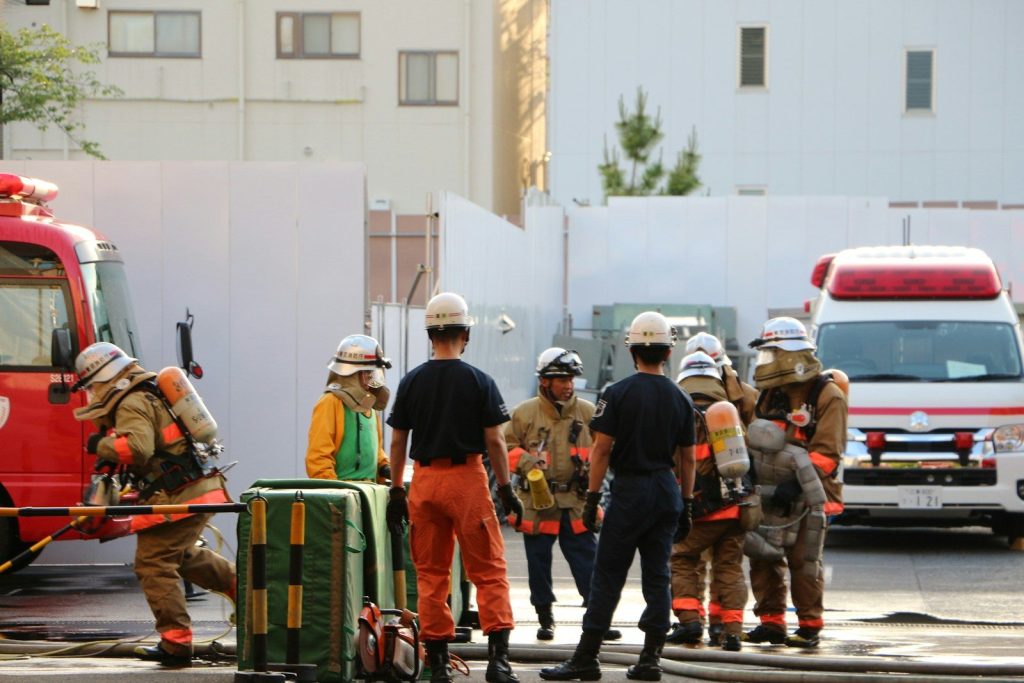
Wildlife rescuers responded quickly and attempted several non-harmful methods to encourage the cobra to leave its hiding place.
Despite hours of effort, the snake remained deep inside the tunnel system.
A Waiting Game
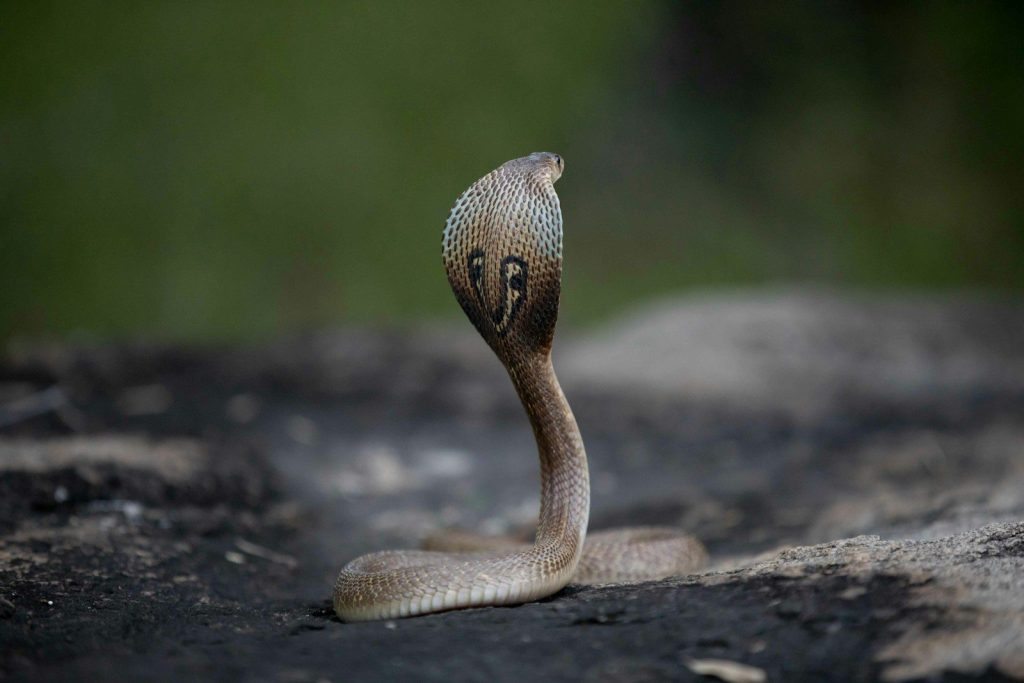
When initial attempts failed, rescuers secured the area and left a single exit available for the snake.
The strategy relied on patience, giving the cobra an opportunity to emerge on its own.
The Cobra Reappears
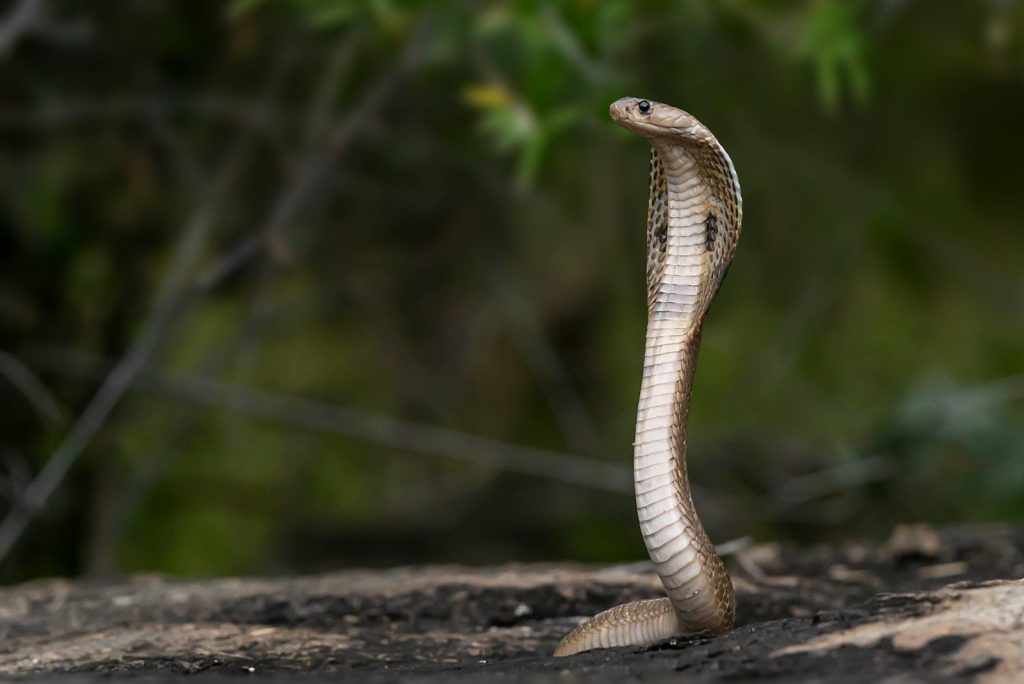
The following day, residents spotted the snake near a nearby field.
Rescuers returned immediately after receiving reports that the cobra had finally surfaced.
Challenging Conditions
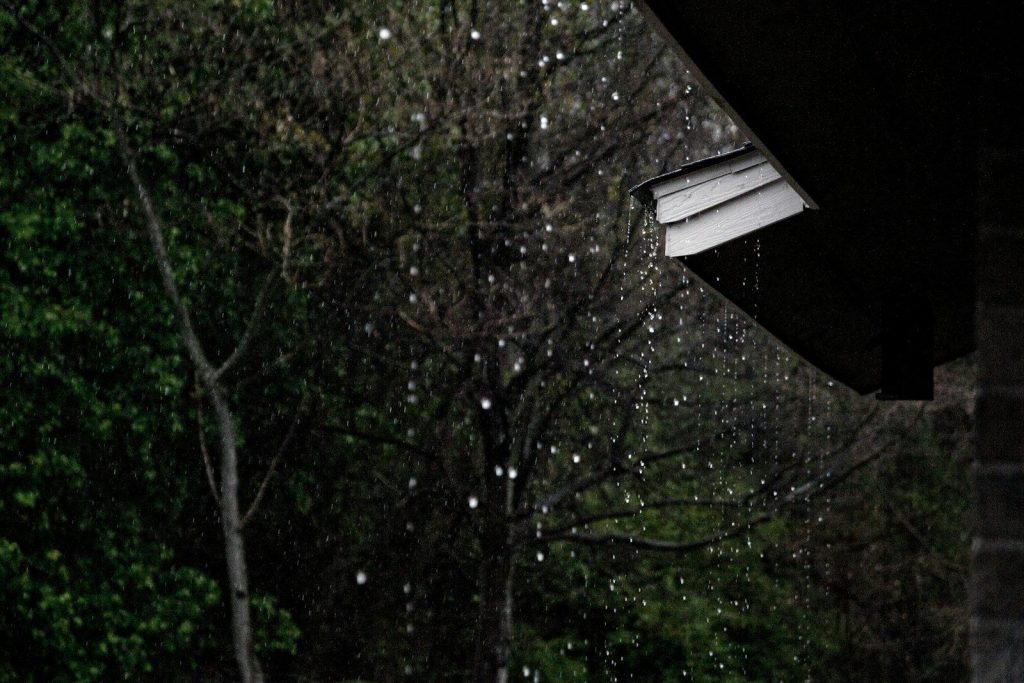
Heavy rain and muddy terrain made the rescue operation particularly difficult.
Working alongside local residents, rescuers spent several hours carefully capturing the large snake without causing injury.
Balancing Safety and Conservation
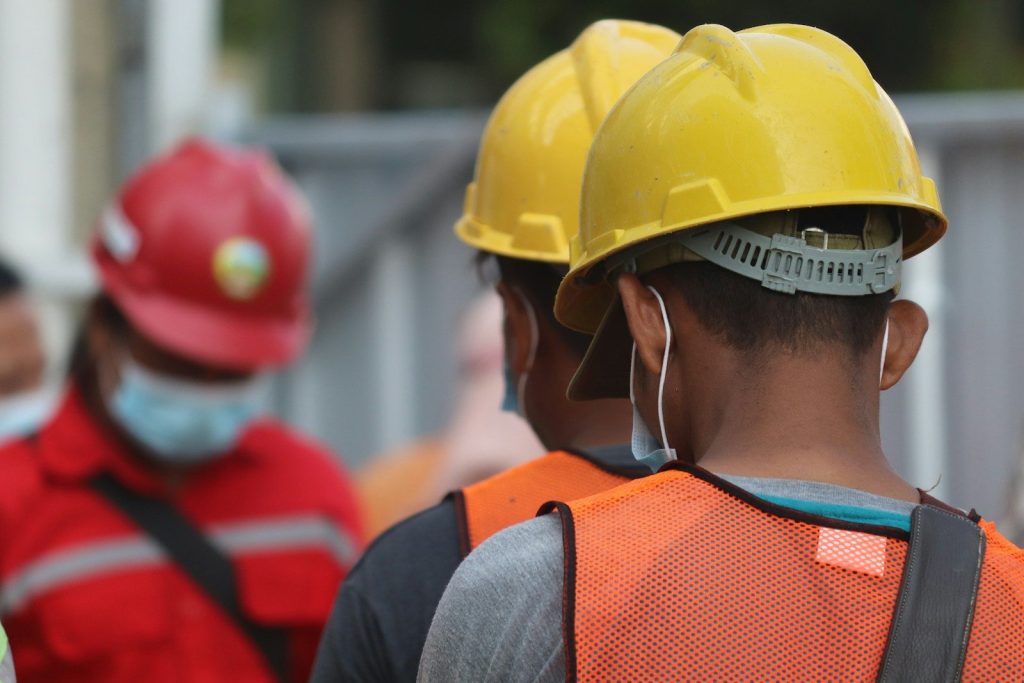
King cobras are protected wildlife and play an important role in their ecosystems.
Rescuers had to ensure public safety while also protecting the animal from harm.
Why Encounters Are Increasing

As human settlements expand and natural habitats shrink, wildlife is increasingly forced into closer contact with people.
Snakes and other animals often seek shelter in unexpected locations, leading to more encounters near homes.
A Successful Outcome
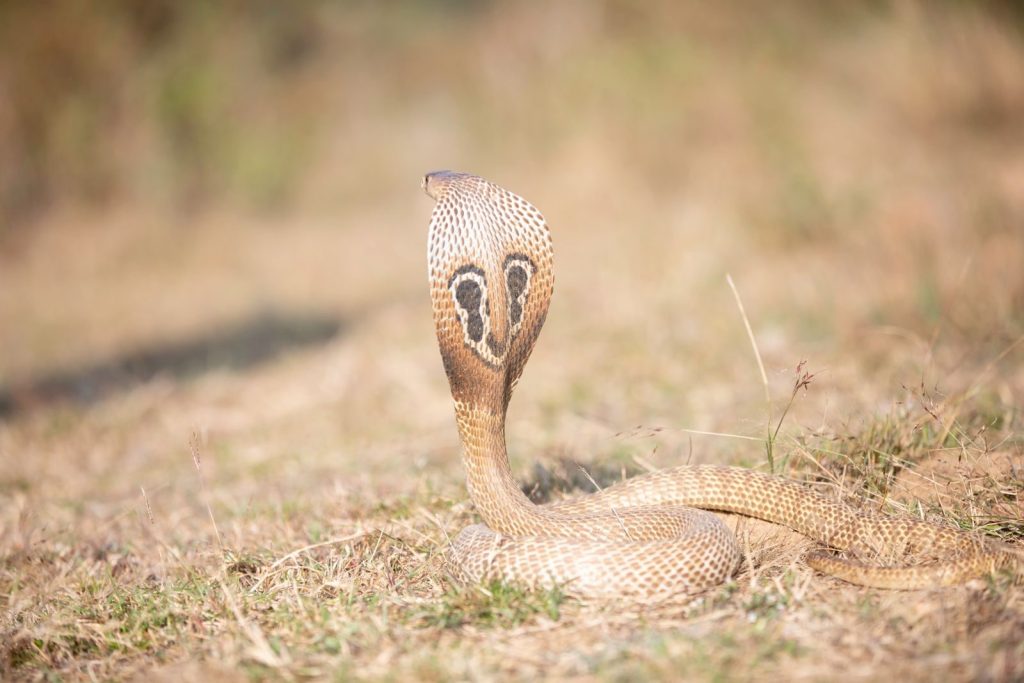
After the rescue was completed, the king cobra was relocated to a suitable protected habitat where it could continue living away from human settlements.
The operation prevented potential danger while preserving an important species.