Birds bring color, movement, and natural beauty to outdoor spaces, making them welcome visitors in many gardens. However, not every bird is beneficial to have around, as some species can damage plants, intimidate smaller birds, or create ongoing disturbances for homeowners.
While birdwatching remains a popular hobby, understanding which species can become problematic is equally important. Certain birds are known for aggressive behavior, destructive feeding habits, and territorial tendencies that can disrupt the balance of a backyard ecosystem.
Scrub Jays Often Dominate Backyard Feeders
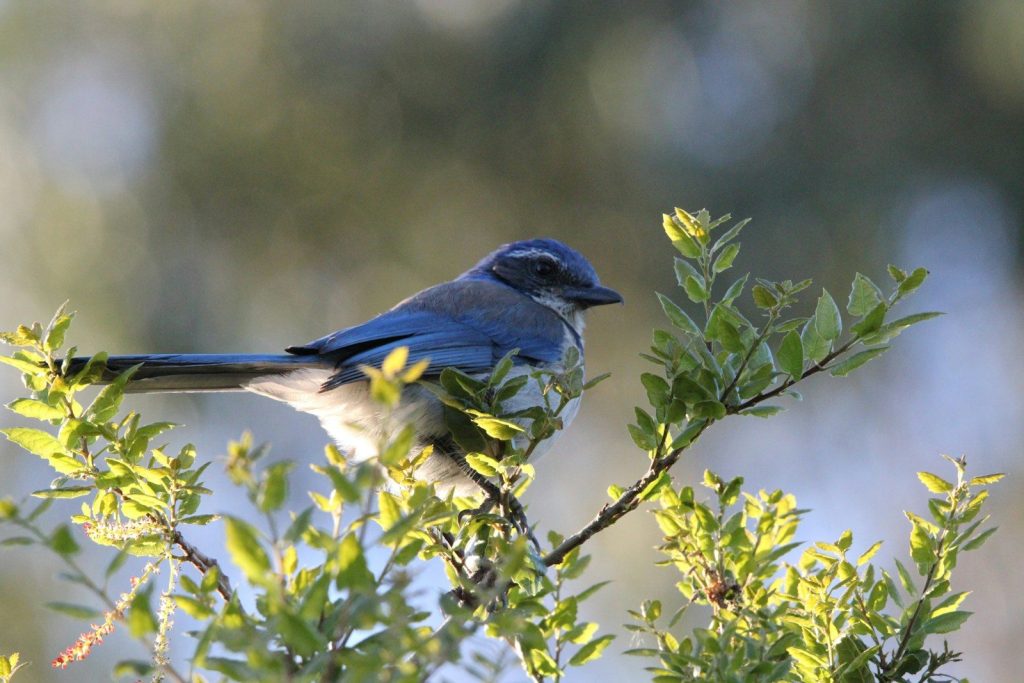
Scrub jays are attractive birds with striking blue plumage, but they can quickly become backyard bullies. Their aggressive nature often drives smaller birds away from feeding stations and nesting areas.
These birds are also known for burying acorns and storing food throughout gardens. Their digging habits can leave behind damaged plants and small holes scattered across the yard.
Sharp Shinned Hawks Can Turn Feeders Into Hunting Grounds
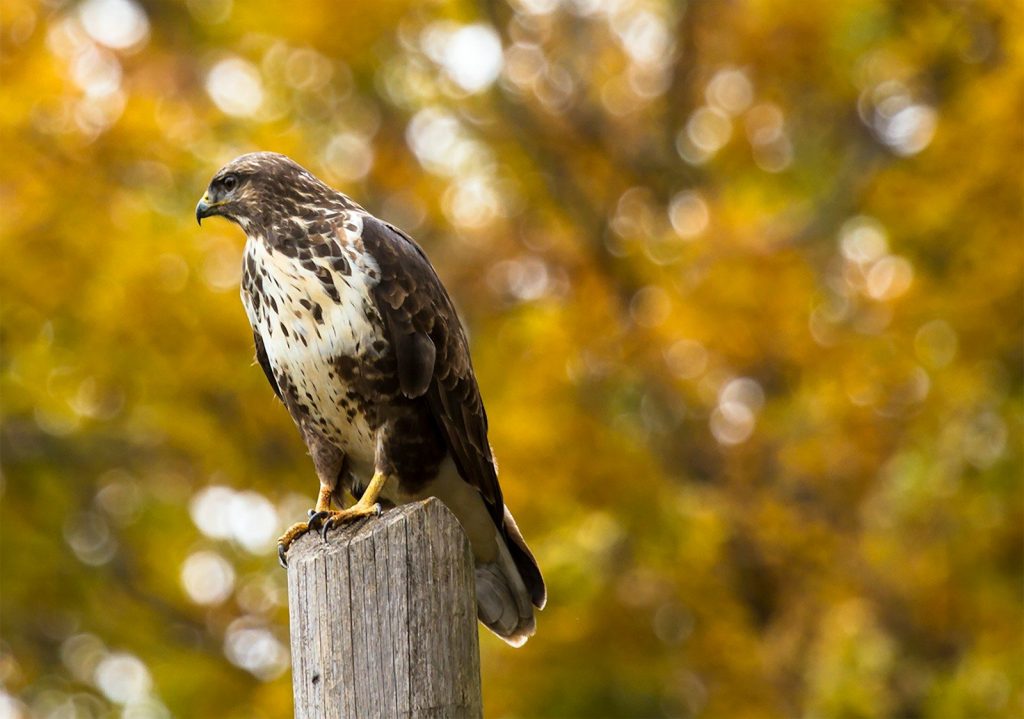
Hawks are impressive birds of prey that play an important role in nature. However, a sharp shinned hawk near a feeder may create problems for songbirds that regularly visit your yard.
These skilled hunters often use dense vegetation as cover before launching surprise attacks. As a result, many smaller birds may avoid areas where hawks are frequently spotted.
Magpies Are Intelligent but Highly Aggressive
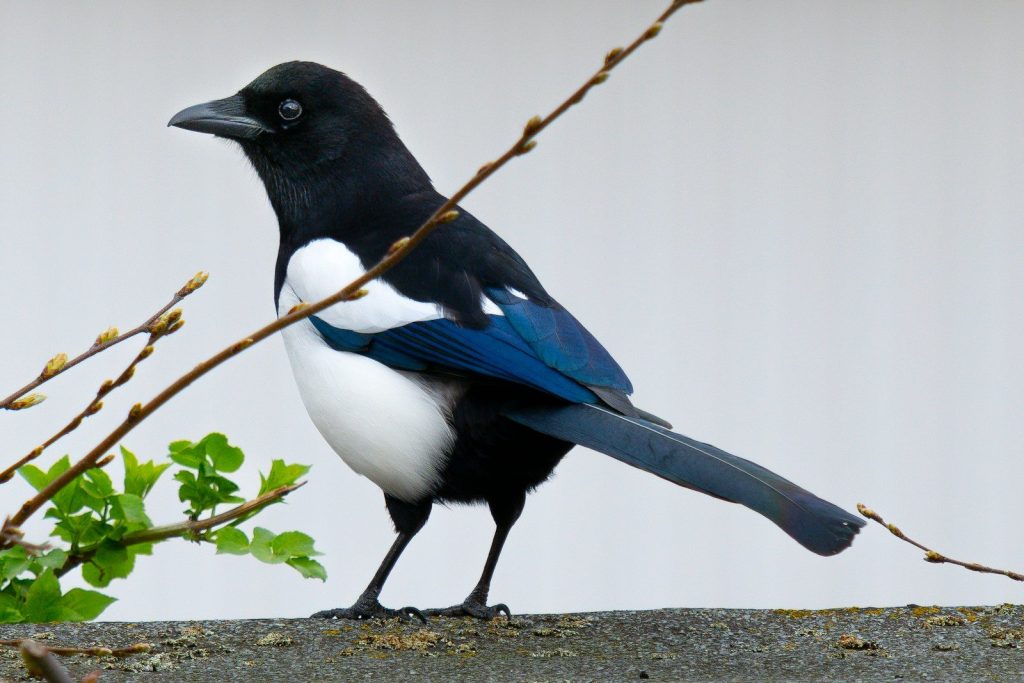
Magpies are among the most intelligent bird species and can recognize human faces. Despite their intelligence, they are often unwelcome guests because of their aggressive behavior toward people, pets, and other birds.
They are opportunistic feeders that consume almost anything they can find. Magpies may raid nests, steal eggs, and dig through gardens while searching for food.
Ring Necked Pheasants Can Damage Gardens
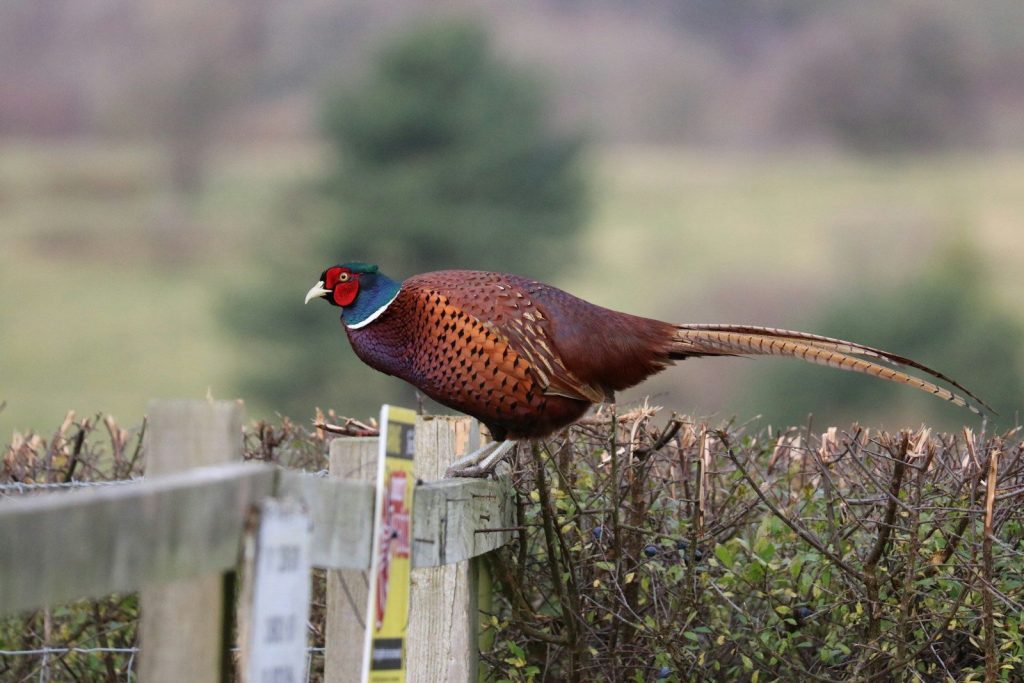
The colorful appearance of ring necked pheasants may make them seem harmless at first glance. In reality, these ground foraging birds can cause significant damage to lawns, flowers, and vegetable gardens.
Their habit of scratching through soil in search of insects often uproots plants and disturbs carefully maintained garden beds. They may also feed on leaves, buds, seeds, and crops throughout the growing season.
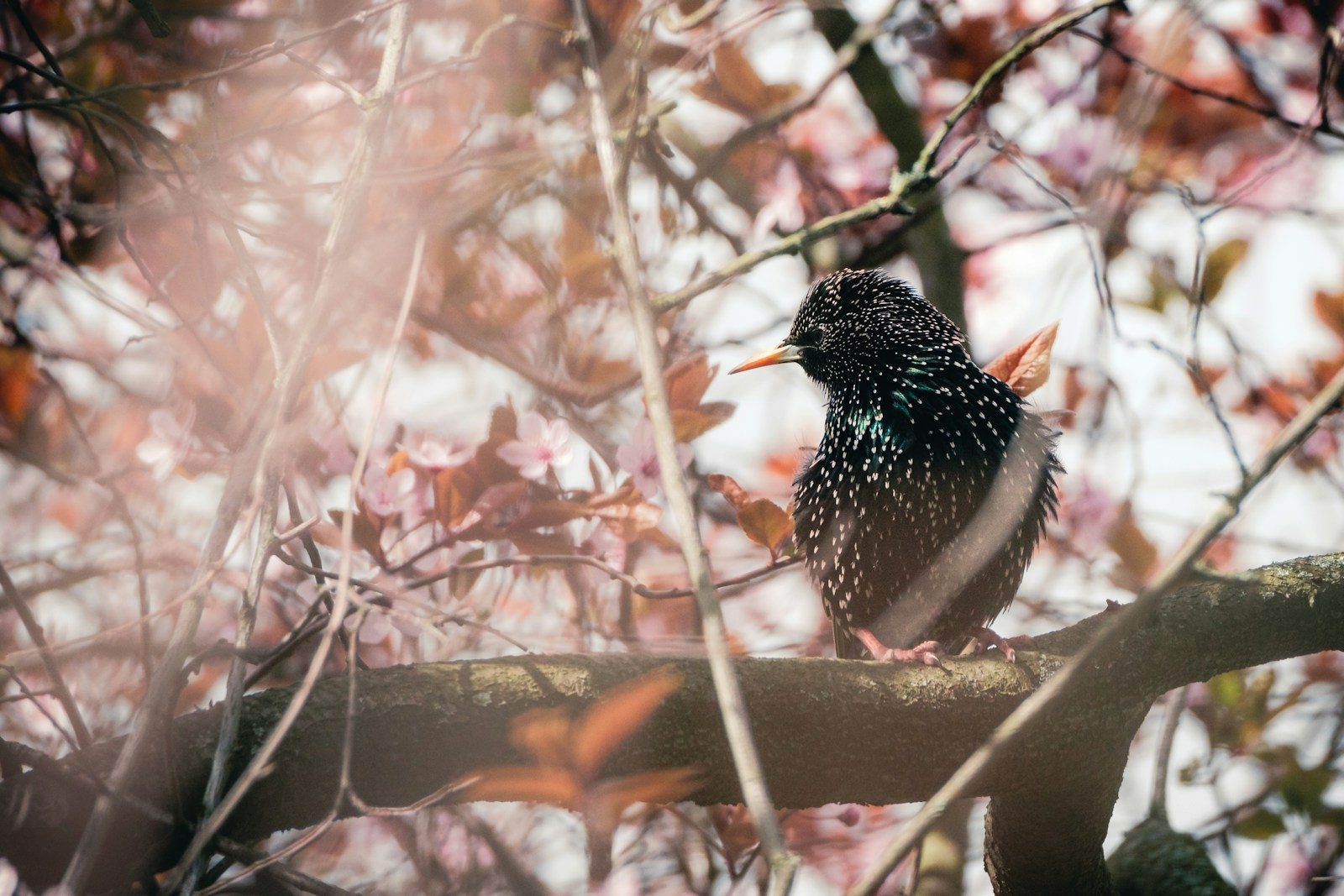
European Starlings Frequently Overrun Feeding Areas
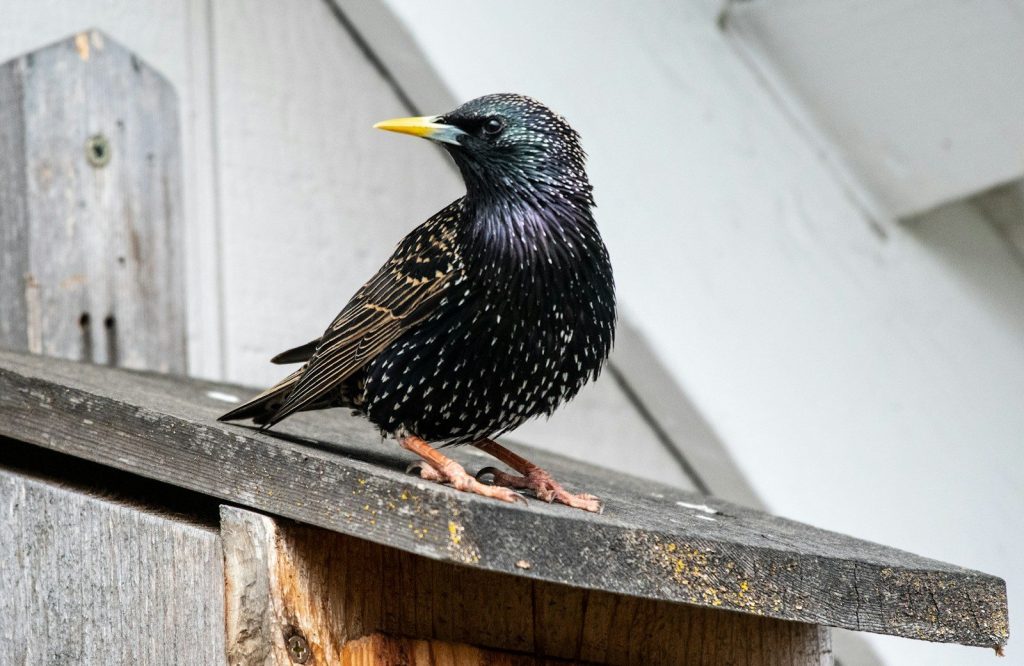
European starlings travel in large flocks and are notorious for overwhelming bird feeders. Their aggressive behavior often prevents native species from accessing food and nesting sites.
In addition to bullying other birds, starlings can damage gardens while searching for insects and fruit. Their large numbers can also create excessive noise and sanitation concerns around homes.
Red Winged Blackbirds Become Highly Territorial
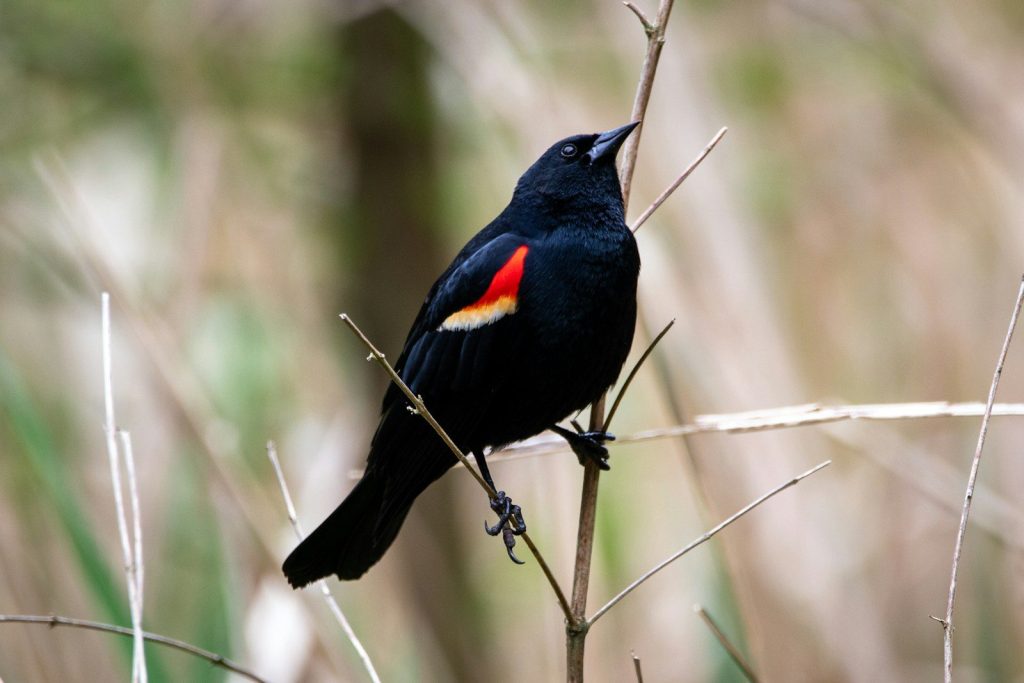
Red winged blackbirds are admired for their distinctive appearance and striking red shoulder patches. During breeding season, however, they become fiercely protective of their territory.
These birds may swoop at people, pets, and other wildlife that venture too close to their nests. Their persistent calls and defensive behavior can make them challenging neighbors for several weeks each year.