Every domestic dog shares a common ancestry with wolves, but some breeds have retained more of their ancient genetic heritage than others. Recent genetic studies have highlighted several breeds that remain closer to their wolf ancestors, offering a fascinating glimpse into the early history of canine domestication.
While appearance can sometimes hint at wolf ancestry, genetics often tells a more complex story. Some breeds that look strikingly wolf like are indeed closely related, while others have earned their place on the list through their ancient lineage rather than their physical traits.
Shiba Inus Rank Among the Closest Relatives to Wolves
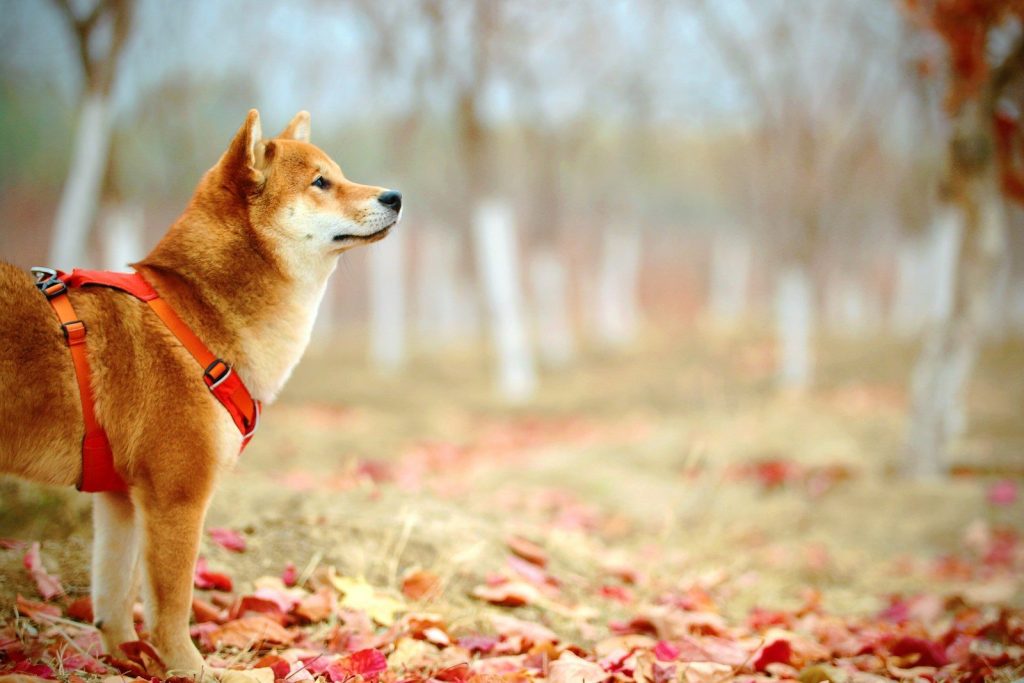
The Shiba Inu is frequently identified as one of the dog breeds with the strongest genetic connections to wolves. Researchers classify it as an ancient breed that has preserved many ancestral genetic markers over thousands of years.
Despite its compact size and fox like appearance, the Shiba Inu possesses traits that reflect its ancient origins. Its independent nature and strong instincts often distinguish it from many modern companion breeds.
Akitas Preserve an Ancient Canine Heritage
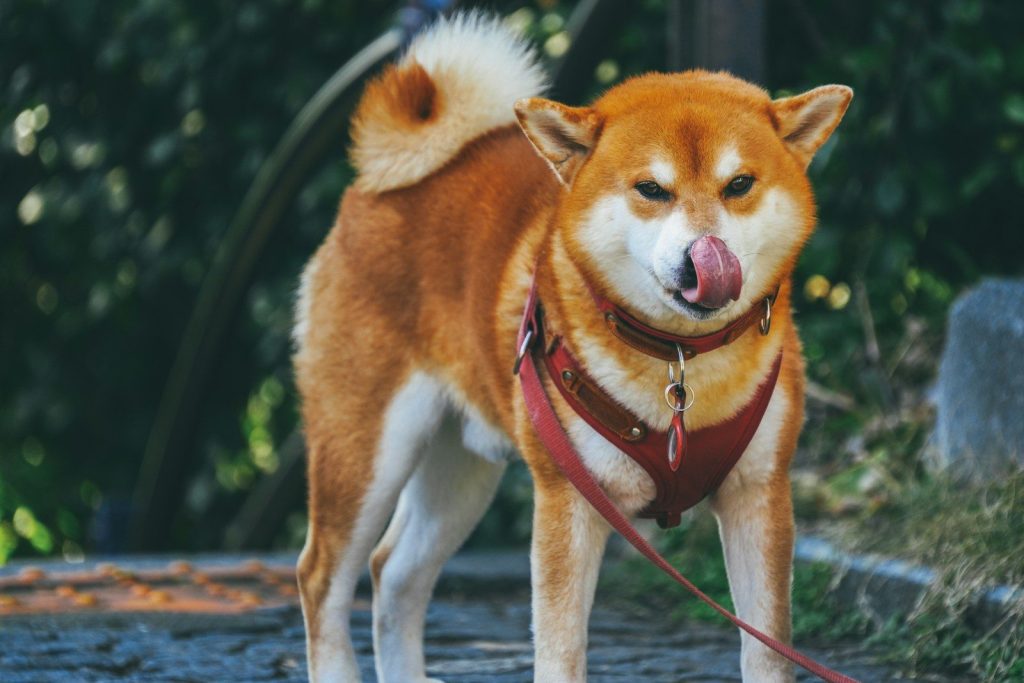
The Akita is another breed consistently linked to wolves through genetic research. Originating in Japan, it belongs to a group of ancient dogs that diverged early from other domestic breeds.
Known for their loyalty and confidence, Akitas have maintained many characteristics associated with their early ancestors. Their powerful build and alert demeanor contribute to their reputation as one of the most wolf connected breeds.
Siberian Huskies Retain Strong Wolf Ancestry
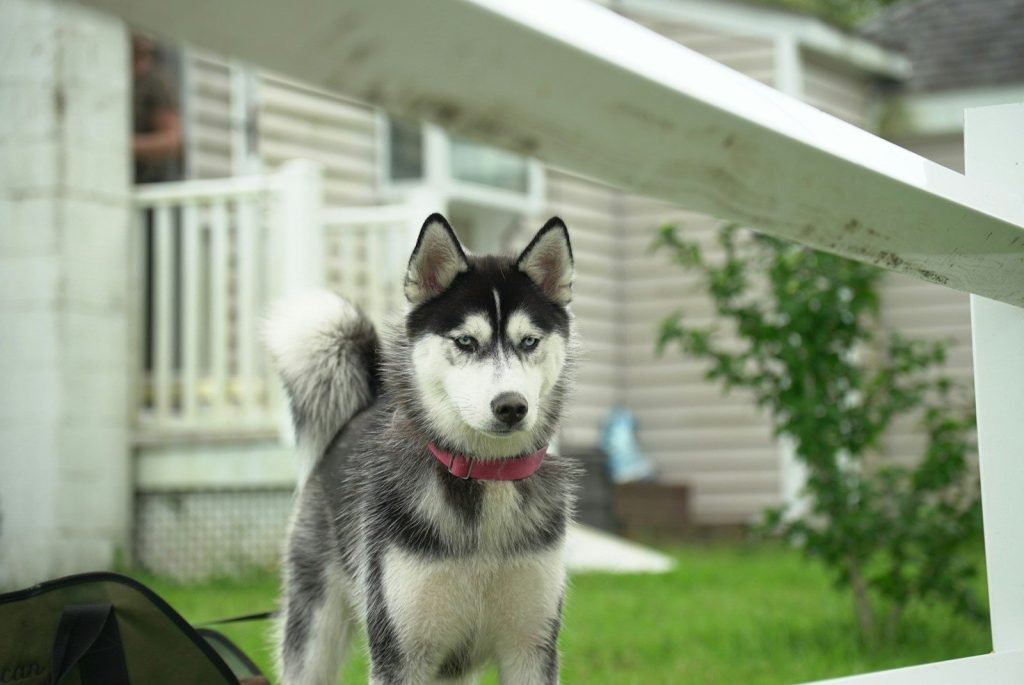
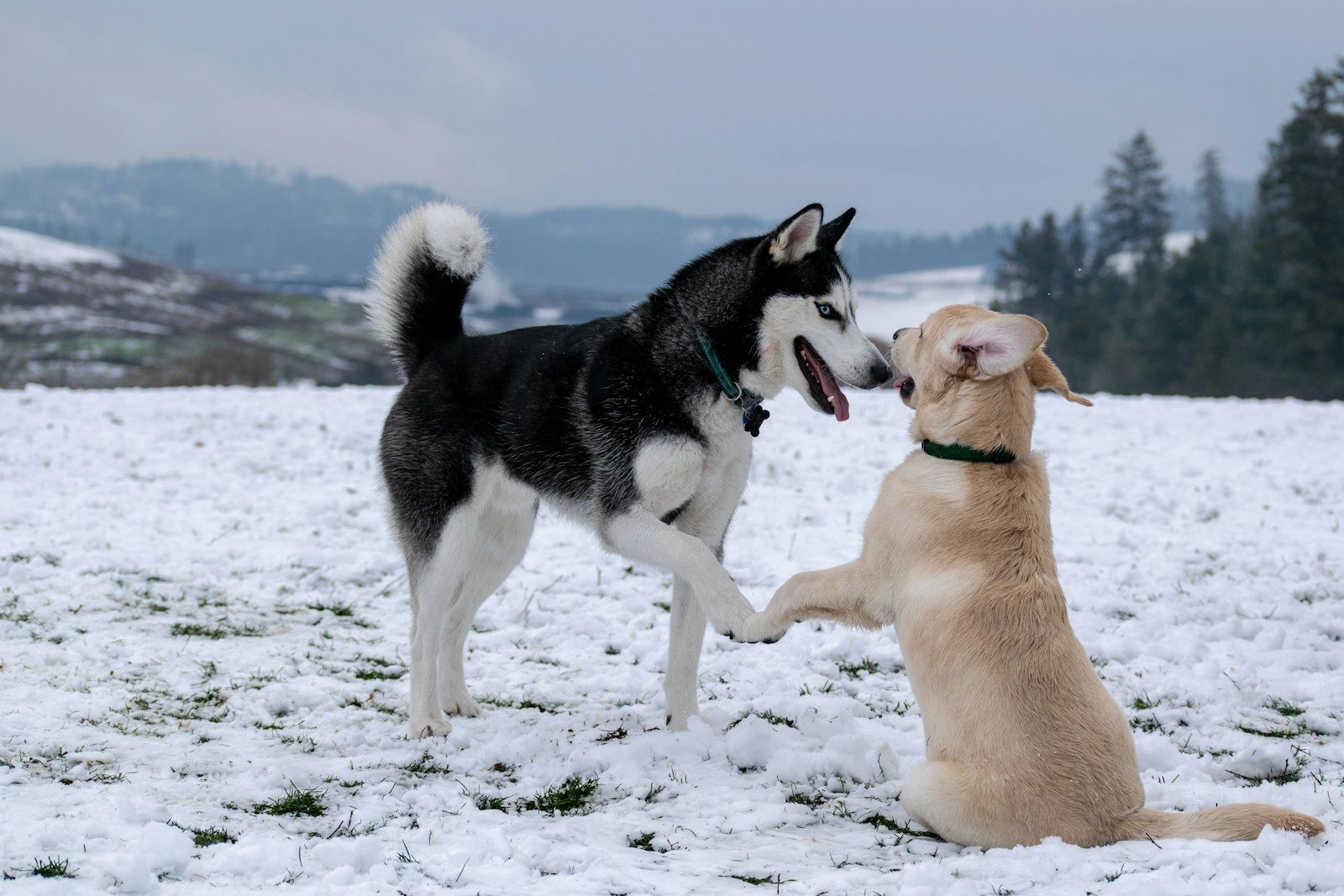
Siberian Huskies are often among the first breeds people associate with wolves because of their striking appearance. Genetic studies support this perception, placing them among the breeds with some of the closest ties to wolf populations.
Originally bred as sled dogs in harsh Arctic conditions, Huskies retained many traits that helped their ancestors survive demanding environments. Their endurance, intelligence, and pack oriented behavior reflect this heritage.
Alaskan Malamutes Share Deep Arctic Roots
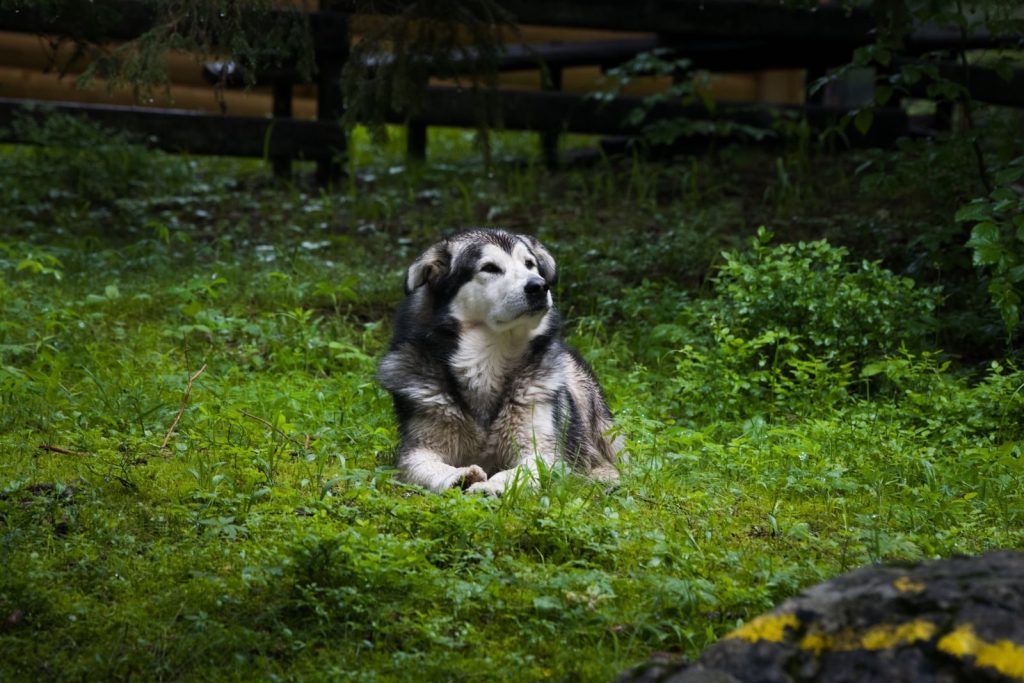
The Alaskan Malamute is another Arctic breed with a strong genetic relationship to wolves. Developed to haul heavy loads across snowy terrain, these dogs were shaped by some of the world’s most challenging climates.
Their robust physique and remarkable stamina have helped preserve characteristics linked to ancient canines. Studies regularly place Malamutes among the breeds closest to wolves in terms of genetic heritage.
Chow Chows Carry Ancient Genetic Markers
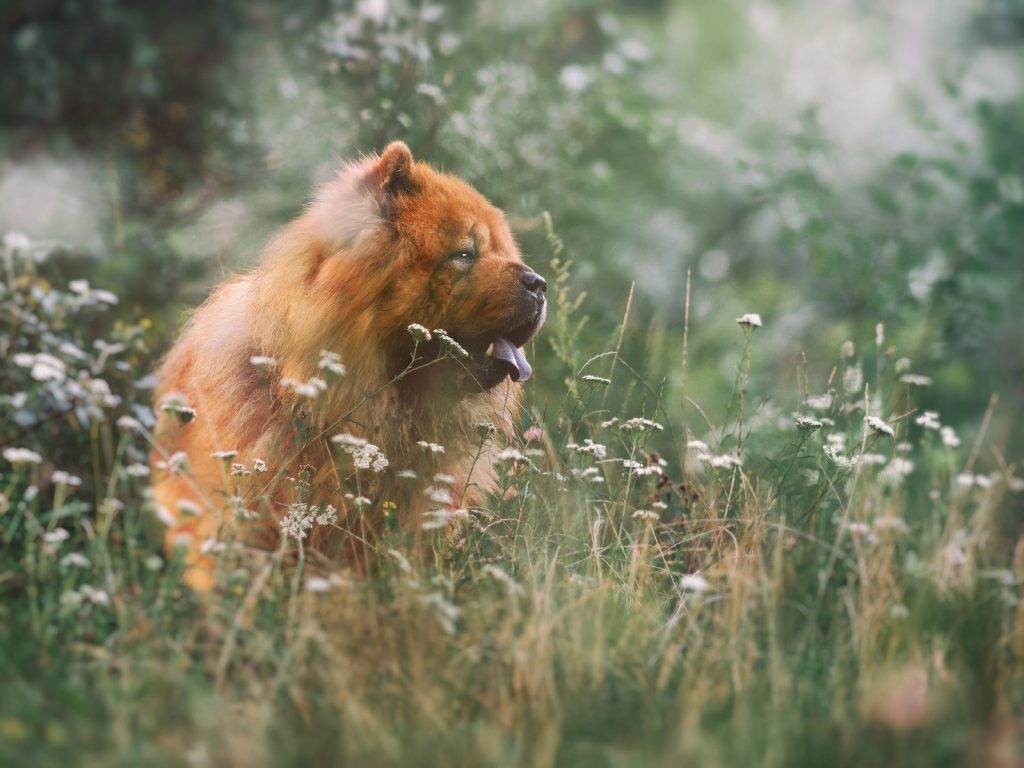
With their distinctive lion like mane and blue black tongue, Chow Chows may not immediately resemble wolves. However, genetic analysis has revealed that they belong to a group of ancient breeds that remain closely connected to early canine ancestors.
Their long history and relative genetic isolation have allowed them to retain characteristics that researchers associate with early domesticated dogs. This makes them one of the more surprising entries on the list.
Modern Studies Show Most Dogs Retain Some Wolf DNA
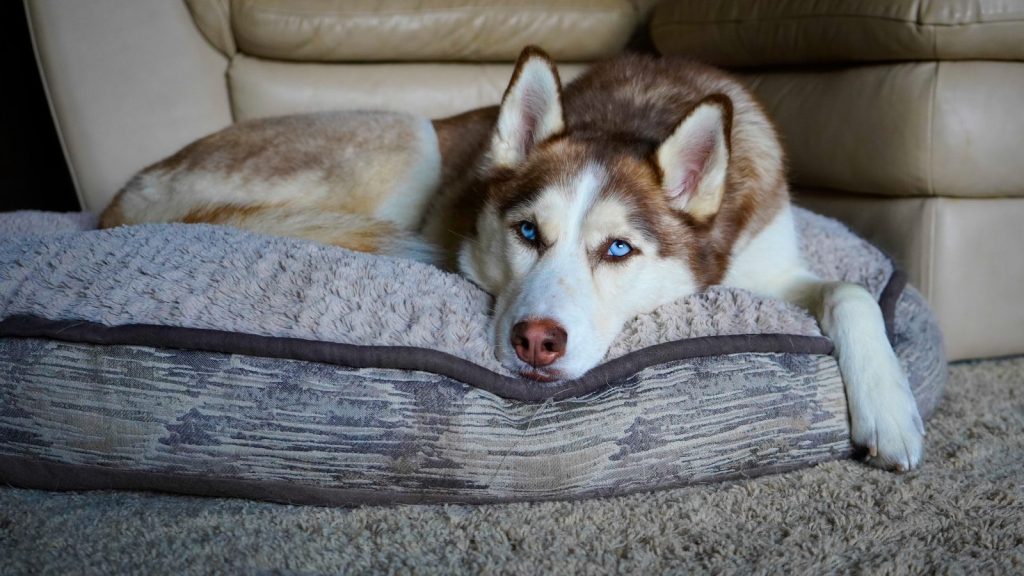
Recent research suggests that a majority of modern dog breeds still carry detectable traces of wolf DNA. Scientists found evidence that wolves and domestic dogs interbred long after the initial domestication process began.
The findings highlight how closely connected dogs remain to their wild ancestors, even after thousands of years of selective breeding. From ancient Arctic sled dogs to beloved household companions, traces of the wolf continue to shape the dogs we know today.