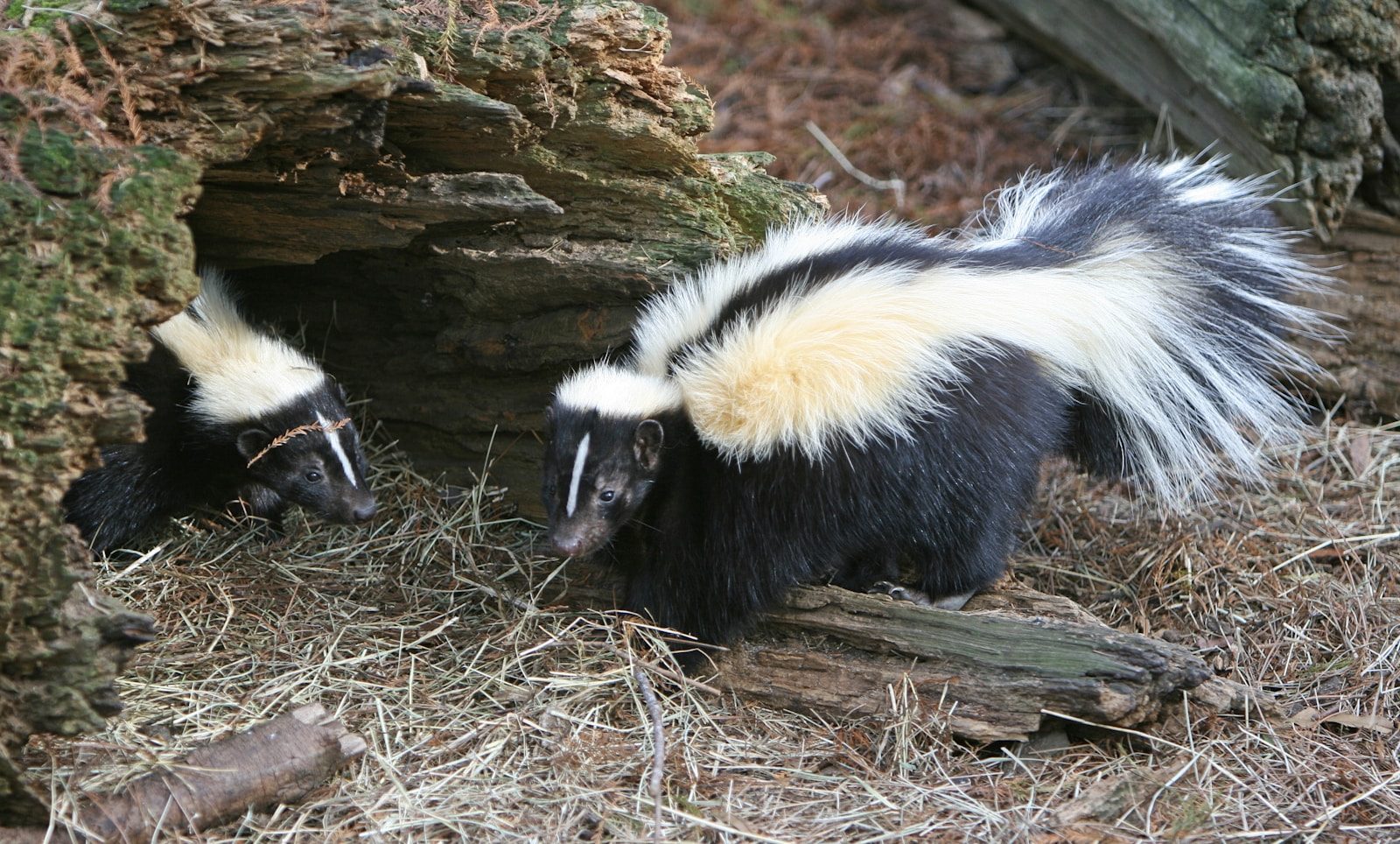
Tiny skunk kits are helping wildlife educators show people that these black-and-white mammals are much more than their famous smell.
Despite their reputation, skunks play an important role in the environment and are often misunderstood by the public.
More Than Just a Defense Spray
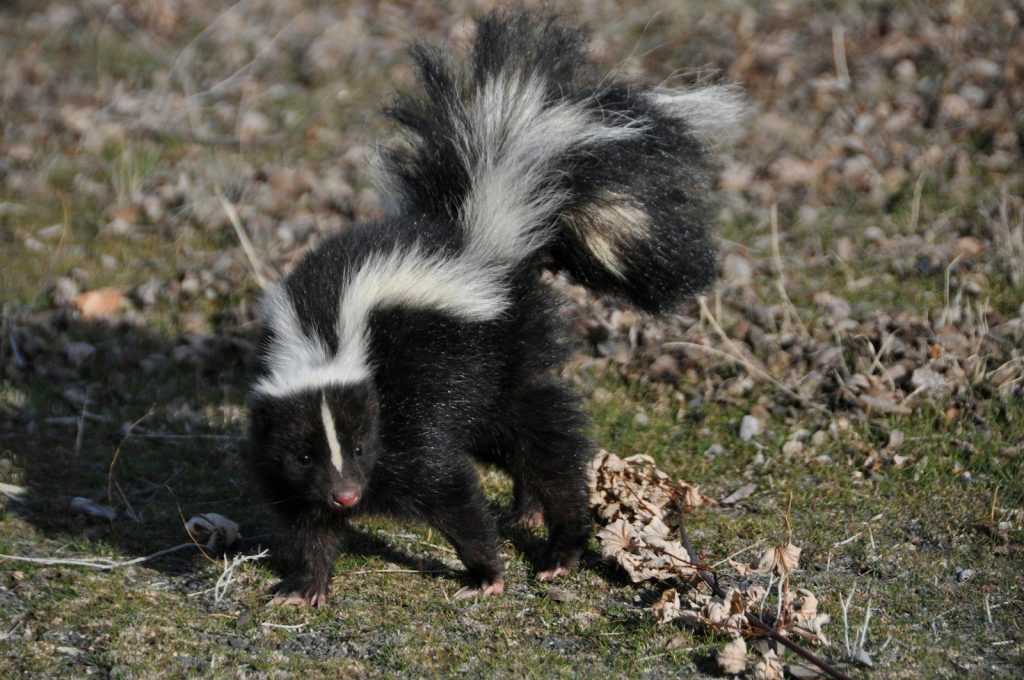
While skunks are best known for their powerful odor, spraying is actually a last resort.
Before using their defensive spray, skunks typically give several warnings, including stomping their feet and displaying defensive body language.
Nature’s Cleanup Crew
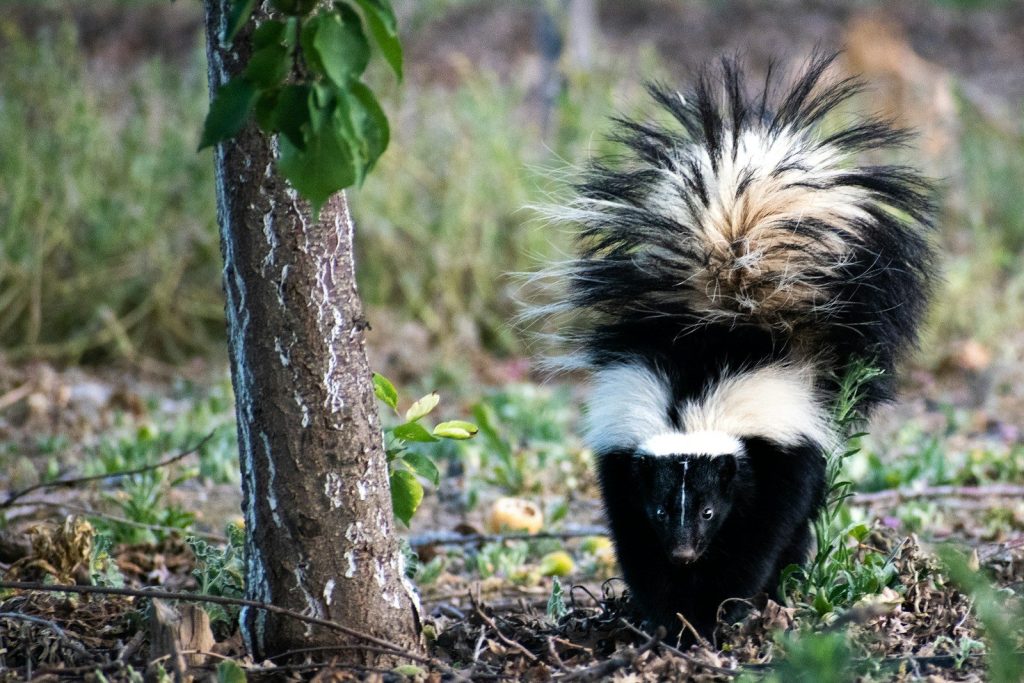
Skunks provide valuable ecological benefits by feeding on insects, grubs, rodents, and other small pests.
Their appetite helps naturally control populations of animals that can damage gardens, crops, and landscapes.
A Limited Supply
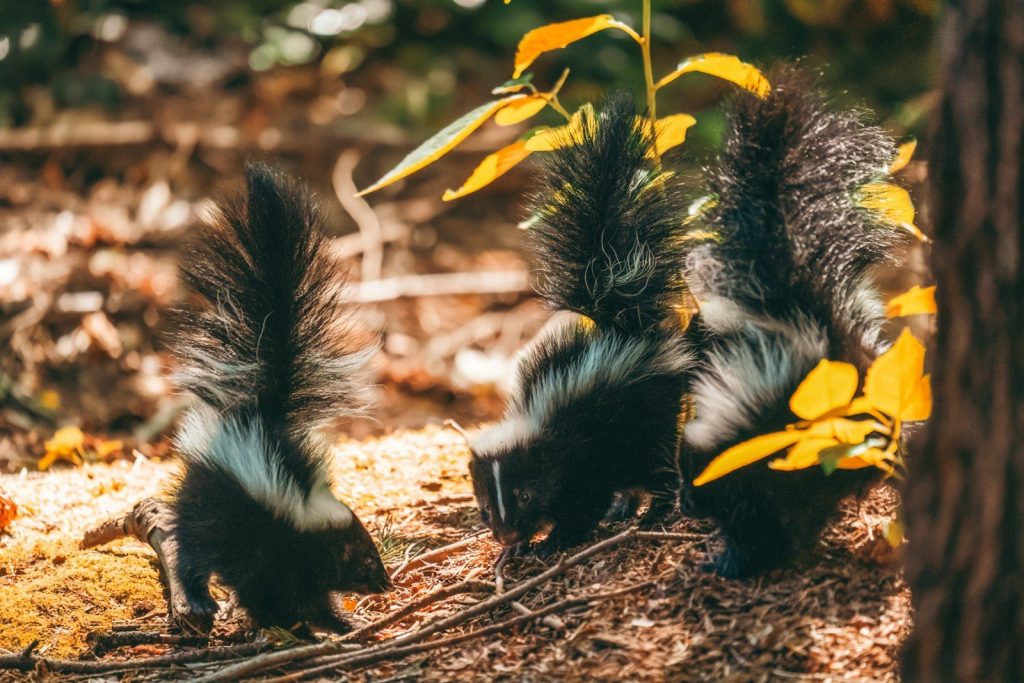
Many people assume skunks can spray endlessly, but that’s not the case.
They carry only a small amount of defensive spray and need time to replenish it after using it, making them cautious about when they deploy it.
Surprisingly Intelligent Animals
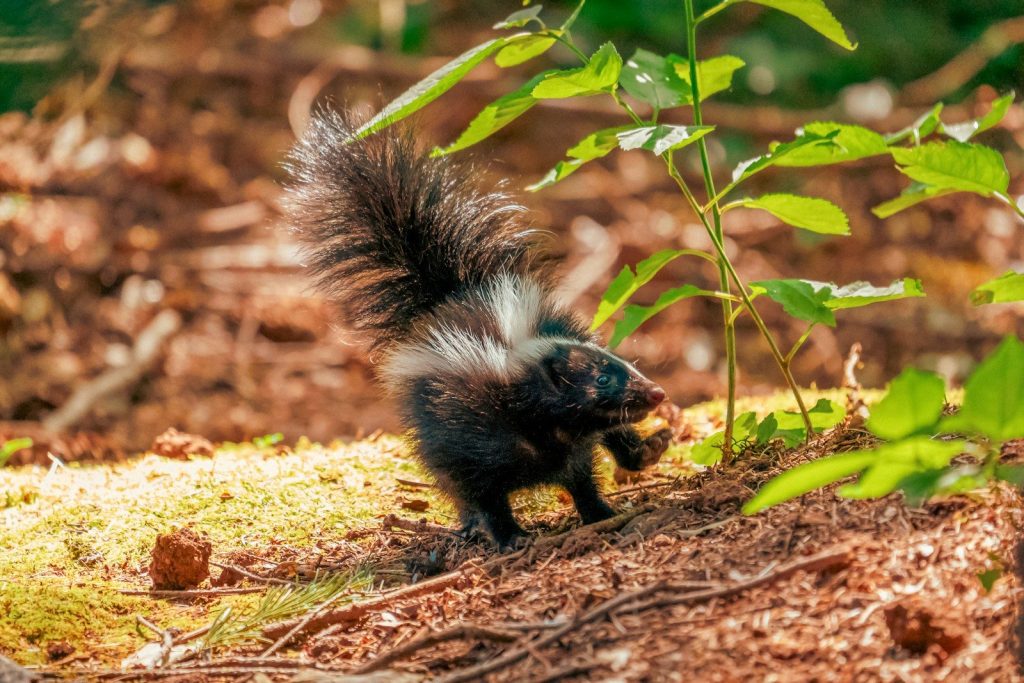
Wildlife experts say skunks are curious, adaptable, and capable of learning routines.
Captive-raised skunks have even been known to learn basic household behaviors and interact playfully with their caretakers.
Members of an Interesting Family
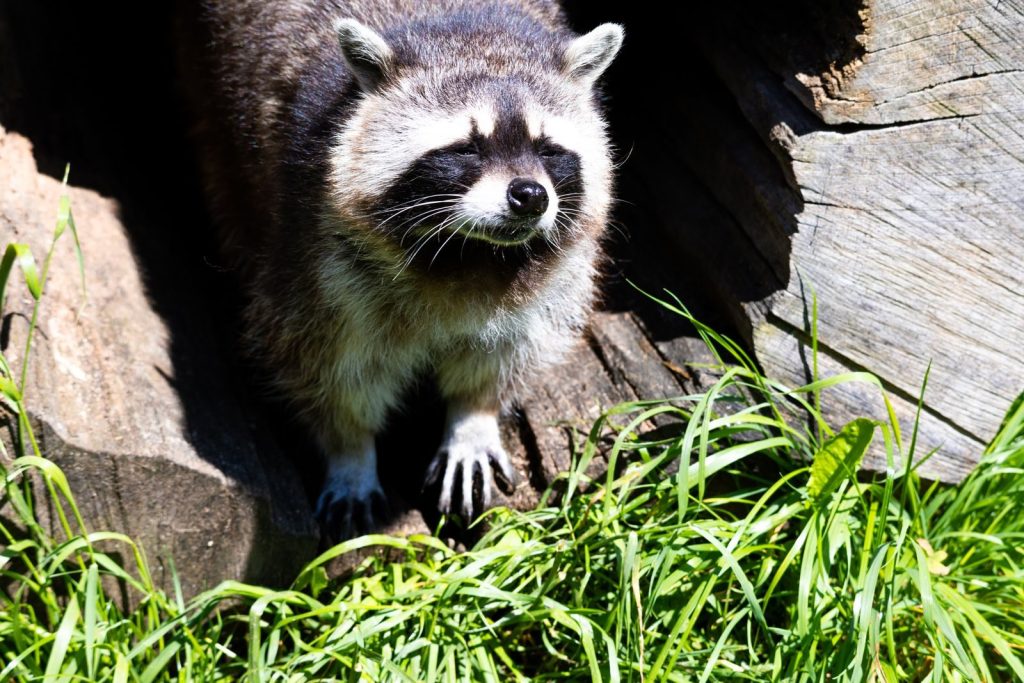
Skunks belong to a group of mammals closely related to other small carnivores known for their agility and hunting abilities.
Their relatives include several species recognized for intelligence and adaptability.
Life in the Wild

A skunk’s life can be challenging due to predators, disease, and environmental hazards.
Those living under human care often enjoy longer lifespans thanks to consistent food, shelter, and veterinary attention.