Zoos play an important role in conservation, education, and scientific research, but they have also faced criticism from animal welfare advocates. While many facilities work to protect endangered species and educate the public, concerns remain about the challenges animals face in captivity.
The debate continues as people weigh the benefits of conservation efforts against the welfare needs of individual animals.
Limited Living Space
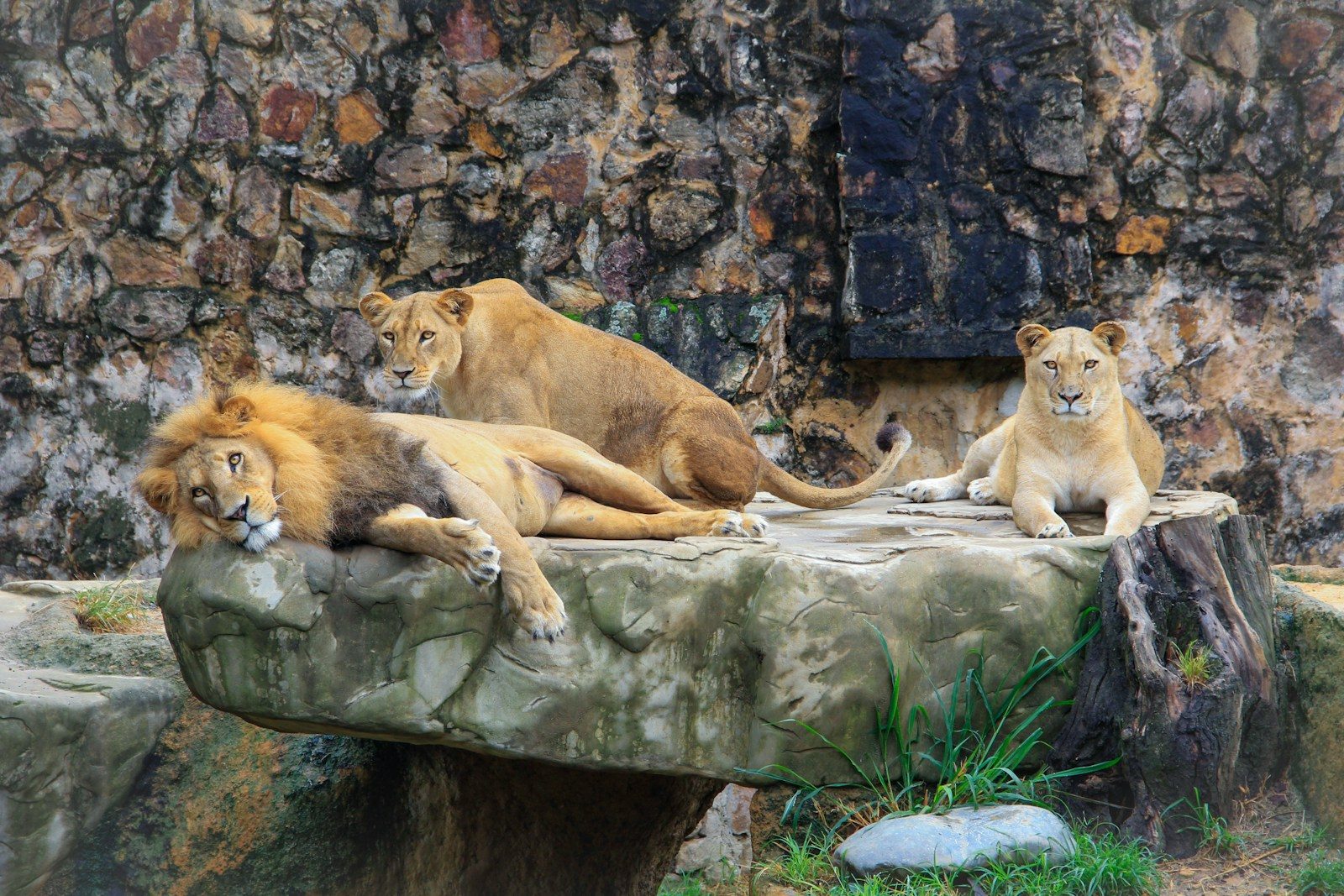
One of the most common criticisms of zoos is that enclosures cannot fully replicate an animal’s natural habitat. Wild animals may roam vast territories, while zoo environments are necessarily more restricted.
For some species, limited space can affect natural behaviors such as hunting, migration, or social interaction.
Behavioral Challenges
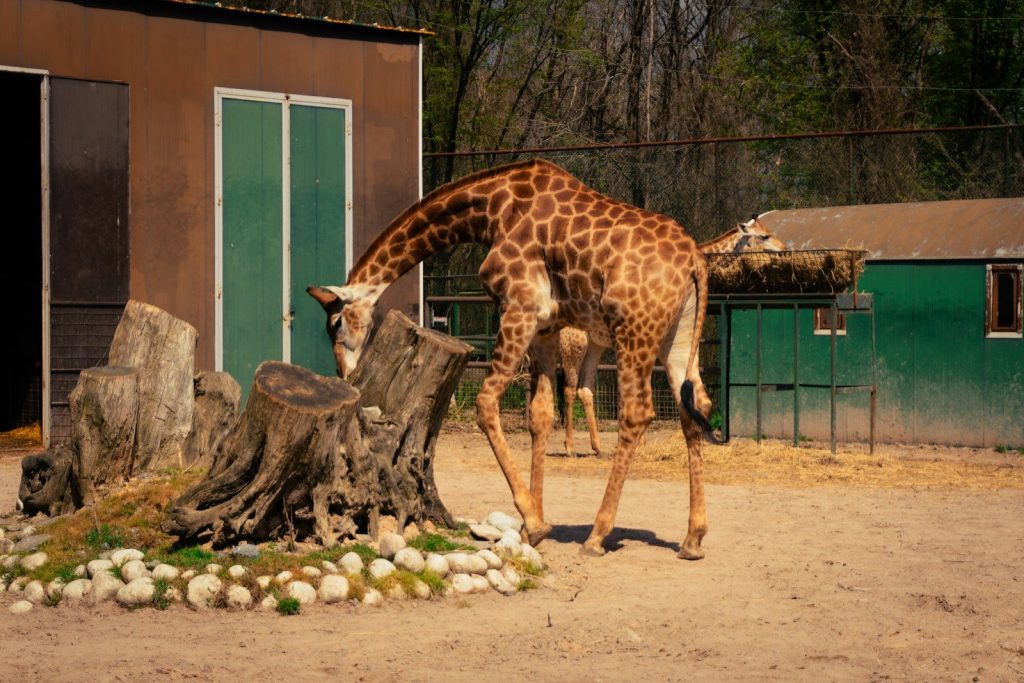
Animals in captivity may sometimes develop repetitive behaviors, often referred to as stereotypic behaviors. These can include pacing, swaying, or repetitive movements.
Experts believe such behaviors can result from stress, boredom, or environmental limitations, although enrichment programs aim to reduce these issues.
Ethical Concerns
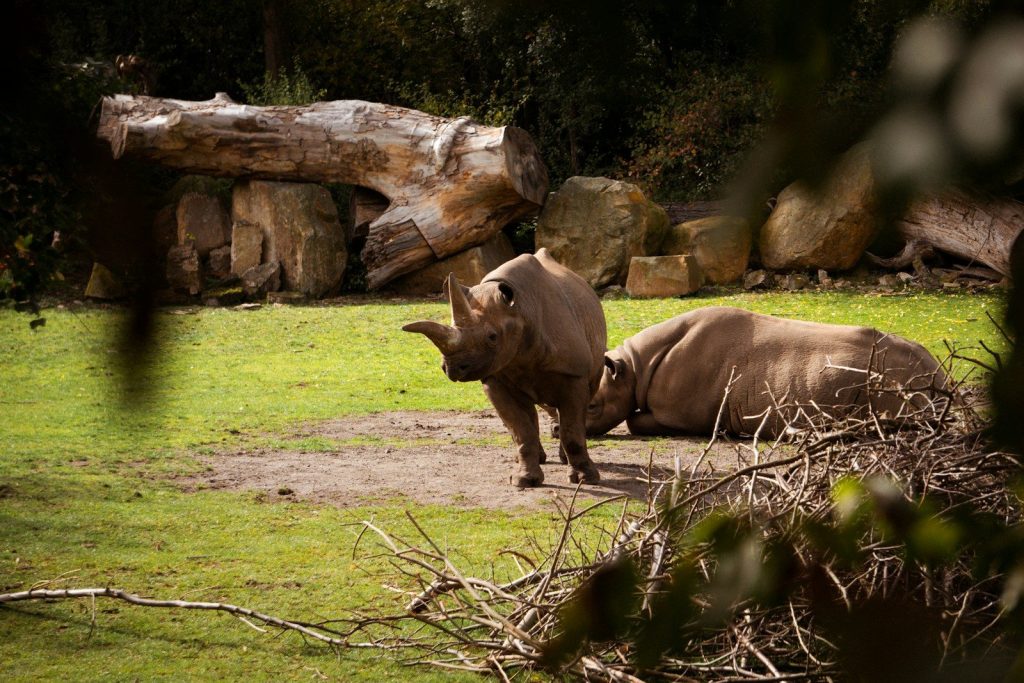
Critics argue that keeping wild animals for public display raises ethical questions. They believe animals should live in natural environments whenever possible rather than in human-managed facilities.
Supporters counter that accredited zoos provide care, protection, and educational opportunities that can benefit both animals and people.
Breeding Programs
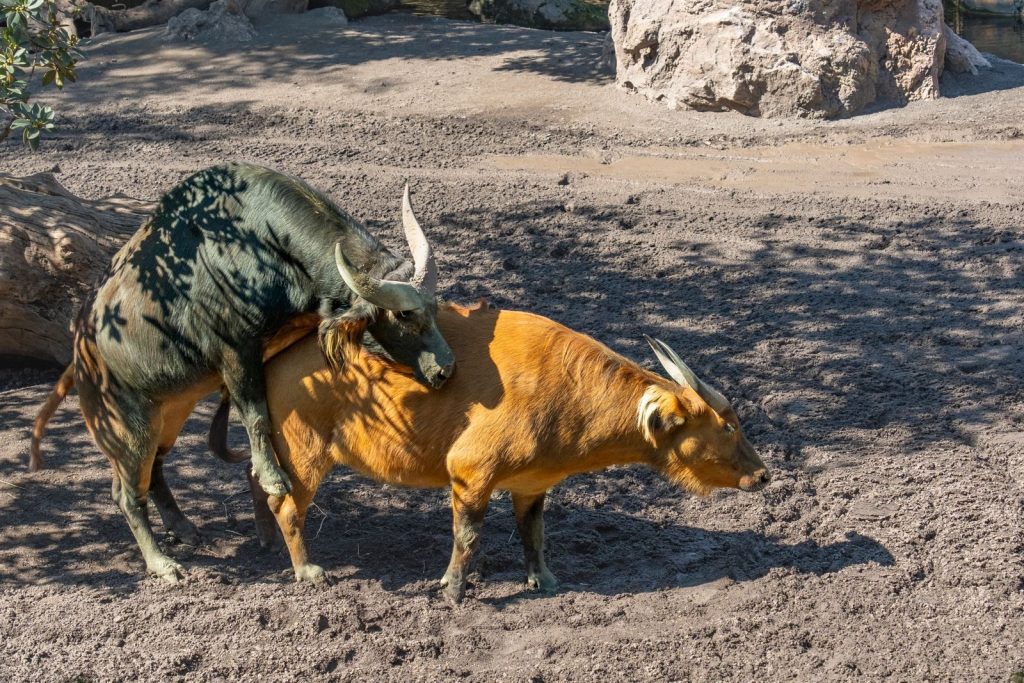
Many zoos participate in breeding programs designed to help endangered species. These initiatives can preserve genetic diversity and prevent extinction.
However, critics question whether animals bred in captivity can always be successfully reintroduced into the wild, particularly if natural habitats have been lost.
Conservation Benefits
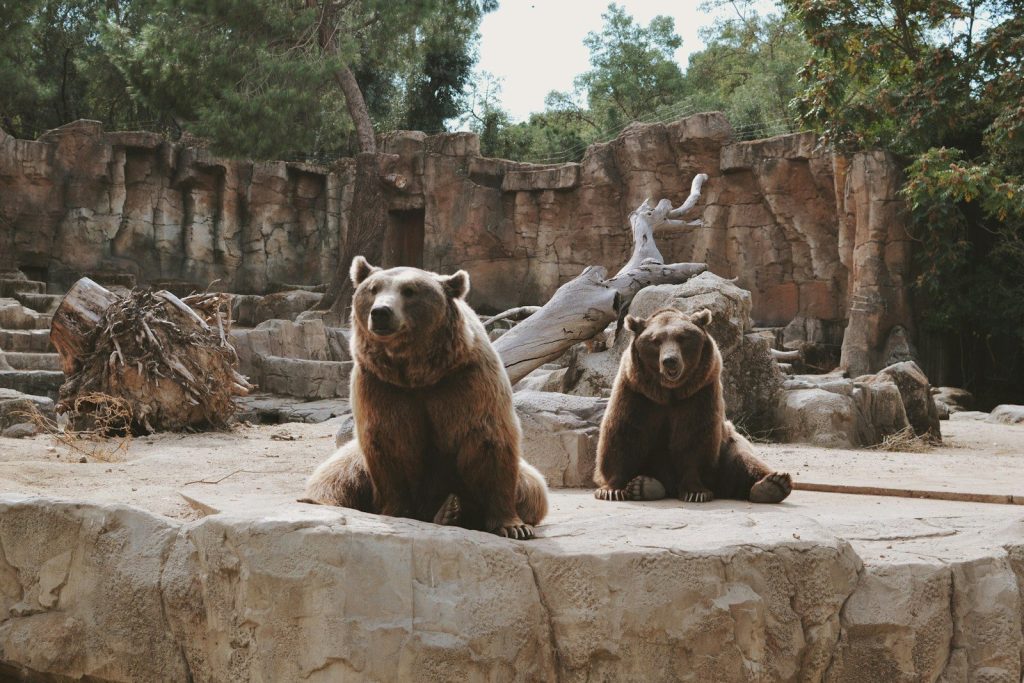
Modern zoos often contribute to wildlife conservation projects around the world. Funding generated through admissions can support habitat protection, scientific research, and species recovery programs.
Several endangered species have benefited from coordinated conservation efforts involving zoological institutions.
Educational Value
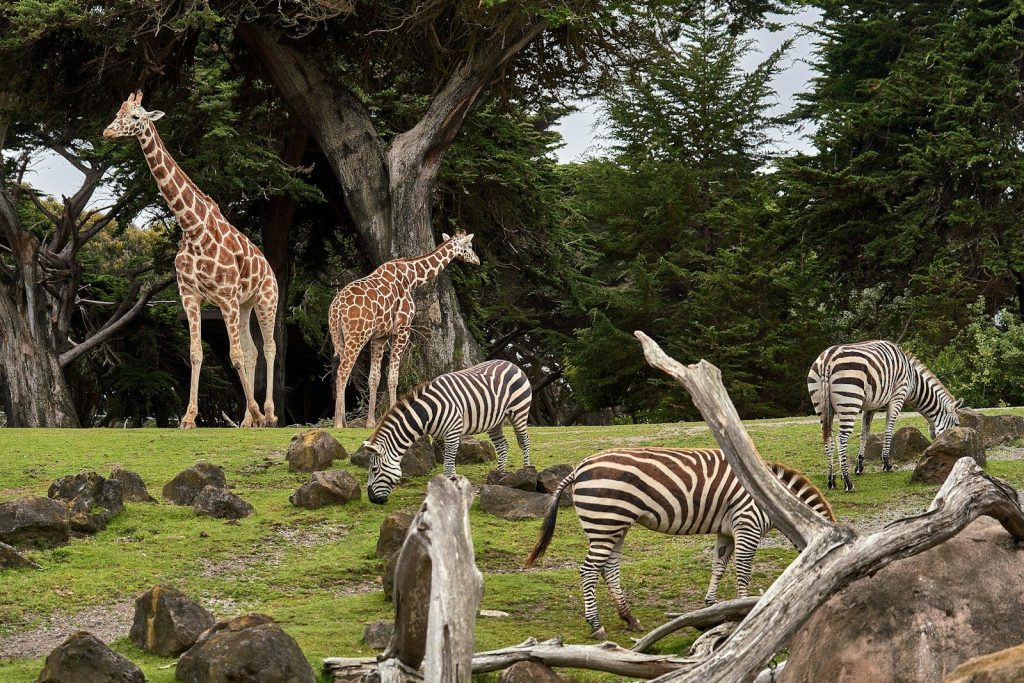
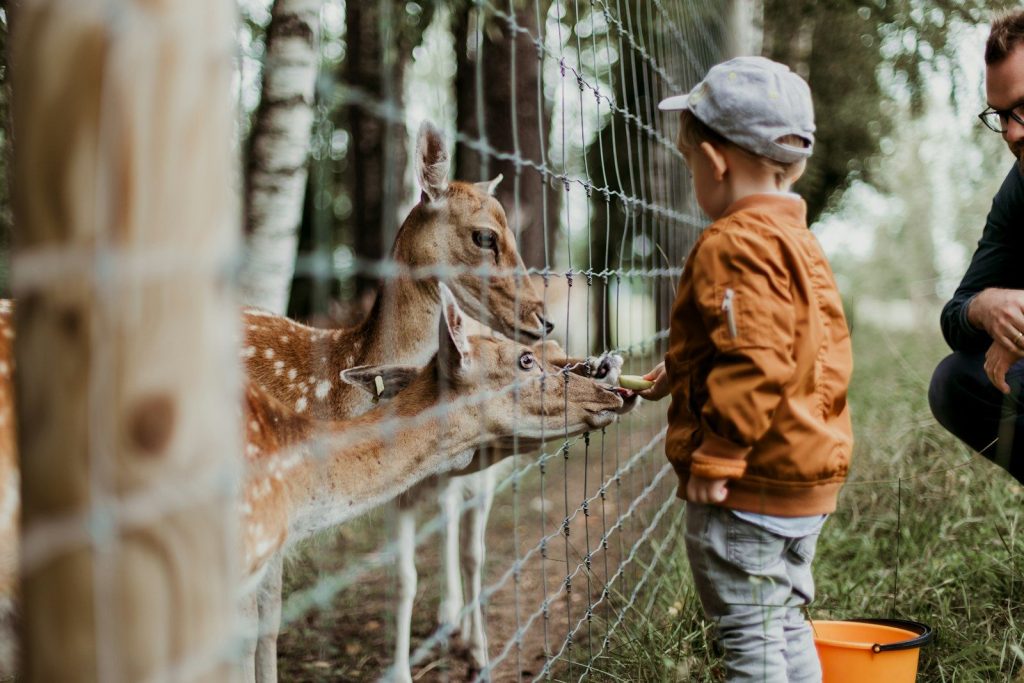
Zoos provide opportunities for people to observe animals they might never encounter in the wild. This can inspire interest in wildlife and encourage conservation awareness.
Many facilities also offer educational programs that teach visitors about ecosystems, biodiversity, and environmental challenges.