When people think of endangered animals, species like pandas, tigers, elephants, and dolphins often come to mind. These animals frequently appear in conservation campaigns because they are considered beautiful, charismatic, and easy to connect with. However, many lesser-known creatures face the same threats despite receiving far less attention.
Across the world, countless unusual-looking species are struggling due to habitat destruction, pollution, climate change, hunting, and illegal wildlife trade. While they may not fit conventional ideas of beauty, these animals play important roles in maintaining healthy ecosystems and deserve protection just as much as their more famous counterparts.
Blobfish: The World’s Most Misunderstood Fish
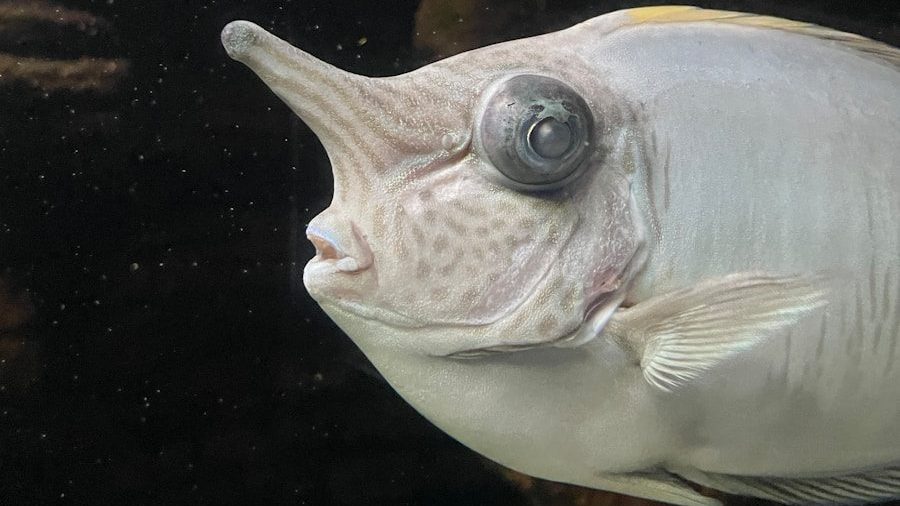
The blobfish is often labeled the world’s ugliest fish because of its droopy, jelly-like appearance. However, this look only appears when it is brought to the surface from the deep ocean.
In its natural habitat, the immense water pressure gives the blobfish a much more normal shape. Deep-sea fishing activities continue to threaten its survival through accidental capture.
Titicaca Water Frog: The Wrinkled Giant of the Andes
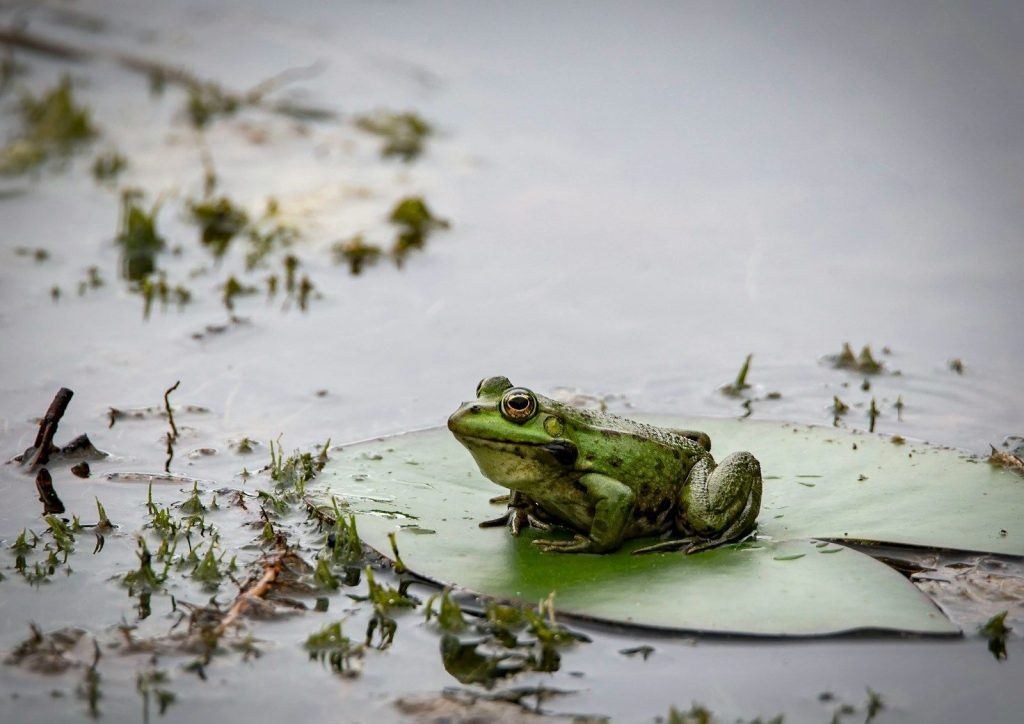
The Titicaca water frog is known for its loose, folded skin, which helps it absorb oxygen underwater. It lives exclusively in and around Lake Titicaca in South America.
Pollution, invasive species, and habitat degradation have caused significant population declines. Despite its unusual appearance, it is highly adapted to its aquatic environment and plays an important ecological role.
Proboscis Monkey: The Monkey with the Remarkable Nose
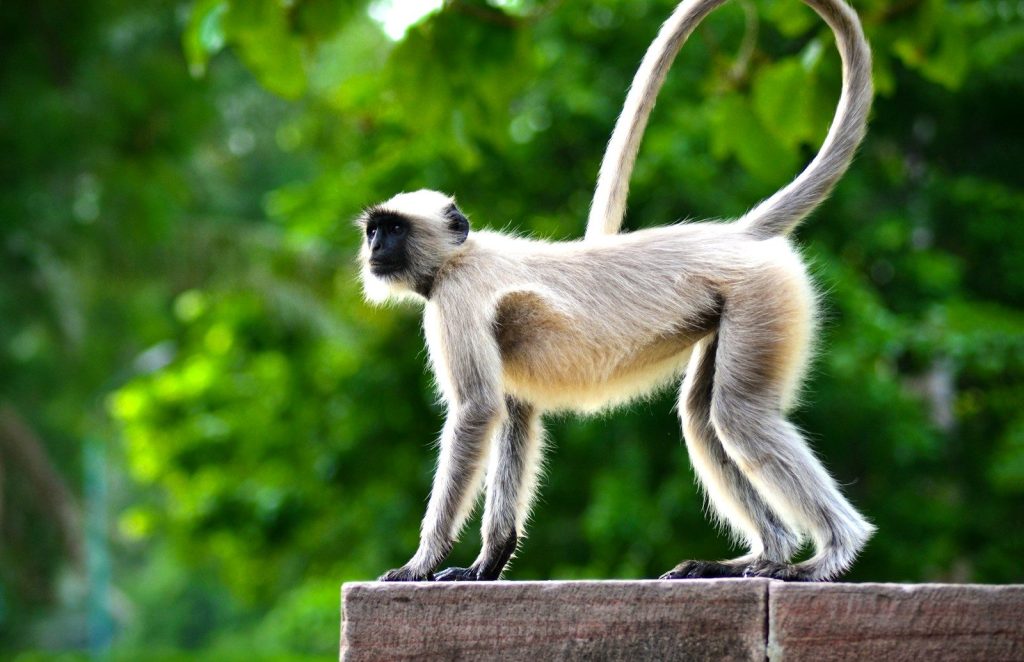
The proboscis monkey is famous for its oversized nose, which is especially prominent in males. Scientists believe this feature helps attract mates and amplify vocal calls.
Found only in Borneo, the species is increasingly threatened by deforestation and habitat fragmentation. As forests disappear, populations are becoming more isolated and vulnerable.
Aye-Aye: Madagascar’s Strange Nighttime Primate
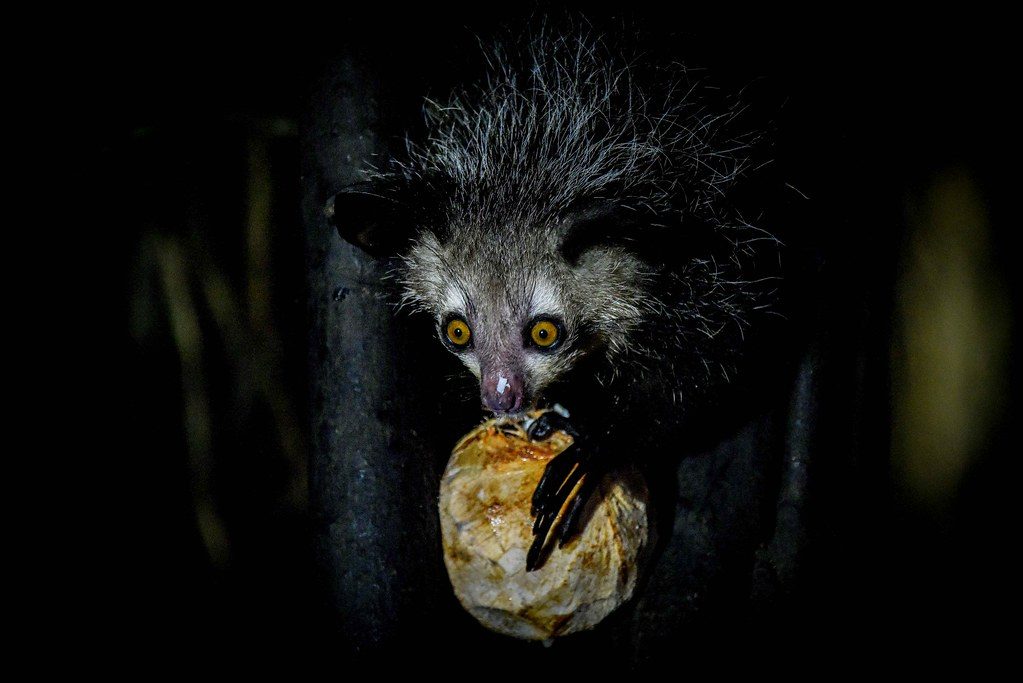
The aye-aye has large eyes, rodent-like teeth, and an elongated finger used to find insects inside trees. These unique traits make it one of the most unusual primates on Earth.
Unfortunately, local myths often portray the animal as a bad omen, leading to persecution. Habitat loss across Madagascar has further reduced its numbers in the wild.
Axolotl: The Salamander That Defies Nature
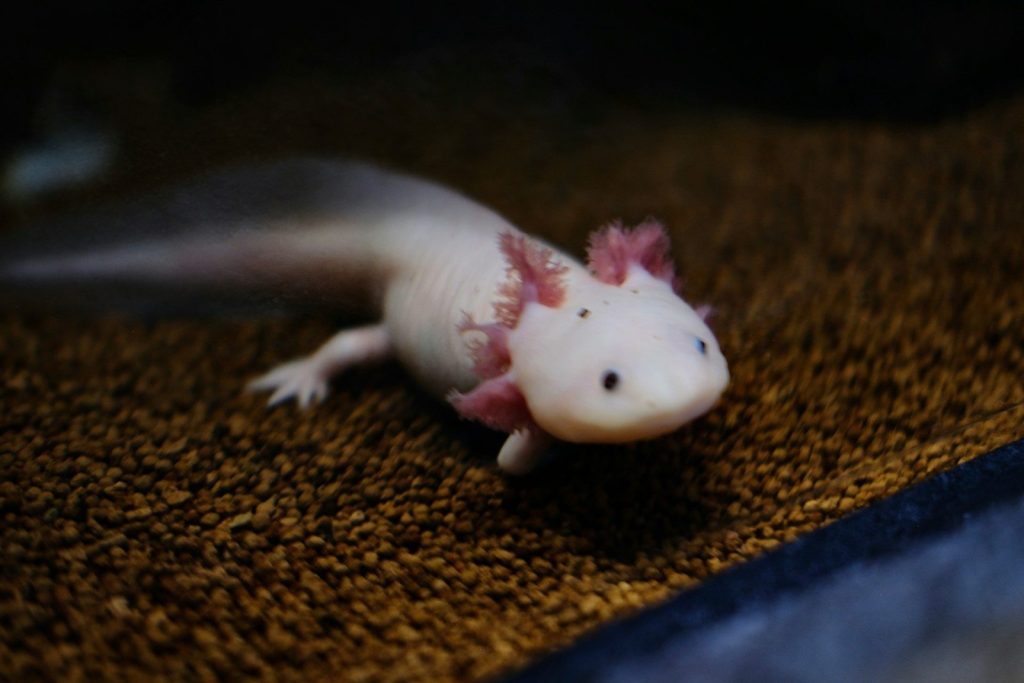
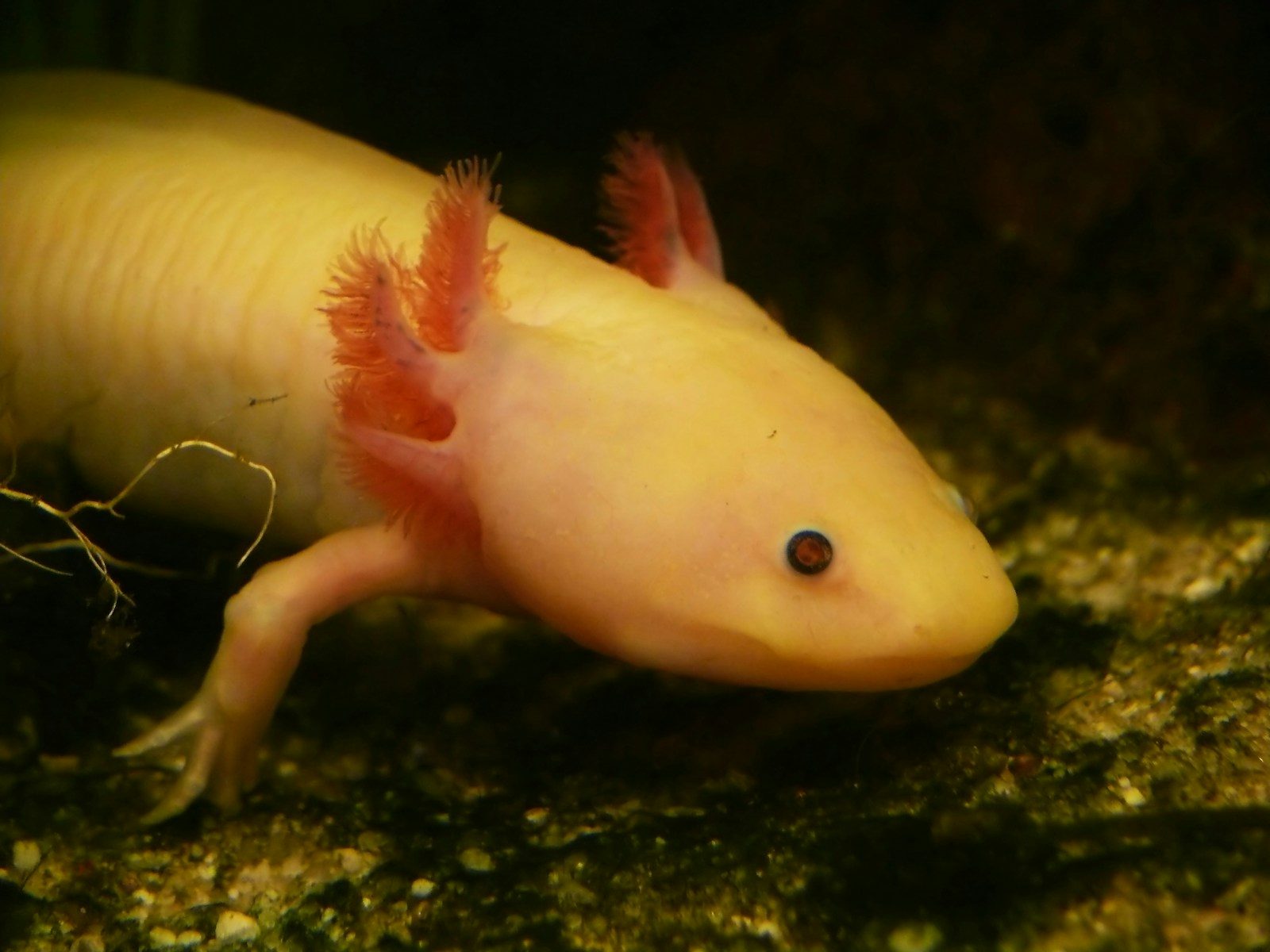
The axolotl is famous for retaining its juvenile features throughout its entire life. It is also known for its incredible ability to regenerate lost body parts.
Native to Mexico, this rare amphibian faces severe threats from pollution and urban expansion. Invasive fish species have also contributed to the decline of wild populations.
Peacock Tarantula: The Brilliant Blue Spider
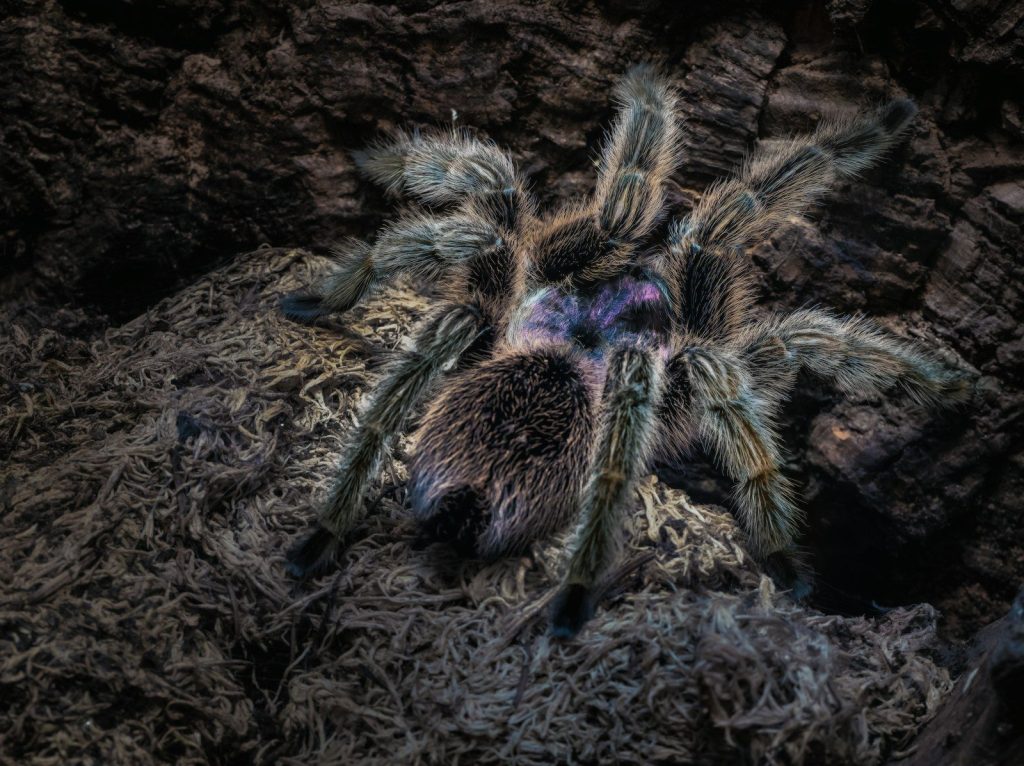
The peacock tarantula stands out because of its stunning metallic-blue coloration. Despite its beauty, many people overlook its conservation needs because it is a spider.
This species is found in a limited region of India and faces habitat destruction. Illegal collection for the exotic pet trade continues to put additional pressure on wild populations.