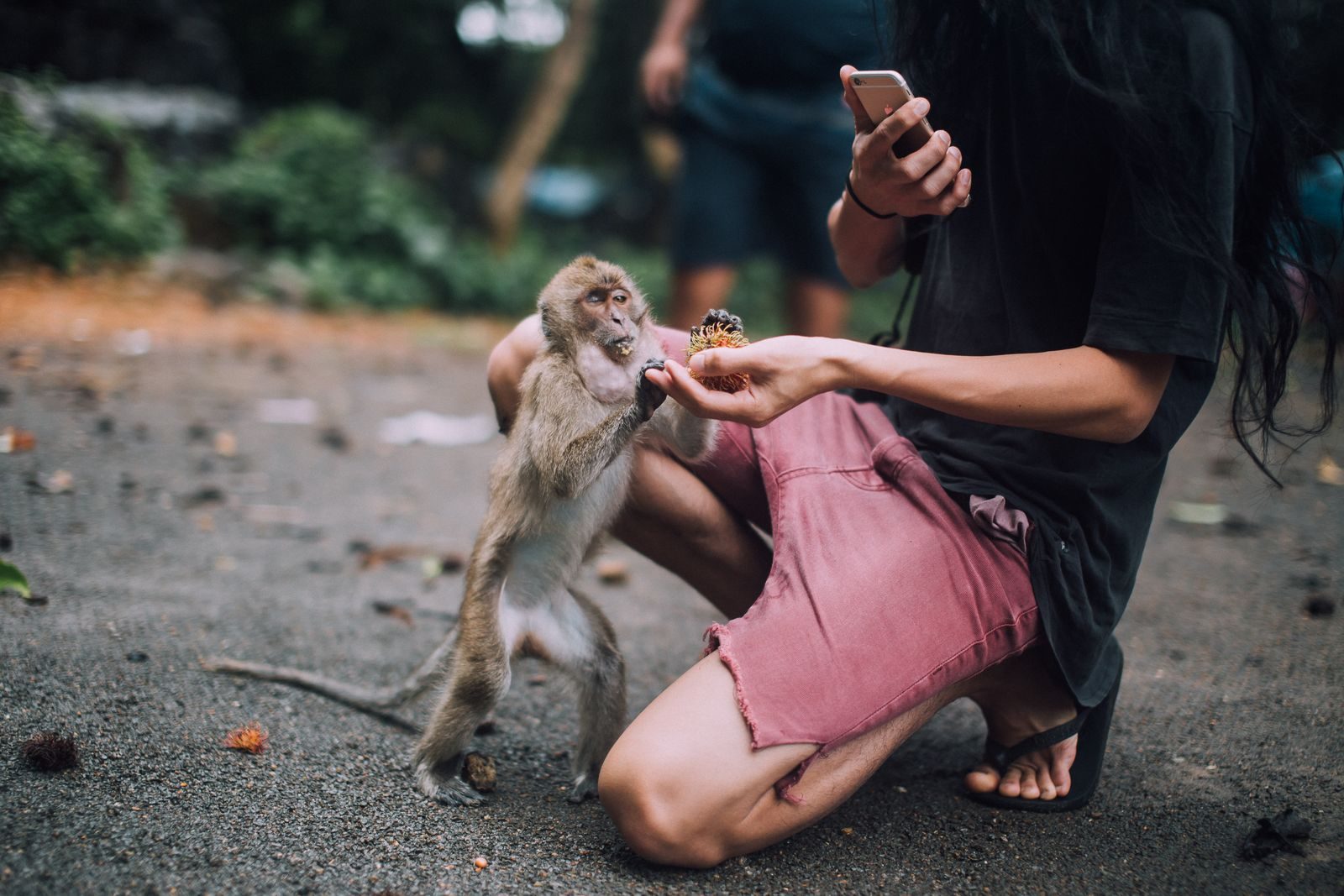
For many travelers, spotting monkeys in the wild is an exciting part of the adventure. However, in some popular tourist destinations, these clever primates have developed a reputation for stealing snacks, grabbing personal belongings, and even holding items “hostage” until they receive food.
Videos of monkeys running off with smartphones, cameras, sunglasses, and bags regularly go viral online, leaving many people wondering why these animals behave this way. The answer lies in their intelligence, adaptability, and the growing association between humans and food.
Long-Tailed Macaques: Experts at Stealing Food
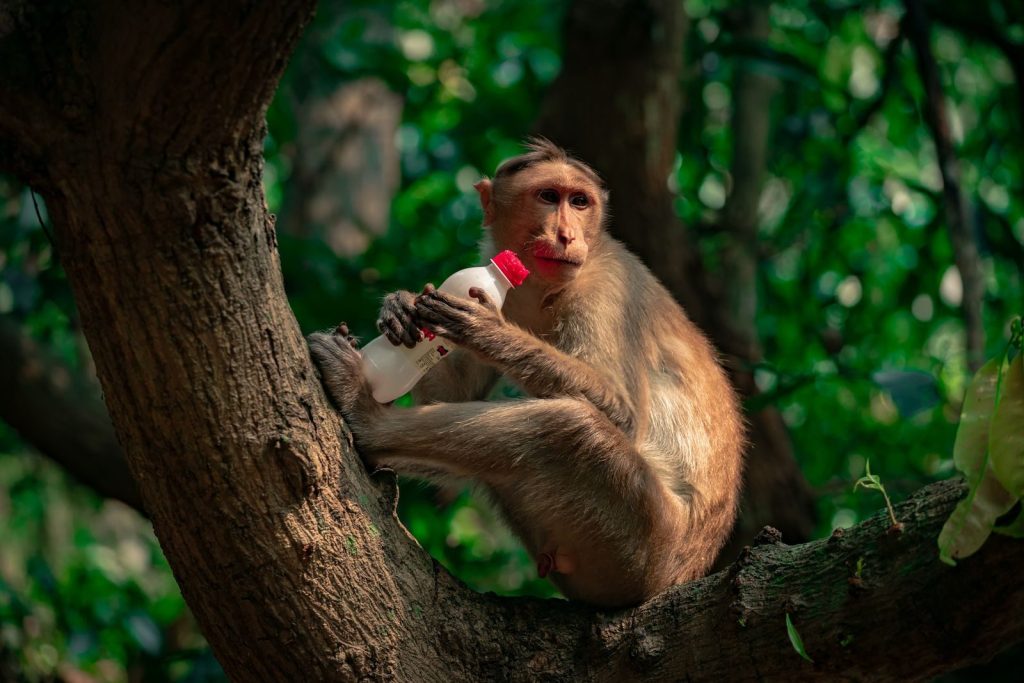
Long-tailed macaques are among the most notorious monkey species when it comes to stealing snacks from tourists. Years of exposure to visitors carrying food have taught these monkeys that people often represent an easy meal.
Instead of spending hours searching for fruit, seeds, or insects, they can simply snatch a snack from an unsuspecting tourist. This learned behavior has become so common in some areas that monkeys actively watch visitors for opportunities to grab food.
Macaques and the “Trade System” for Stolen Items
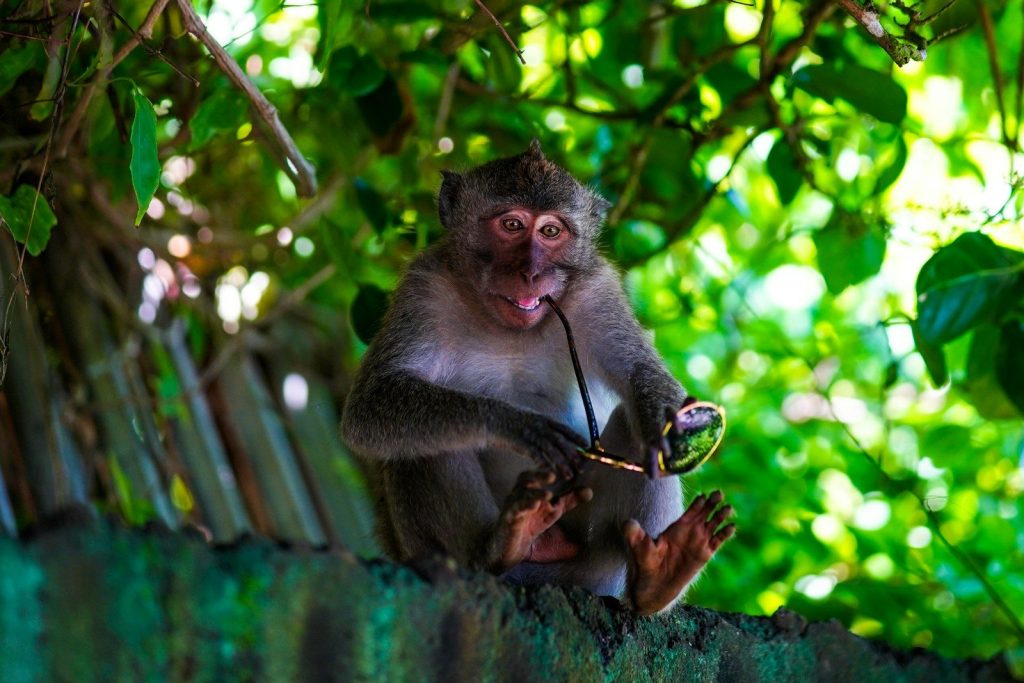
In several tourist hotspots, macaques have developed an unusual behavior known as “bartering.” After stealing valuable items such as phones, cameras, sunglasses, or wallets, they often refuse to give them back immediately.
Instead, they wait until someone offers food in exchange. Researchers believe monkeys learn this behavior through observation, watching other group members successfully exchange stolen objects for treats. Over time, this creates a monkey-made economy where stolen items become bargaining chips.
Why Phones and Cameras Are Prime Targets
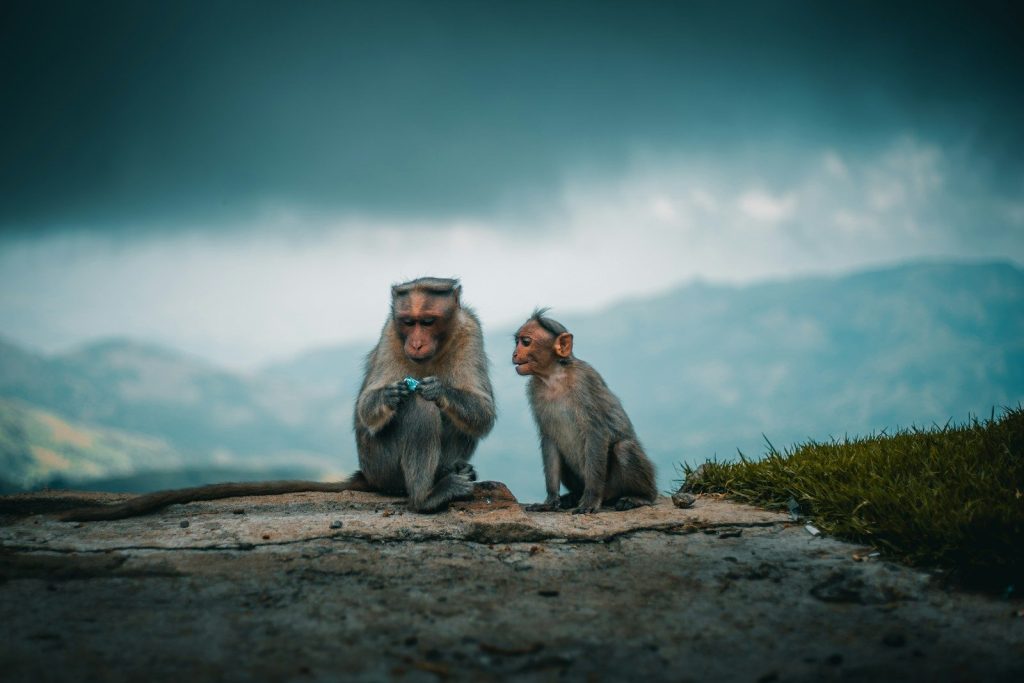
Monkeys do not steal phones and cameras because they understand their value to humans. Instead, they quickly learn that certain objects generate strong reactions from people. When a tourist becomes anxious after losing a phone or camera, the monkey realizes the item is important.
Since these objects often lead to food rewards during recovery attempts, monkeys become more likely to target them repeatedly. Bright colors, dangling straps, and frequent handling also make electronics especially attractive targets.
Human Food Has Changed Monkey Behavior
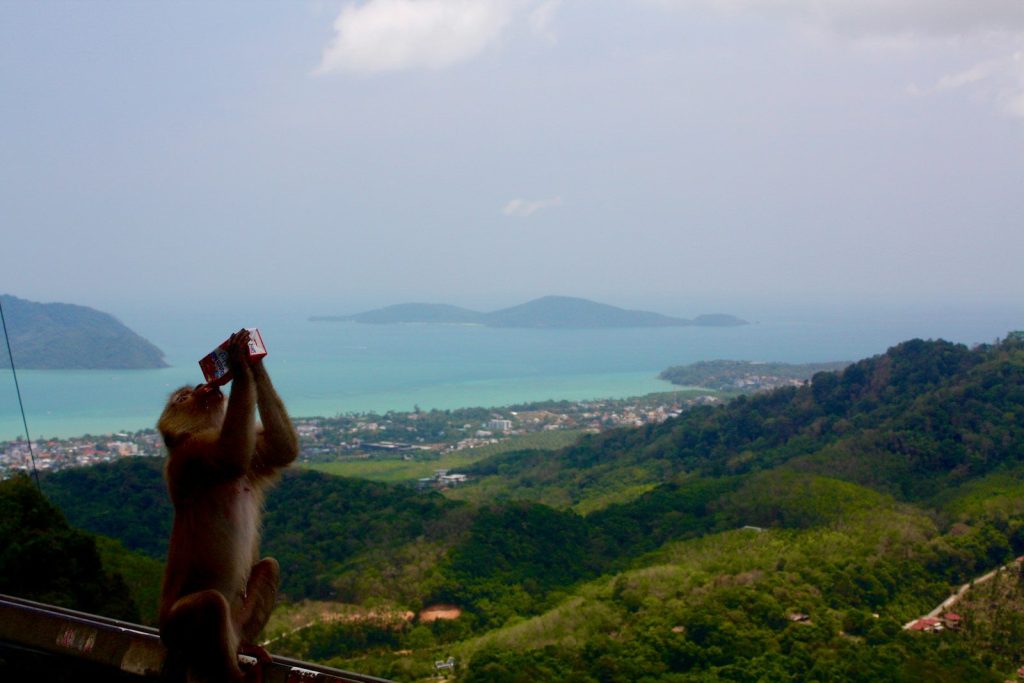
The root cause of most monkey theft is access to human food. Feeding wildlife may seem harmless, but it can dramatically alter animal behavior. Once monkeys learn that tourists carry high-calorie snacks, they begin seeking opportunities to obtain them.
This dependence on human food reduces their natural fear of people and encourages increasingly bold behavior. In some locations, entire monkey groups have become experts at targeting visitors for food.
Why Some Monkeys Become Aggressive
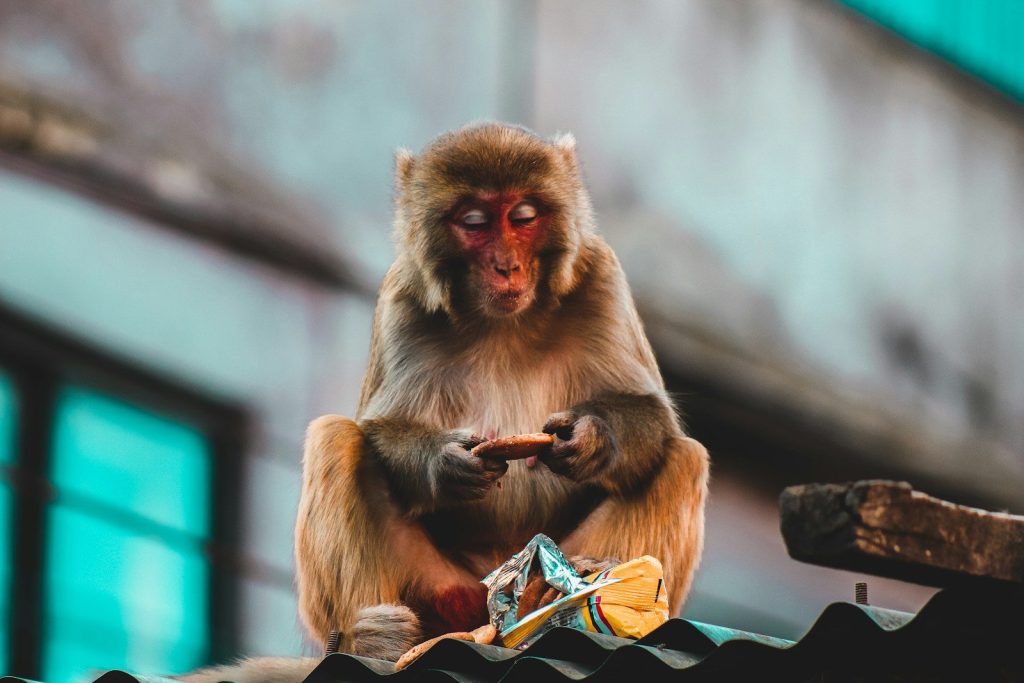
When monkeys expect food but do not receive it, conflicts can occur. Animals that have become accustomed to handouts may react aggressively when their expectations are not met.
This can include chasing tourists, grabbing bags, pulling on clothing, or attempting to steal belongings. While these actions may appear malicious, they are often the result of learned associations between humans, food, and rewards rather than natural aggression.
How Tourists Can Avoid Becoming Targets
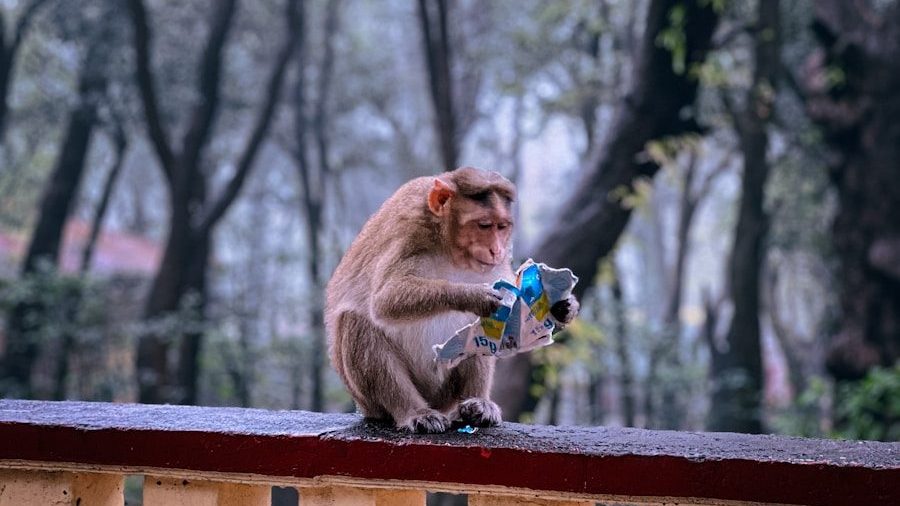
The best way to avoid monkey-related incidents is to remove the reward that encourages the behavior. Food should be kept out of sight whenever possible, and visitors should avoid feeding monkeys under any circumstances.
Phones, cameras, and other valuables should be securely stored when near wildlife. Maintaining a safe distance and avoiding direct interaction helps reduce the likelihood of theft or aggressive encounters. When monkeys are not rewarded for stealing, they are less likely to repeat the behavior.