Pollution is one of the greatest threats facing wildlife today. As human populations grow and industries expand, increasing amounts of waste, chemicals, and greenhouse gases are released into the environment.
These pollutants contaminate air, water, and soil, disrupting ecosystems that animals depend on for survival. From toxic chemicals affecting reproduction to plastic waste choking marine life, pollution is driving biodiversity loss and placing countless species at risk. Understanding these impacts is essential for protecting wildlife and preserving healthy ecosystems for future generations.
Water Pollution and Its Impact on Aquatic Animals
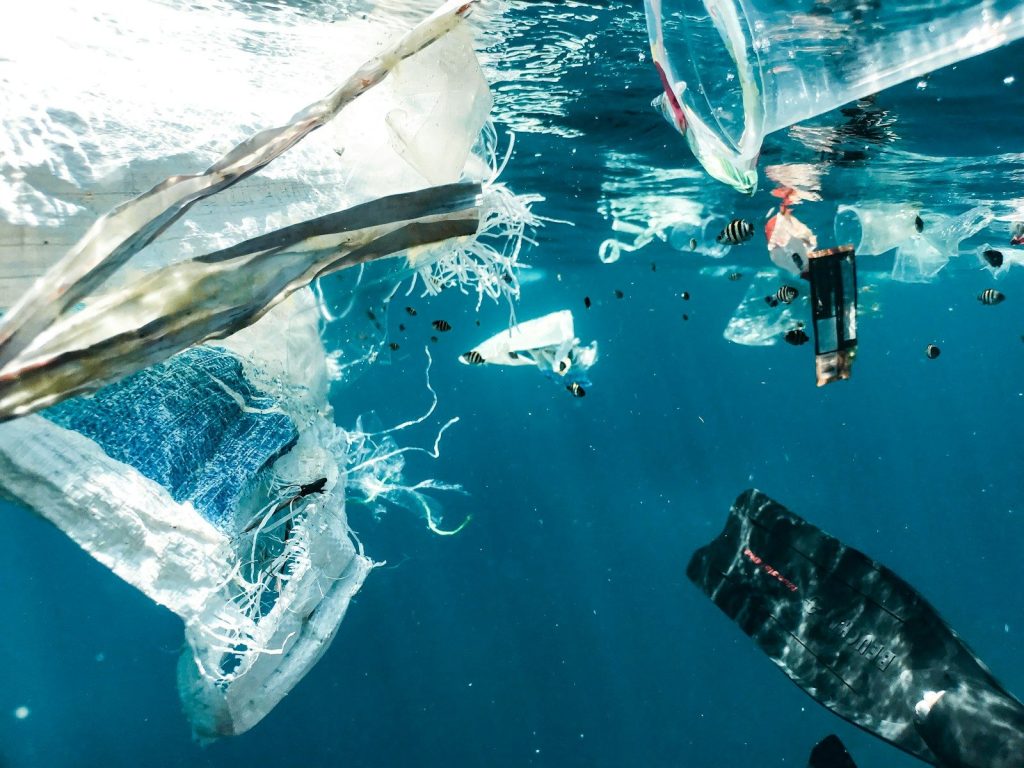
Water pollution is one of the most visible forms of environmental damage affecting wildlife. Industrial waste, agricultural runoff, sewage, and chemical contaminants enter rivers, lakes, and oceans, degrading water quality and harming aquatic species.
Polluted water can reduce oxygen levels, spread disease, and introduce toxic substances into food chains. Fish, amphibians, and aquatic invertebrates are particularly vulnerable, often experiencing population declines as their habitats become increasingly contaminated.
Chemical Pollution and Wildlife Health
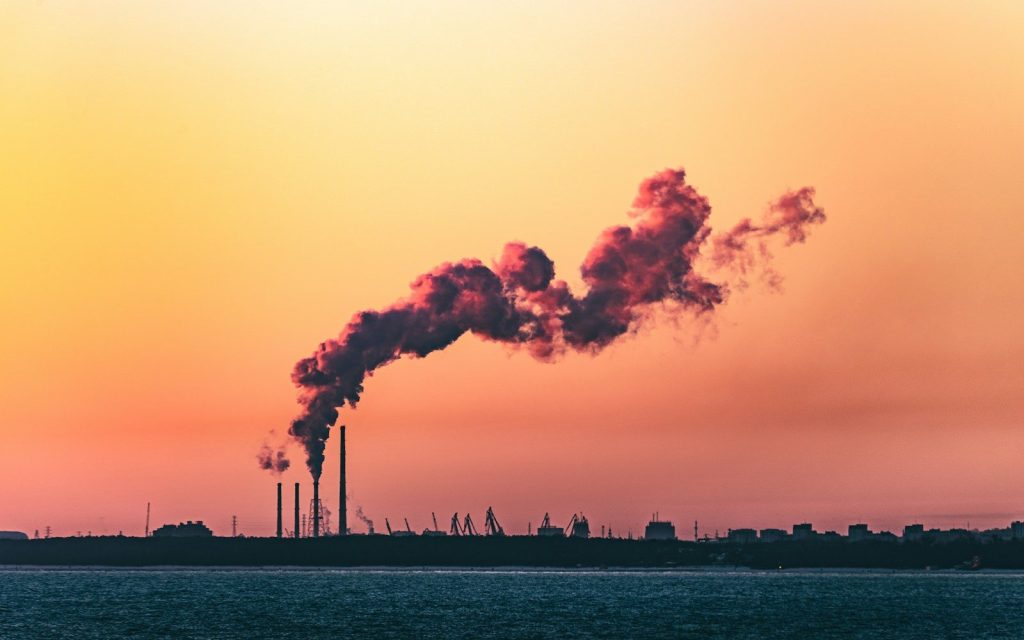
Many chemicals released into the environment can have serious consequences for animal health. Pesticides, herbicides, fertilizers, and industrial compounds often accumulate in ecosystems and enter the bodies of wildlife through food and water.
These substances can disrupt hormone systems, cause birth defects, impair reproduction, weaken immune systems, and shorten lifespans. Over time, chemical pollution can reduce population numbers and threaten the survival of entire species.
Air Pollution, Acid Rain, and Habitat Damage
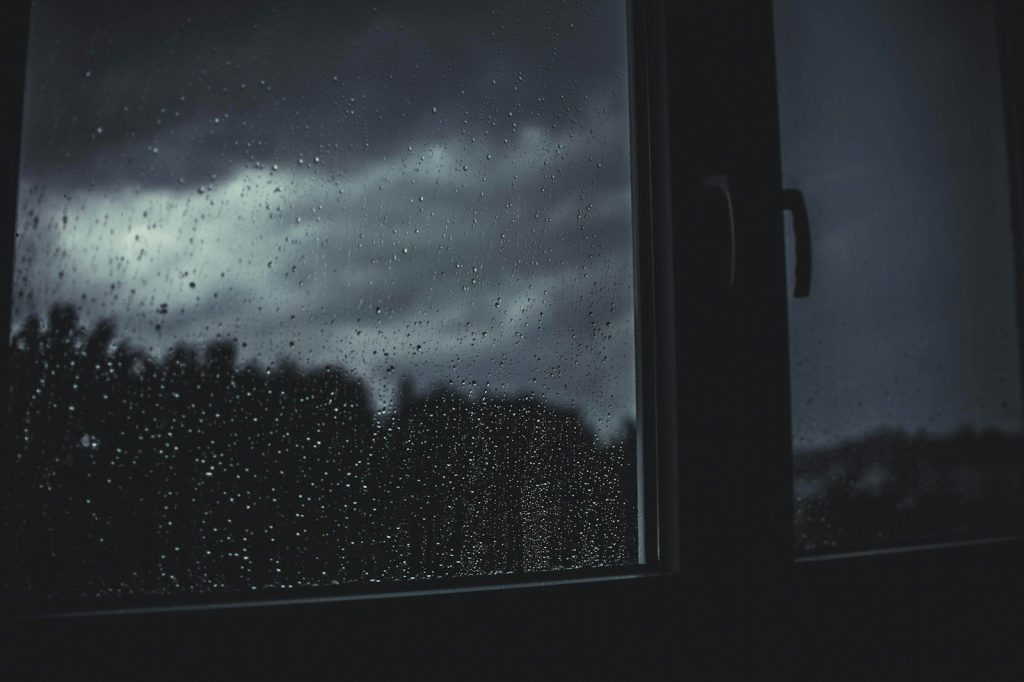
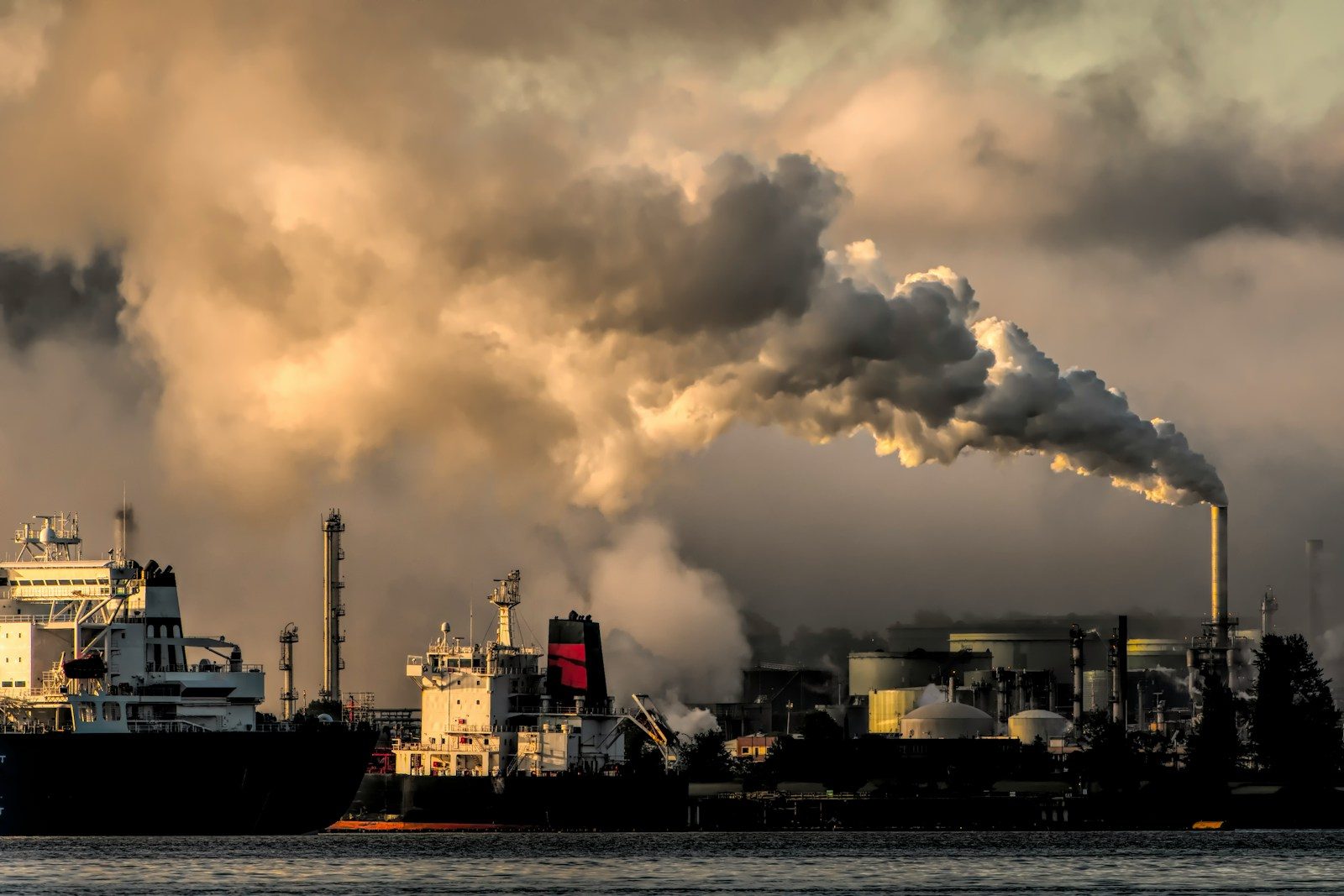
Air pollution affects animals both directly and indirectly. Emissions from vehicles, factories, and power plants release harmful gases into the atmosphere, contributing to the formation of acid rain.
Acid rain alters the chemistry of lakes, rivers, and soils, making them unsuitable for many species. Aquatic organisms are often among the first to suffer, leading to disruptions throughout the food chain. Air pollution can also damage forests and vegetation, reducing food sources and shelter for wildlife.
Plastic Pollution and Marine Life
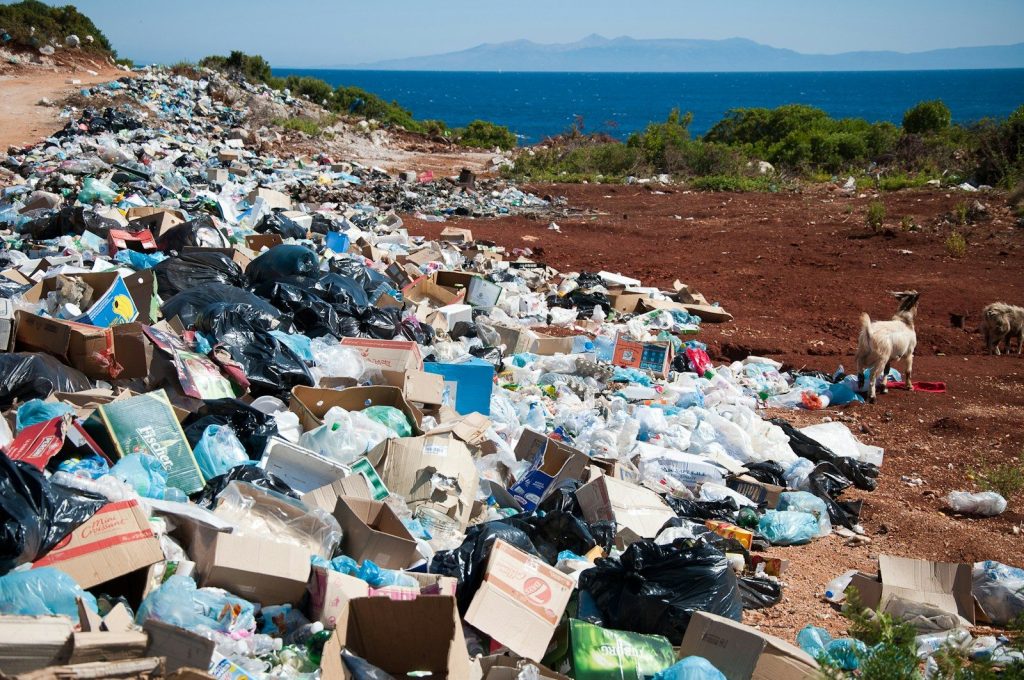
Plastic pollution has become a major environmental crisis, especially in oceans and coastal ecosystems. Animals often mistake plastic debris for food or become entangled in discarded waste.
Ingesting plastic can cause internal injuries, starvation, and death, while entanglement can restrict movement and increase vulnerability to predators. As plastic continues to accumulate in marine environments, it poses a growing threat to countless species and the ecosystems they inhabit.
Climate Change and Wildlife Survival
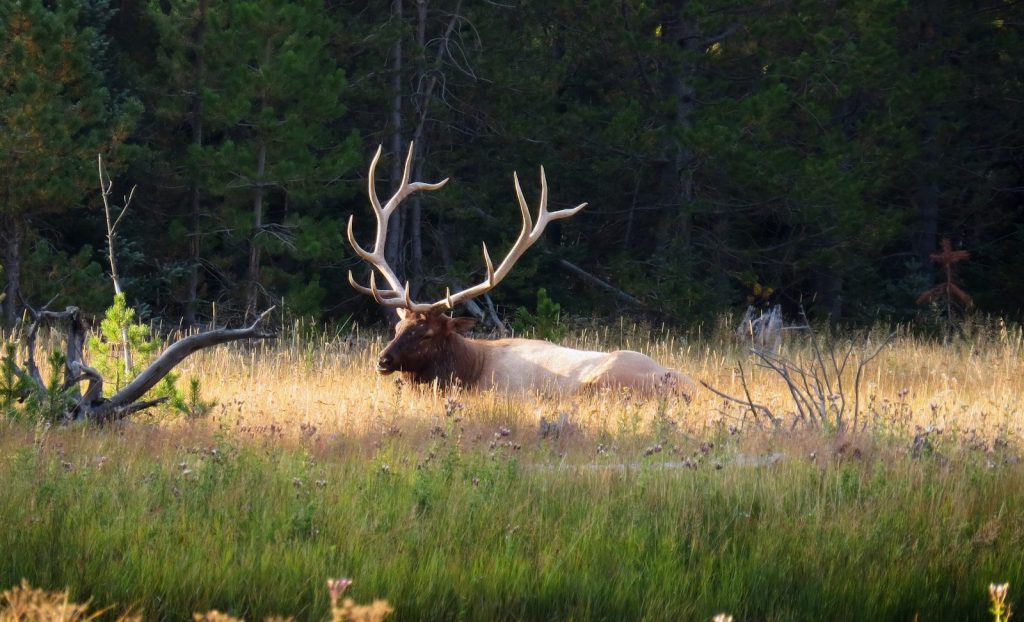
Pollution plays a significant role in climate change through the release of greenhouse gases such as carbon dioxide and methane. Rising global temperatures are altering habitats, shifting migration patterns, and affecting breeding cycles.
Melting ice caps, rising sea levels, droughts, and extreme weather events are forcing many species to adapt rapidly or face decline. Animals that depend on specific environmental conditions are particularly vulnerable to these changes.
Ozone Depletion and Increased UV Exposure
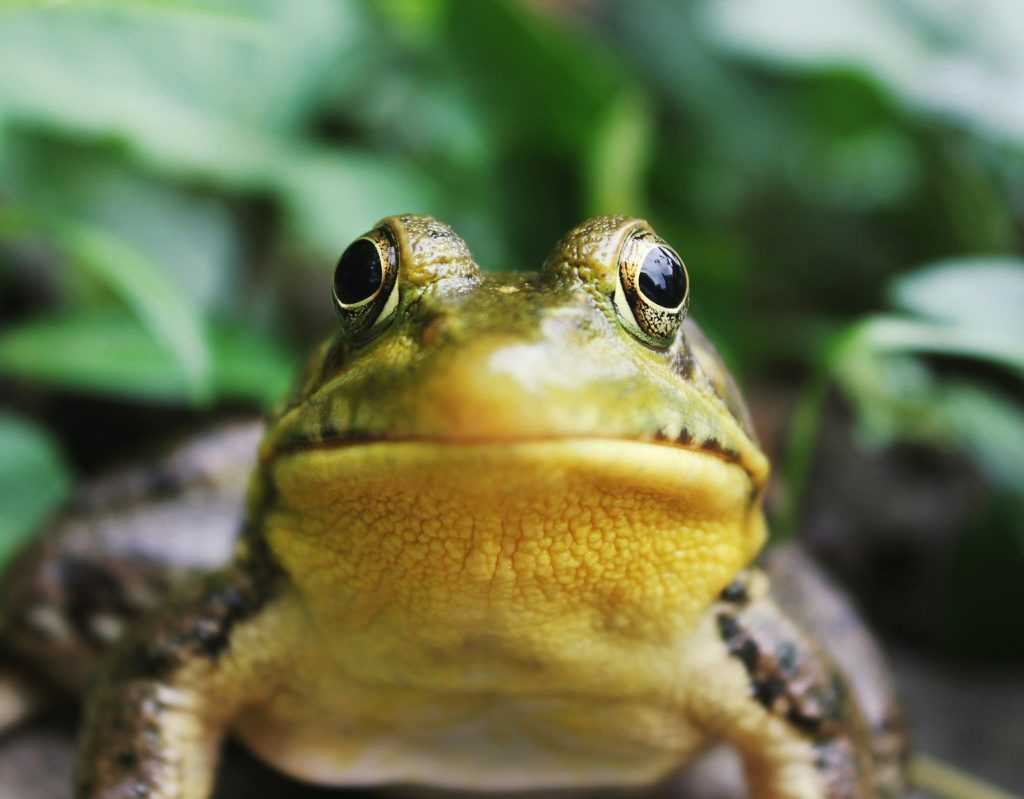
The depletion of the ozone layer has increased the amount of ultraviolet radiation reaching Earth’s surface. Excessive UV exposure can damage DNA, impair growth, and increase the risk of disease in many organisms. Wildlife, including amphibians, marine species, and terrestrial animals, may experience negative health effects as a result of prolonged exposure.
Although international efforts have helped reduce ozone-depleting substances, the issue highlights the far-reaching consequences of pollution on animal life.