When we hear the word “zombie,” we usually think of horror movies or fictional monsters. But in nature, there are real-life organisms that can control the behavior of other animals in disturbing and fascinating ways. These parasites don’t just live on or inside their hosts, they can actually alter behavior, turning animals into “zombies” that act in ways that benefit the parasite, often at the cost of the host’s survival.
Here are 9 real examples of zombie-like behavior in the natural world.
Jewel Wasps and Cockroaches
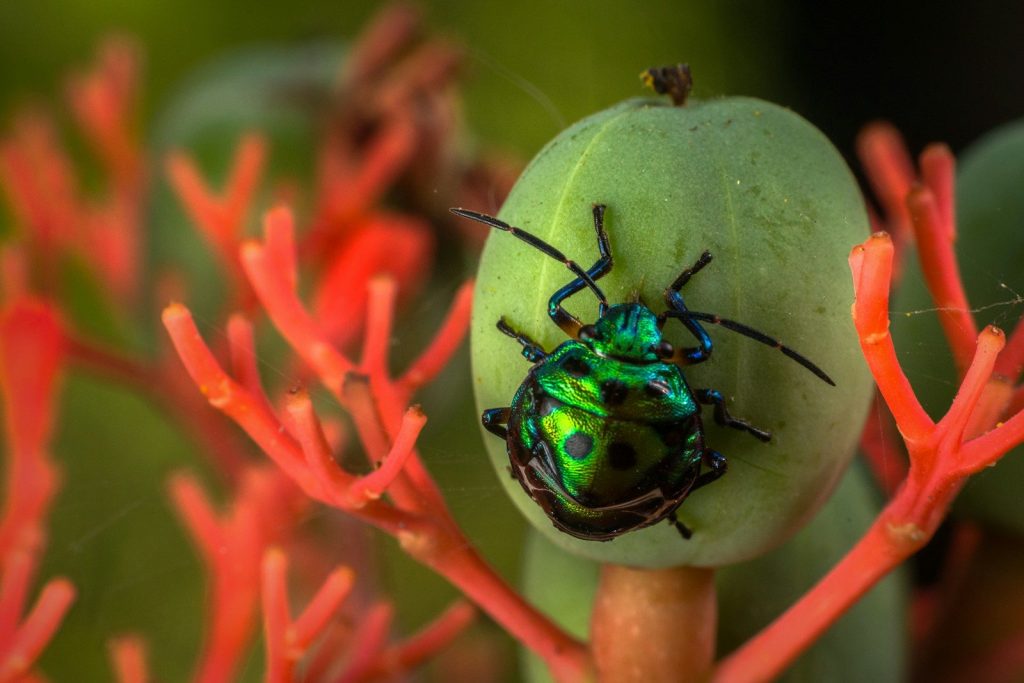
Some parasitic wasps can control cockroaches by injecting venom into their nervous system. This venom doesn’t kill the cockroach immediately but alters its behavior, making it passive and easier to control. The wasp then leads the cockroach to a burrow where it becomes a living food source for the developing larvae.
Parasitic Wasps and Spiders
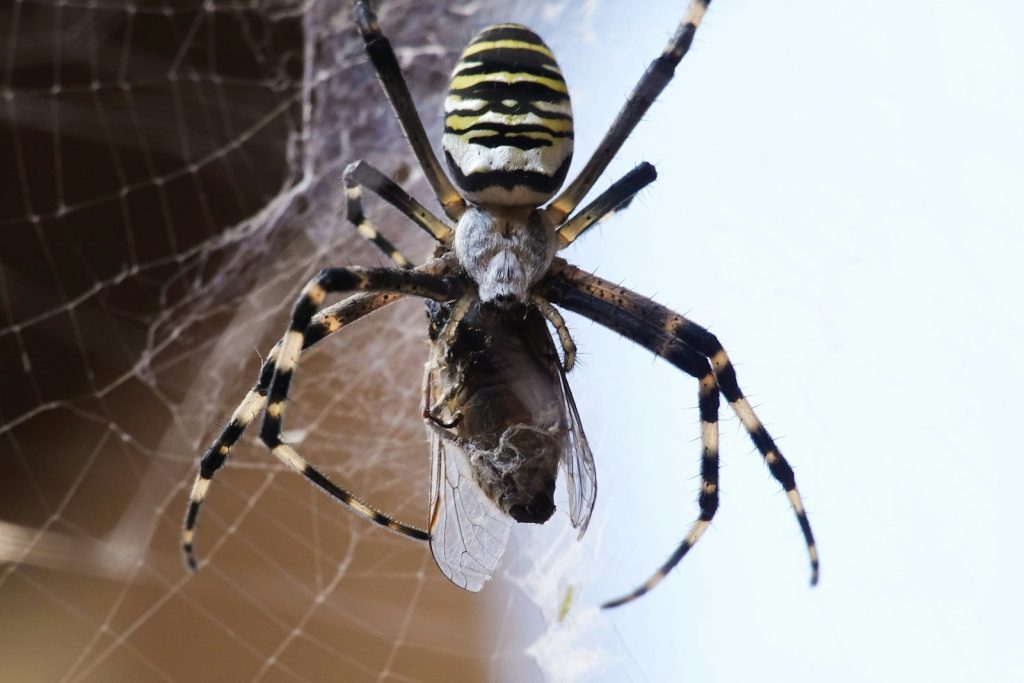
Certain wasps target spiders and manipulate their behavior after laying eggs on them. The developing larvae influence how the spider builds its web, forcing it to create a structure that is more suitable for the parasite’s survival rather than the spider’s own needs. Eventually, the spider is consumed by the parasite.
Flatworms and Fish
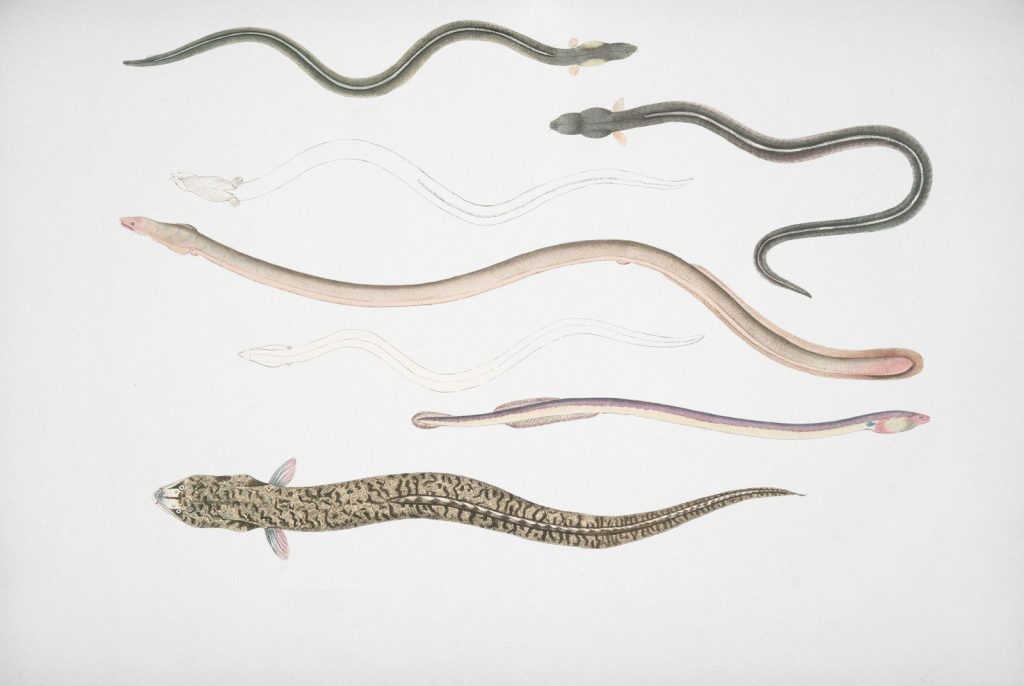
Some parasitic flatworms infect fish and alter their behavior to increase the chances of being eaten by birds. The fish begin swimming closer to the surface and behave more recklessly, making them easy targets. Once eaten by a bird, the parasite can complete its life cycle inside its final host.
Toxoplasma Gondii and Wolves
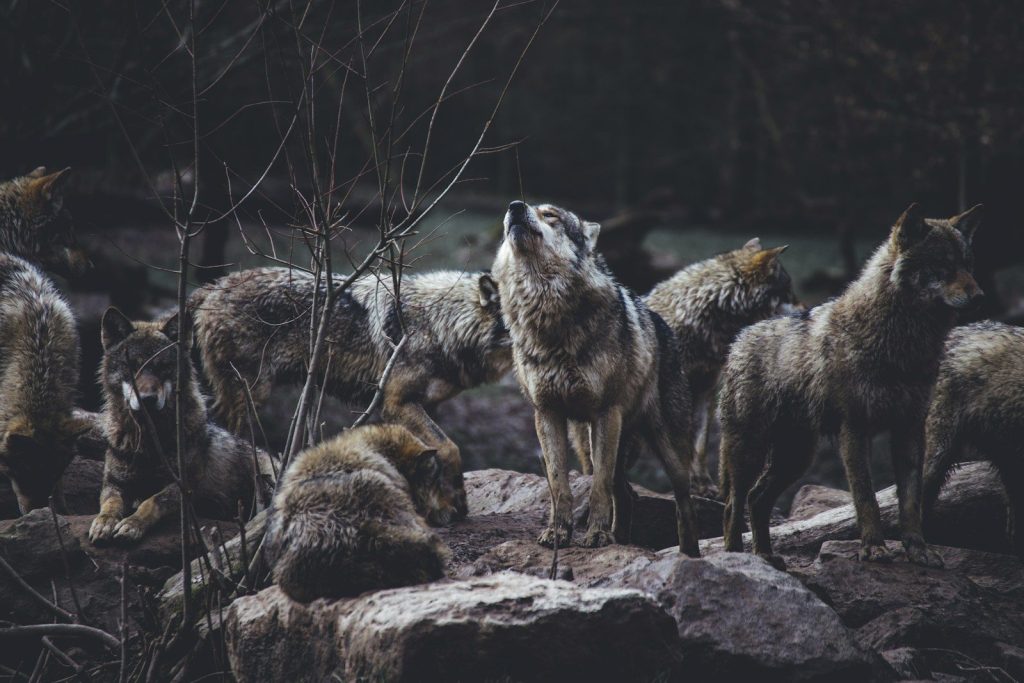
This parasite can influence the behavior of wolves, making them more likely to take risks such as leaving their pack or challenging leadership. These behaviors increase their chances of spreading the parasite through interactions with other animals in the ecosystem.
Toxoplasma Gondii and Mice
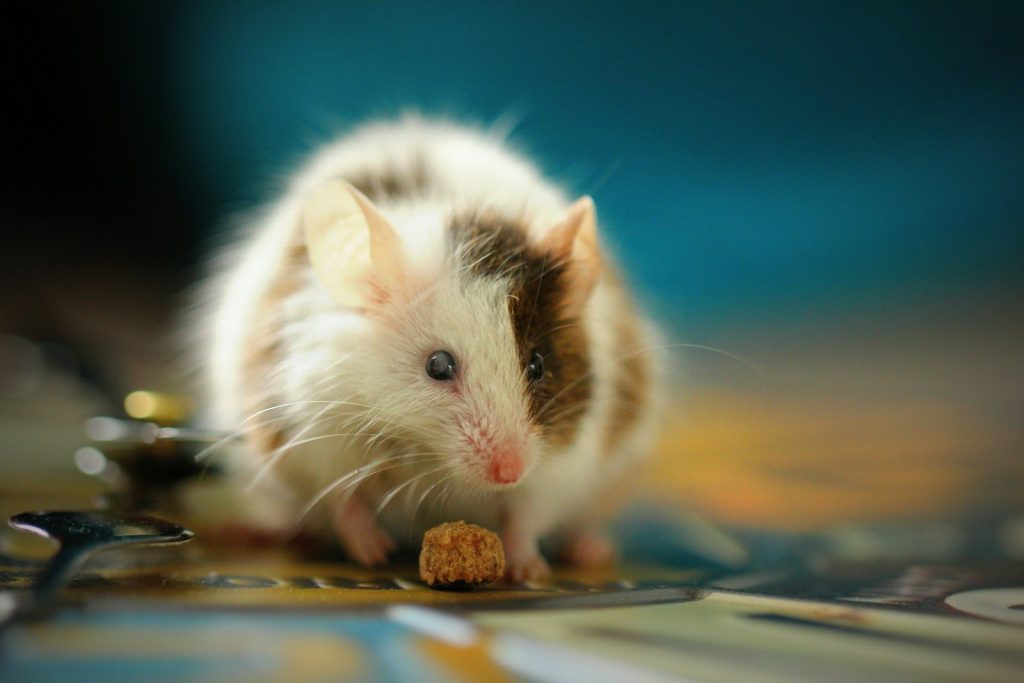
Infected mice lose their natural fear of cats and may even become attracted to cat urine, which normally repels them. This drastically increases the chances of the mouse being caught and eaten by a cat, allowing the parasite to reproduce inside its final host.
Fungi and Ants
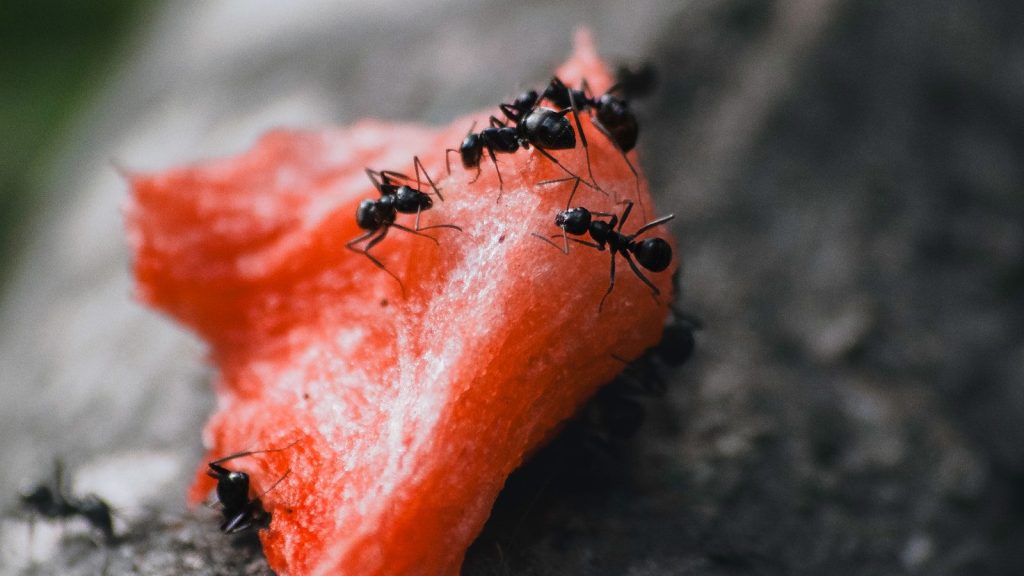
Certain fungi infect ants and take control of their behavior. The infected ant leaves its colony and climbs to a high point, where the fungus eventually kills it and releases spores. This elevated position helps the fungus spread more effectively to new hosts.
Fungi and Cicadas
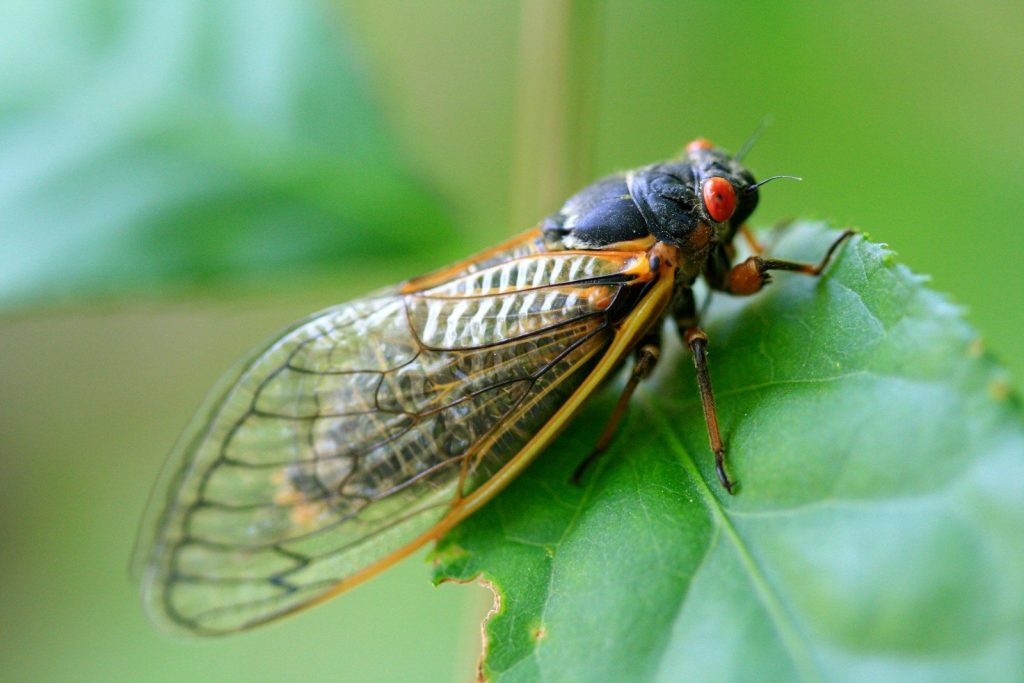
A parasitic fungus infects cicadas and alters both their appearance and behavior. It produces spores that replace parts of the insect’s body and can increase mating behavior, which helps spread the infection to other cicadas.
Fungi and Frogs
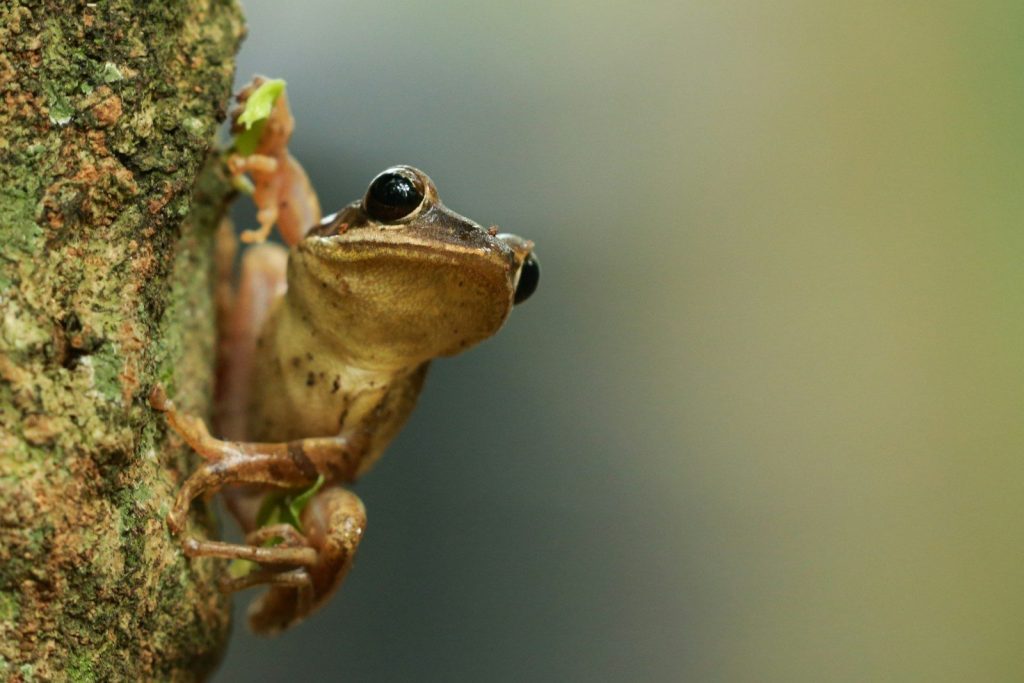
Some fungal infections can affect frogs by changing their mating behavior. Infected frogs may call more frequently or intensely, increasing their chances of reproduction. This also helps the fungus spread more effectively through populations.
Barnacles and Crabs
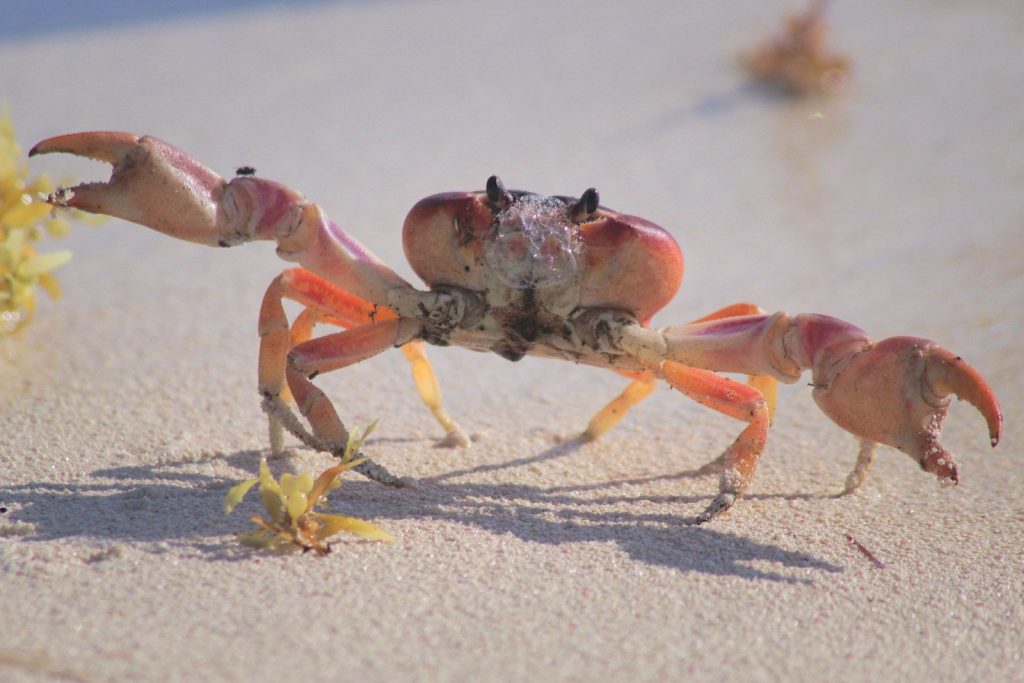
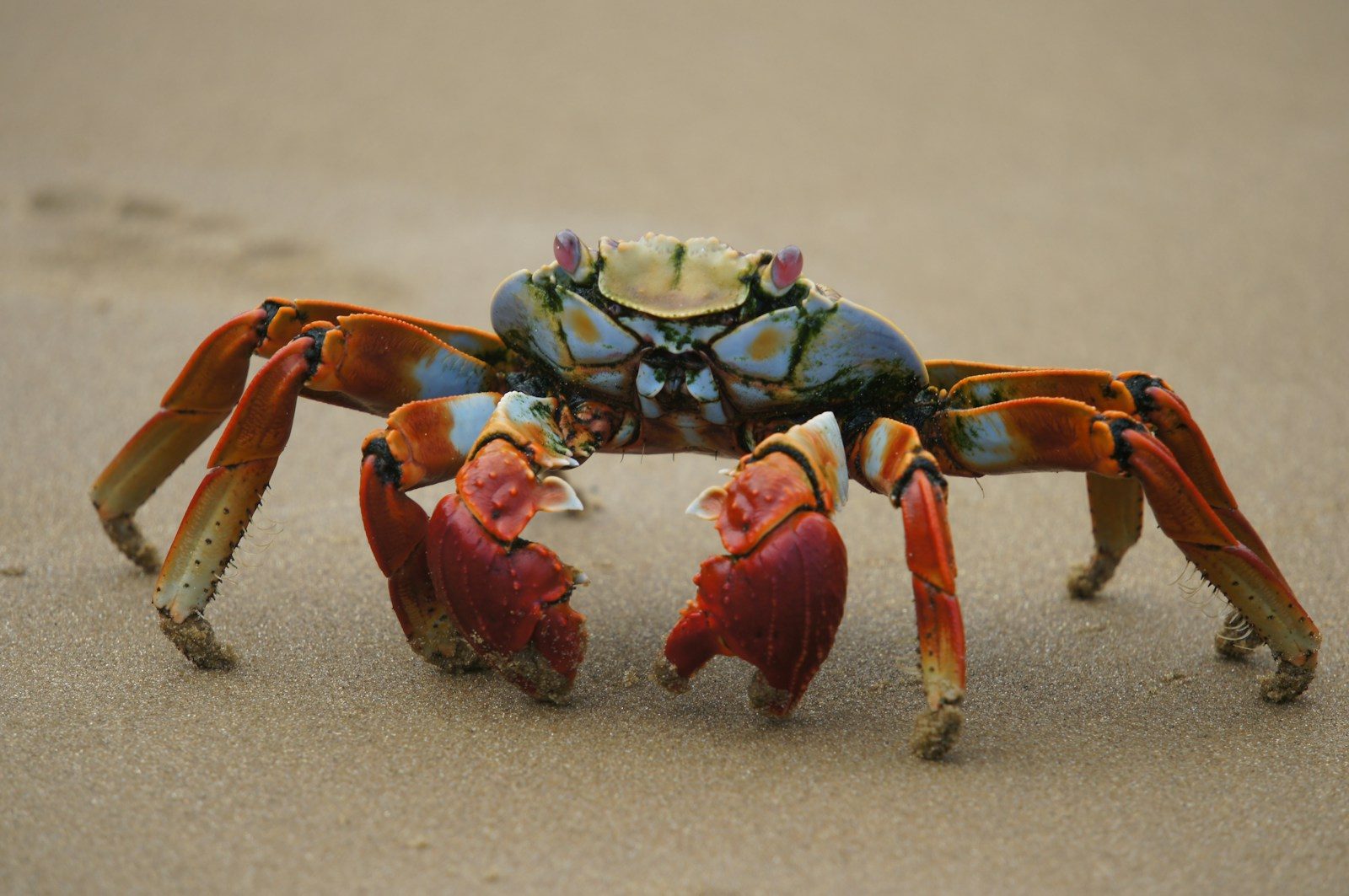
A parasitic barnacle can take over a crab’s body and manipulate its behavior. It suppresses the crab’s normal reproductive system and forces it to care for the parasite as if it were its own offspring, ensuring the parasite receives protection and nutrients.