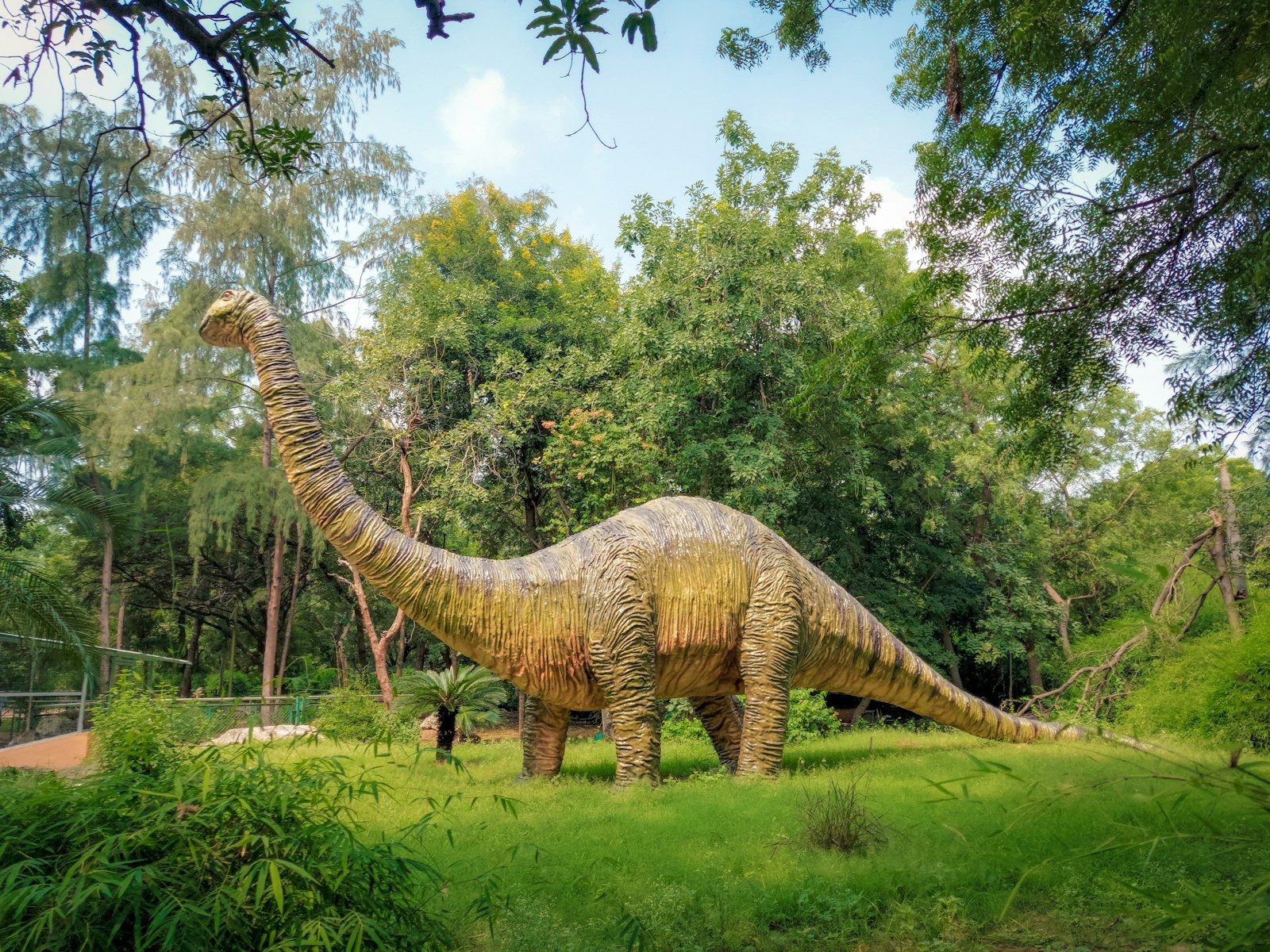
Dinosaurs went extinct about 66 million years ago, but many of their biological features still exist in modern animals. The most important scientific discovery in this field is that birds are direct descendants of theropod dinosaurs. This means dinosaurs are not completely gone; instead, they continue in evolved forms. By studying living animals, we can clearly identify traits that originated in dinosaurs and still survive today.
Feathers and modern birds
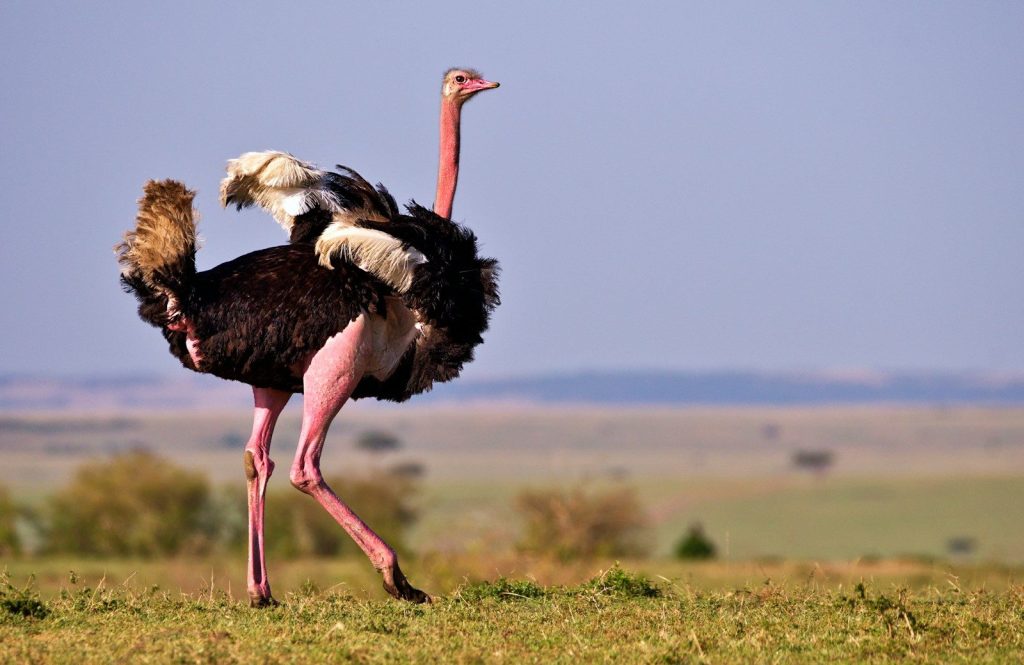
Feathers are one of the strongest links between dinosaurs and modern animals. Many theropod dinosaurs had feathers that were used for insulation, display, and in some cases flight. Over time, these feathered dinosaurs evolved into birds. Today, all birds still carry this ancient feature, including species that cannot fly, showing that feathers are a deeply rooted dinosaur trait.
Egg-laying reproduction
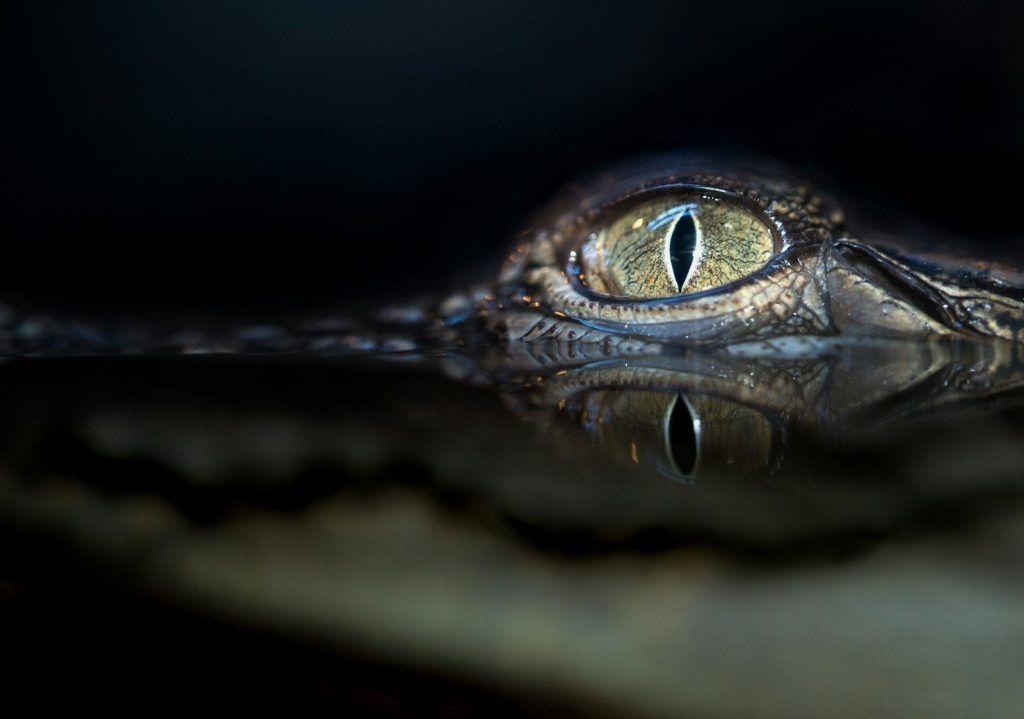
All dinosaurs reproduced by laying eggs, and this reproductive strategy continues in many modern animals. Birds still lay eggs, and so do reptiles such as crocodiles and sea turtles. Egg-laying is one of the oldest and most successful reproductive methods in vertebrate evolution, and it has remained largely unchanged for millions of years.
Hollow bones and lightweight skeletons
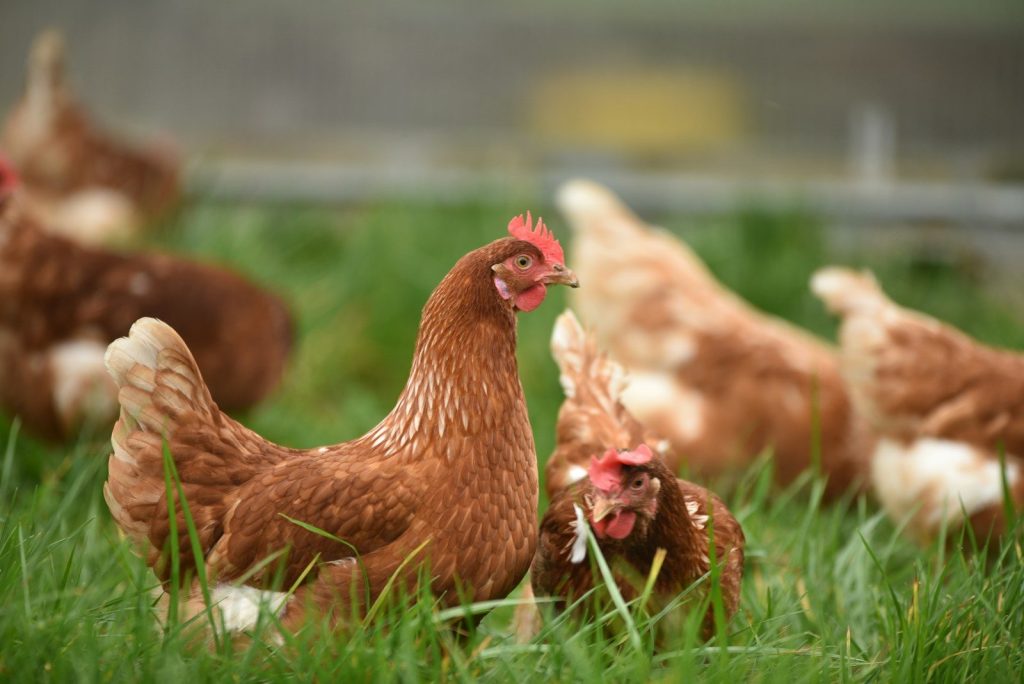
Many dinosaurs had hollow, air-filled bones that reduced body weight and improved movement efficiency. This adaptation helped large dinosaurs stay agile and supported fast movement in smaller species. Modern birds inherited this feature, which is essential for flight and also benefits large ground-dwelling birds by making their bodies lighter and more efficient.
Three-toed limbs and upright walking posture
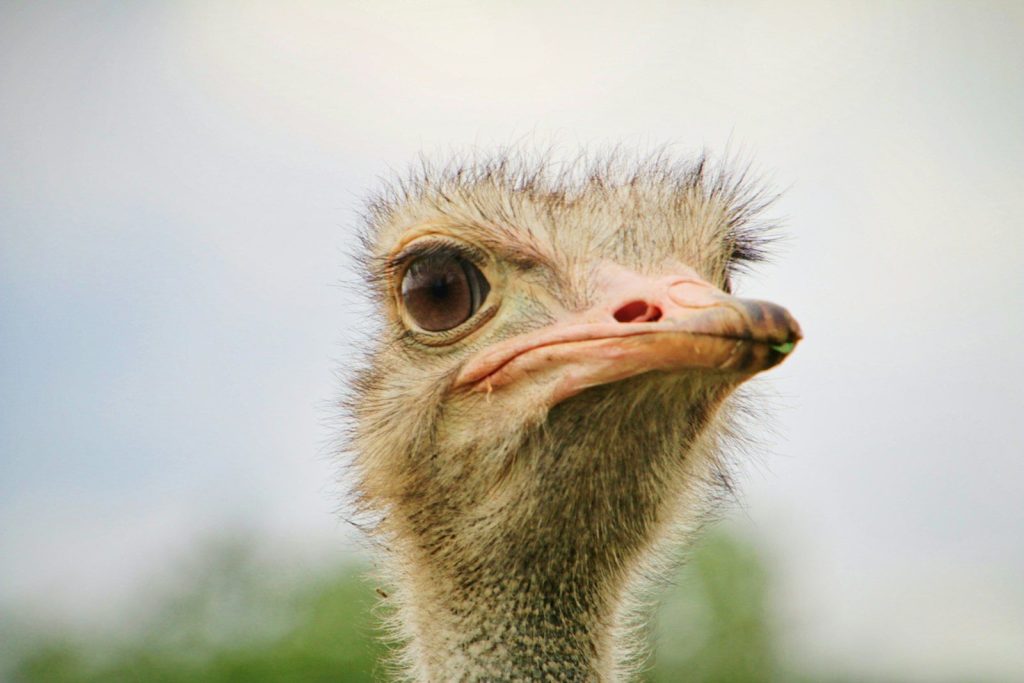
A key dinosaur feature, especially in theropods, was walking on three main toes with an upright stance. This body structure provided balance, speed, and efficient locomotion. Modern birds still display this same skeletal arrangement in their feet, making it one of the most visible and direct anatomical connections to their dinosaur ancestors.
Advanced breathing system
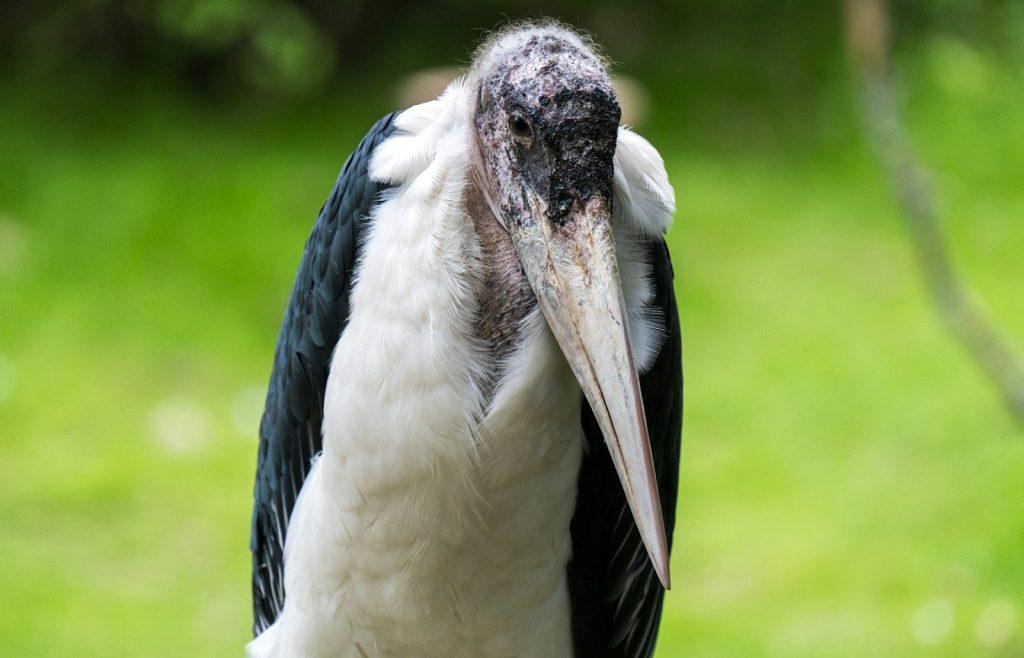
Some dinosaurs had a highly efficient respiratory system that included air sacs connected to their lungs. This system allowed continuous airflow and supported high energy activity levels. Modern birds still use this advanced breathing structure, which enables their high metabolism, endurance, and in many species, the ability to fly.
Parental care and protective behavior
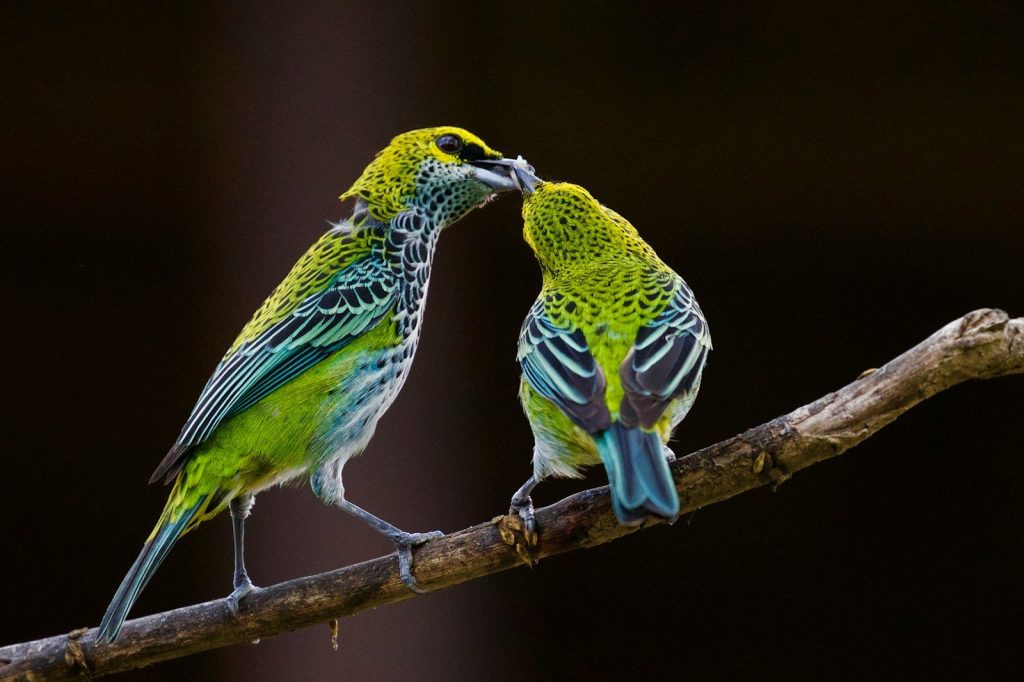
Fossil evidence suggests many dinosaurs engaged in parental care, such as guarding nests and protecting young. This behavior is still present in modern birds and crocodilians. These animals invest significant effort in protecting eggs and offspring, showing a clear behavioral link between dinosaurs and their living descendants.