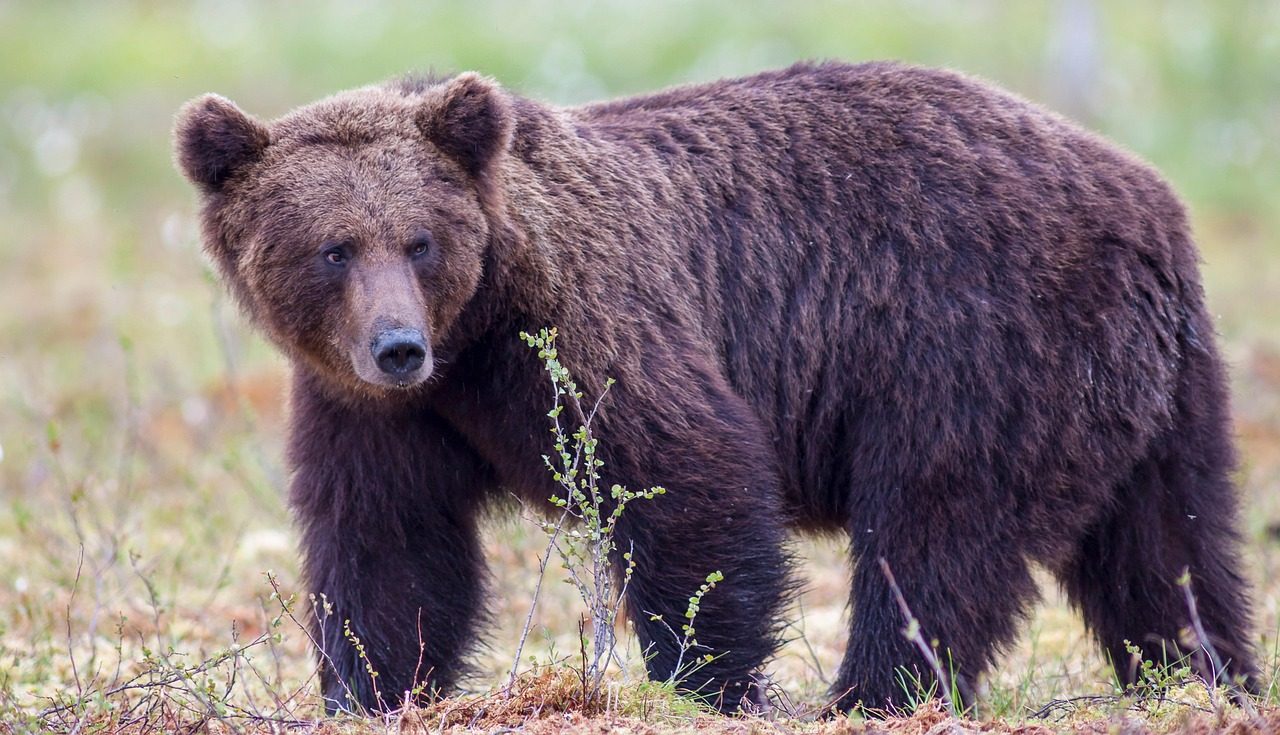
Encounters with wild bears are uncommon, but when they happen, they can unfold in seconds and leave a lasting impact on everyone involved. One of the most remarkable survival stories involves a father who put himself between a grizzly bear and his young daughter, suffering serious injuries while protecting her. His actions, along with other real-life bear encounters, highlight both the dangers of predator territory and the importance of understanding wildlife safety.
A Split-Second Decision to Protect His Child

During a family outing in Montana’s Glacier National Park in 2005, Johan Otter and his daughter Jenna unexpectedly encountered a grizzly bear. When the animal charged, Otter instinctively stepped in front of his daughter, shielding her from the attack.
The father sustained severe injuries during the encounter, but his actions helped protect his child from serious harm. His courage has since become one of the most widely remembered stories of bear survival.
Bear Encounters Can Escalate Quickly
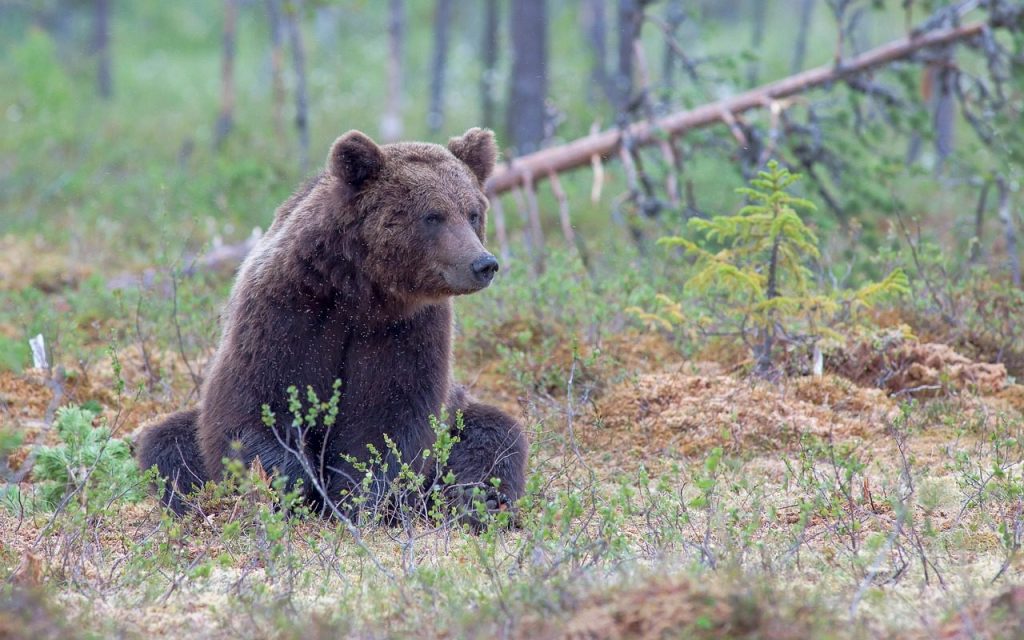
Wild bears generally avoid humans, but encounters can become dangerous if an animal feels threatened, startled, or is protecting cubs. In many cases, hikers have only moments to react when they suddenly come face to face with a bear.
Experts stress that understanding bear behavior before entering wilderness areas can significantly reduce the risk of dangerous interactions.
Preparation Can Save Lives
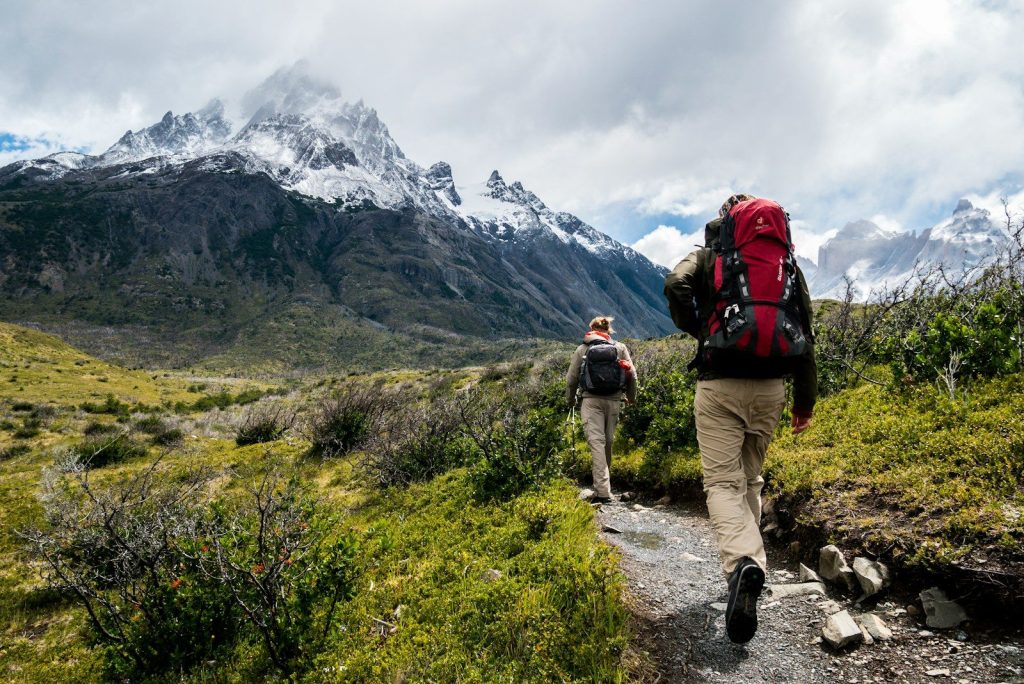
One of the most important safety tools recommended by wildlife experts is bear spray. Unlike items stored inside a backpack, bear spray should remain easily accessible at all times while hiking in bear country.
Hikers are also encouraged to make noise while traveling through wooded areas, especially around blind corners or dense vegetation where visibility is limited. Talking, singing, or clapping can help prevent surprising a bear at close range.
Different Bears Require Different Responses
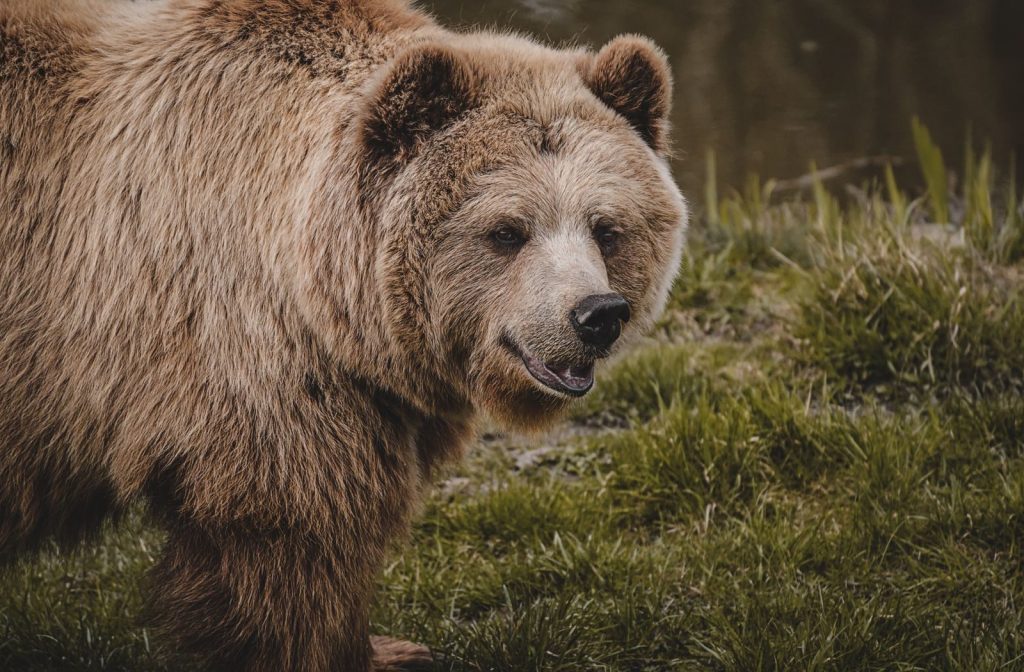
Bear safety guidelines vary depending on the species involved. During a defensive attack by a grizzly bear, experts generally recommend playing dead by lying flat on the ground and protecting the neck and head until the animal leaves the area.
Black bear attacks are much less likely to be defensive. If a black bear attacks or appears to be stalking a person, wildlife authorities typically advise fighting back aggressively and targeting sensitive areas such as the face and nose.
Respecting Wildlife Is the Best Defense
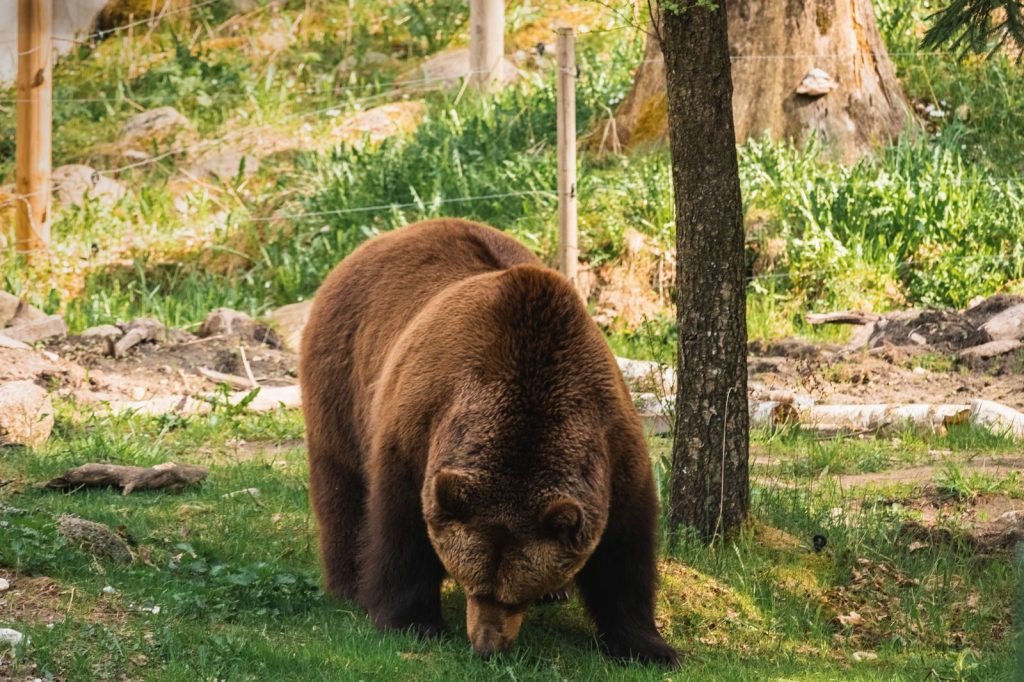
Stories like Johan Otter’s demonstrate both the strength of human courage and the unpredictable nature of wildlife encounters. While attacks remain rare, preparation, awareness, and respect for wild animals are essential for anyone exploring bear habitat.
Understanding how bears behave and following established safety guidelines can help hikers, campers, and outdoor enthusiasts enjoy nature while minimizing risk to both people and wildlife.