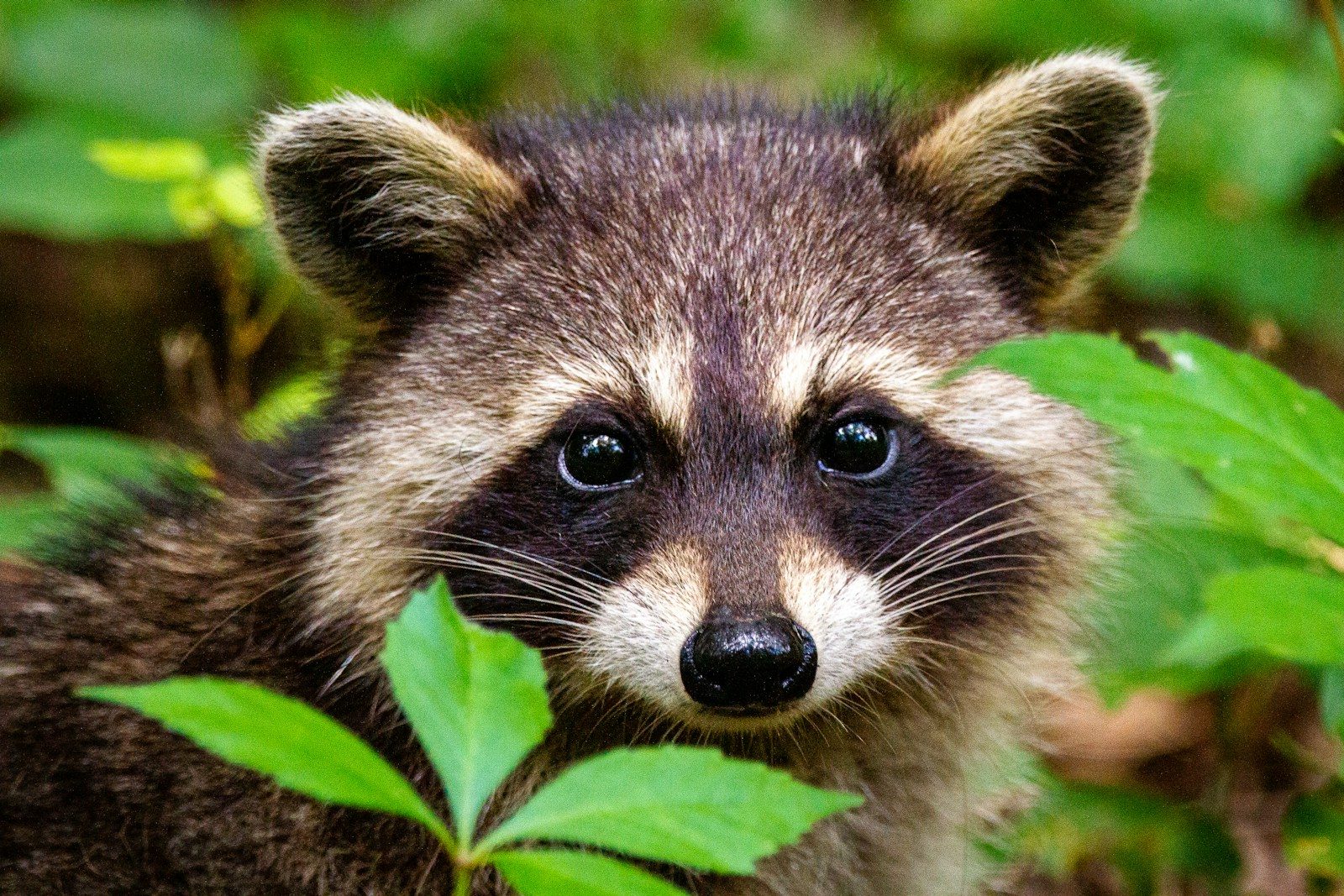
Raccoons are among the most adaptable wild animals in North America. Their intelligence, dexterous paws, and ability to thrive in forests, suburbs, and cities have helped them become incredibly successful. While raccoons are often seen as clever survivors with few natural threats, they are still an important part of the food chain and face a variety of predators throughout their lives.
Why Raccoons Need Natural Predators
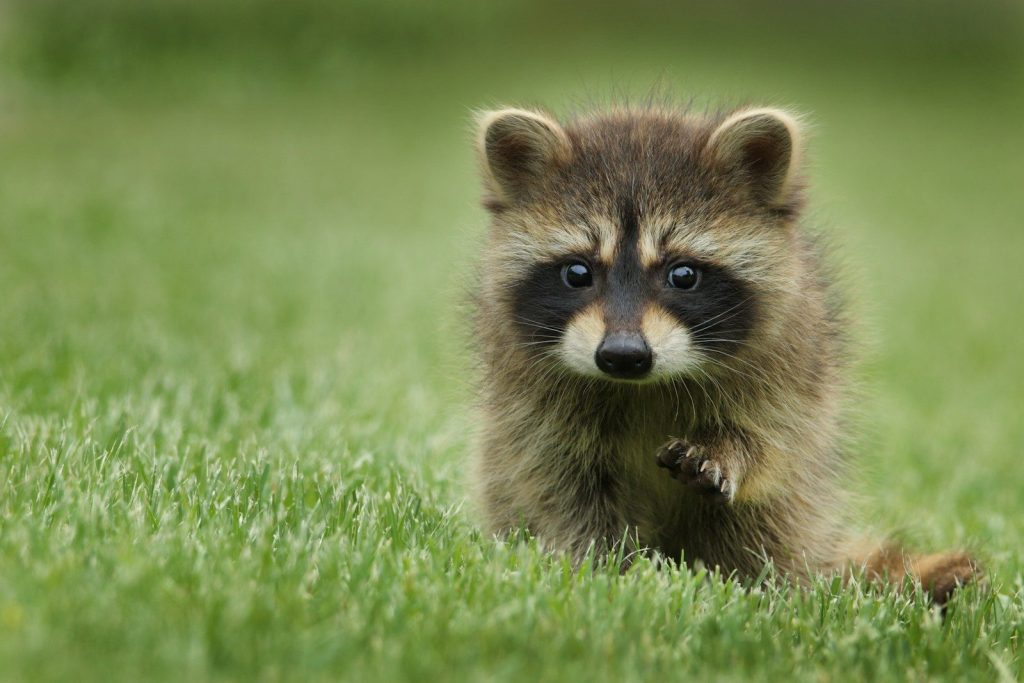
Like many wildlife species, raccoons play a role in maintaining ecological balance. Natural predators help regulate raccoon populations, preventing numbers from growing too quickly and reducing competition for food and habitat. Predation is a normal part of healthy ecosystems and helps maintain balance among different species.
Coyotes Are One of Their Biggest Threats
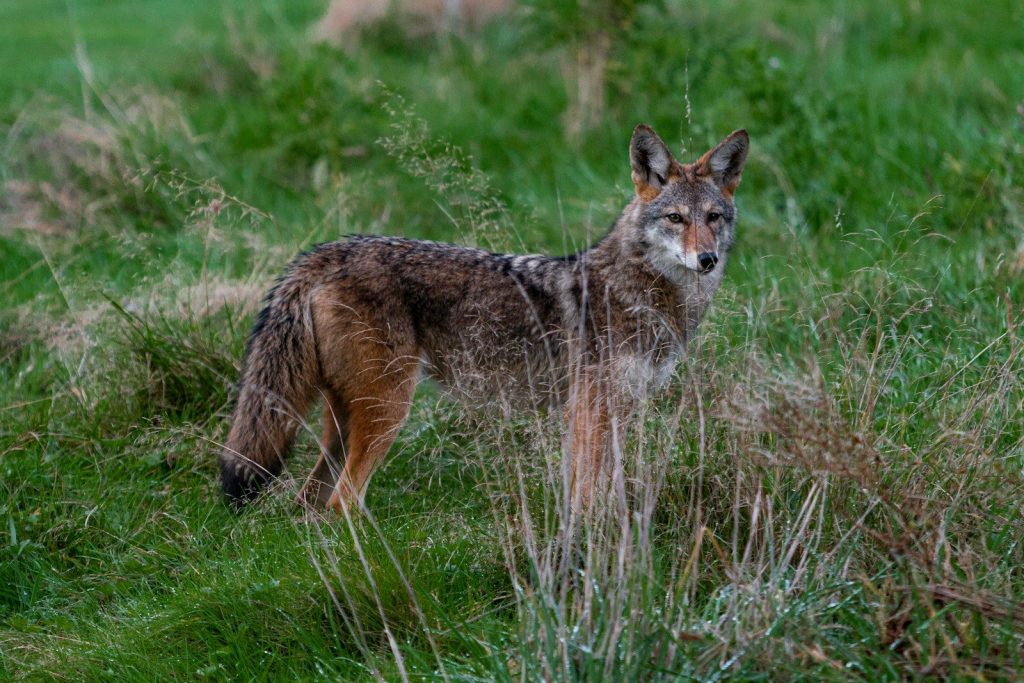
Coyotes are among the most common predators of raccoons across North America. These adaptable hunters share many of the same habitats as raccoons and often target young, injured, or vulnerable individuals. In suburban and rural areas, coyotes can have a significant impact on local raccoon populations.
Large Cats and Birds of Prey Also Hunt Raccoons
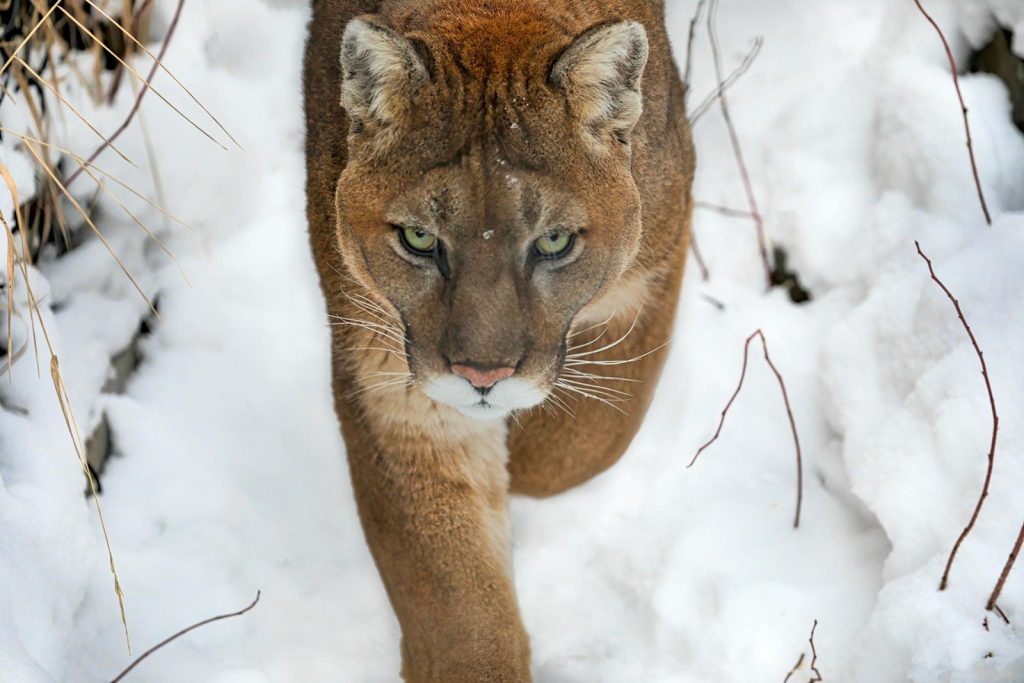
In regions where they are present, bobcats, mountain lions, and other large wild cats may prey on raccoons. Young raccoons are particularly vulnerable to attacks from powerful predators. Large birds of prey, including great horned owls and eagles, can also hunt juvenile raccoons, especially during nighttime hours when raccoons are most active.
Young Raccoons Face the Greatest Risk
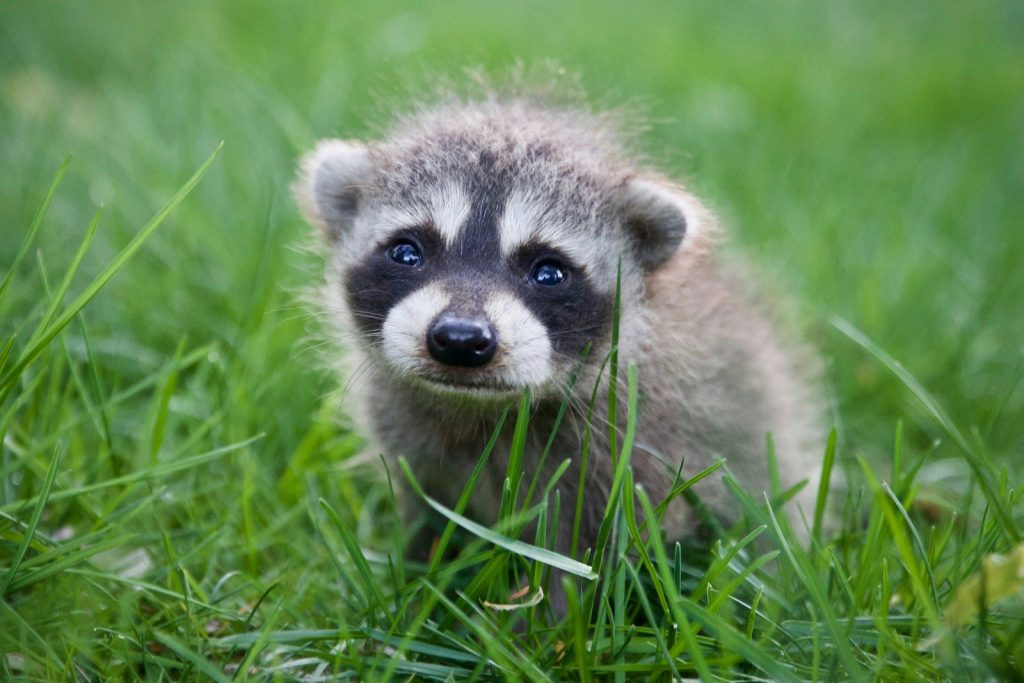
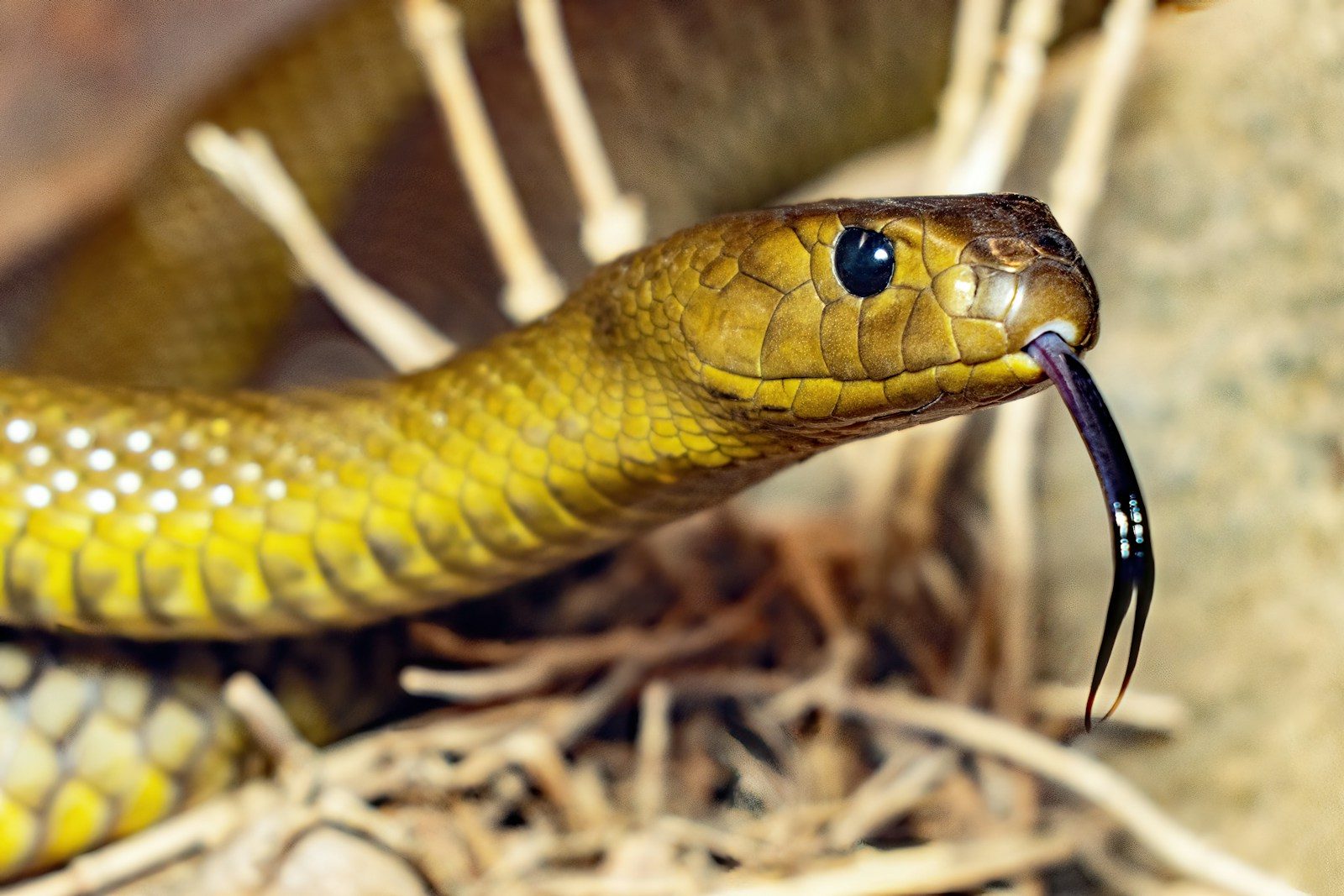
Baby raccoons, known as kits, are especially vulnerable during their first months of life. In addition to coyotes and owls, they may be targeted by foxes, large snakes, and other opportunistic predators. Many raccoon mothers spend considerable effort protecting their young and moving them to safer den sites when danger is nearby.
Survival Skills Help Raccoons Avoid Danger
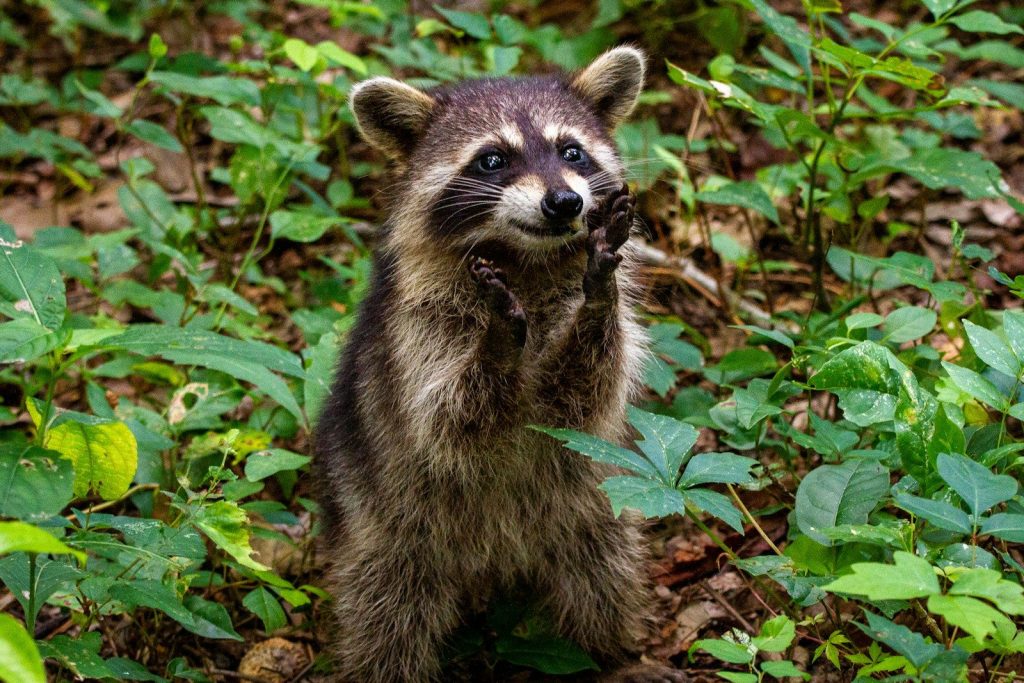
Despite facing numerous predators, raccoons have developed impressive survival strategies. They are excellent climbers, strong swimmers, and highly intelligent problem-solvers. Their ability to quickly escape into trees, hide in dens, and adapt to changing environments has helped them thrive across a wide range of habitats. While predators continue to keep raccoon populations in check, these resourceful animals remain some of the most successful wildlife species in North America.