Parrots are among the most vibrant and intelligent birds in the animal kingdom, known for their bright feathers, social behavior, and impressive ability to mimic sounds. Found mainly in tropical and subtropical regions, they include more than 350 species ranging from tiny parakeets to large macaws.
Their striking colors and playful personalities have made them popular around the world, both in the wild and as companion birds.
Why Parrots Are So Colorful
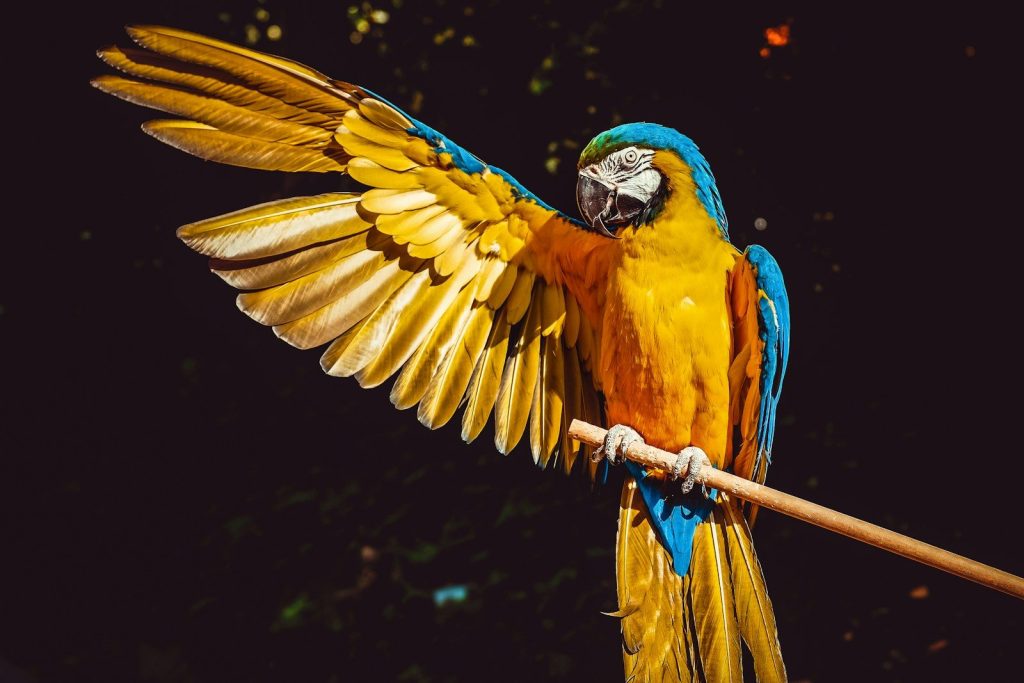
Parrots display some of the most vivid plumage in nature. Their bright feathers are linked to evolution and social behavior, often helping them attract mates and signal health and fitness.
In many species, brighter coloration can indicate stronger genetics and better overall condition. These colors also play a role in communication within flocks.
Intelligence and Communication
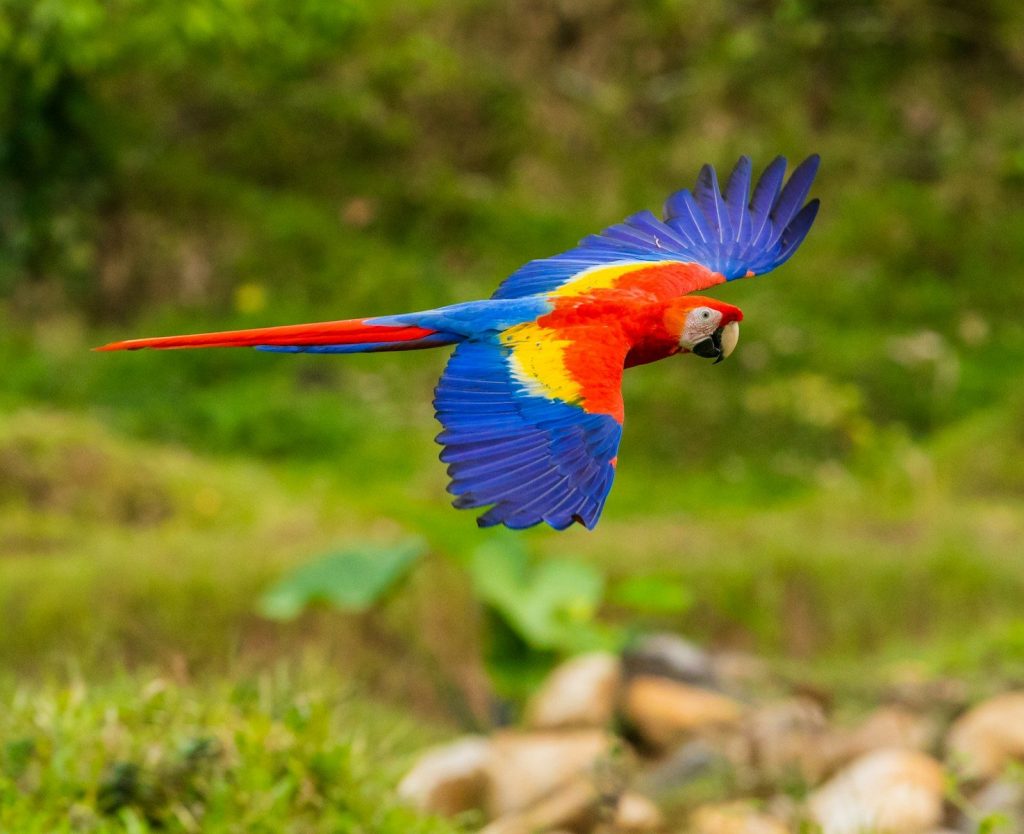
Parrots are highly intelligent birds capable of learning complex tasks and mimicking sounds. Some species can even imitate human speech with remarkable accuracy.
They use vocalizations and calls to communicate with flock members, showing strong social awareness and memory skills. Their intelligence places them among the most cognitively advanced bird groups.
Different Types of Parrots
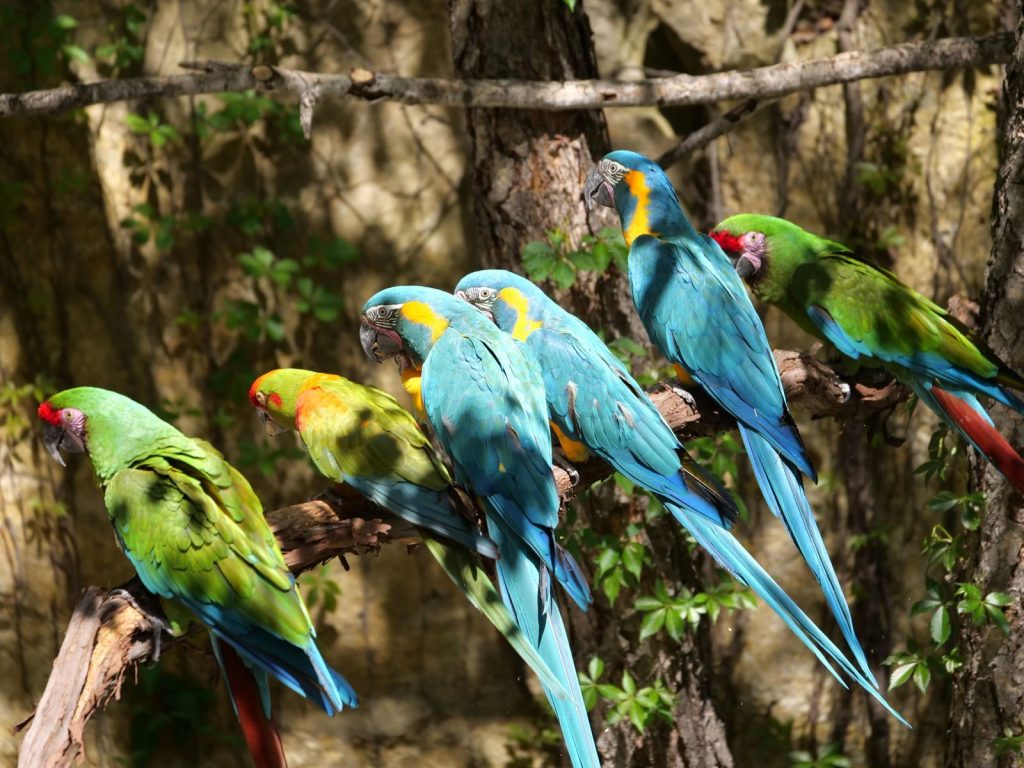
The parrot family includes a wide variety of species with different sizes and personalities. Macaws are large and powerful with long tails, while cockatoos are known for their crests and expressive behavior.
Smaller species like budgerigars and lovebirds are also widely known for their social nature and adaptability. Despite differences, they all share curved beaks and strong gripping feet.
Diet and Feeding Habits
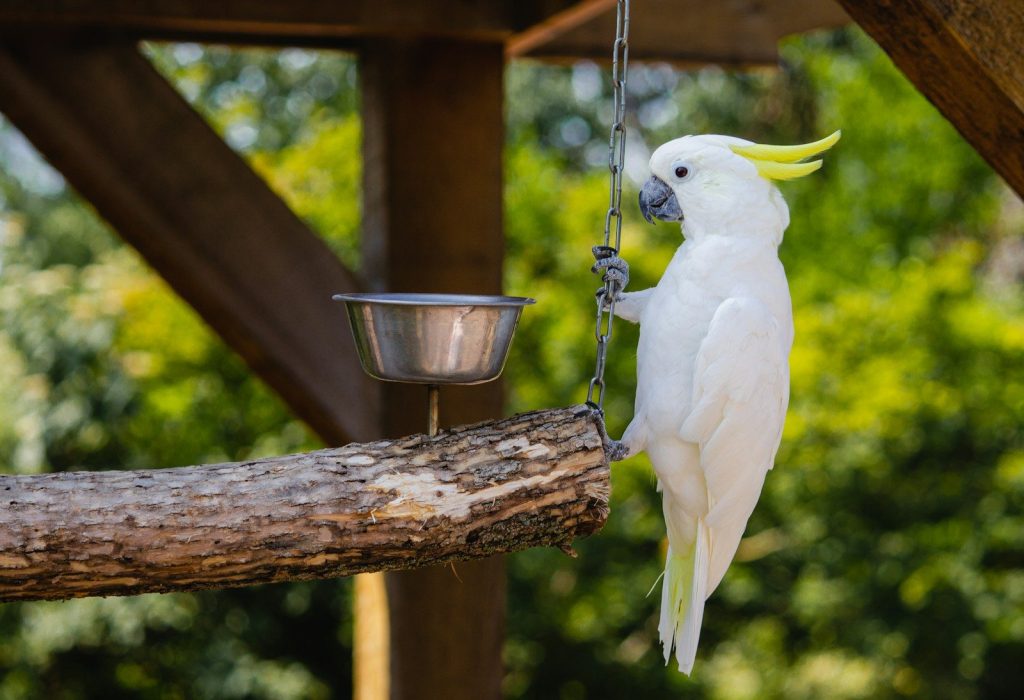
Most parrots are omnivores that feed on fruits, seeds, nuts, flowers, and occasionally insects. Their strong beaks allow them to crack hard shells and access food sources other birds cannot reach.
This adaptability helps them survive in diverse environments, from dense rainforests to open woodlands.
Social Behavior in Flocks
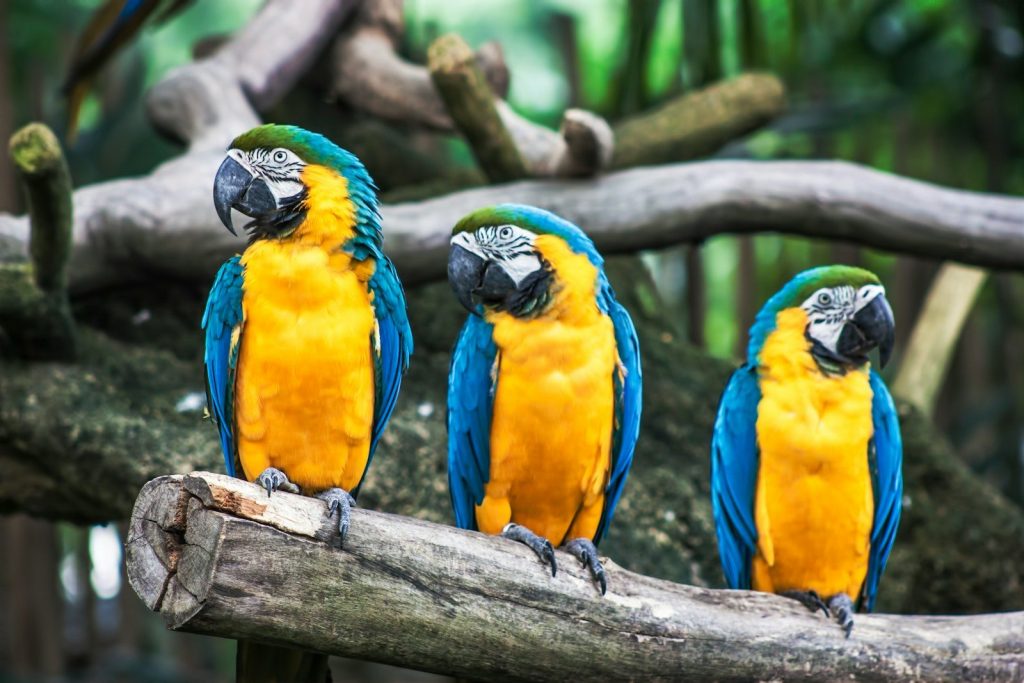
Parrots are highly social animals that live in groups for protection and companionship. They often form strong bonds with mates and flock members.
These social structures help them find food, avoid predators, and raise young more effectively. Loneliness can negatively affect their behavior and health.
Unique Physical Traits

Parrots have zygodactyl feet, meaning two toes point forward and two backward, allowing them to grip branches and objects with ease. Their curved beaks act like tools for climbing, feeding, and manipulation.
These adaptations make them highly skilled climbers and foragers in their natural habitats.