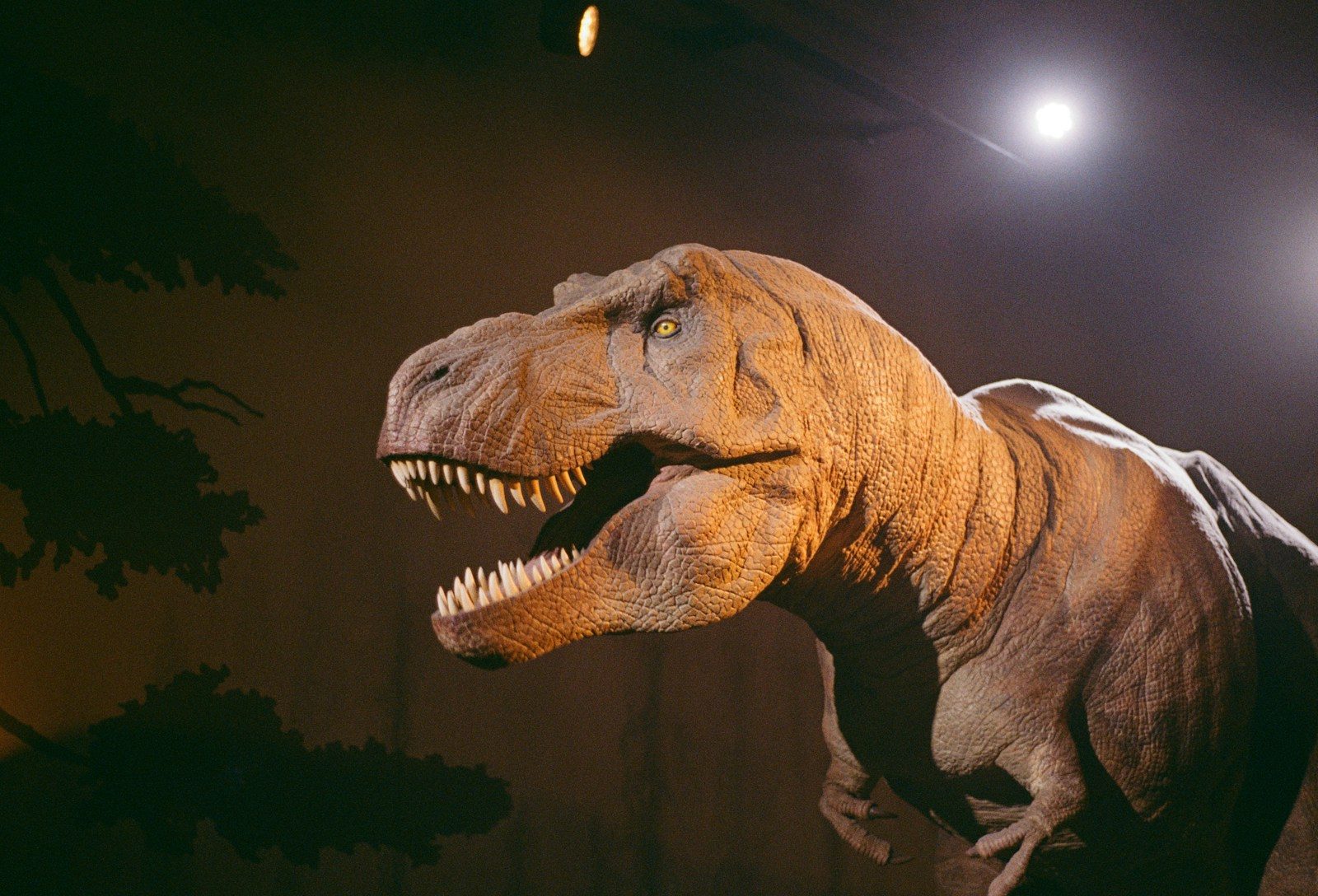
For years, scientists and filmmakers have debated how Tyrannosaurus rex actually moved. Popular movies often show it as a slow, tail-dragging monster, while modern research suggests a very different picture, one closer to large birds than reptiles.
Recent studies of dinosaur anatomy and fossil evidence indicate that T. rex likely had an upright posture, active movement, and a dynamic walking style that may resemble modern birds like chickens or ostriches.
A More Upright Dinosaur Stance

Tyrannosaurus rex is now believed to have held its body horizontally with a strong, balanced tail. This posture helped it maintain stability while walking or running.
Unlike older depictions, it did not drag its tail on the ground. Instead, the tail acted as a counterbalance to its heavy head and body.
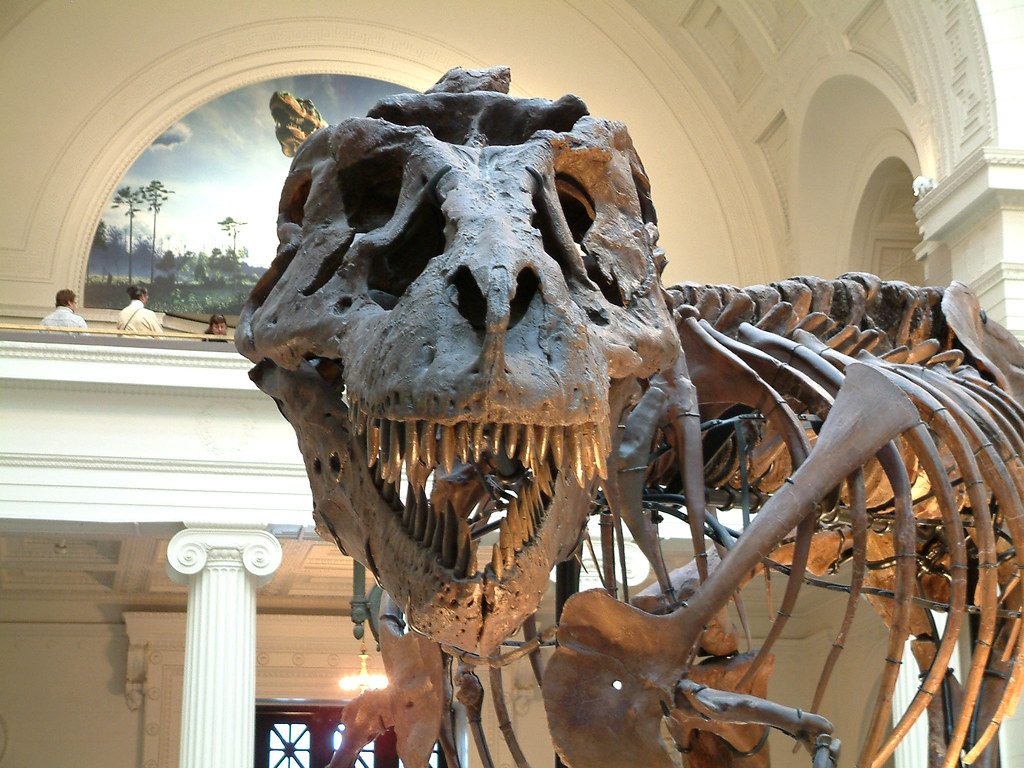
Bird-Like Hip and Leg Structure
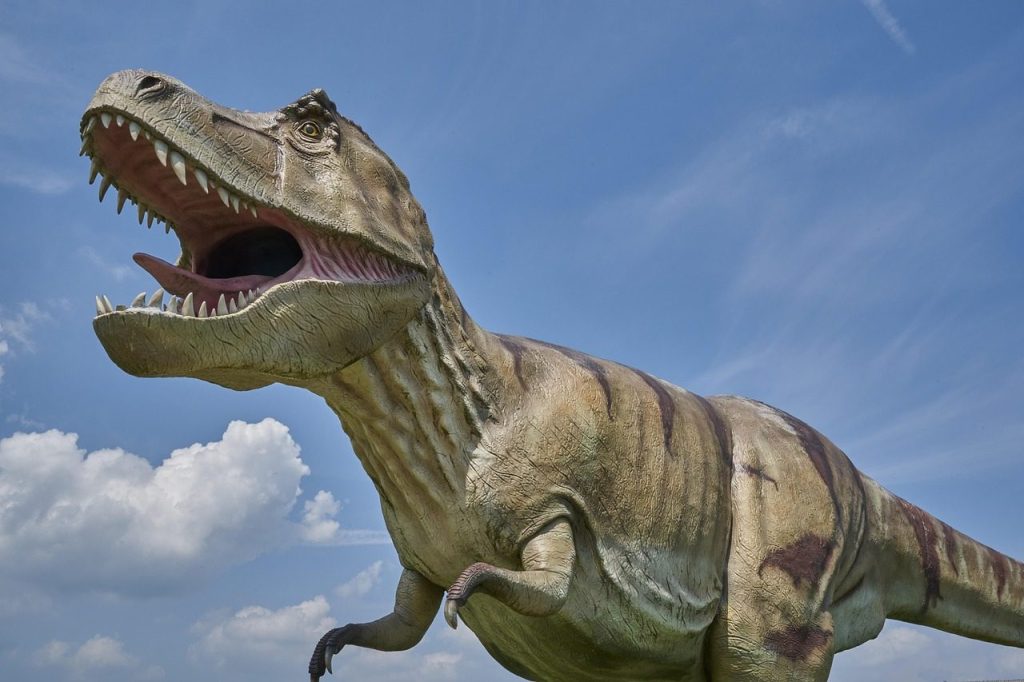
The leg structure of T. rex shares similarities with modern birds. Its hips, knees, and ankle joints suggest a more efficient, forward-moving gait.
Scientists believe it likely walked with a steady, energy-efficient stride. This movement would have been closer to large ground birds than sluggish reptiles.
How Fast Could It Move?
Estimates of T. rex speed vary, but most research suggests it was capable of moderate running or fast walking. Its massive size likely limited extreme speed.
Instead of chasing prey over long distances, it may have relied on short bursts of speed and powerful ambush tactics.
The “Chicken-Like” Comparison
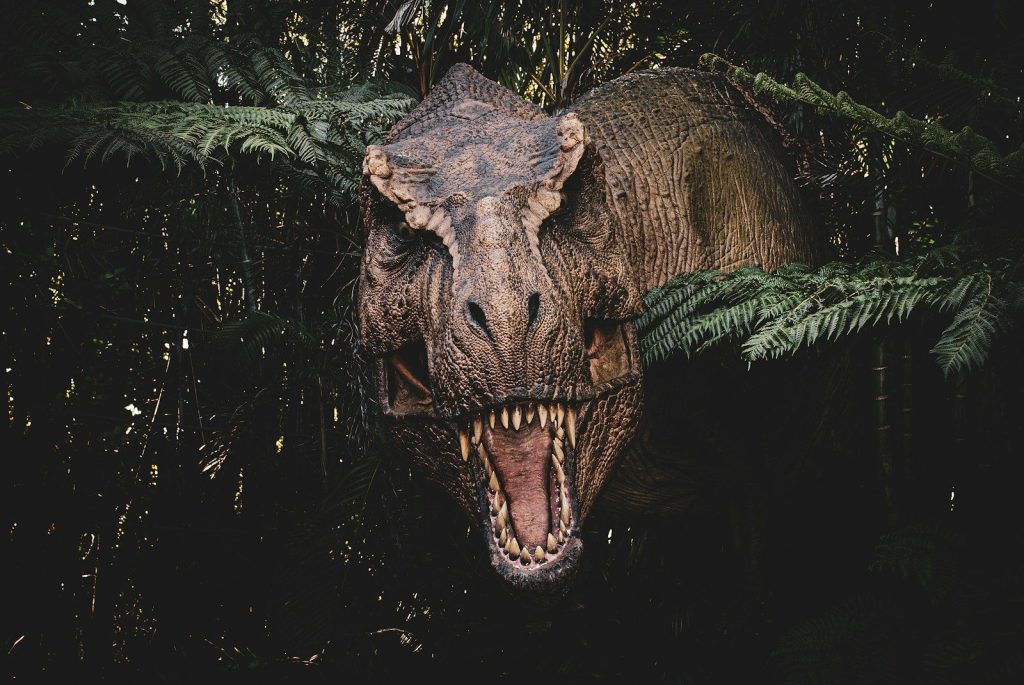
The idea that T. rex moved like a giant chicken comes from evolutionary links between dinosaurs and birds. Many structural similarities exist in bone formation and movement patterns.
However, it was far larger and far more powerful than any modern bird. The comparison is mainly about posture and motion mechanics, not appearance.
Evidence From Fossil Trackways
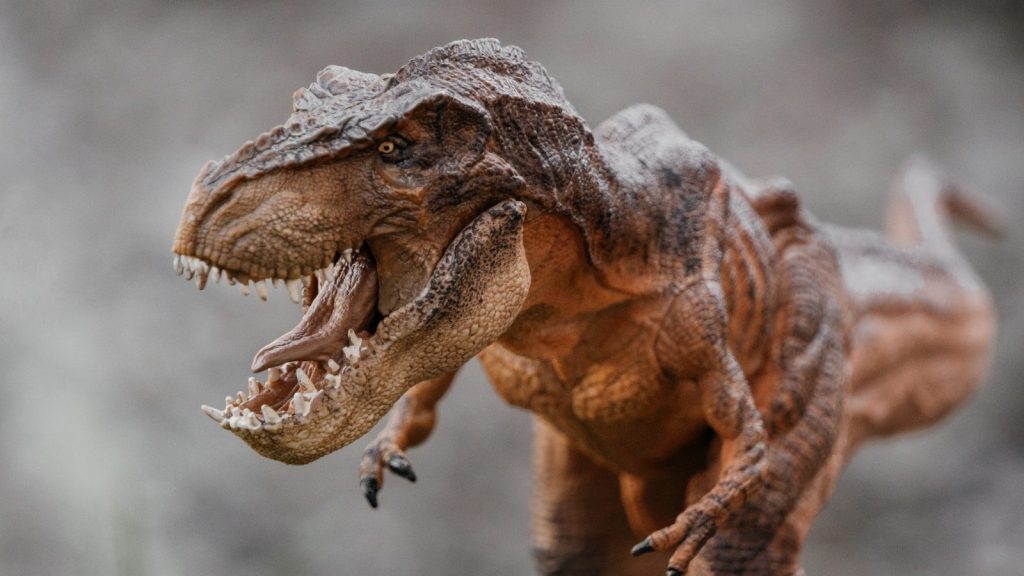
Fossilized footprints help scientists understand dinosaur movement. T. rex trackways suggest a balanced gait without dragging marks.
These traces support the idea of a controlled, upright walking style. They also help reconstruct stride length and movement rhythm.
Why Old Depictions Were Wrong
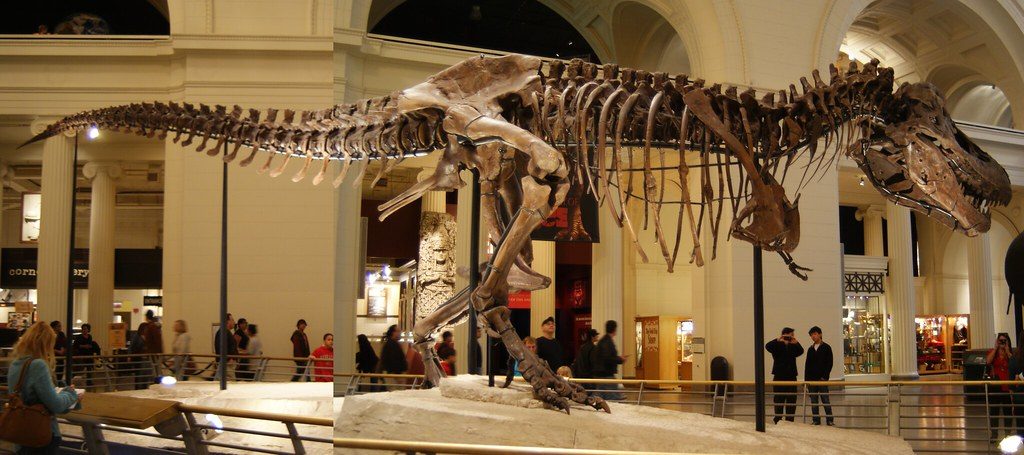
Early reconstructions of dinosaurs were based on limited fossil understanding. At the time, scientists assumed reptiles were slow and sprawling.
As more fossils were discovered, the image of dinosaurs changed dramatically. Today, they are seen as active, dynamic animals rather than sluggish creatures.